

The Three-Second Pause at Checkout
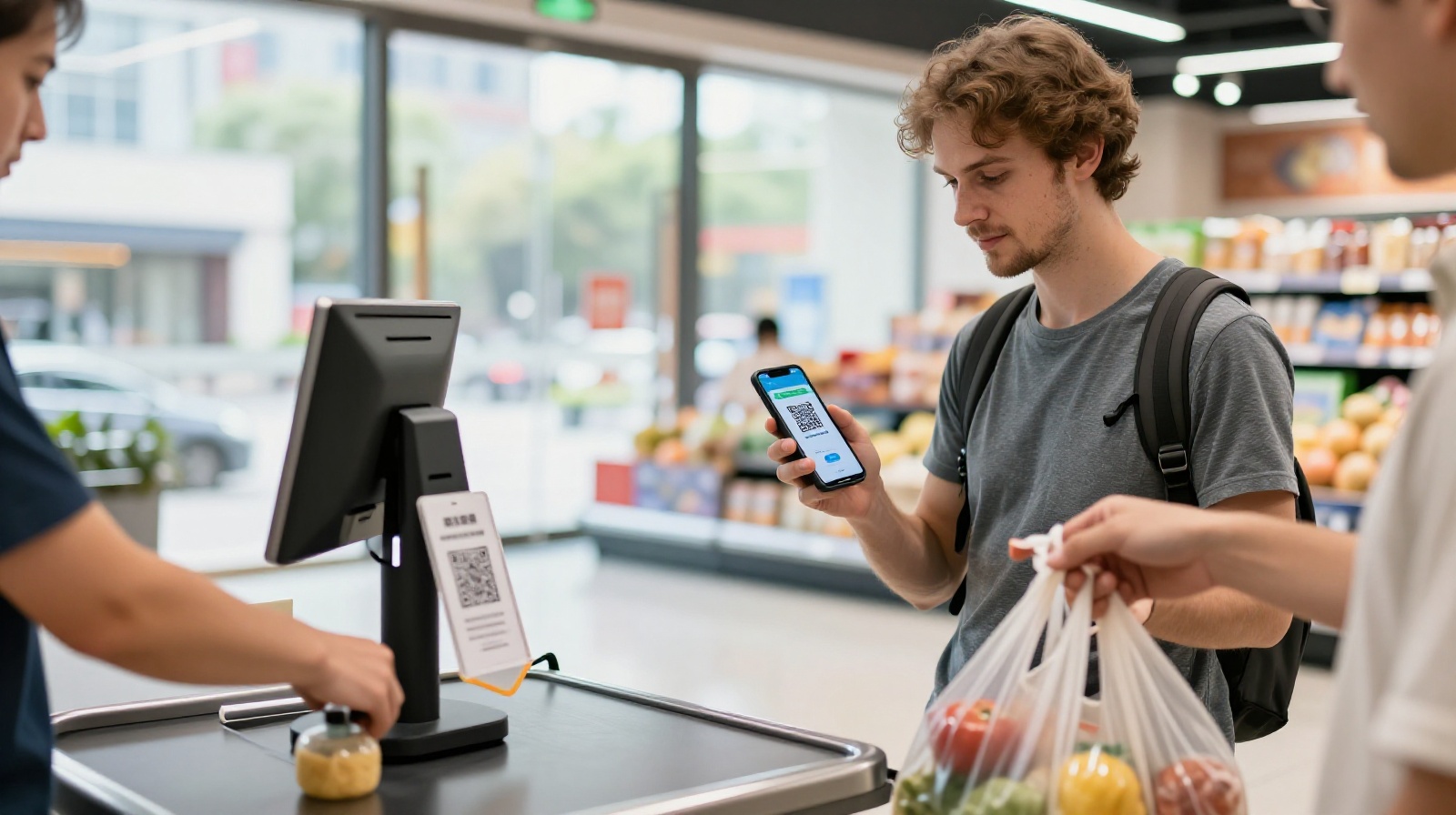
When I first stepped up to a checkout counter in Shenzhen, my hand instinctively reached into my back pocket for crumpled bills. The cashier didn’t even look up. Instead, she slid a small acrylic stand across the belt. On it was a printed QR code and two large numbers: 10 and 5. “Scan this,” she said, tapping her own screen. I fumbled with my phone, opened a banking app, scanned the grid, and waited for the familiar confirmation tone. It didn’t come. A polite but firm voice from the register announced that cash was not accepted here.
In many Western supermarkets, you still see the ritual of counting change, swiping plastic cards, or watching terminals connect to dial-up style networks. China’s checkout counters have skipped those steps entirely. This isn’t a gimmick; it’s the result of a payment ecosystem that evolved at breakneck speed over the last decade. For visitors used to carrying wallets, the initial experience feels less like shopping and more like navigating an unmarked obstacle course.
From Failed Payments to Binding Success
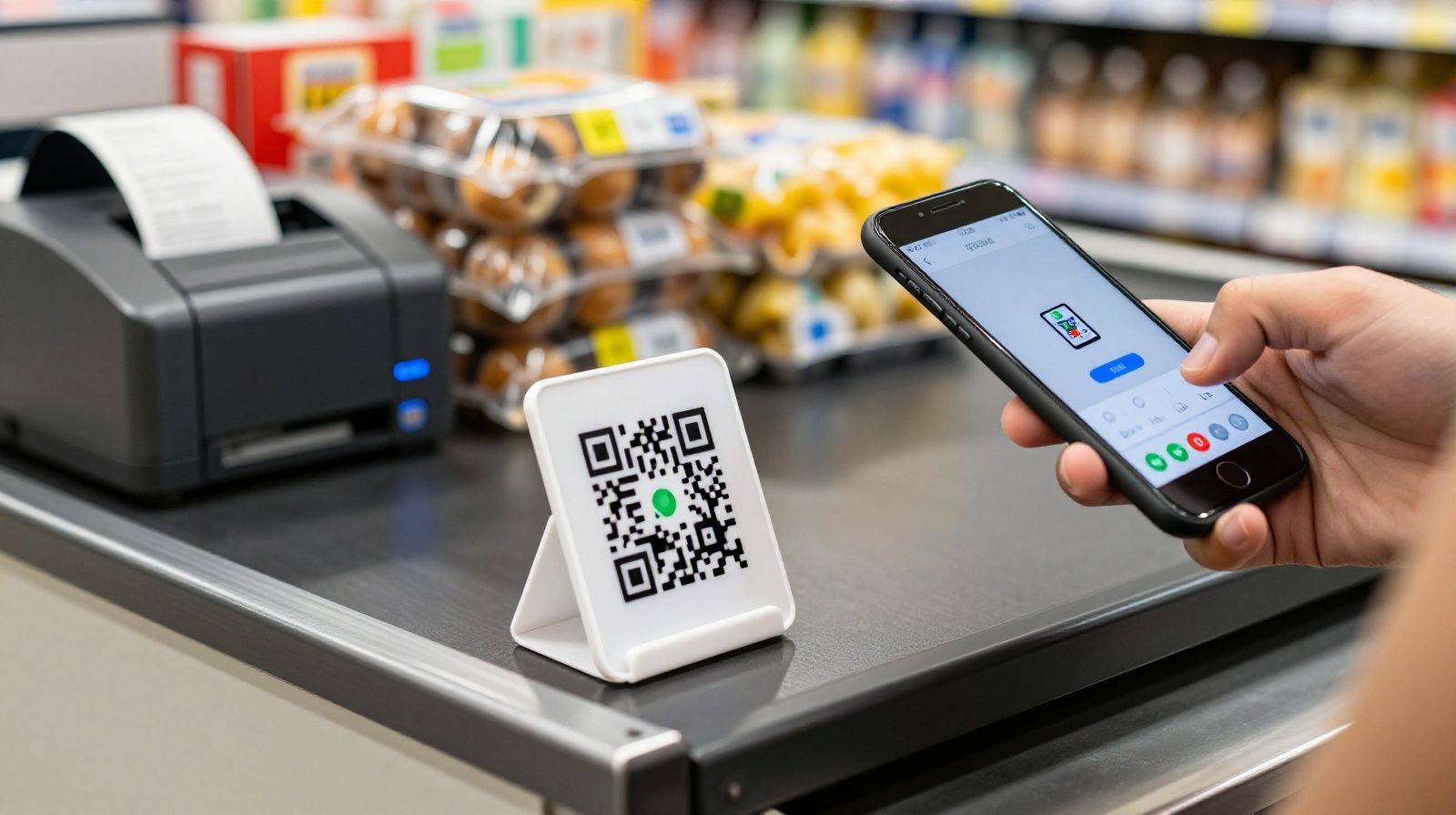
The first hurdle is always technical. Alipay and WeChat Pay dominate the market, and while both now accept international Visa and Mastercard chips, the setup requires patience. I spent an afternoon in a quiet café corner linking my foreign card to Alipay’s “Tour Pass” feature. The process demanded a Chinese phone number for SMS verification—a requirement that initially felt like a gatekeeping measure, but is actually just China’s standard anti-fraud protocol tied to real-name identity systems.
Once linked, the interface switches smoothly into English. I enabled password-free payments for transactions under 100 yuan, which removed the need to type in codes at every register. Exchange rates are handled automatically by the card network, though it helps to check your bank’s foreign transaction fees beforehand. Paper receipts have largely vanished. Instead, digital invoices appear directly in the app’s “Orders” tab, making expense tracking surprisingly straightforward for business travelers and students alike.

Street Radius: Wet Markets and Breakfast Stalls
Supermarkets are just the training ground. The real test of China’s cashless infrastructure happens in its street-level economy. At a morning wet market, vendors selling scallions and live fish display laminated QR codes taped to bamboo baskets. A breakfast stall steaming *baozi* uses a portable Bluetooth printer that spits out tiny thermal receipts alongside the food box. Ride-hailing apps like DiDi route payments through the same wallets, eliminating the awkward conversation about tipping or finding loose change for drivers.
Why did this spread so fast? In dense Asian cities, high smartphone adoption combined with fierce competition among tech giants created a perfect storm for mobile-first solutions. Credit card terminals require expensive hardware and merchant fees that small vendors often cannot absorb. A simple printed code costs almost nothing to produce and works instantly on any modern phone. The result is a payment layer that feels invisible because it doesn’t interrupt the flow of daily commerce. Where Western markets prioritized card networks and physical terminals, China leveraged mobile apps to bypass legacy systems entirely.

Habit Reshaping: Friction, Convenience, and Glitches
Adapting to this rhythm takes time. I still occasionally find myself patting my pockets for coins out of muscle memory, only to remember that nobody makes change anymore. The trade-off is undeniable: checkout lines move three times faster without cash counting or card declines. But the system isn’t flawless. During a routine network maintenance window last month, my favorite local pharmacy couldn’t process prescriptions for two hours. A few street vendors simply switched back to cash when their phone batteries died.
These moments remind us that digital convenience is still infrastructure-dependent. It doesn’t erase the need for backup plans, but it does force a new kind of preparedness. Instead of carrying heavy wallets or worrying about card skimming at ATMs, travelers now manage everything through battery life and data coverage. The anxiety shifts from financial security to connectivity. Even older residents have learned to navigate this landscape by relying on family members’ accounts or community service centers that handle digital paperwork for them.
Beyond the Scan: Living Inside the Digital Rhythm
China’s cashless reality is often summarized as “technology speed,” but daily life feels more like practical adaptation than futuristic fantasy. Payments are just the visible tip of a broader digital ecosystem that handles everything from hospital registrations to community group buying. For overseas visitors, the initial confusion gradually fades into routine. You stop treating your phone like an alien device and start using it exactly as locals do: as a wallet, a ticket, and a key.
Understanding this shift doesn’t require accepting every aspect of rapid digitization without question. It simply means recognizing that different societies solve the same problems with different tools. The outcome is a shopping experience that feels frictionless until you actually need to troubleshoot it. And once you do, stepping back into a cash-heavy environment suddenly feels like taking a step backward in time.