

The Park Bench Scroll
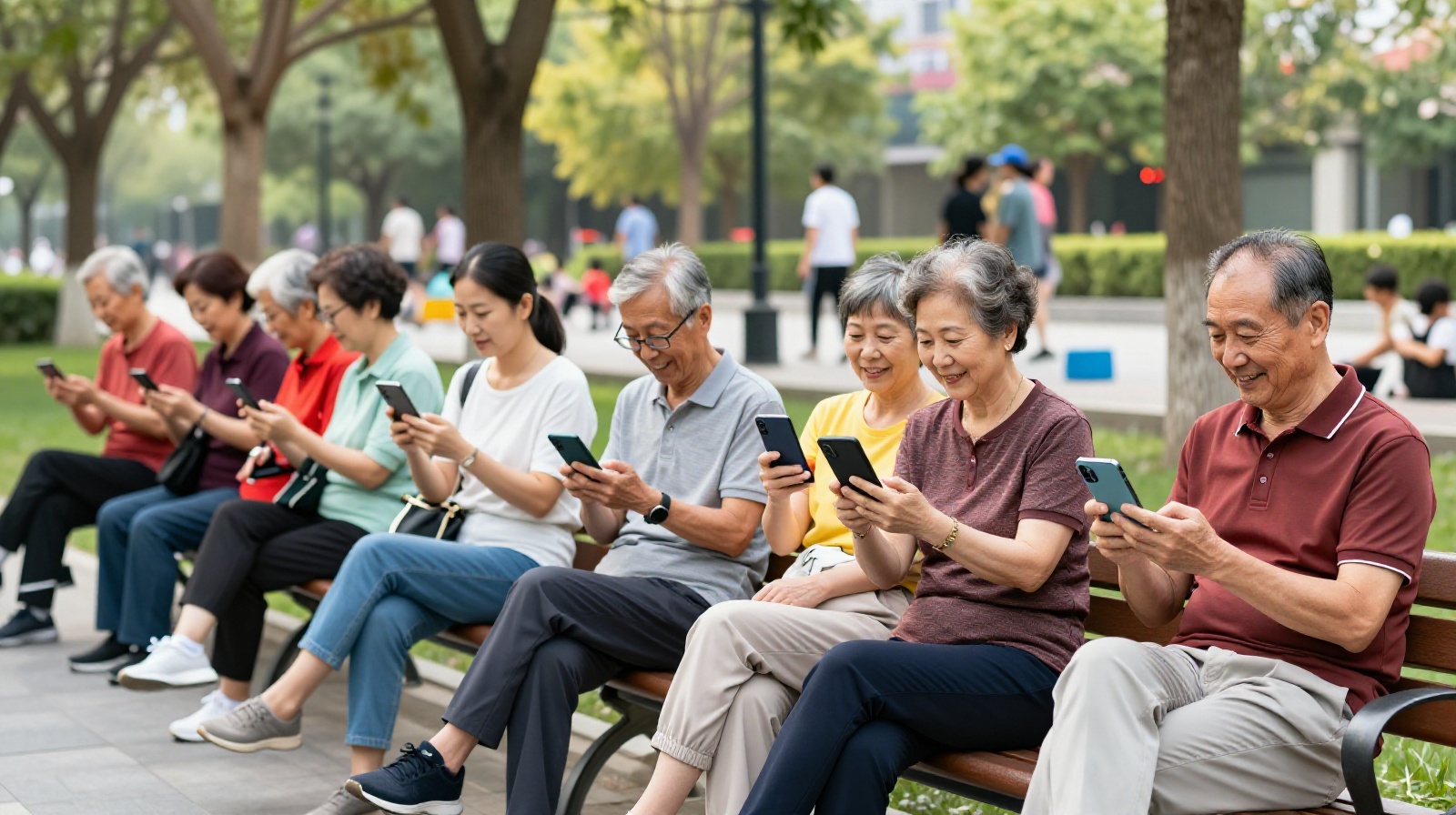
It’s 7:30 AM in a public park in Chengdu. While some seniors are practicing Tai Chi, others sit on benches with smartphones propped up against their knees. They aren’t checking stock prices or reading news emails. They are watching short videos of people cooking spicy noodles, singing traditional opera, or dancing to upbeat pop music.
This scene is becoming commonplace across China. For years, the global narrative about aging and technology focused on the “digital divide”—the idea that older adults were struggling to keep up with a rapidly modernizing world. But in China, that narrative is flipping. Thanks to an app known as Douyin (the Chinese version of TikTok), millions of seniors are not just keeping up; they are thriving online.
For these users, smartphones and short-video apps aren’t about chasing trends. They are about survival, connection, and dignity in a society that is aging faster than almost anywhere else on earth.
Designed for Failing Eyes
The reason Chinese seniors have embraced Douyin so quickly lies in its design. In many Western countries, technology assumes the user has sharp eyesight and tech-savvy fingers. But China’s tech giants realized early on that ignoring half their population was bad business.
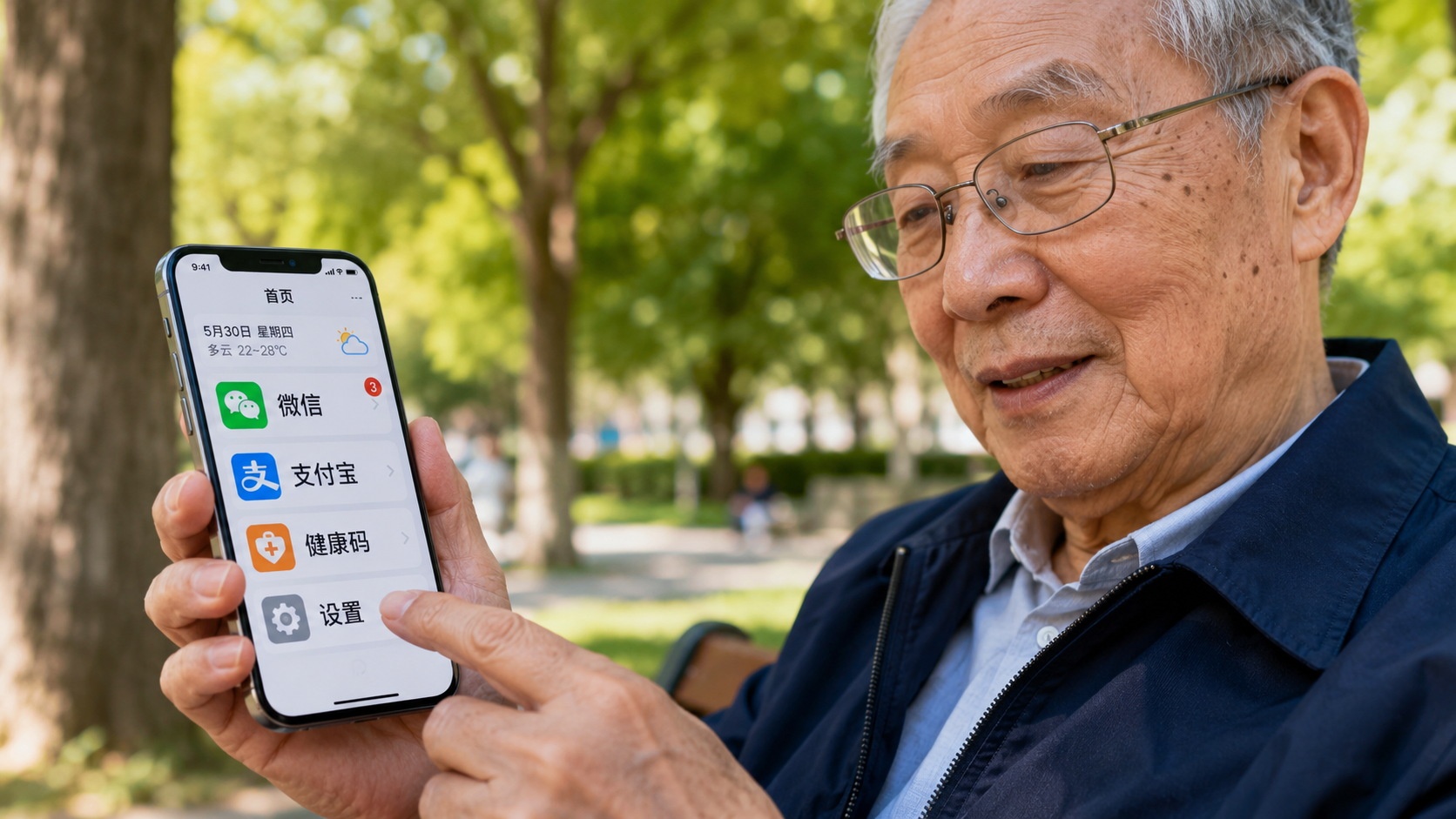
Most major apps now offer a “Senior Mode” or “Elderly Care Version.” The interface changes dramatically: fonts become huge, icons are simplified, and complex menus disappear. Voice commands take center stage—users can ask the app to play music or open contacts without typing a single character.
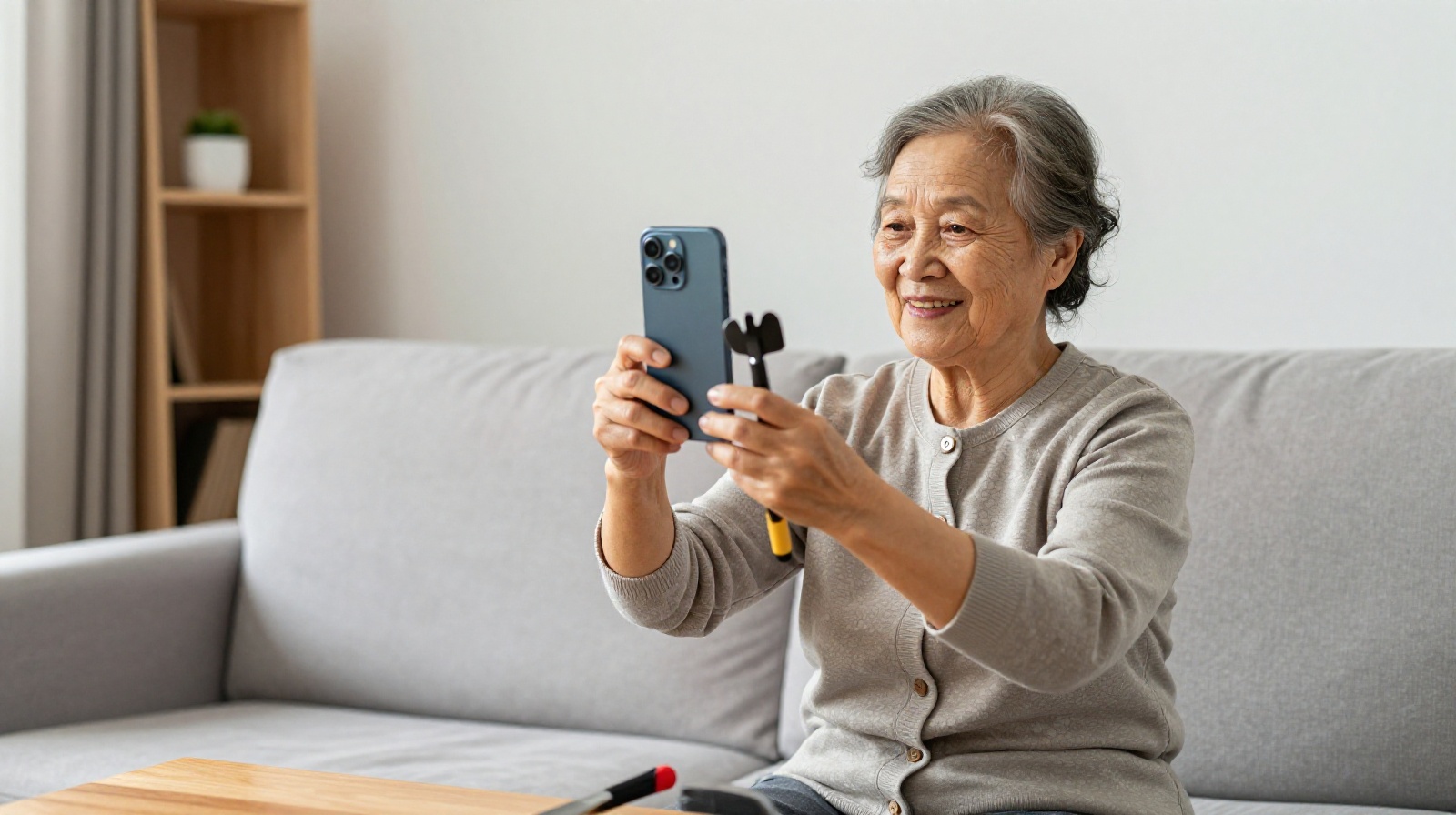
This accessibility is crucial. For many Chinese seniors who grew up before the internet era, the learning curve was steep. But once Douyin’s algorithm learned their preferences—whether it was Peking opera, health tips, or gardening hacks—the app stopped feeling like a tool and started feeling like a companion.
The New Social Square
In traditional Chinese culture, community life often revolved around public squares and tea houses. As urbanization accelerates and families become more nuclear, those physical spaces are shrinking. Douyin has effectively replaced them as the new social square.
For Li Wei, a 72-year-old retired teacher in Shanghai, the app is his daily link to his grandchildren who live in other cities. He doesn’t just watch videos; he records himself. He shares clips of his morning walk, his vegetable garden, and occasionally, clumsy attempts at learning new dance moves.
“My daughter says my videos make her feel like I’m right there beside her,” Li Wei explains. “Before this app, our calls were short. Now, we have something to talk about every day.”
Beyond family bonds, Douyin has created massive interest-based communities. Seniors join groups for traditional calligraphy, chess strategies, and even fitness challenges. It’s a way to find peers who share their passions, reducing the isolation that often accompanies retirement.
From Consumers to Creators
The most surprising development is the rise of the “Silver Creator Economy.” On Douyin, age is no longer a barrier to creativity or income. Many seniors have turned their hobbies into content that attracts thousands—or even millions—of followers.
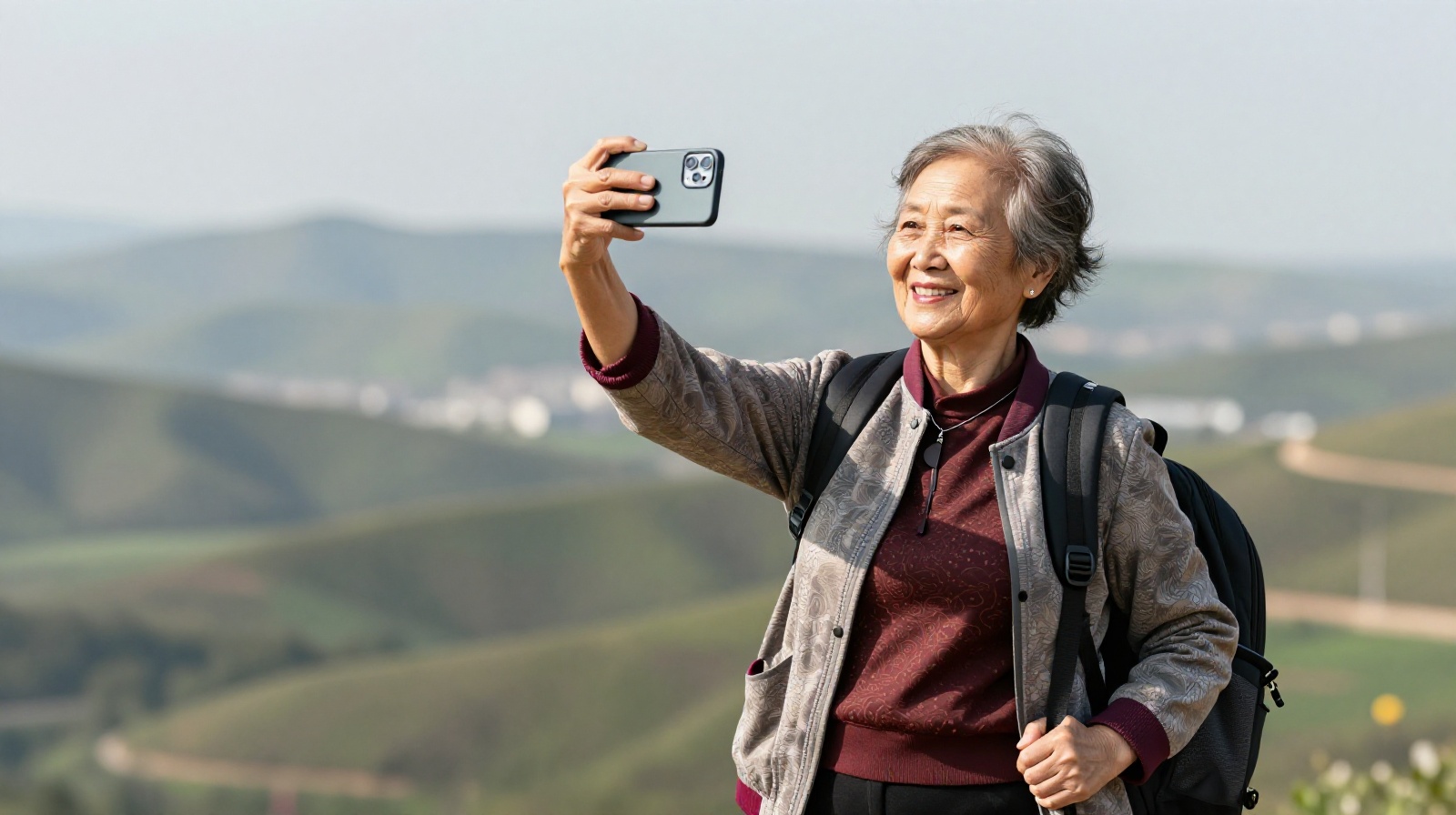
Take Zhang Hong, a 68-year-old woman from Beijing known online as “Grandma Cool.” She started posting videos of herself traveling alone, challenging the stereotype that older women should stay home. Her confidence and vibrant personality resonated with young users who saw her not as an elder to be pitied, but as a role model for living boldly.
Some seniors even monetize their skills. A retired carpenter might teach woodwork techniques; another might share recipes passed down through generations. This isn’t just about entertainment; it’s about reclaiming agency. In a society that often marginalizes the elderly, these creators are proving they still have value to offer.
Navigating Risks with Family Support
Of course, this digital boom isn’t without challenges. Misinformation and health scams targeting seniors are real concerns on short-video platforms. False claims about miracle cures or financial schemes can spread quickly.
However, the response in China has been less about restricting access and more about building a safety net. Younger family members often act as digital filters, helping older relatives verify information and adjust privacy settings. Meanwhile, platforms are increasingly using AI to flag suspicious content aimed at vulnerable users.
The relationship between Chinese seniors and technology is dynamic, not passive. They are learning to navigate the digital world with a mix of curiosity and caution, supported by their families and improved app designs.
Building Bridges, Not Barriers
The story of Chinese seniors on Douyin offers a vital lesson for the rest of the world. Digital inclusion isn’t just about providing hardware; it’s about designing experiences that respect the user’s context and needs.
As global populations age, societies worldwide face similar challenges. China’s experience suggests that when technology is made accessible and relevant, it can become a powerful bridge across generations. It turns isolation into connection and silence into voice.

For the seniors scrolling through their feeds in parks and living rooms today, Douyin is more than an app. It’s proof that growing older doesn’t mean being left behind. It means finding a new way to stay part of the world—and making sure the world stays part of them.