

The First Bite: Heat, Steam, and Silence
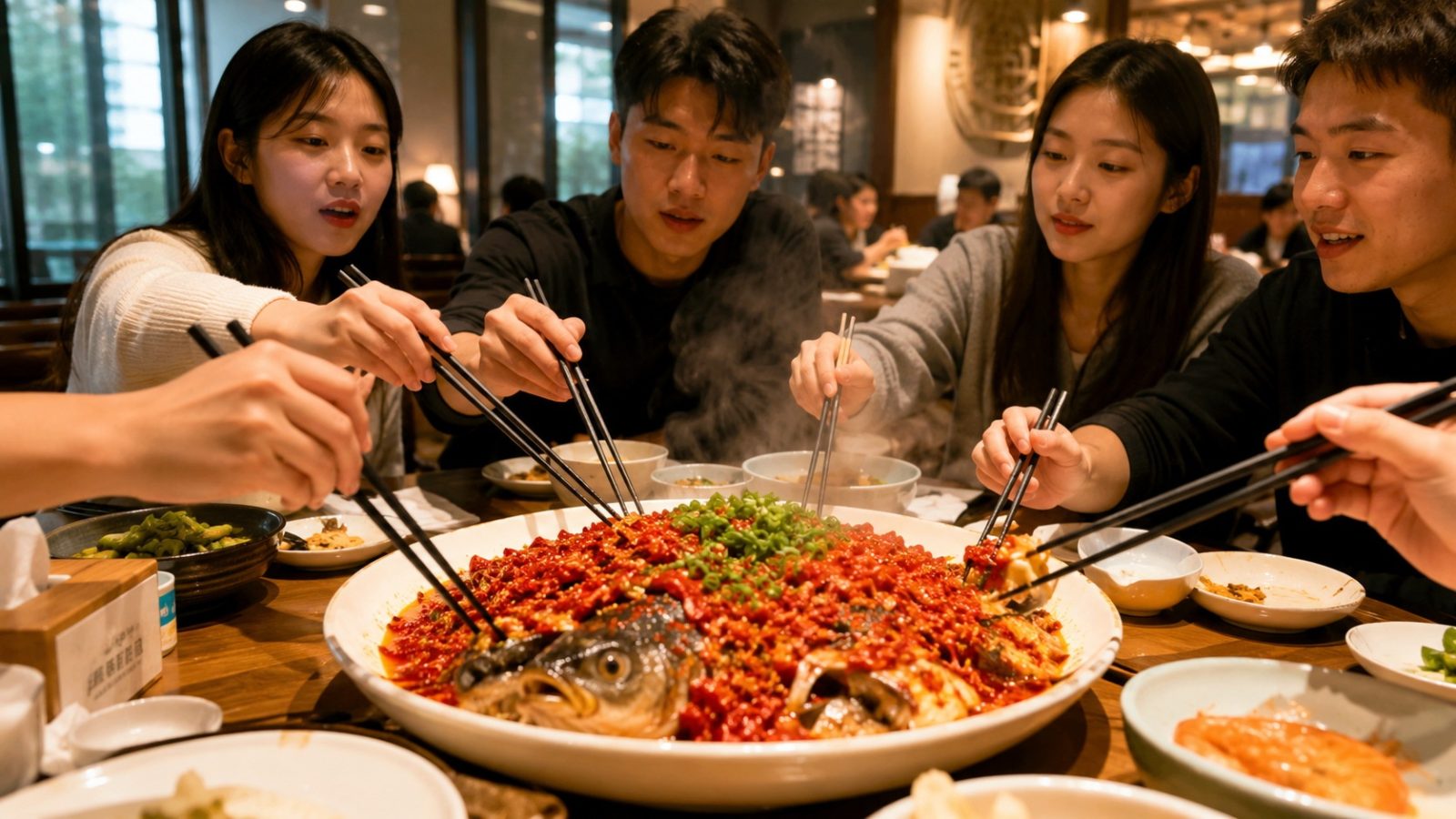
It is 7:30 PM on a Tuesday in Shanghai. Inside a brightly lit restaurant in Jing’an District, the air is thick with the scent of steaming garlic and fermented red chilies. A large ceramic plate, still hissing, is placed in the center of the table. On it sits the main event: a massive fish head, split open and blanketed in a mountain of bright red chopped peppers.
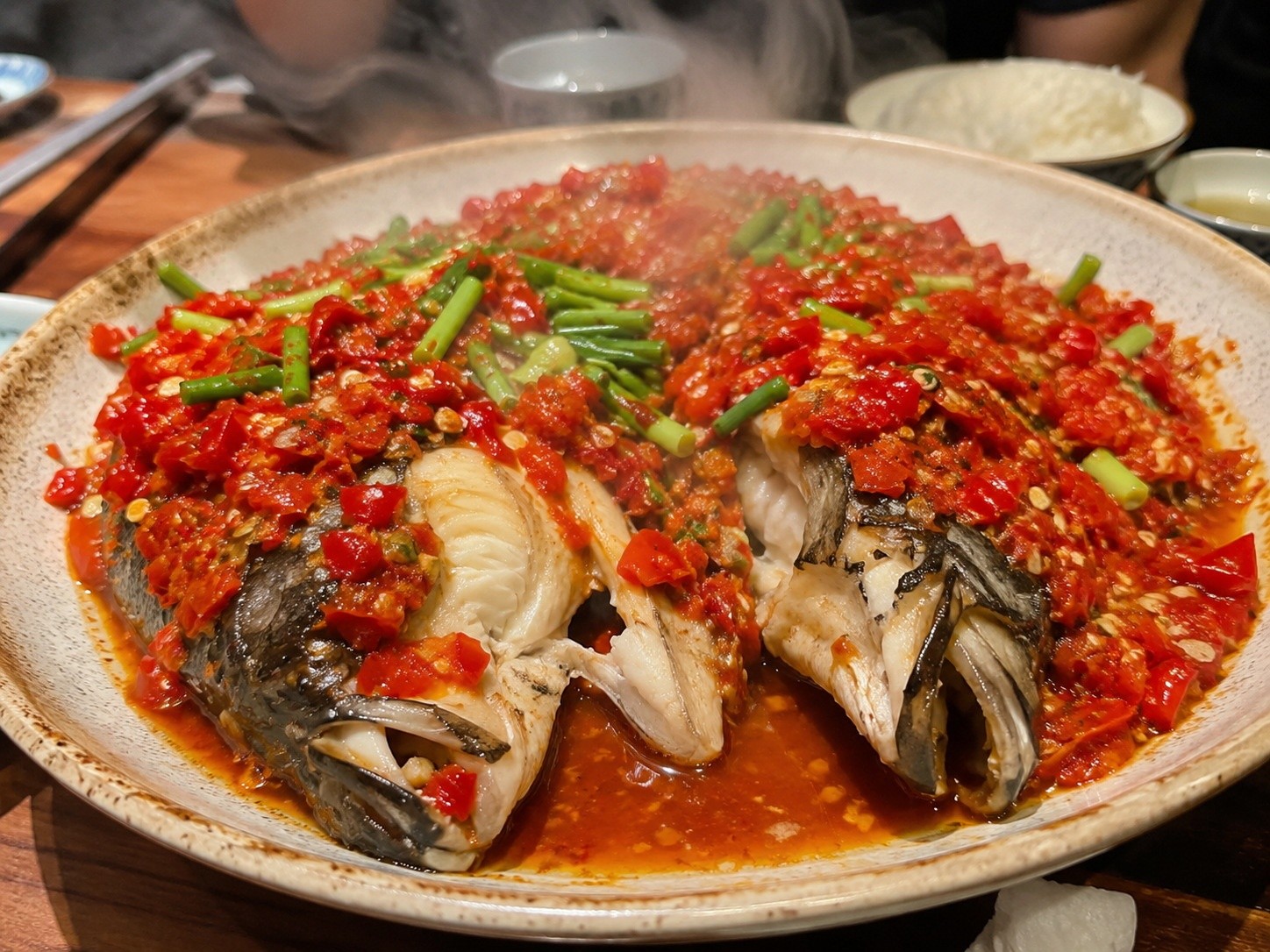
For the four young professionals around the table, the ritual begins with a moment of pause. They pick up their chopsticks, gently separating the tender white flesh from the skull. The first bite is a shock—a wave of intense, clean heat that hits the tongue, followed by the savory, umami richness of the fish. There is no small talk in these first few seconds. The spice demands focus. It is visceral, communal, and undeniably alive.
From River to App: The Logistics of Spice
This dish, known as Duo Jiao Yu Tou (Chopped Chili Fish Head), originated in the Xiangxi region of Hunan province. Historically, it was a way for locals to preserve fresh catches from the Dongting Lake area using fermentation. Today, however, it is a masterclass in modern supply chain logistics.
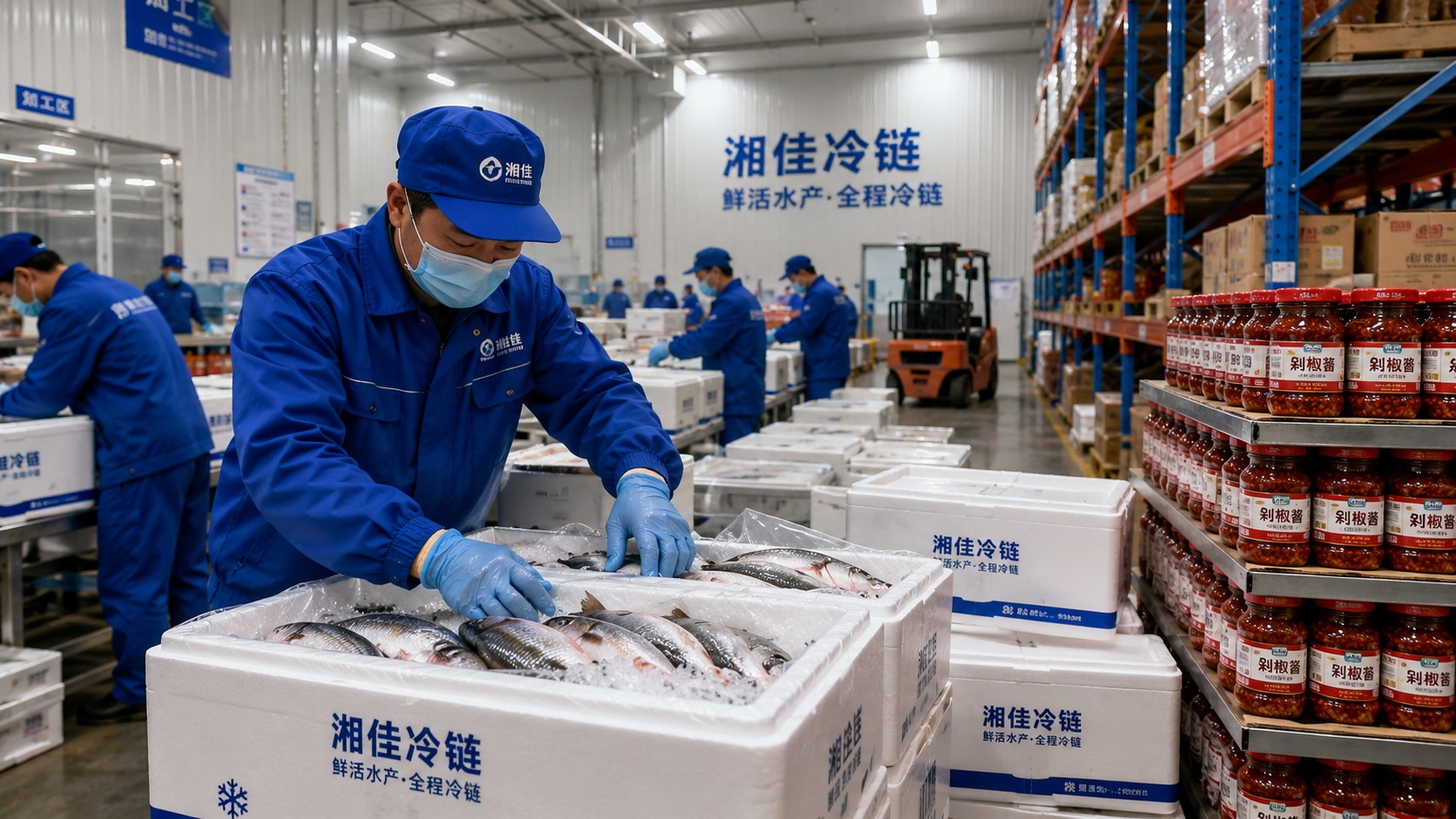
For a young consumer in Beijing or Shenzhen, eating this dish today means relying on a highly efficient network. The fish—often grass carp or tilapia—are raised in controlled environments in the south. They are processed, chilled, and transported via high-speed rail or air freight within 24 hours. Meanwhile, the fermented chili paste, the soul of the dish, is produced in specialized factories that ship sealed jars to restaurants nationwide.
This infrastructure allows a regional specialty to become a national staple. It is no longer just about “Hunan food”; it is about the ability to deliver fresh, perishable ingredients to millions of urbanites who crave authentic, heavy flavors after a long day of work.
Why Gen Z Craves the Burn
Why has this specific dish become a favorite among China’s Gen Z and Millennials? The answer lies in the intersection of stress relief and social dining.
Modern urban life in China is fast-paced and often high-pressure. For young workers, spicy food offers a form of “edible catharsis.” The physical sensation of heat releases endorphins, providing a temporary escape from digital fatigue and office stress. It is a controlled burn that feels good.
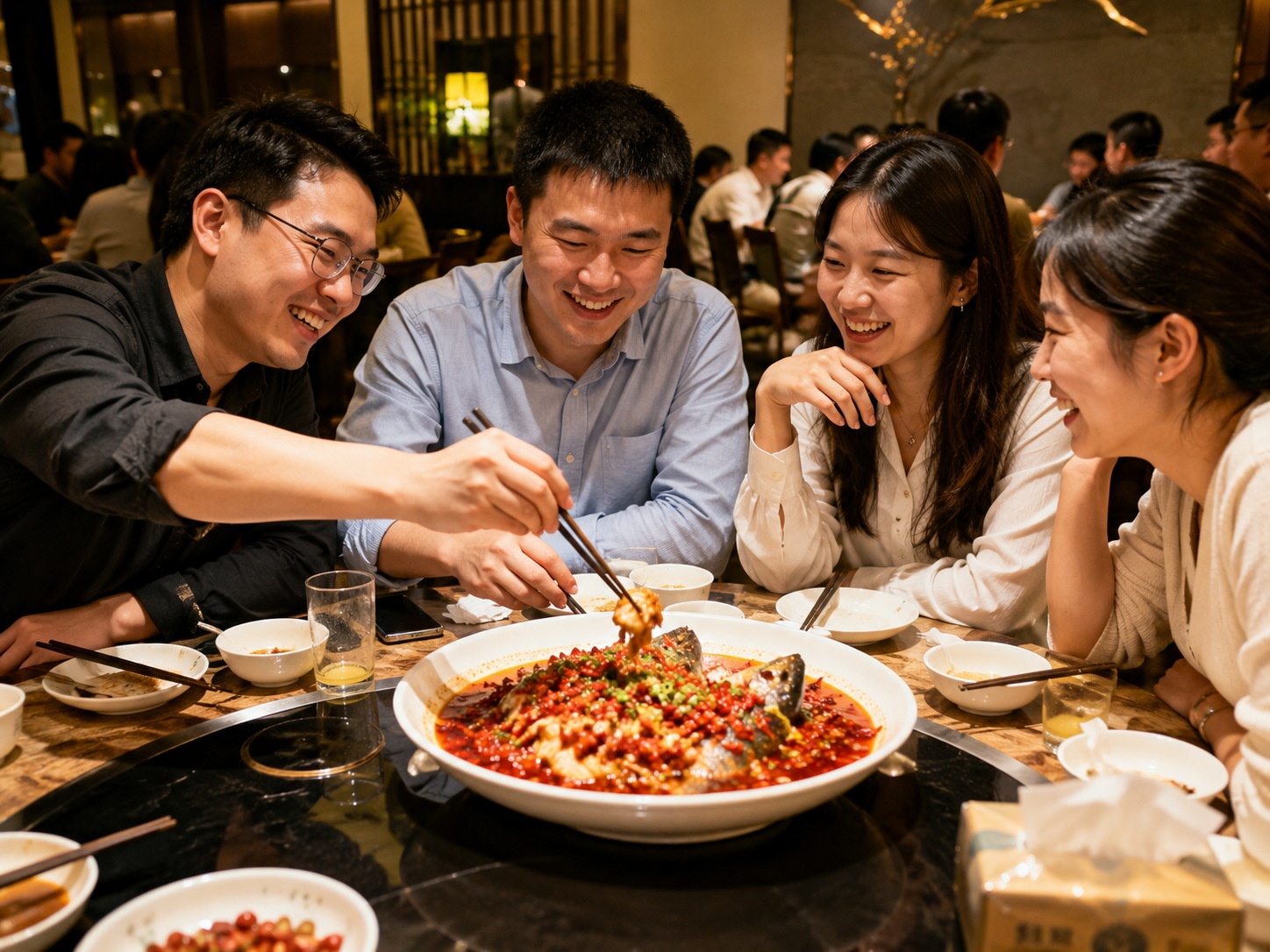
Furthermore, the presentation of the dish reinforces social connection. Unlike individual set meals, a whole fish head is too large for one person. It forces diners to share, to reach across the table, and to engage in the messy, honest act of eating together. In an era where many young Chinese live alone or in small apartments, sharing a “communal plate” is a rare and cherished ritual of intimacy.
Transparency in the Digital Age
The rise of this dish also mirrors the changing relationship between Chinese consumers and their food. Trust is no longer assumed; it is verified.
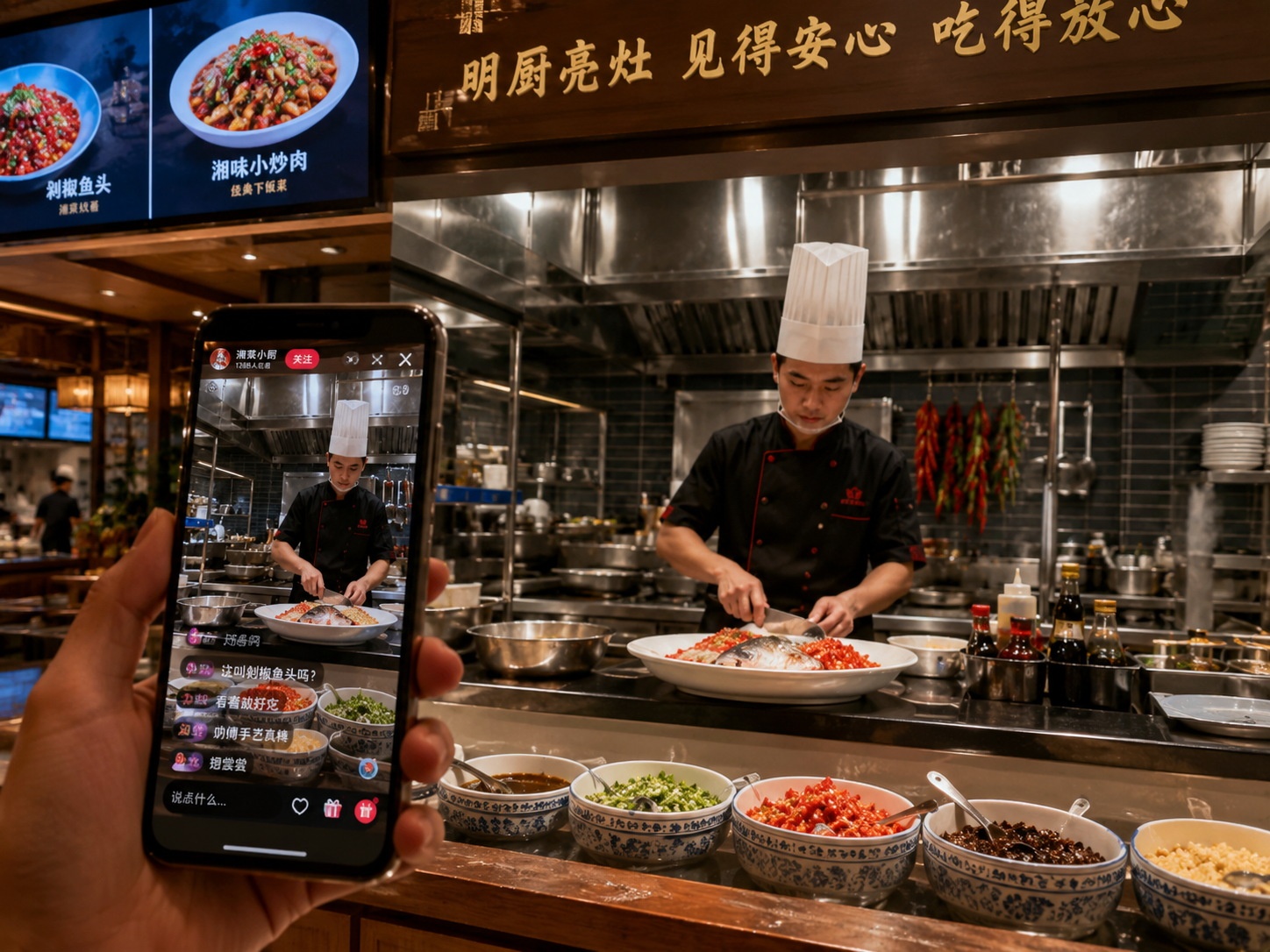
In many mid-to-high-end restaurants, the preparation process is now part of the performance. Live streams from the kitchen, open-view chopping blocks, and QR codes that trace the fish’s origin to specific farms are common. Young diners, who are digitally native, appreciate this transparency. They want to know where their food comes from and how it is handled.
This demand for visibility has pushed the industry toward higher standards. Restaurants that can demonstrate freshness and hygiene gain social media traction, turning a simple meal into a shareable digital experience. The act of eating becomes part of the content creation loop, bridging the physical and virtual worlds.
A Bridge Between Roots and Modernity
Ultimately, the journey of Chopped Chili Fish Head from the muddy banks of Dongting Lake to the sleek dining rooms of Shanghai reflects a broader shift in Chinese youth identity. These young people are proud of their local heritage but live in a hyper-connected, globalized world.

They do not see tradition and modernity as opposites. They can code in Python by day and savor a fermented chili dish by night. They value the “mud” of their regional roots—the authenticity, the history, the bold flavors—while enjoying the convenience and technology of urban life.
The Chopped Chili Fish Head is more than just a meal. It is a symbol of a generation that is comfortable navigating both worlds. It is spicy, it is fresh, and it is deeply human.