

The Scent of Smoke and Star Anise
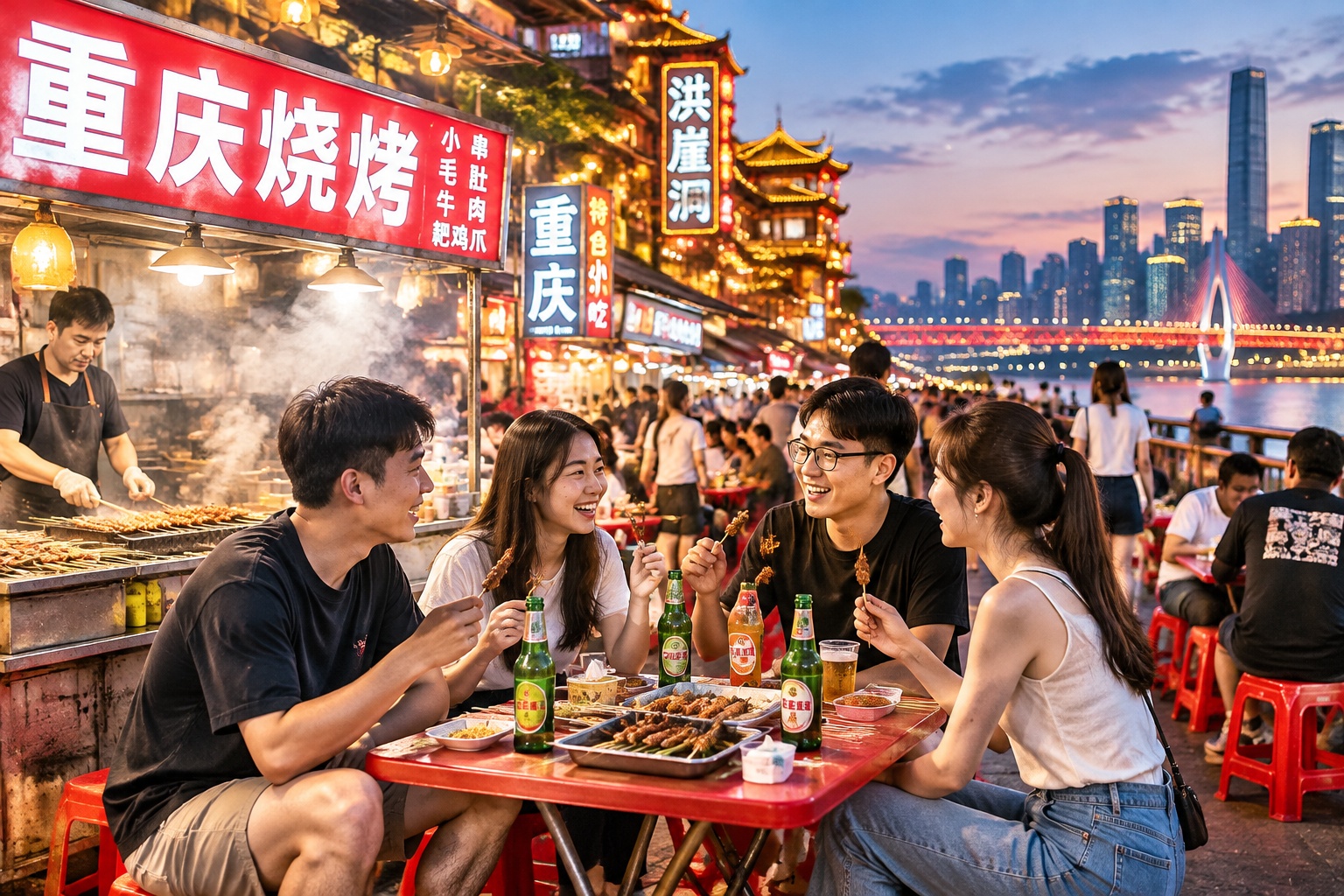
It is 8:30 PM in Chongqing. The humid summer air is thick, but it’s the smell that hits you first—a heavy, intoxicating blend of cumin, chili oil, and burning charcoal. This isn’t a quiet dinner; it’s the roar of urban life waking up after work.
Li Wei, a 28-year-old software engineer, wipes sweat from his forehead with a plastic napkin. He sits on a low red plastic stool, waiting for his order. “In China, we don’t just eat to survive,” he says, gesturing to the crowded alleyway. “We eat to decompress.” Around us, hundreds of people are squeezed onto matching stools, clinking beer bottles and shouting over the hiss of gas burners. The noise is chaotic, but it feels surprisingly communal.
The $10 Budget Breakdown
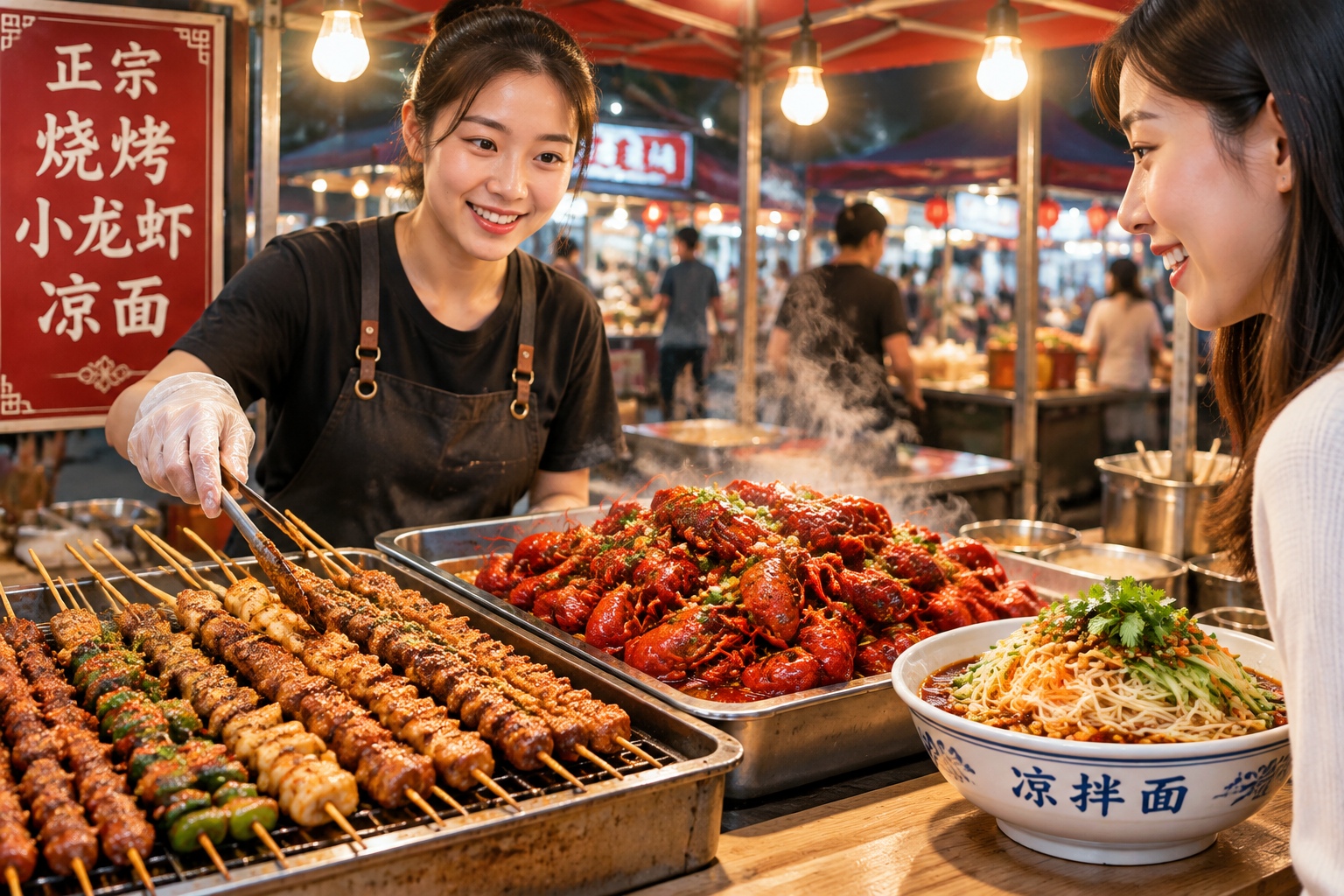
Let’s talk numbers. To a Western ear, $10 (about 72 Chinese yuan) might sound like pocket change for a meal. But in the context of a high-quality night market feast, it is a significant amount. Here is exactly what that budget buys you in Chongqing, a city famous for its spicy cuisine:
- Spicy Crayfish (300g): $2.50. These freshwater crustaceans are boiled in a heavy sauce of chili, garlic, and Sichuan peppercorns. You peel them yourself, getting your hands messy.
- Grilled Skewers (10 pieces): $1.50. A mix of beef, lamb, and vegetable tofu. The meat is marinated before grilling, resulting in a smoky, tender bite.
- Sour and Spicy Rice Noodles: $1.00. A cold dish that cuts through the heat of the grilled food with vinegar and fresh cilantro.
- Sweet Soy Milk and Fried Dough Sticks: $1.50. A classic comfort combo to soothe the spice.
- Local Craft Beer (2 bottles): $3.50. Light, crisp, and essential for washing down the chili oil.
Total: $10.00. For two people, with drinks, this is a full, luxurious meal.
The Art of the Stall
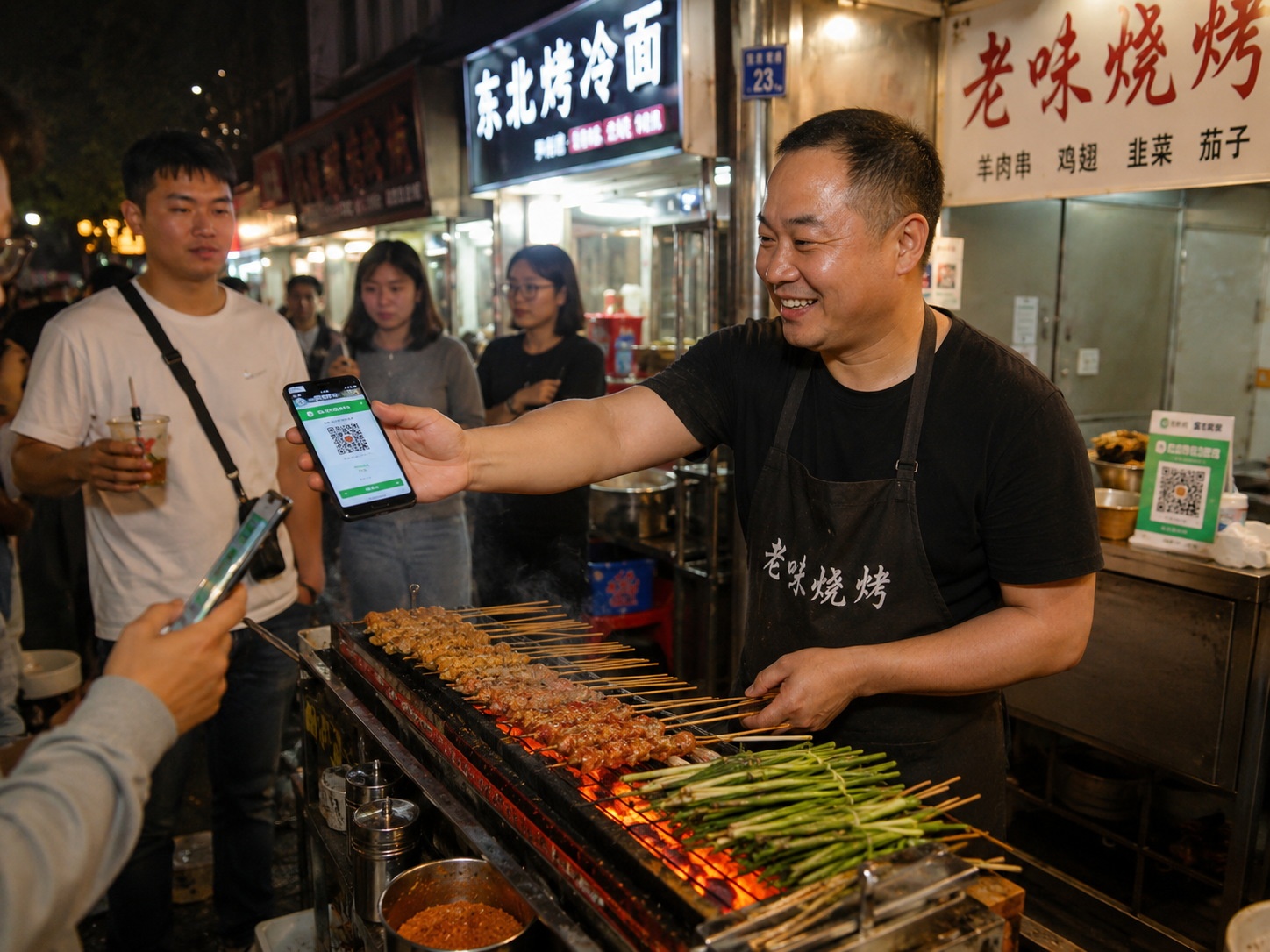
The variety is staggering. I watched a vendor near Li Wei’s table flip skewers with one hand while settling a digital payment with the other. His stall, “Old Wang’s BBQ,” has been here for five years. The charcoal grill is blackened with use, but the hygiene is surprisingly strict. Every skewer is sealed in clear plastic before being handed to customers.
“We changed to plastic seals two years ago,” Wang explains, wiping his counter. “People care about cleanliness now.” This shift reflects a broader trend in Chinese street food: the modernization of traditional vendors. It’s no longer just about cheap calories; it’s about quality, consistency, and safety.
The efficiency is another marvel. From the moment you point at a menu board filled with neon lights to the moment the food lands on your table, it takes less than three minutes. There is no waiting for a waiter, no tipping, and no complex ordering systems. You scan a QR code, order, and eat.
More Than Just Food
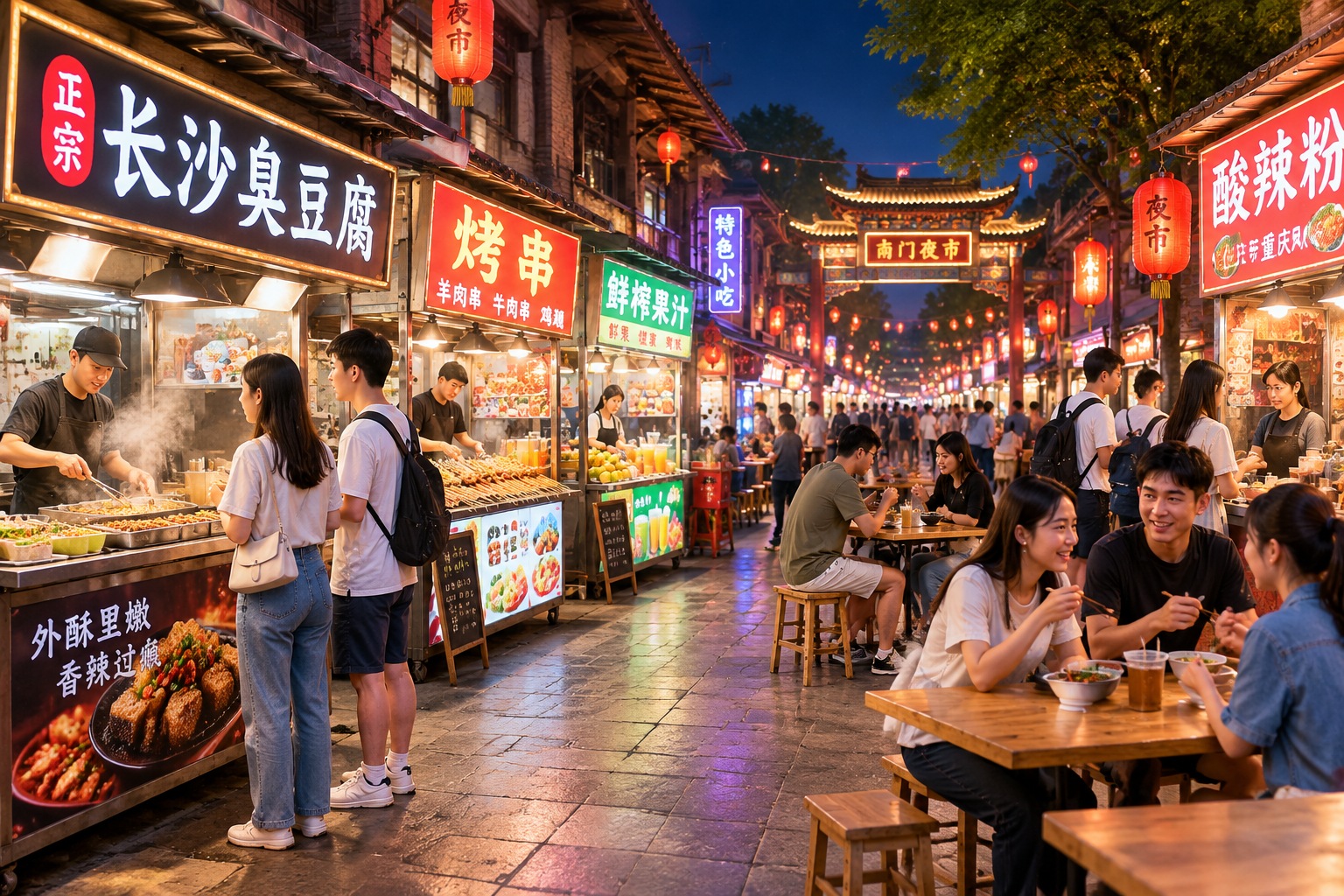
For locals like Li Wei, the night market is a social equalizer. Here, a CEO sitting next to a delivery driver sharing the same narrow aisle is common. The food is the great leveler. The spiciness of the crayfish or the heat of the noodles creates a shared physical experience that breaks down social barriers.
“I come here after coding all day,” Li says, picking up his second beer. “My brain is tired. But eating this… it wakes me up.”
The $10 budget isn’t just about affordability; it’s about accessibility. In cities where rent and housing costs are high, night markets offer a rare space where leisure is cheap and abundant. It is a testament to the resilience of China’s street-level economy, which continues to thrive despite the rise of e-commerce and high-end dining.
Final Bite
As we finish our meal, the charcoal fires burn low. The noise fades slightly as people begin to leave, heading home or to karaoke bars. Li Wei stands up, stretching his legs. “Same time next week?” he asks. It’s a simple question, but it captures the essence of Chinese night culture: food is not just fuel; it is the rhythm of daily life.
Start the discussion at forum.chinacomes.com