
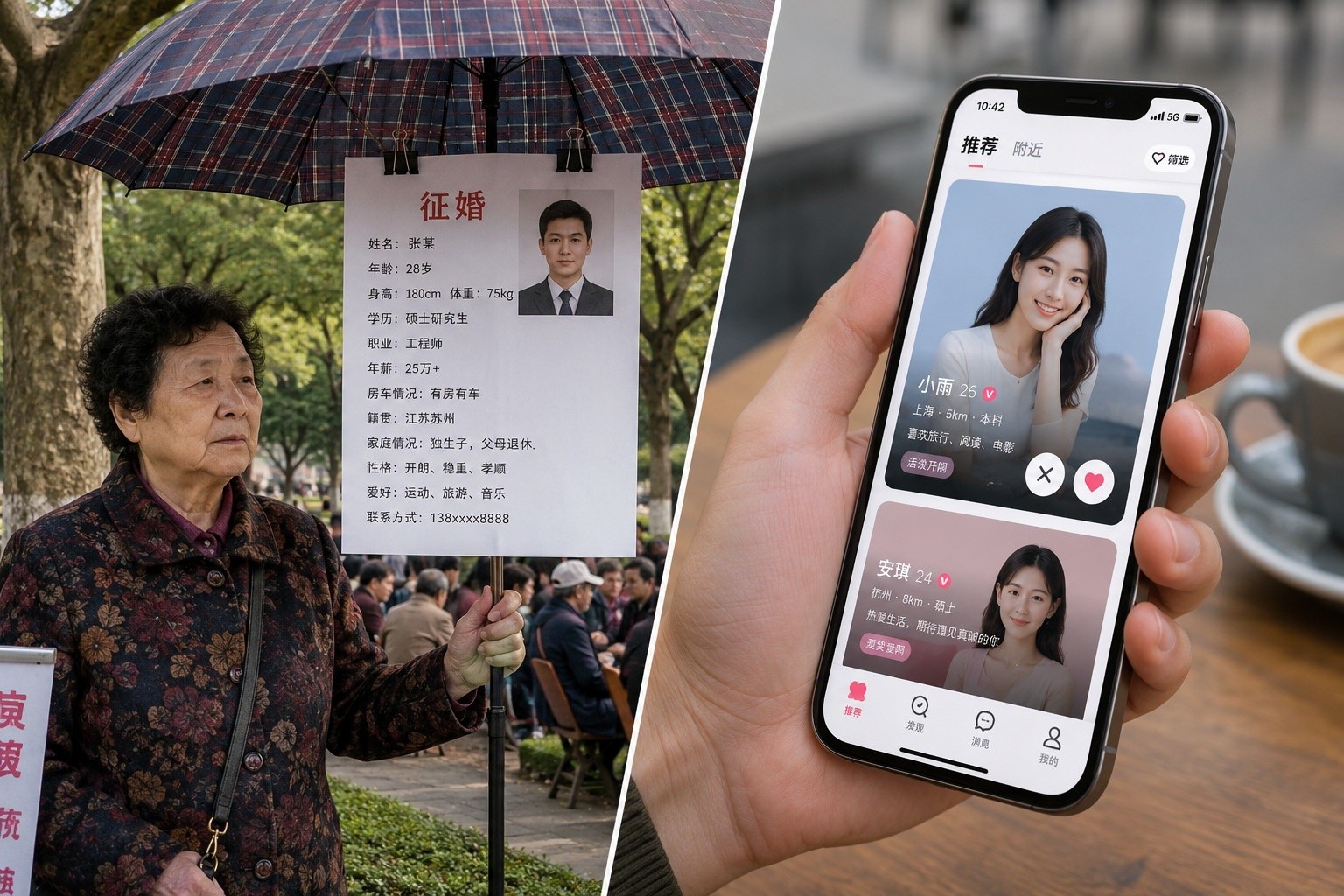

The Auntie in the Park vs. The App in the Pocket
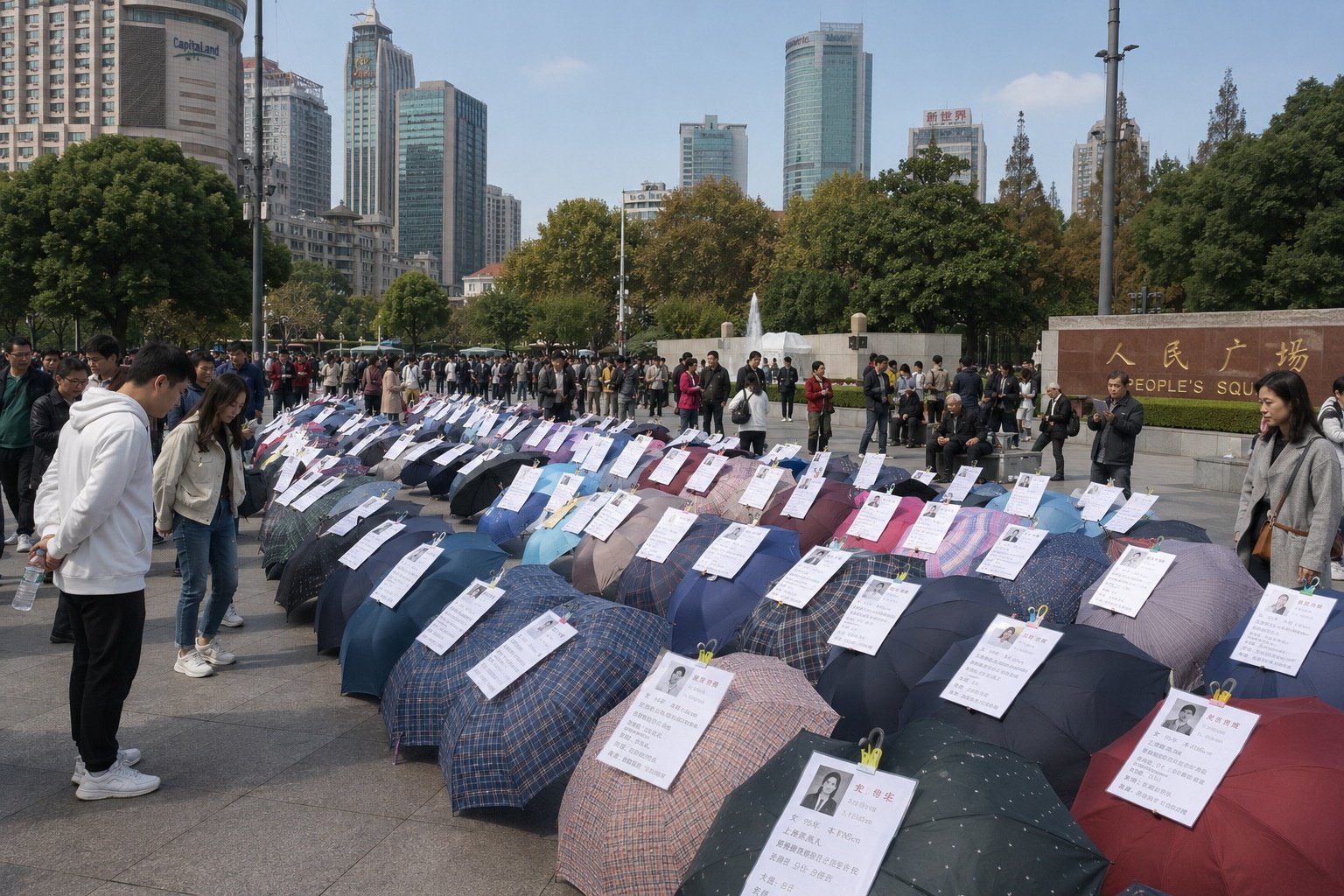
Walk through People’s Square in Shanghai on a weekend morning, and you might stumble upon a surreal scene. Under the shade of ancient trees, hundreds of umbrellas are planted in the ground. Each umbrella holds an A4 sheet of paper featuring a young person’s photo, age, education, income, and even their mother’s expectations for a daughter-in-law. These are not job postings; they are marriage market resumes, managed by “aunties” (middle-aged women) who act as professional matchmakers.
For decades, this was the dominant way young Chinese found partners. It was efficient, pragmatic, and brutally honest about financial stability. But today, the real action has moved from the park benches to smartphone screens. The aunties are still there, but for most Gen Zers (those born after 1995), the new matchmaker is an algorithm.
Love as a Data Problem
To understand why algorithms replaced aunties, you have to look at the scale. China has more than 1.2 billion internet users. The number of active dating app users has surpassed 50 million. No amount of umbrella-holding can manage that volume.
Apps like Tantan, Momo, and the increasingly popular Soul use a mix of swiping mechanics and deep-learning profiling. When you sign up, you don’t just upload a photo; you feed the system data. Your interests, your music taste, your location history, and even your chat patterns are analyzed to build a “persona tag.” The goal is simple: reduce the friction of finding someone compatible.
In this new logic, dating is treated like an e-commerce transaction. You filter by height, income, education, and city. The efficiency is undeniable. A young professional in Beijing can potentially match with thousands of people in their area within minutes. But this efficiency comes with a hidden cost: choice overload.
The Paradox of Infinite Choice
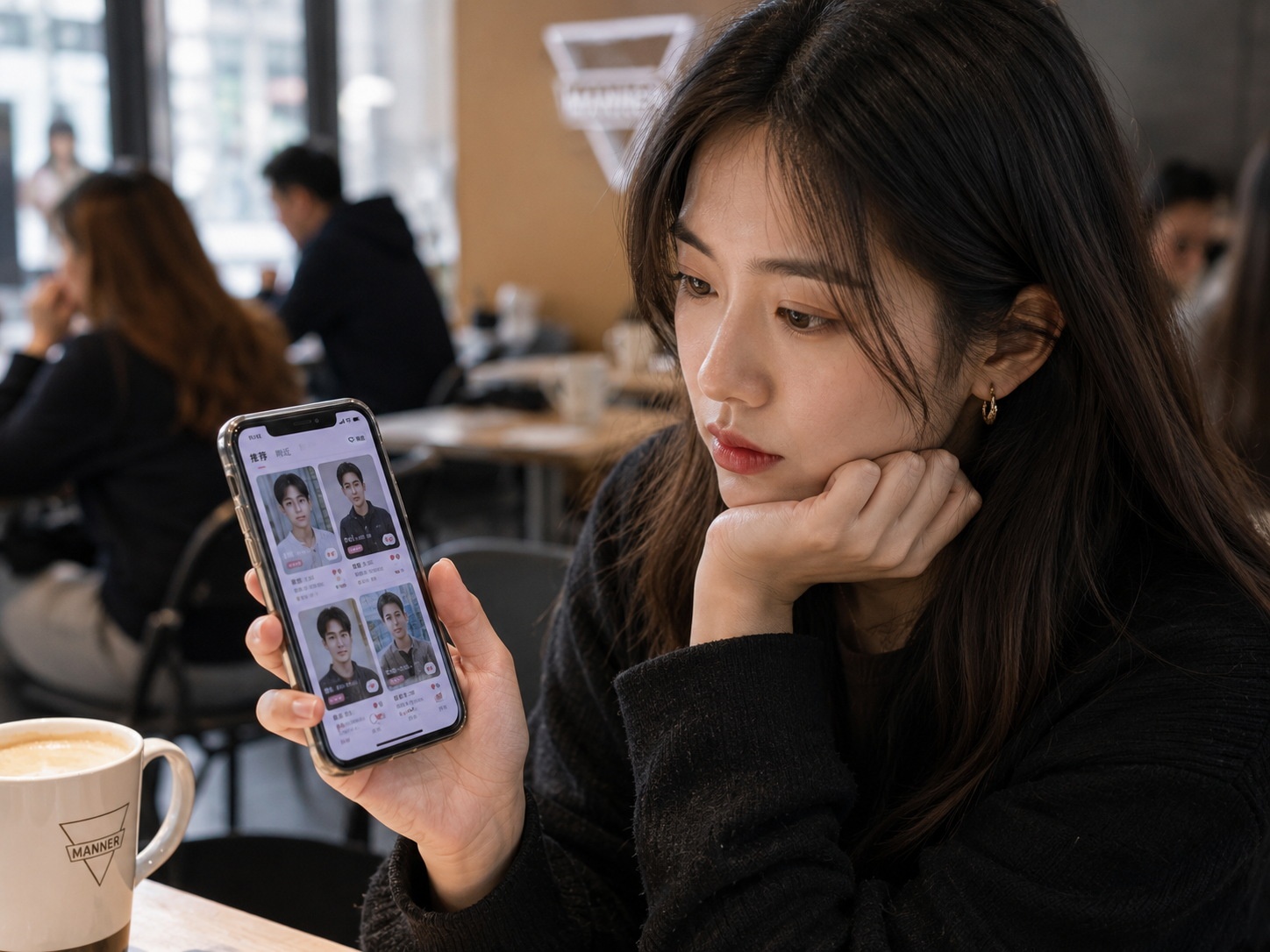
Psychologists call it the “paradox of choice.” When you have five options, you make a decision. When you have 500, you get paralyzed. For many Chinese young people, dating apps have created a culture of “fast food love.”
Users report a phenomenon known as “ghosting” or “breadcrumbing”—where someone shows minimal interest just to keep you on the hook, then disappears. The swipe left/right mechanic encourages judging people in under three seconds based on appearance and bio snippets. This has led to a rise in “impression management,” where users curate their profiles to look like a perfect product rather than a complex human.
“I feel like I’m shopping for shoes,” says Lin, a 26-year-old marketing manager from Hangzhou. “You see the brand, the price, and the picture. But you don’t know if it fits until you try it on. And by the time you take it off, you’re already looking at the next pair.”
This “sea king” (haiwang) culture, a term for men who date multiple people simultaneously with no intention of commitment, is often blamed on apps. But it’s also a symptom of the low stakes environment. When matches are abundant, commitment feels optional.
Algorithmic Loneliness and the Search for “Soulmates”
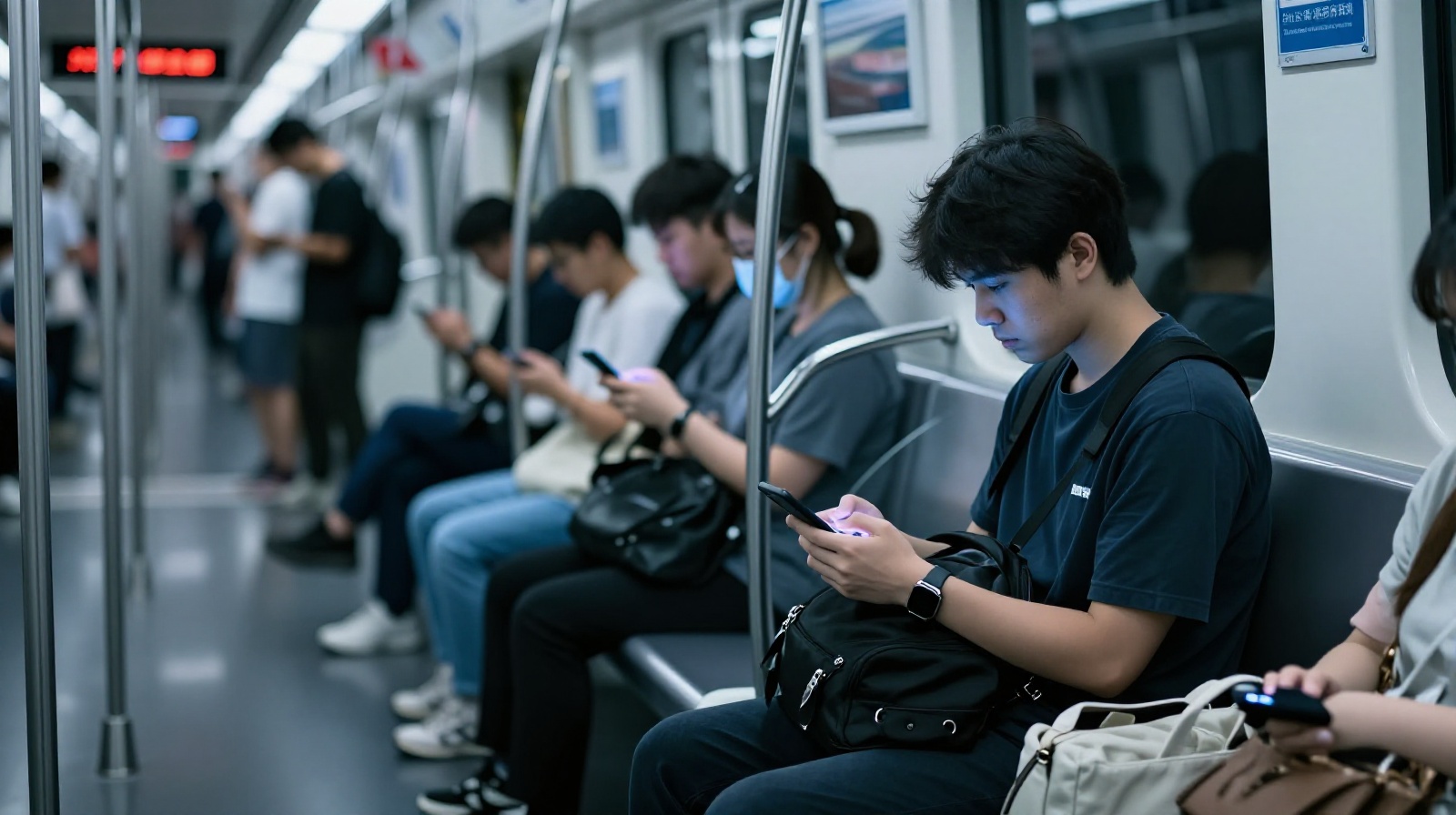
There is a growing irony in China’s digital dating scene. While technology promises to connect people, many Gen Zers report feeling more isolated than ever. The algorithm is designed to maximize engagement, not necessarily happiness. It keeps you swiping by showing you people who are *almost* your type, but not quite, triggering a dopamine hit that keeps you coming back.
This has led to a bifurcation in dating culture. On one side, there is the hyper-efficient, data-driven matching for serious relationships. On the other, there is the rise of niche communities on platforms like Soul, where users prioritize “soul matching” based on personality quizzes and voice chats over photos. Here, the algorithm tries to bypass physical attraction entirely to find emotional resonance.
Young people are increasingly critical of the commodification of romance. They worry that reducing a person to a set of tags—”height 180cm,” “has car,” “likes anime”—strips away the mystery and spontaneity that often spark genuine connection. There is a longing for the “slow love” that algorithms struggle to quantify.
Balancing Efficiency with Humanity
So, where does this leave love in China? It’s not a simple story of technology destroying romance. Instead, it’s a negotiation. Gen Z is learning to use algorithms as tools, not masters.
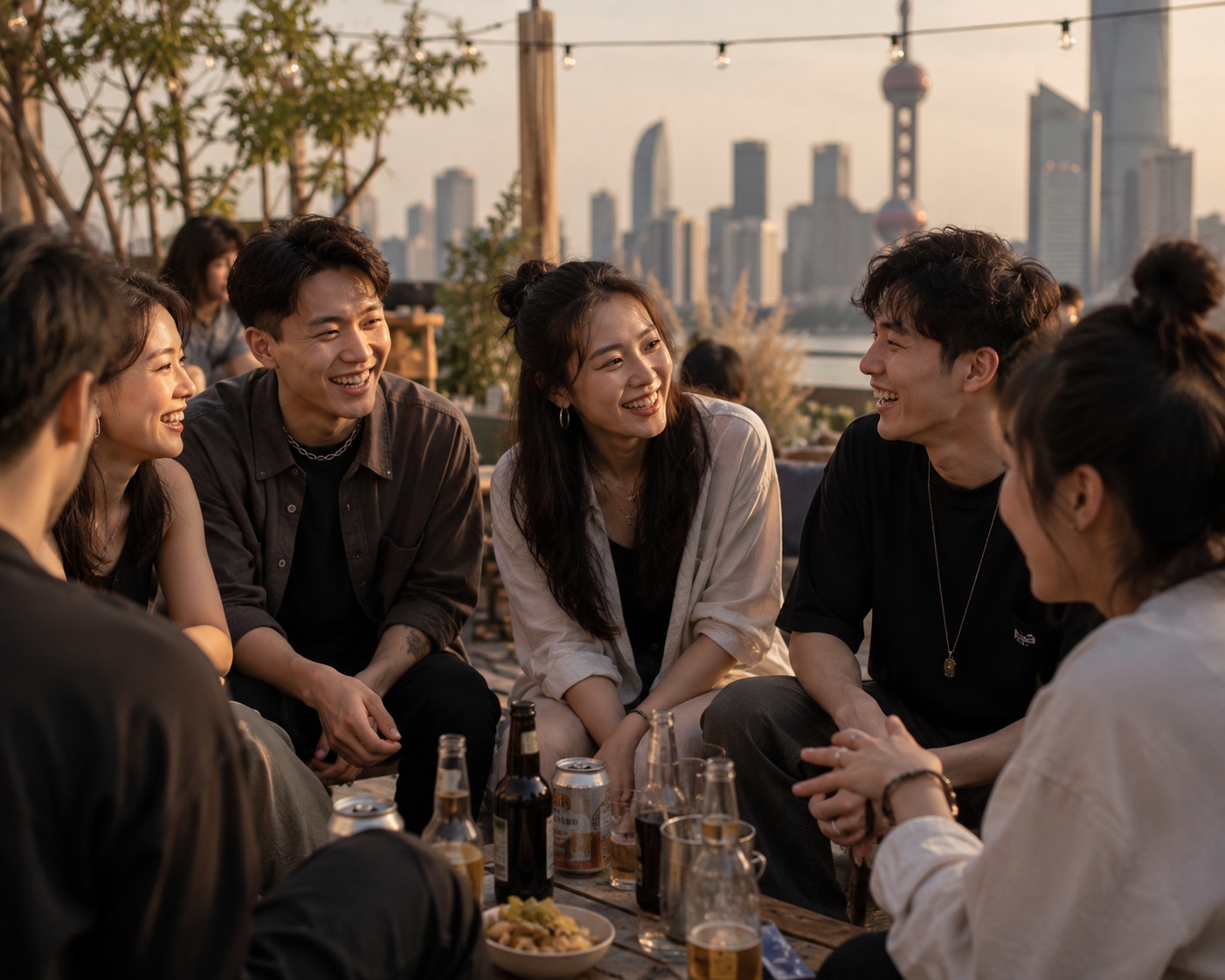
We are seeing a trend where users deliberately limit their app usage, taking “digital detox” breaks to reconnect with themselves and offline social circles. There is also a revival of interest in hobby-based communities—hiking groups, board game cafes, and book clubs—where connections form naturally, without the pressure of a matchmaking algorithm.
The aunties in the park may seem outdated, but their core instinct—vetting for stability and shared values—is still relevant. The difference is that today’s年轻人 (young people) have the data to make those vetting decisions themselves, instantly. The challenge for the future isn’t just about finding a match; it’s about deciding what kind of relationship you actually want in a world where everything is one swipe away.