

The Weekend Ritual: From Fast Food to Slow Dining
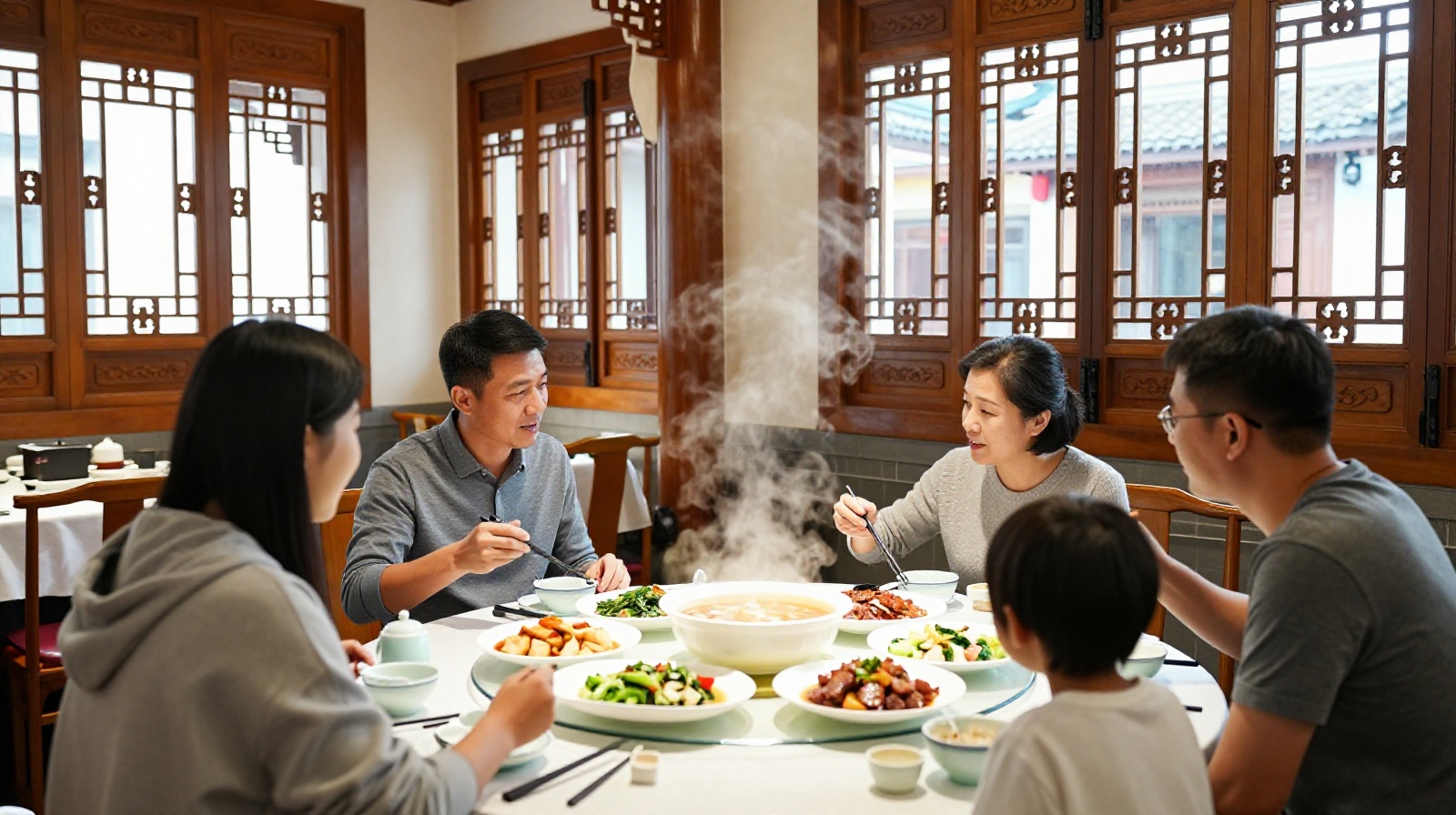
It is Saturday evening in Shanghai. The usual chaos of the workweek has faded, but the digital noise remains. In a quiet corner of a modern restaurant, a family of four sits around a round table. Unlike the hurried lunch breaks of weekdays, where colleagues often eat alone while scrolling through phones, this dinner is different. There are no laptops open. No notifications buzzing on the table. Instead, there is a clay pot of steaming stew and a plate of braised pork belly, slowly cooling.
This scene is becoming increasingly common among China’s urban middle class. Over the past three years, dining habits have shifted noticeably. The era of ordering heavy, spicy Sichuan hotpot just to “burn off” stress is giving way to a preference for slower, more deliberate meals. At the center of this shift is Huizhou cuisine (Hui cuisine), a regional style originating from Anhui province that is quietly redefining what a “premium” family dinner looks like.
Demystifying the Flavor: Less Spice, More Depth
For many overseas readers, Chinese food might immediately bring to mind fiery chilies or heavy garlic. Huizhou cuisine offers a stark contrast. It is not about shock value; it is about umami and time.
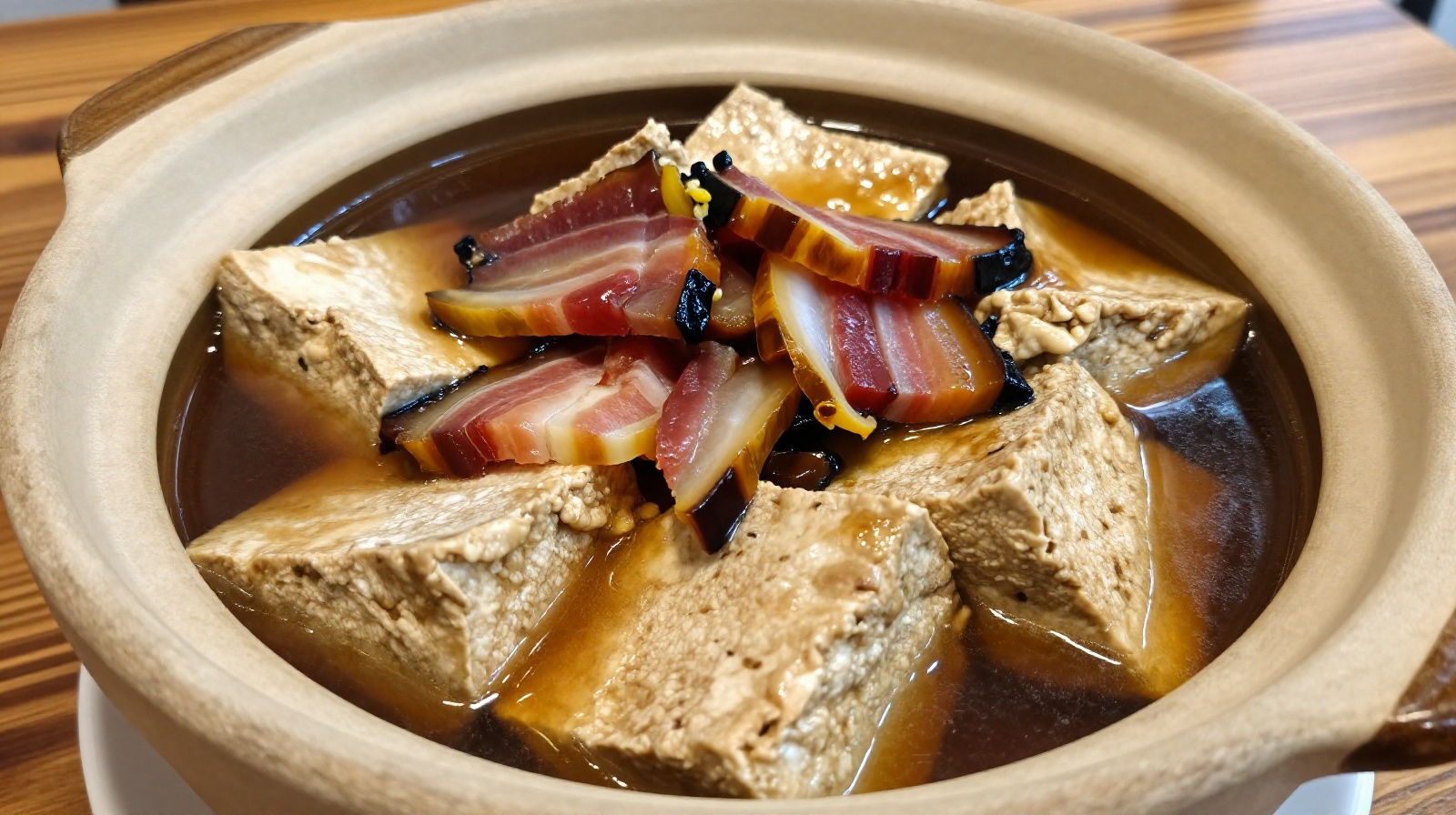
The hallmark of Hui cuisine is its use of wild herbs, seasonal vegetables, and preserved meats. Think of it as the “slow food” movement of Chinese regional cooking. A signature dish, Stewed Tofu with Preserved Meat, relies on the natural fermentation of local soybeans and the savory depth of aged pork. Another classic, Braised Pork Belly with Wild Bamboo Shoots, balances the richness of the meat with the crisp, earthy bite of spring vegetables.
This flavor profile aligns with a growing health consciousness. As China’s middle class becomes more educated about nutrition, there is a move away from overly oily or artificially flavored foods toward ingredients that taste like themselves. Huizhou cuisine’s emphasis on braising and stewing—methods that retain nutrients and enhance natural flavors—appeals to parents who want to treat their children to something special yet wholesome.
The Middle-Class Appeal: Authenticity in a Globalized World
Why now? Why Huizhou? The answer lies in the social psychology of China’s rising middle class. For decades, dining out was often about face—showing off expensive seafood or imported wines to signal status. But as economic growth stabilizes, the definition of luxury is changing.
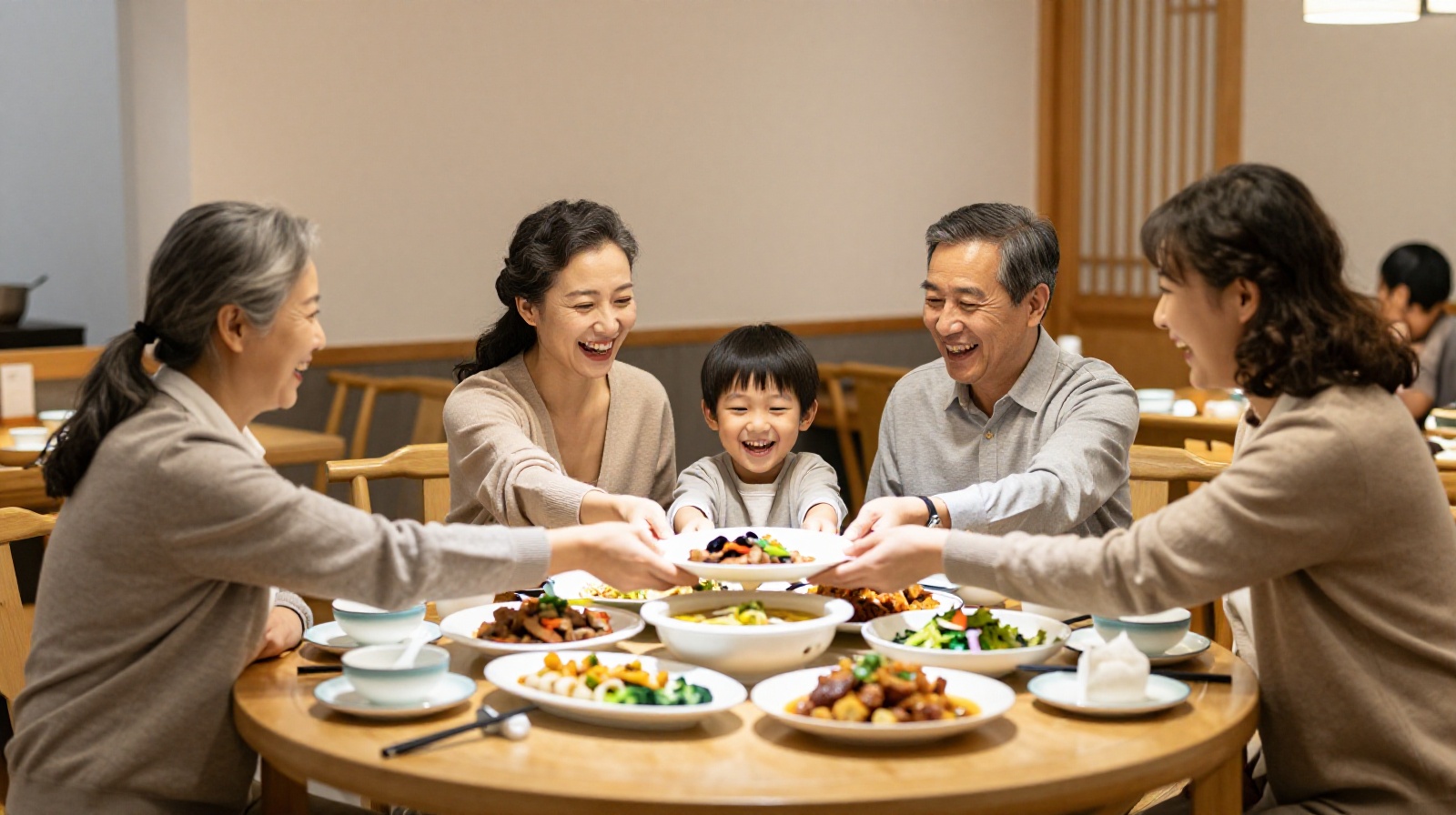
Sharing large, family-style platters encourages conversation and connection, countering the isolation of digital life.
Today’s urbanites are not looking for flashy logos; they are looking for authenticity. Huizhou cuisine, with its roots in ancient merchant culture and traditional village life, offers a sense of heritage. It feels grounded and real, a counter-narrative to the homogenized global fast-food chains that dominate city centers.
Moreover, it fits the “health-first” mindset. In a society where urban stress is high and environmental concerns are growing, food that is perceived as natural, organic, and locally sourced carries significant value. A meal of Huizhou cuisine is not just about eating; it is a way to connect with a slower, more traditional rhythm of life that many feel is disappearing in rapid urbanization.
Social Dynamics: Reclaiming the Table
Beijing-based marketing analyst Li Wei explains this trend by looking at family dynamics. “In the past, we ate together but didn’t talk. Now, we choose restaurants where the food requires time to eat and share,” Li says.
Huizhou dishes are often served in communal pots or large platters, necessitating a “family-style” sharing model. This structure forces interaction. You cannot eat quickly; you must wait for others, pass dishes, and comment on the flavors. In an era where we spend hours in virtual meetings and exchange messages via text, the physical act of sharing a meal becomes a rare form of genuine communication.
This is not just about food; it is about attention. The slow, savory nature of the cuisine discourages rushing. It creates a natural pause button in the day, allowing families to reconnect without the distraction of screens. For many middle-class parents, this is the primary goal of the weekend dinner: to ensure their children are not just fed, but heard.
Beyond the Plate: A Shift in Consumption Habits
The rise of Huizhou cuisine is a microcosm of China’s evolving consumption landscape. It signals a move from conspicuous consumption (buying things to show off) to conscious consumption (buying things that align with values like health, heritage, and experience).
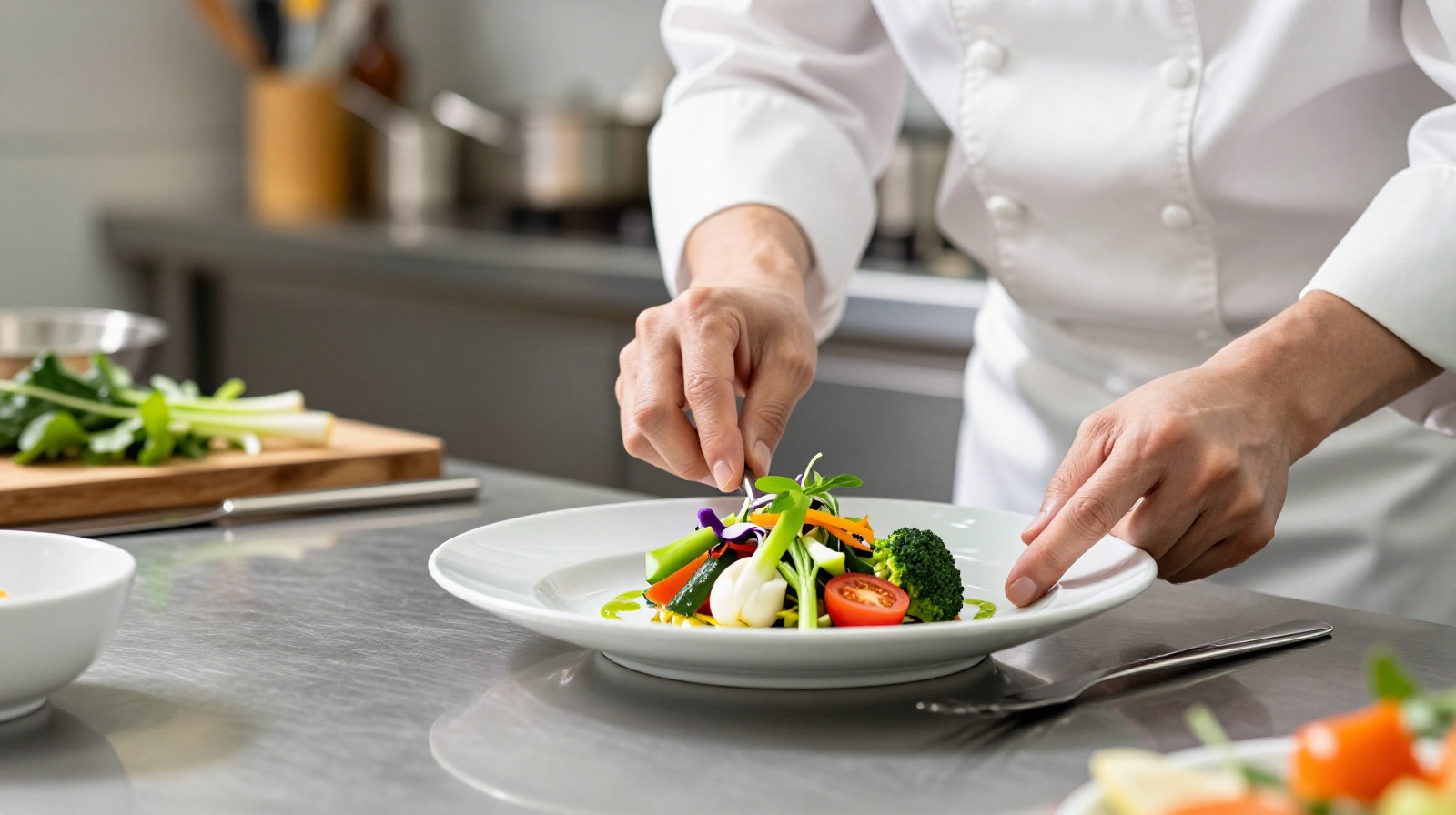
Restaurants specializing in Hui cuisine are often located in quieter, culturally rich neighborhoods rather than the loudest shopping malls. They prioritize ingredient sourcing over flashy decor. This shift suggests that China’s middle class is becoming more discerning. They are willing to pay for quality and story, not just brand name.
As China continues to modernize, this trend is likely to grow. It reflects a society that is confident enough in its economic standing to look inward, valuing the subtleties of tradition over the noise of global trends. For the Chinese middle class, the weekend family dinner is no longer just about filling a stomach; it is about nourishing a connection.