
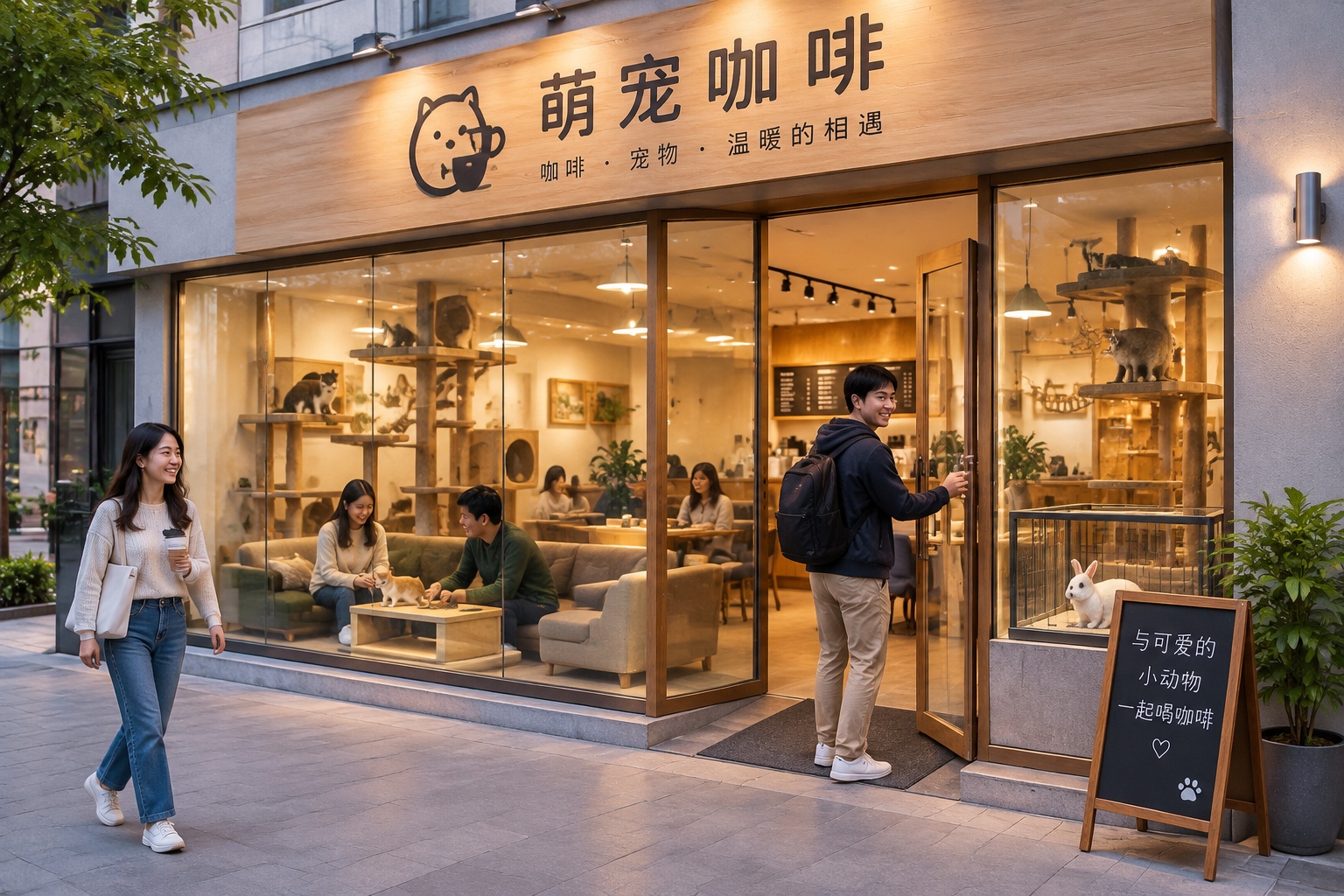

Pushing Past the Velvet Curtain
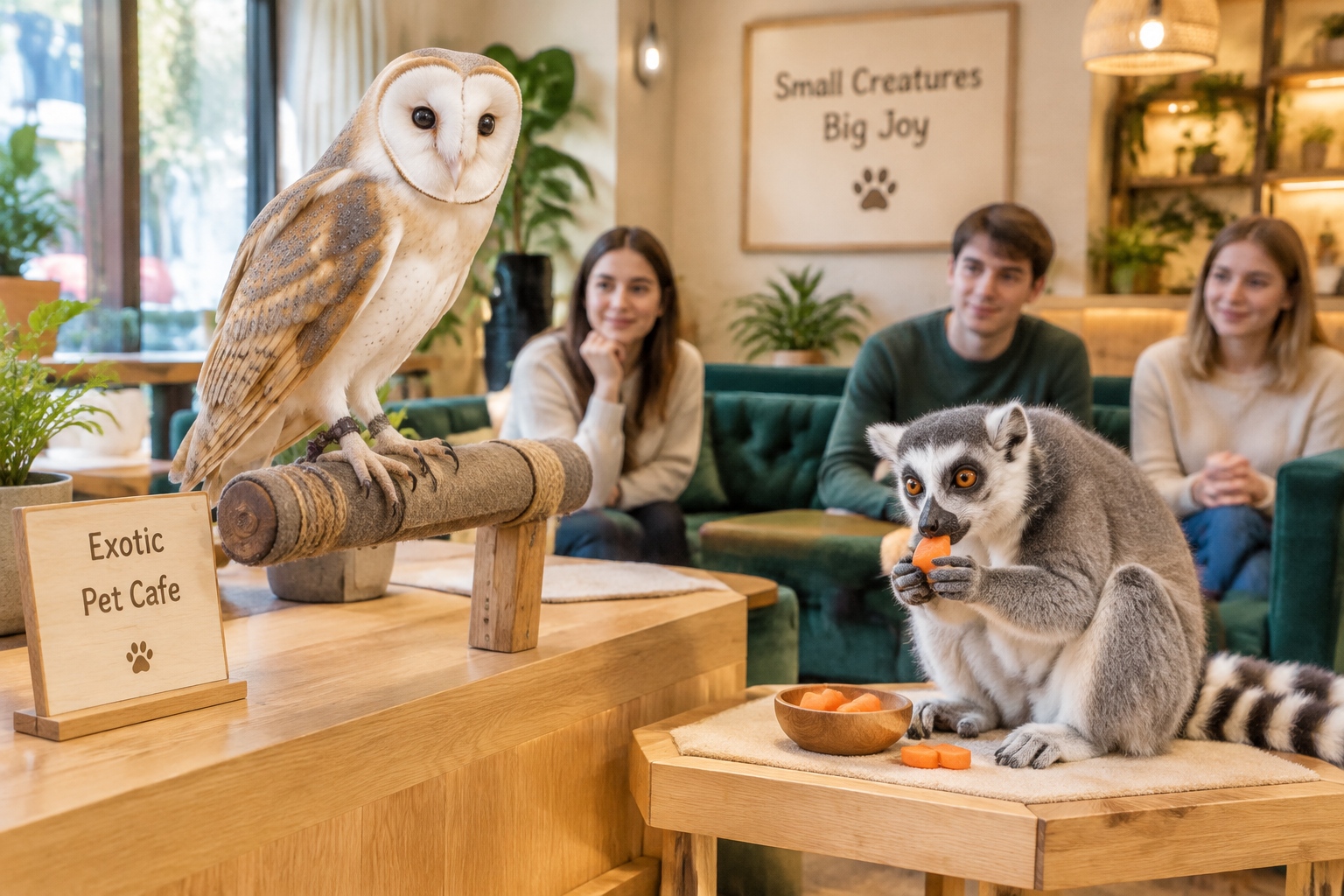
Push past the heavy wooden door in a renovated Shanghai lane house, and the first thing you notice isn’t the aroma of roasted beans. It’s a soft, rhythmic hoot echoing from the ceiling beams. A barn owl lands on a padded branch above the counter, while nearby, a ring-tailed lemur picks at a slice of carrot. On a velvet sofa, a university student in an oversized knit sweater watches, phone camera lowered for the moment. This is not a wildlife documentary. It is one of dozens of “exotic pet cafes” now scattered across Chinese megacities, quietly reshaping how young urbanites seek comfort and connection.
The Anatomy of an Exotic Pet Lounge
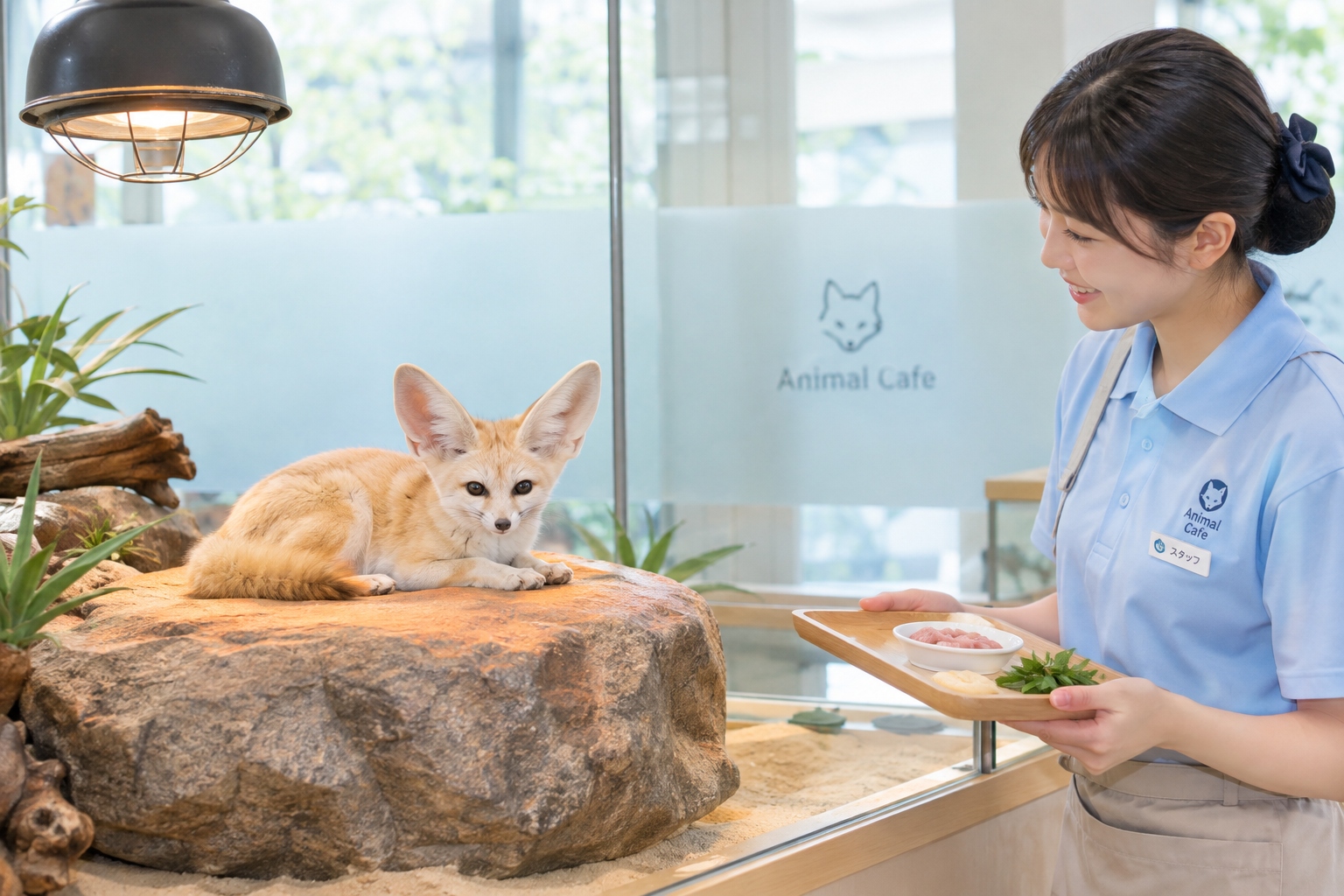
These spaces deliberately step away from the familiar meows and barks that dominate traditional cat or dog lounges. Instead of standard seating, they feature climate-controlled terrariums, climbing vines, and sound-dampened corners designed for nocturnal residents. You might find Fennec foxes with oversized ears lounging on heated rocks, or alpacas grazing on clover in a sunlit atrium. The layout prioritizes observation as much as interaction. Staff guide visitors through strict protocols: no sudden movements, specific feeding windows, and mandatory handwashing stations at the entrance. The atmosphere feels less like a traditional petting zoo and more like a curated nature lounge, where silence is often encouraged to keep the animals calm. The design itself tells a story of urban adaptation—repurposing industrial lofts or heritage buildings into vertical habitats that mimic natural ecosystems without requiring outdoor space.
Filling the Urban Emotional Gap
The rise of these venues taps into a very specific city reality. In megacities like Beijing, Shanghai, or Shenzhen, average apartment sizes are shrinking, and many residential complexes ban pets outright due to noise complaints or property management rules. Young professionals frequently work sixty-hour weeks, leaving little room for the daily commitment of walking a dog or cleaning a litter box. These cafes offer a low-stakes emotional outlet. For a two-hour window, you can hold a slow-moving sloth or watch a raccoon bat at a puzzle toy. It is the physical evolution of “cloud petting” (云吸宠), a digital habit that has become deeply ingrained among Chinese youth. The experience provides a mental reset, a few minutes of tactile calm before heading back to high-speed work cultures and crowded subway lines. In an era often described as the “healing economy,” these cafes market themselves not just as entertainment, but as accessible mental health pauses. They fill a void that traditional socializing cannot: interaction without obligation.
Walking the Line Between Commerce and Care
But the novelty comes with strict legal and ethical boundaries. China’s wildlife protection framework has tightened significantly over the past few years. The revised Wildlife Protection Law strictly regulates the capture, breeding, and public display of native wild species. Most commercial cafes now operate by sourcing legally captive-bred animals, focusing on non-endangered mammals and birds that can be registered for commercial companion use. Still, the industry faces ongoing scrutiny. Animal welfare advocates point out that forcing naturally shy or nocturnal creatures into constant public exposure can cause chronic stress and behavioral issues. Some operators hire full-time veterinarians, limit daily visitor caps to twenty, and rotate animals on strict rest schedules. Others cut corners to maximize turnover, leading to public backlash and temporary shutdowns. Municipal authorities have begun requiring regular transparency logs for animal health and breeding origins. It is a sector learning its limits in real time, caught between commercial ambition and ecological responsibility. The conversation is shifting from “how rare can we get?” to “how sustainable is this model?”
The Gen Z Search for Unique Social Spaces
Why the sudden boom? Chinese youth are driving a decisive shift from material consumption to experience-based spending. Social platforms like Xiaohongshu reward highly visual, shareable moments. An exotic pet cafe offers social currency that a standardized coffee chain simply cannot provide. It is about breaking away from the homogenized mall aesthetic and finding a space that feels personally curated. Unlike Japan’s decades-old cat cafes or Europe’s therapy dog programs, which emphasize long-term companionship or therapeutic value, China’s version moves at breakneck speed. Concepts are copied, refined, and replaced within months. The focus is less on lifelong animal bonding and more on fleeting, highly aesthetic encounters that double as content for social feeds. Ticket prices typically range from 98 to 168 yuan for a two-hour session, positioning these cafes squarely in the mid-tier lifestyle market rather than mass entertainment. What distinguishes them from Western petting zoos or therapy centers is the emphasis on digital integration. Visitors don’t just leave with memories; they leave with highly edited photos and short-form videos optimized for algorithmic feeds. This shift has forced operators to invest heavily in lighting, backdrops, and staff trained in mobile photography.
A Mirror of Modern Urban Life
These venues will likely never replace traditional pet ownership in China. Licensing hurdles, housing restrictions, and the sheer responsibility of animal care keep most people from bringing a pet home. But they fill a precise emotional and social niche. They reflect a generation that craves connection in dense, fast-moving cities but navigates it through controlled, temporary experiences. Walking out of one of these spaces, you might find yourself scrolling through photos on your phone, already planning your next visit to a different species. The trend is unlikely to vanish, but it will probably mature. As regulations tighten and consumer expectations rise, the novelty will fade, leaving behind a more sustainable model for urban wildlife interaction. For now, they remain a quiet rebellion against the routine—a place to pause, observe, and remember that life outside the screen has its own rhythms.

Start the discussion at forum.chinacomes.com