

The Quiet Revolution on the Ground Floor
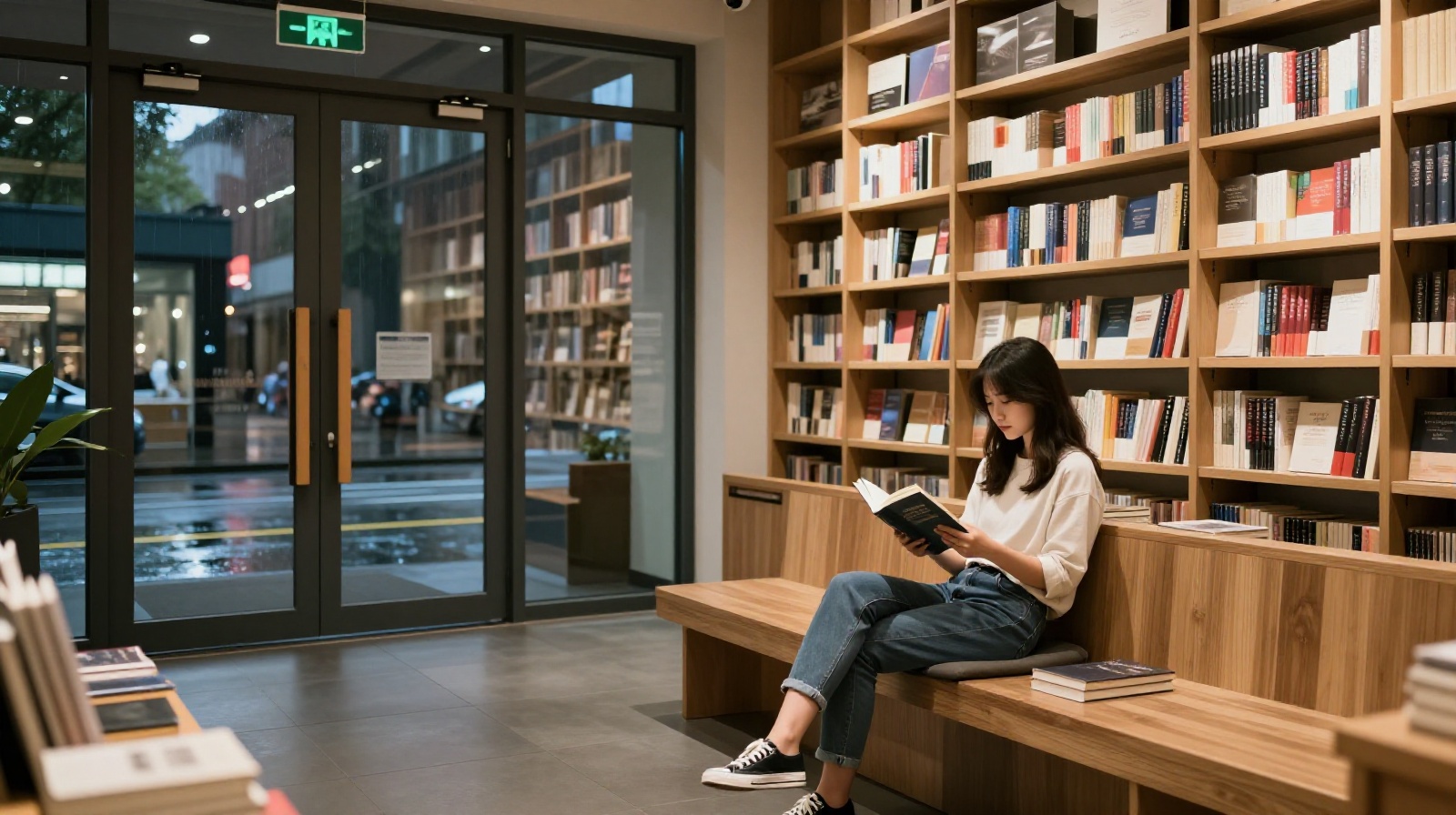
It’s 11:30 p.m. in Hangzhou. The rain has just stopped, and the street outside is mostly empty except for a delivery scooter idling near the curb. Push open the glass door of a local bookstore, and the noise of the city drops away. Inside, the air smells like paper and roasted coffee. A university student is hunched over a thick economics textbook, a half-empty thermos beside her. Two floors down, a freelance graphic designer taps away on a laptop, headphones on but volume low. In the corner, a father helps his daughter trace the letters of a picture book. The lights are warm, the chairs are soft, and no one is rushing to buy anything. They are just staying.
This is what Chinese urbanites increasingly call a city living room. Unlike traditional retail spaces that operate on strict opening hours, 24-hour bookstores have carved out a new category of public infrastructure. In sociology, they fit the definition of a third place—a social setting separate from home and work where community can form without pressure. In China’s fast-paced cities, where high rents and long commutes leave little room for lingering, these spaces offer something rare: unstructured time and affordable comfort. They don’t just fill a gap in retail; they fill a gap in urban rhythm.
More Than Retail: Designing a Third Place
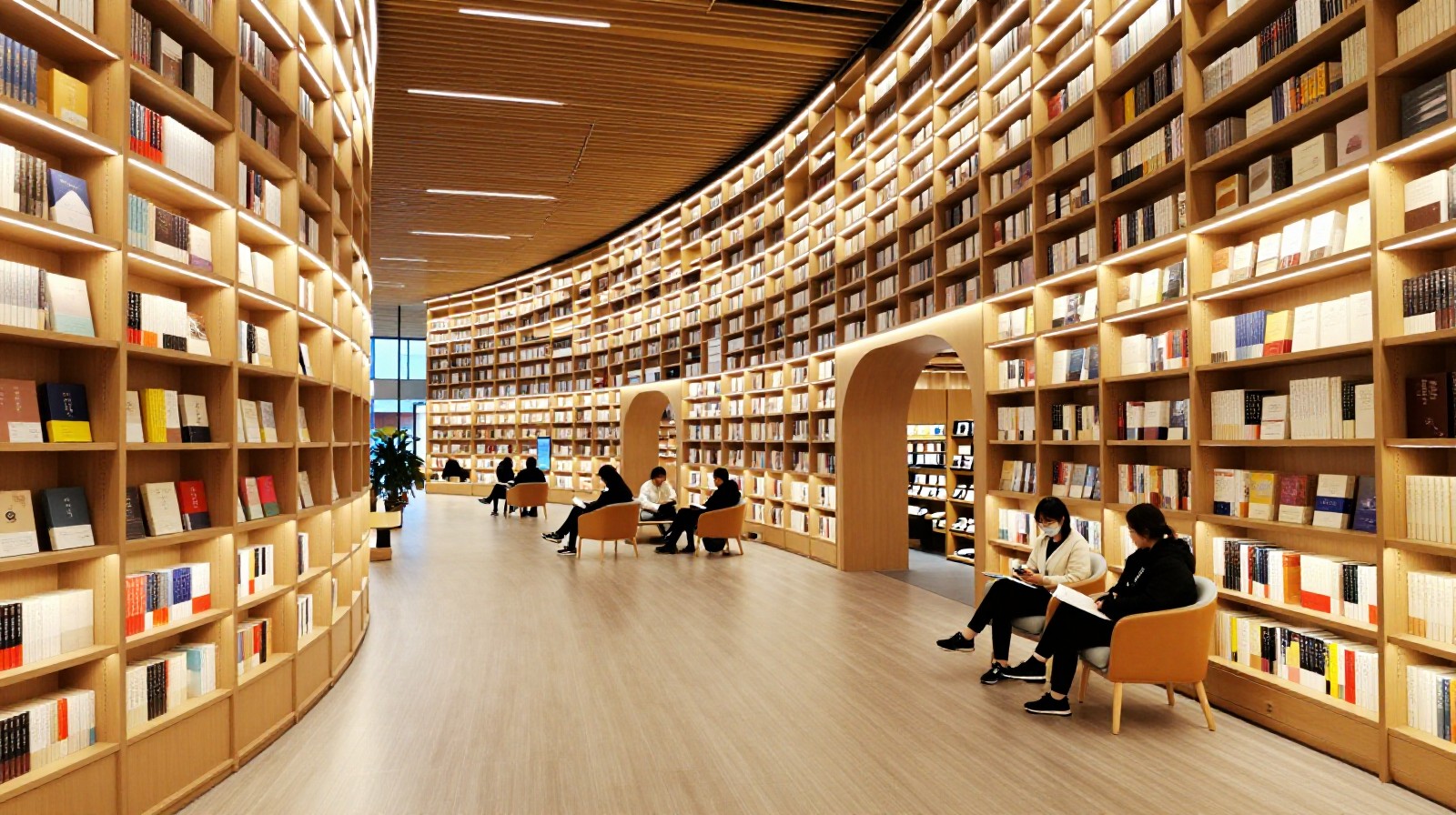
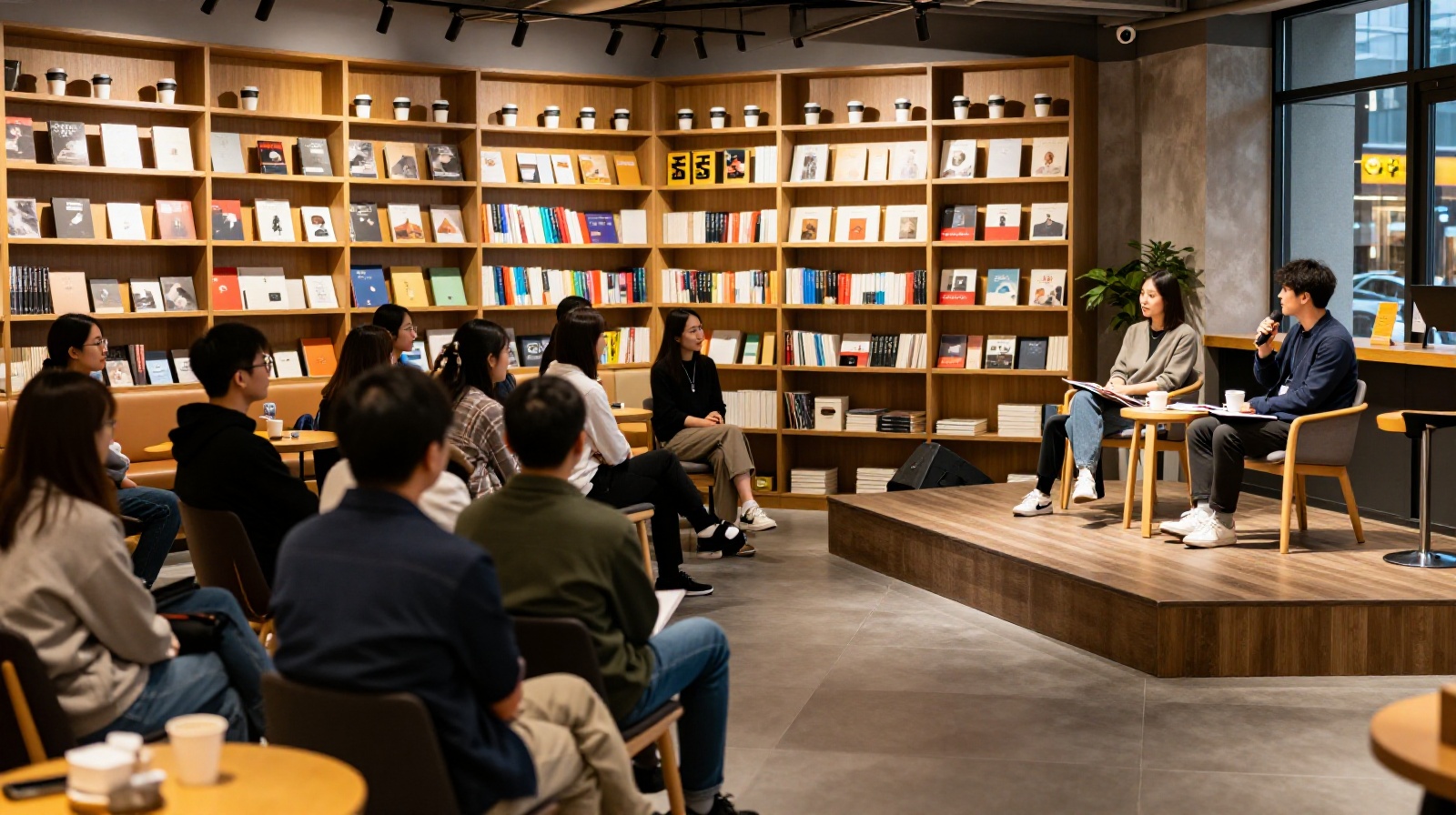
Walk into a typical 24-hour bookstore in a tier-two or tier-one city, and you’ll notice the design is highly intentional. Shelves are arranged not to maximize inventory, but to create pathways. Double-height ceilings draw the eye upward, while recessed reading nooks with built-in lighting encourage people to sit for hours. Many chains have abandoned the old supermarket-style layout in favor of labyrinthine corridors that reward slow wandering. There’s almost always a café corner, a stationery wall, and a small stage for weekend talks. The architecture itself whispers: take your time.
Some locations even feature quiet zones with white noise machines or soft recliners, catering to night-shift workers who need a legitimate place to rest between shifts. Security cameras are present but unobtrusive, and cleaning staff circulate quietly to maintain the atmosphere. The goal isn’t to push customers through quickly; it’s to make them feel welcome enough to lose track of time.
Who Keeps the Lights On? A Community in Stillness
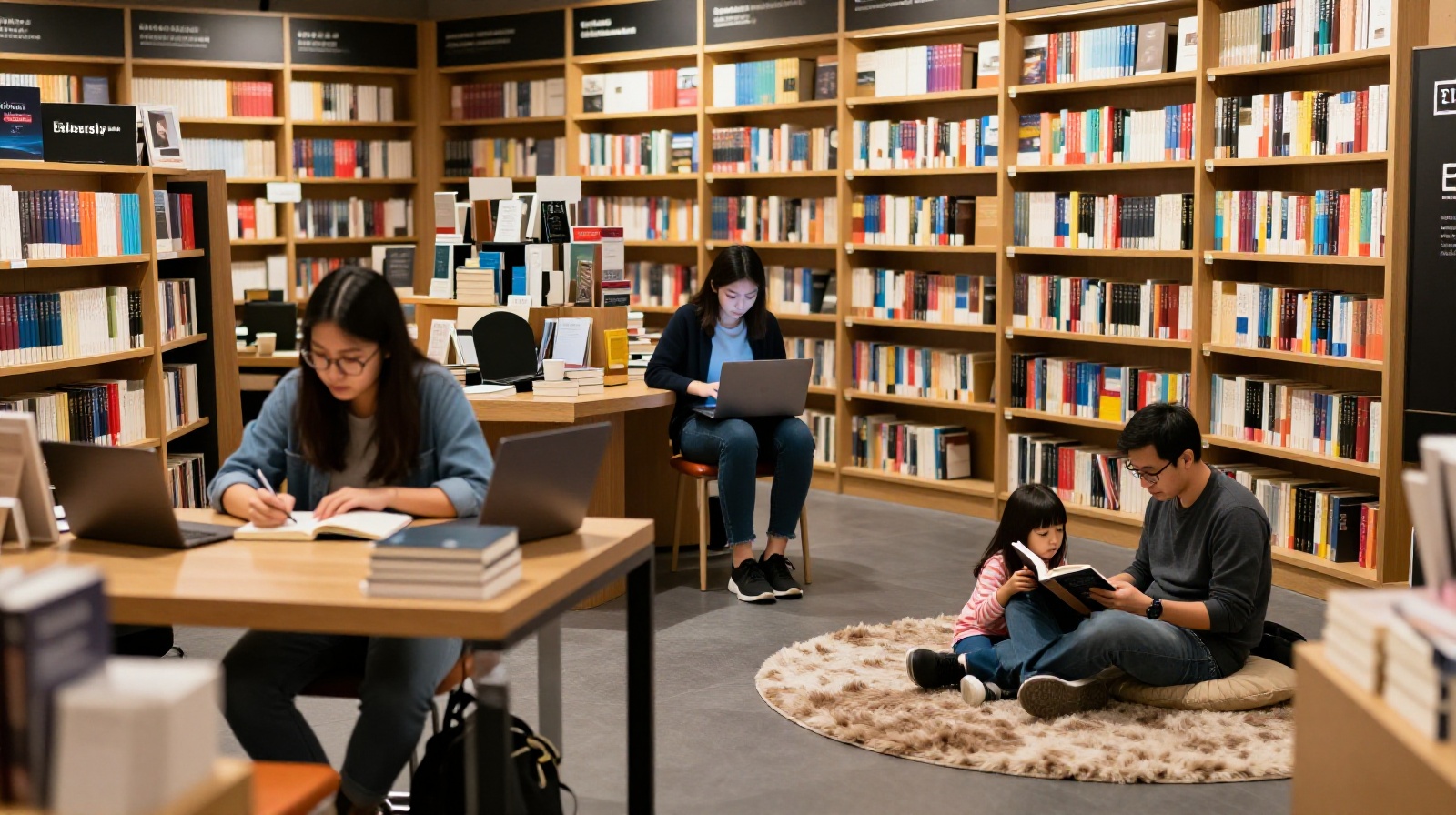
Who actually spends their nights here? The crowd is surprisingly diverse. During exam seasons, the upper floors turn into makeshift study halls for college students and high schoolers preparing for graduate school entrance exams. Freelancers and remote workers treat the Wi-Fi and power outlets like a co-working space with better ambiance. Night-shift nurses, drivers, and insomniacs use the quiet hours to decompress away from crowded subways. On weekends, families with young children fill the lower levels, trading playgrounds for guided reading time.
You won’t hear loud conversations here. The social function of these bookstores is built on quiet coexistence. In a country where public spaces have historically been designed for movement rather than stillness, the 24-hour bookstore offers permission to pause. Regulars recognize staff by name. Volunteers sometimes organize weekend poetry readings or second-hand book swaps. Children learn early that reading isn’t a chore reserved for classrooms; it’s a daily habit woven into city life. For many young professionals escaping the relentless pace of office work, these stores provide a mental reset button.
The Math Behind the Atmosphere
Naturally, running a space open around the clock requires more than idealism. Traditional book retail in China operates on thin margins, and foot traffic for actual purchases has been declining for years. So how do these bookstores survive? The answer lies in a blended revenue model. Beverage sales and light meals cover daily operational costs. Cultural merchandise—notebooks, tote bags, limited-edition prints—carries higher markups and appeals to younger shoppers.
Many locations host paid workshops, author signings, and corporate team-building events. Some cities even offer municipal grants or tax incentives to keep cultural hubs running late, recognizing their value to urban well-being. Books are often priced as a loss leader or a brand anchor, while the real business is selling space, atmosphere, and lifestyle. Membership programs lock in recurring revenue, and data analytics help store managers adjust lighting, seating, and inventory to match local reading habits.
Why Cities Need These Living Rooms
The rise of 24-hour bookstores in China isn’t a nostalgia trip. It’s a practical response to modern urban fatigue. As cities grow taller and screens grow brighter, people are actively seeking physical spaces where they can breathe. These stores have become quiet anchors in otherwise noisy neighborhoods, proving that commercial success and social care don’t have to be mutually exclusive.
Next time you pass a brightly lit bookstore window after midnight, step inside. You might not buy a book, but you’ll likely leave feeling exactly what the city needed you to find: a place to rest.