

The Unexpected Stop at the Night Market
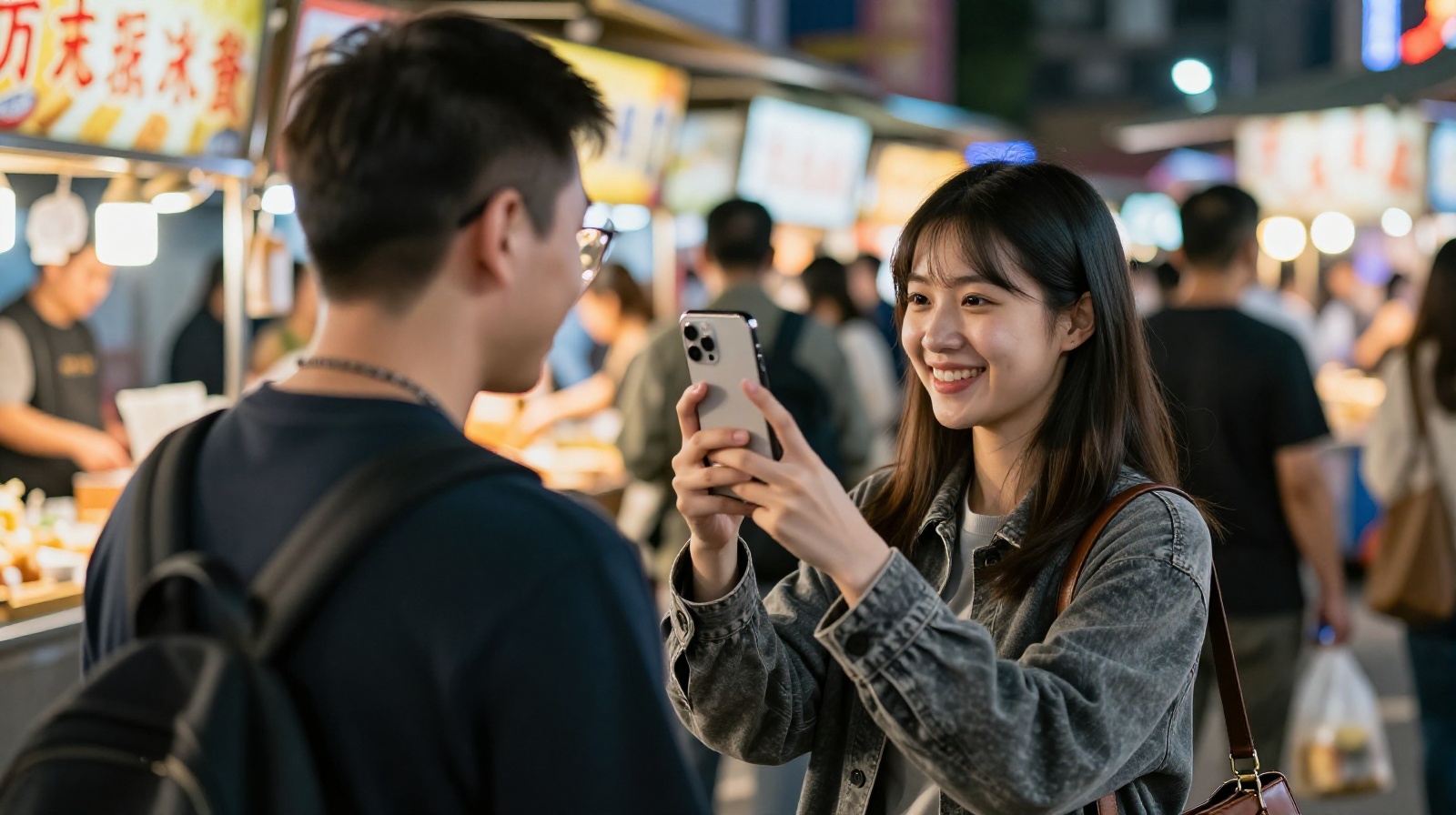
I was eating skewers at a busy night market in Yancheng, a third-tier city in Jiangsu province, when a group of teenagers approached me. They didn’t ask for my WeChat or try to sell me something. One shy girl held up her phone and asked, “Can we take a picture?” Before I could answer, three more people joined, smiling nervously but eagerly.
This scene is common in China’s smaller cities. If you are a foreigner walking down the street in Chengdu, Xi’an, or Kunming, chances are you will be asked to pose for a photo. It can feel intrusive at first, but it is rarely malicious. Often, it is just a sudden burst of curiosity from locals who have rarely seen someone who looks different.
Curiosity, Not Intrusion
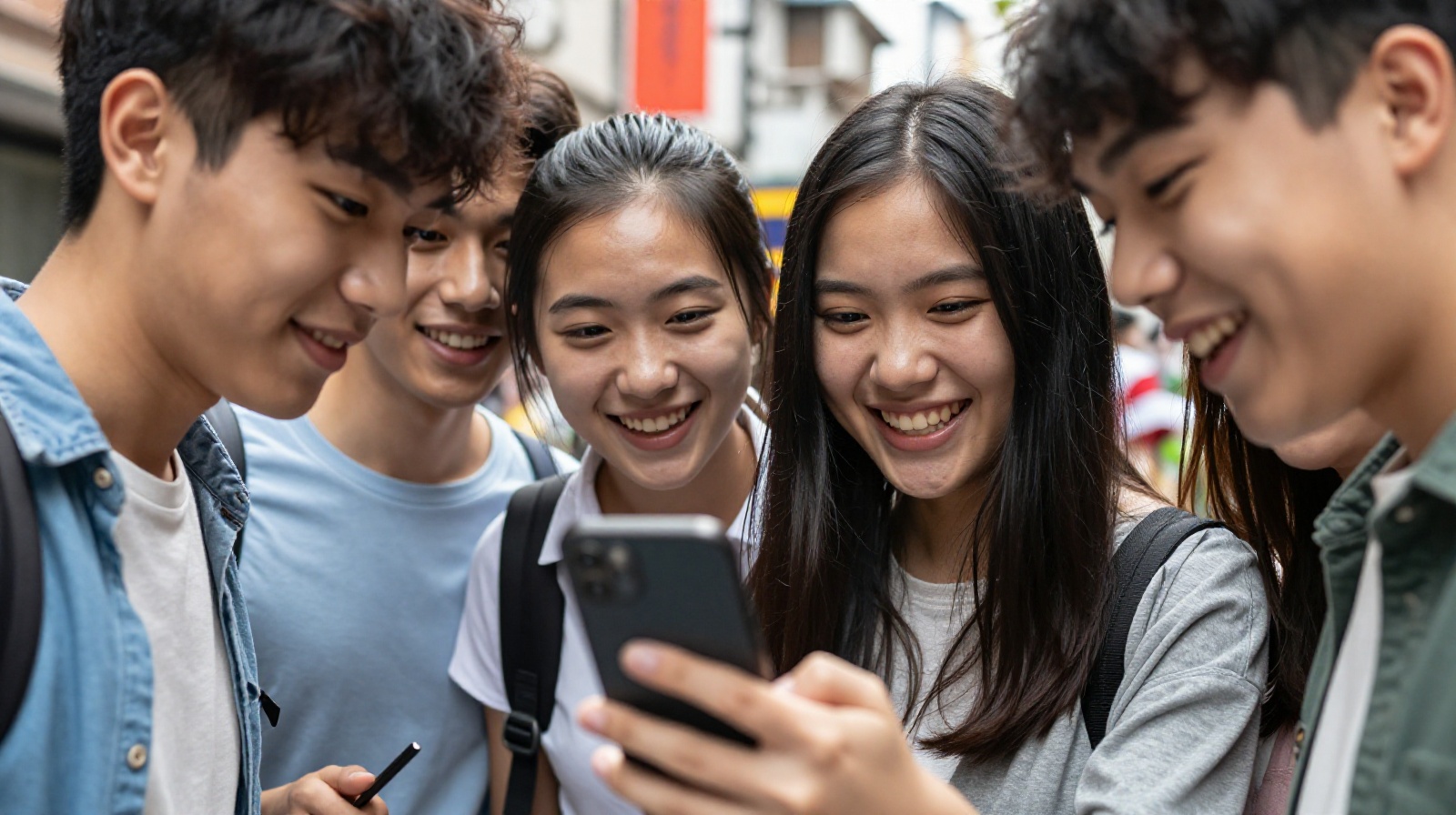
In the West, personal space is sacred. In many parts of China, especially outside the mega-metropolises like Shanghai or Beijing, social boundaries are more fluid. When a stranger asks for a photo, they are usually not trying to invade your privacy. They are simply reacting to something novel.
For many people in smaller cities, their exposure to the outside world is limited. They might watch videos of New York or London on TikTok (Douyin) but rarely meet foreigners in person. Seeing one in flesh and blood is a rare event. The request to take a photo is their way of capturing that moment, similar to how someone might want to take a picture with a celebrity or a rare animal.
The interaction is usually quick. A few clicks, a polite “thank you,” and they move on, often waving goodbye with genuine warmth. It is a fleeting connection, but for them, it is a tangible link to the wider world.
Photos as Social Currency
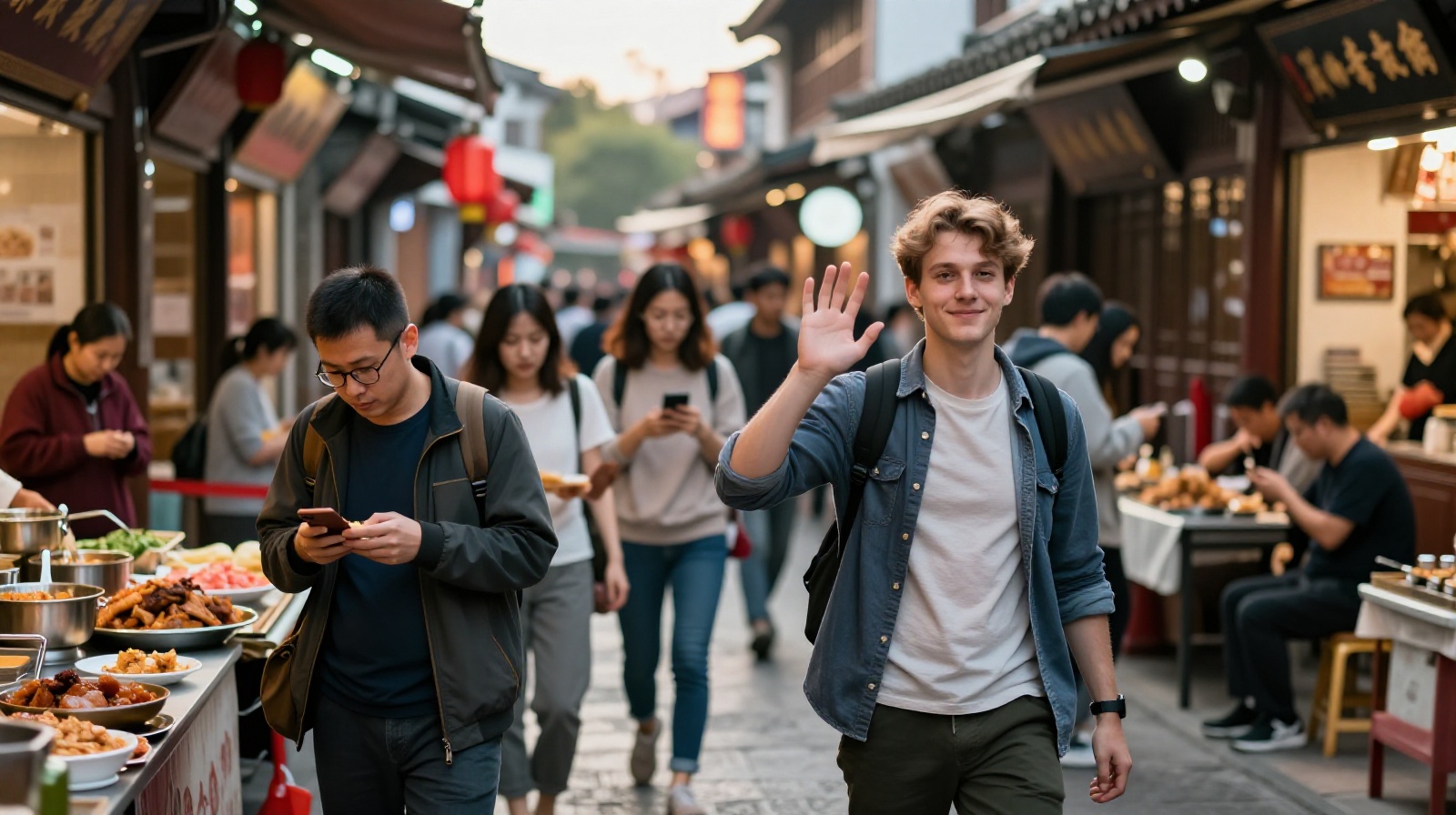
In smaller communities, photos serve as more than just digital memories; they are social currency. Sharing a photo with a foreigner can be a topic of conversation among friends, family, or colleagues. It signals that you have experienced something unique.
“Look, I took a picture with a foreigner!” is a statement that carries weight in local social circles. It is not about bragging, but about sharing a slice of life that stands out from the routine. In an era where daily life can feel repetitive, these small interactions break the monotony and create lasting memories.
For the locals, the photo is proof of their encounter with diversity. For me, it is a reminder that I am not just a visitor, but a temporary participant in their daily rhythm.
The Difference Between Big and Small Cities
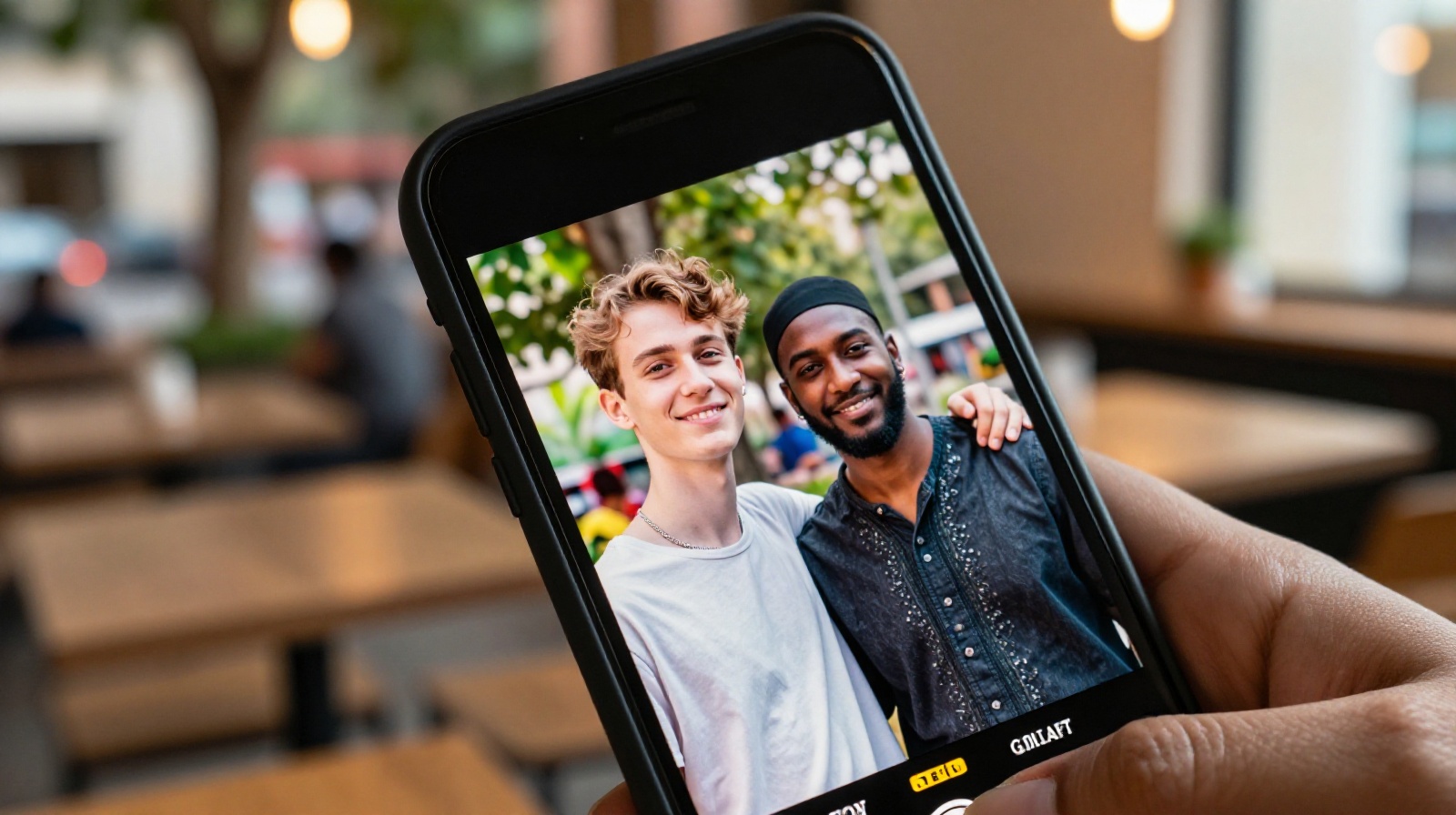
This phenomenon highlights the stark contrast between China’s tier-1 cities and smaller ones. In Shanghai or Shenzhen, where foreigners are common, people are more likely to ignore you. You can walk down the street without being noticed, enjoying a sense of anonymity.
But in third-tier cities, everyone knows everyone. The “acquaintance society” (shuren shehui) means that strangers stand out. Being foreign makes you a center of attention, not because you are being targeted, but because you are new. This attention can feel overwhelming if you are used to the anonymity of larger cities, but it is often rooted in a genuine desire for connection.
How to Respond
If you find yourself in this situation, try to see it as a gift. While it can be tiring if it happens too often, most requests come from a place of innocence and friendliness. A smile and a nod go a long way.
Of course, your comfort matters. If you need space, a polite “no, thank you” is always acceptable. Most people will understand and respect your boundary immediately. The key is to recognize that this behavior is not a violation of your privacy, but an expression of local culture and curiosity.
In the end, these photo requests are small bridges between cultures. They remind us that despite our differences, we all share a common desire to connect, remember, and share moments together. So next time someone asks for a picture, take a breath, smile, and let them capture the moment.