

The Hidden Supply Chain in Paris
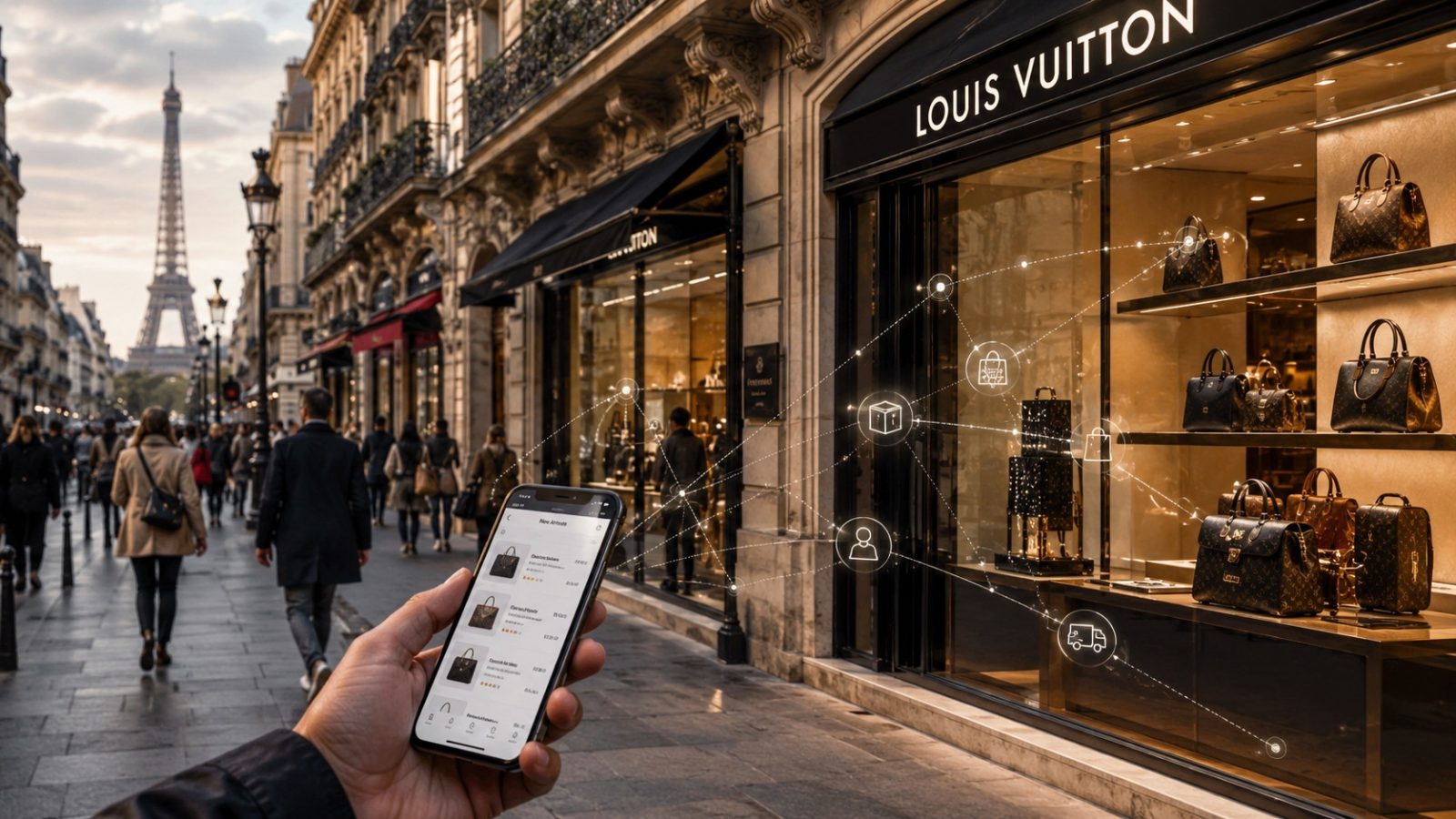
It is a quiet Tuesday morning in Paris. Inside the flagship store of a major French luxury house, the sales associates are not waiting for walk-in tourists. They are watching their phones. Every few minutes, a message pings through encrypted apps: “Two Black Orchid bags, size medium. Now.” Within an hour, those bags will be boxed, shipped via express courier, and delivered to a customer in Shanghai or Chengdu, often before the European weekend sale even begins.
This is the modern daigou network. The term literally means “to help buy.” For decades, it referred to friends or travelers carrying goods back from abroad. Today, it has evolved into a highly professionalized, multi-layered supply chain that rivals major department stores in its efficiency and market share.
From Backpacks to Algorithms
The history of daigou mirrors China’s opening up to the world. In the late 1990s and early 2000s, Chinese tourists began traveling abroad in greater numbers. They noticed price differences: a handbag that cost €800 in Paris might sell for ¥10,000 (approx. $1,400) in Beijing due to taxes and import duties.
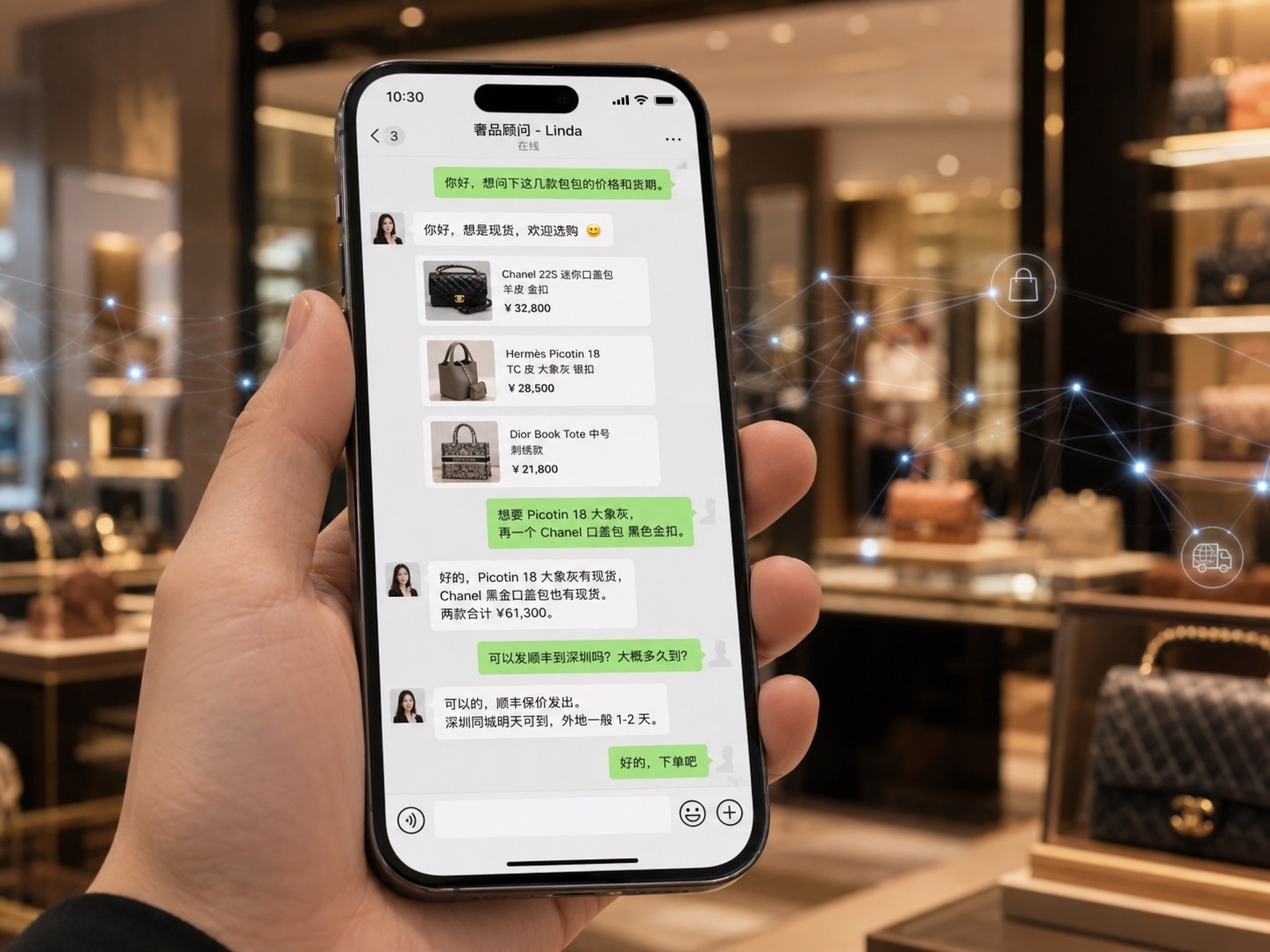
Early daigou were essentially arbitrageurs. They bought low in Europe and sold high in China. But as the market grew, so did the complexity. By the 2010s, with the rise of social media platforms like WeChat and Xiaohongshu (Little Red Book), daigou transformed from individuals into businesses.
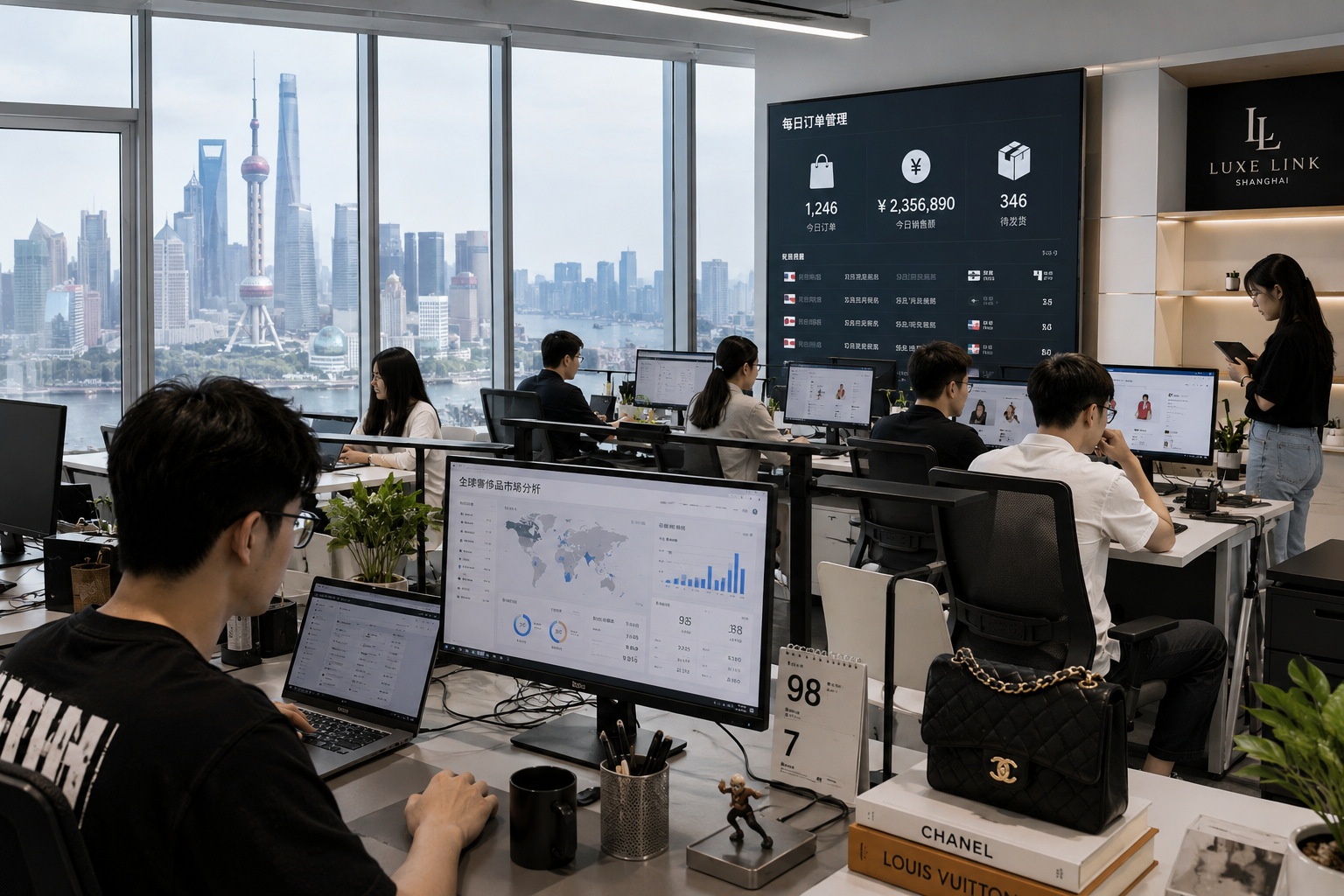
Today’s network is hierarchical. At the top are “kingpin” buyers who secure direct relationships with store managers or have dedicated teams waiting in lines 24/7. Below them are sub-agents who manage customer relationships and marketing on social media. At the bottom are the end consumers, often younger Chinese professionals seeking brands that are either unavailable domestically or significantly cheaper abroad.
Why Consumers Choose Daigou
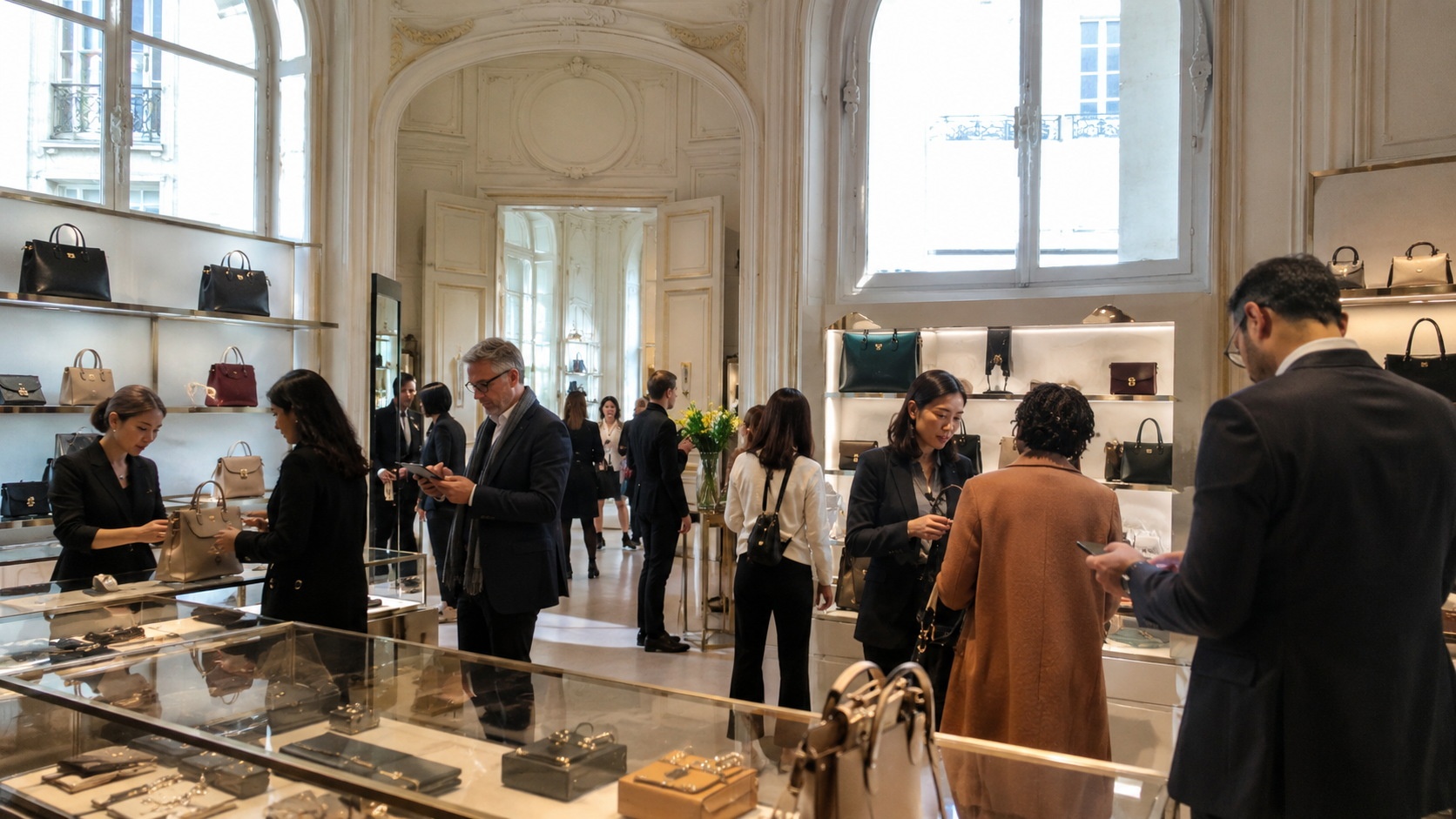
For many Chinese shoppers, daigou is not just about saving money; it is about access and trust. While luxury brands have opened more boutiques in China, the selection in local stores is often limited to classic styles. The latest “it” bags or exclusive colorways are frequently released in Europe first.
Furthermore, the price gap remains significant. Even with recent price hikes by European brands to align with Chinese market prices, daigou can still offer discounts of 20-40% compared to official retail prices. This is achieved through bulk purchasing, leveraging store loyalty programs, and exploiting regional tax differences.
Trust is the currency of this network. Daigou build long-term relationships with clients, sharing real-time inventory updates and authenticating goods. In a market where counterfeit luxury goods are a concern, the personal guarantee of a trusted daigou often outweighs the convenience of buying online.
Brands Fight Back
Luxury brands are not passive observers. They view uncontrolled daigou as a threat to their brand equity and pricing strategy. When hundreds of bags are bought by one agent, it depletes inventory for genuine local customers and distorts market data.
In response, brands have adopted strict measures. Many now enforce purchase limits, requiring proof of residency or linking purchases to specific credit cards. Some stores have begun refusing service to individuals who appear to be professional buyers rather than tourists. Additionally, brands are pushing for “direct-to-consumer” digital platforms, offering exclusive online models to bypass physical store bottlenecks.
The goal is to reclaim control over the customer relationship. By digitizing transactions and monitoring supply chains, brands aim to ensure that their products reach the people they intend to serve, not just those who can move them fastest.
The Changing Landscape
The daigou model is facing new challenges. The rise of cross-border e-commerce platforms like Tmall Global and JD Worldwide offers a more transparent and regulated alternative. These platforms provide official brand authorization, simpler customs clearance, and often competitive pricing through subsidies.
Moreover, post-pandemic travel habits have shifted. With more Chinese consumers traveling abroad and luxury brands expanding their domestic presence, the price and availability gap has narrowed. Younger consumers are also becoming more savvy, using price comparison apps to find the best deals across all channels.
Yet, daigou are adapting. Many are pivoting to become “lifestyle consultants,” offering curated experiences, travel planning, and exclusive access to private sales. The pure arbitrage model is shrinking, but the demand for personalized, high-touch service remains strong.
The daigou network is no longer just a shadow economy; it is a sophisticated bridge between global luxury brands and Chinese consumers. Understanding its mechanics offers a window into the complex, dynamic nature of modern consumerism in China.