

The 3 A.M. Finger Dance
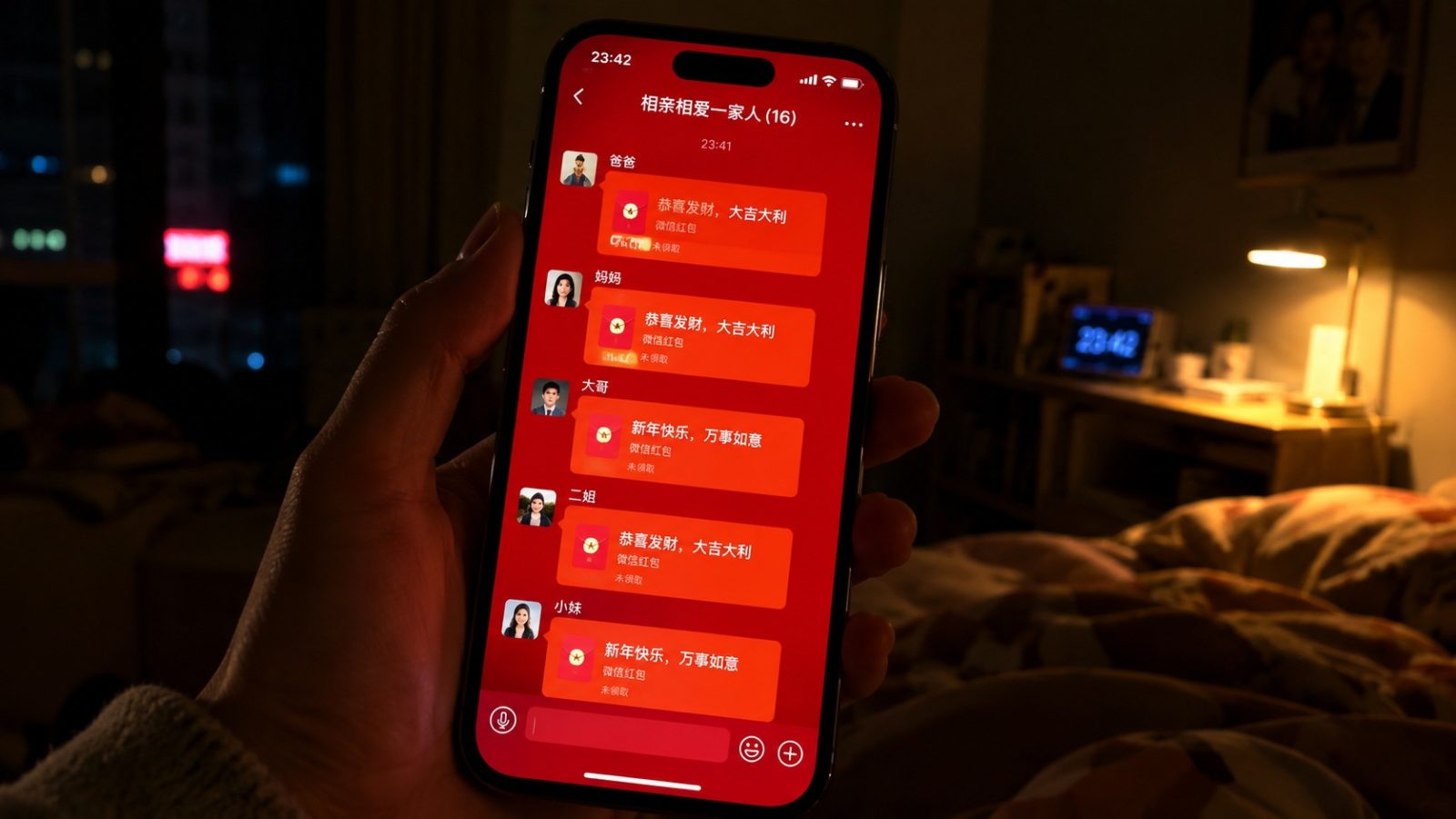
Imagine it’s 3 a.m. You are asleep, but your phone is buzzing on the nightstand. It’s not an emergency. It’s not a work email from a demanding boss. It is a “Red Envelope” (Hongbao) notification in a family group chat.
In that split second, sleep vanishes. Your thumb hovers over the screen, trembling slightly. You tap. The animation plays: a red packet opens to reveal a random amount. Did you get the “Lucky Amount”? Or did you receive the dreaded 0.01 yuan—the digital equivalent of being last in line for a slice of pizza?
This is the daily reality of WeChat in China. For outsiders, it looks irrational. Why rush for pennies? But inside China, this ritual is the heartbeat of social connection. It is a game, a greeting card, and a status symbol all rolled into one.
More Than Just Money: The Gamification of Giving
To understand WeChat Red Envelopes, you have to abandon the Western idea of a direct bank transfer. In the U.S., sending $5 to a friend is a transaction. It’s clean, efficient, and over in seconds.
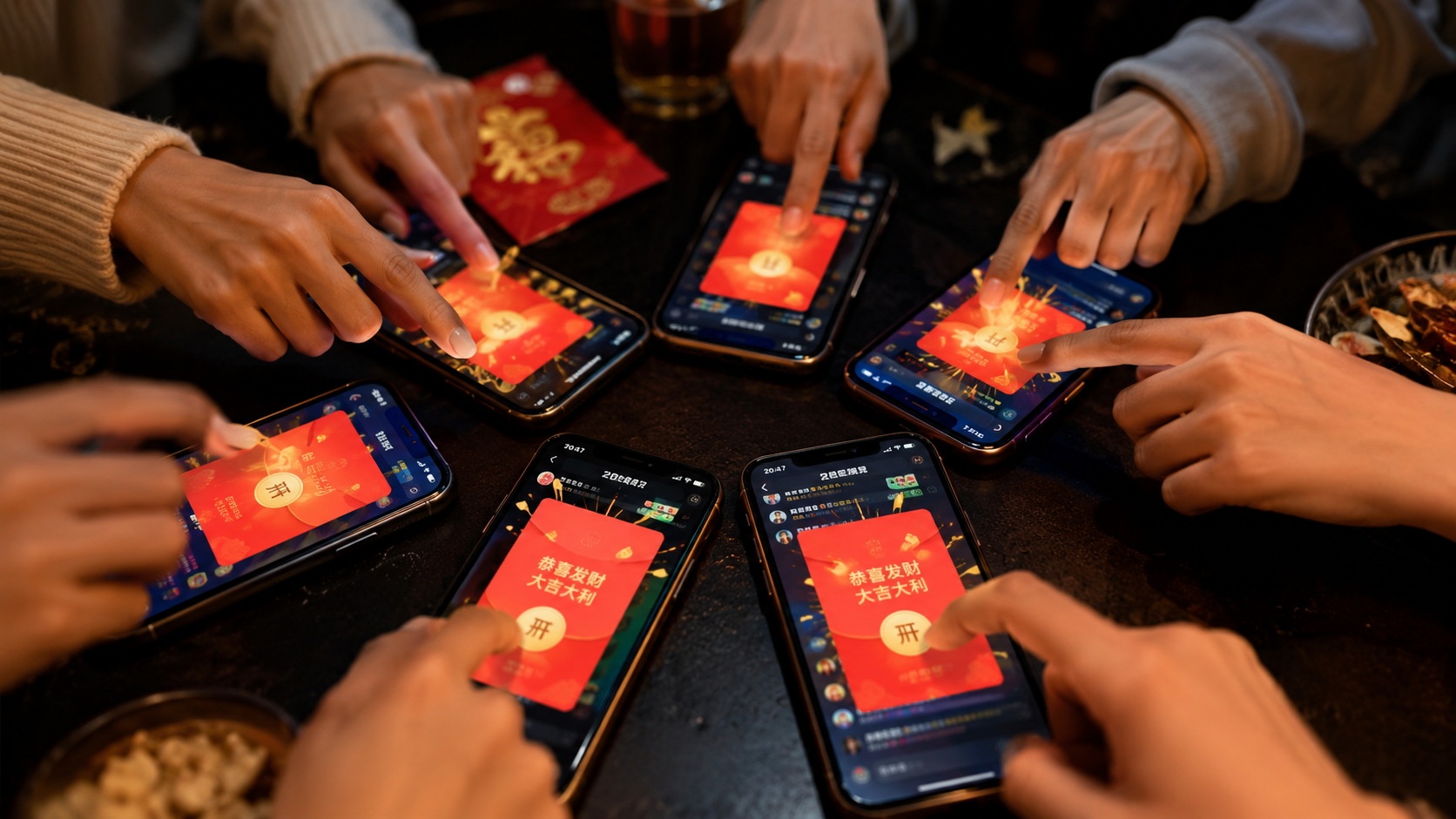
WeChat turned this transaction into a spectacle. When someone sends a “Lucky Money” (Hongbao) packet, they set two parameters: the total amount and the number of packets. The system then randomly distributes the money among the recipients.
This randomness is the key. One person might get 10 yuan, another gets 0.01 yuan. The uncertainty creates suspense. It transforms a simple act of giving into a mini-game of chance, similar to opening a loot box in a video game or scratching a lottery ticket. The thrill isn’t in the wealth gained; it’s in the anticipation of the reveal.

The Psychology: Why We Crave the “Lucky” Drop
Behavioral psychologists have long studied why humans enjoy gambling or buying lottery tickets. The answer lies in a concept called “Variable Rewards,” popularized by B.F. Skinner’s experiments with pigeons.
If you press a lever and get food every time, you get bored. But if you get food randomly—sometimes big, sometimes small, sometimes nothing—you become obsessed. You keep pressing the lever.
WeChat Red Envelopes exploit this exact mechanism. The “0.01 yuan” is not a loss; it’s part of the game. Losing out on the biggest amount triggers “Loss Aversion,” a cognitive bias where the pain of losing feels twice as strong as the pleasure of winning. But in the group chat, that “loss” is softened by social context.

Social Currency and the Fear of Missing Out
So, why participate if you’re likely to lose? Because in Chinese digital culture, participation is a form of social currency. Not clicking the red envelope is often interpreted as ignoring the sender or being rude. It’s a digital “nod” in a crowded room.
For group admins or hosts, sending red envelopes is a tool for engagement. In a WeChat group of 500 people, messages get buried in seconds. A red envelope stops the scroll. It forces everyone to look at their phone, tap, and react. It resets the group’s energy.
When someone gets the “Lucky Amount,” they often post a sticker or a thank-you message. This creates a feedback loop of gratitude and attention. The money is negligible; the acknowledgment is priceless.
The Cultural Mirror: Face and Reciprocity
At its core, this phenomenon reflects deeper Chinese cultural values: “Face” (Mianzi) and reciprocity. Sending a generous red envelope boosts the sender’s status. Receiving one, even a small amount, acknowledges the sender’s generosity.
It is a low-stakes way to maintain relationships without the pressure of formal gift-giving. You don’t need to buy your cousin a wedding present today; you just send them a 1-yuan red envelope on a random Tuesday. It keeps the bond alive.
The Digital Pulse of China
For Western readers, judging this behavior by its monetary value is missing the point. WeChat Red Envelopes are not a financial system; they are a social operating system.
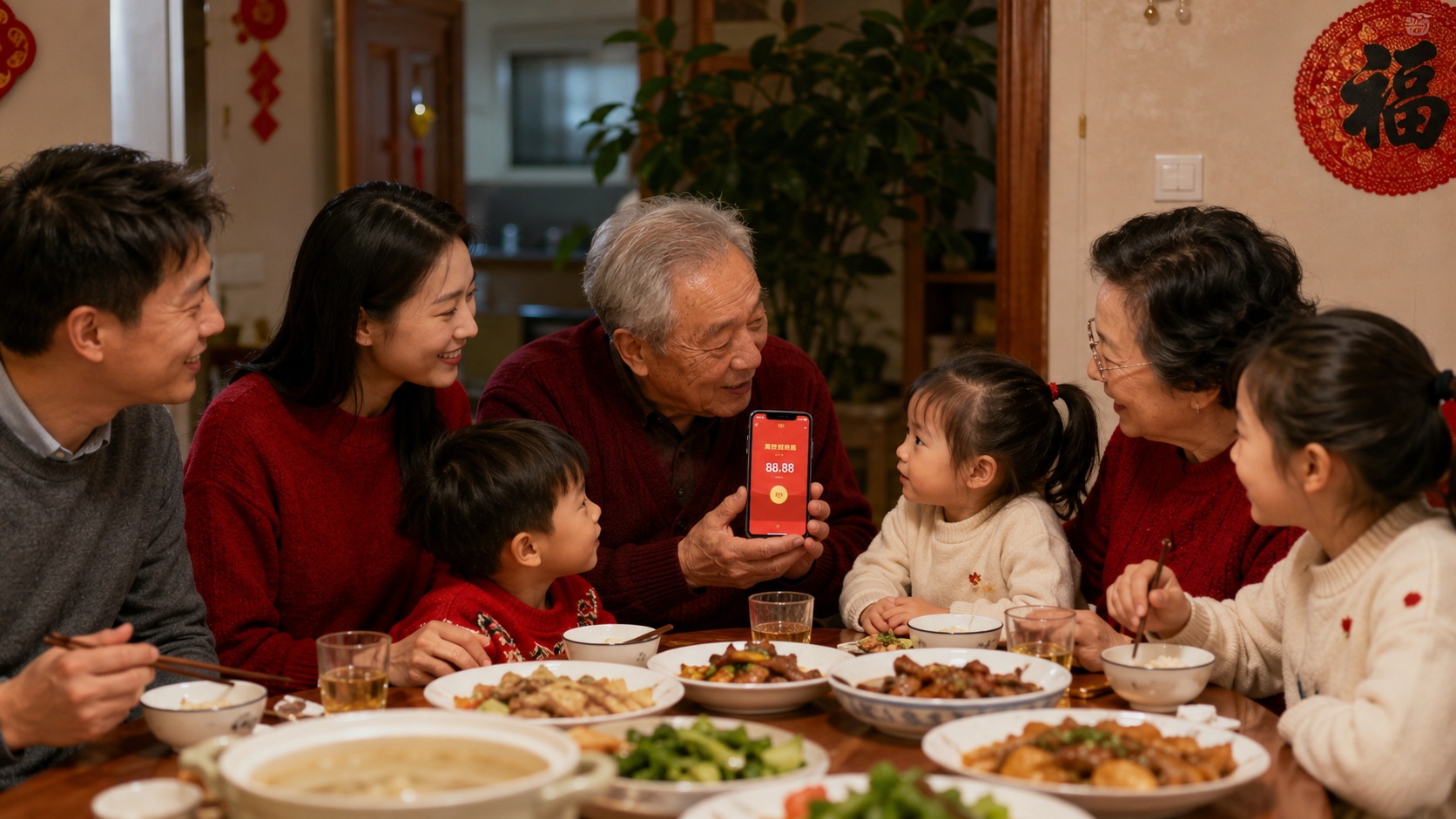
They represent a society where technology has seamlessly integrated with ancient traditions of hospitality and community. In a country of 1.4 billion people, these tiny digital rituals help individuals feel connected, seen, and part of a collective whole.
So, the next time you see a Chinese friend obsessing over 10 cents in a chat group, don’t laugh. They aren’t fighting for money. They are fighting for connection. And in the fast-paced life of modern China, that is worth far more than any amount.