
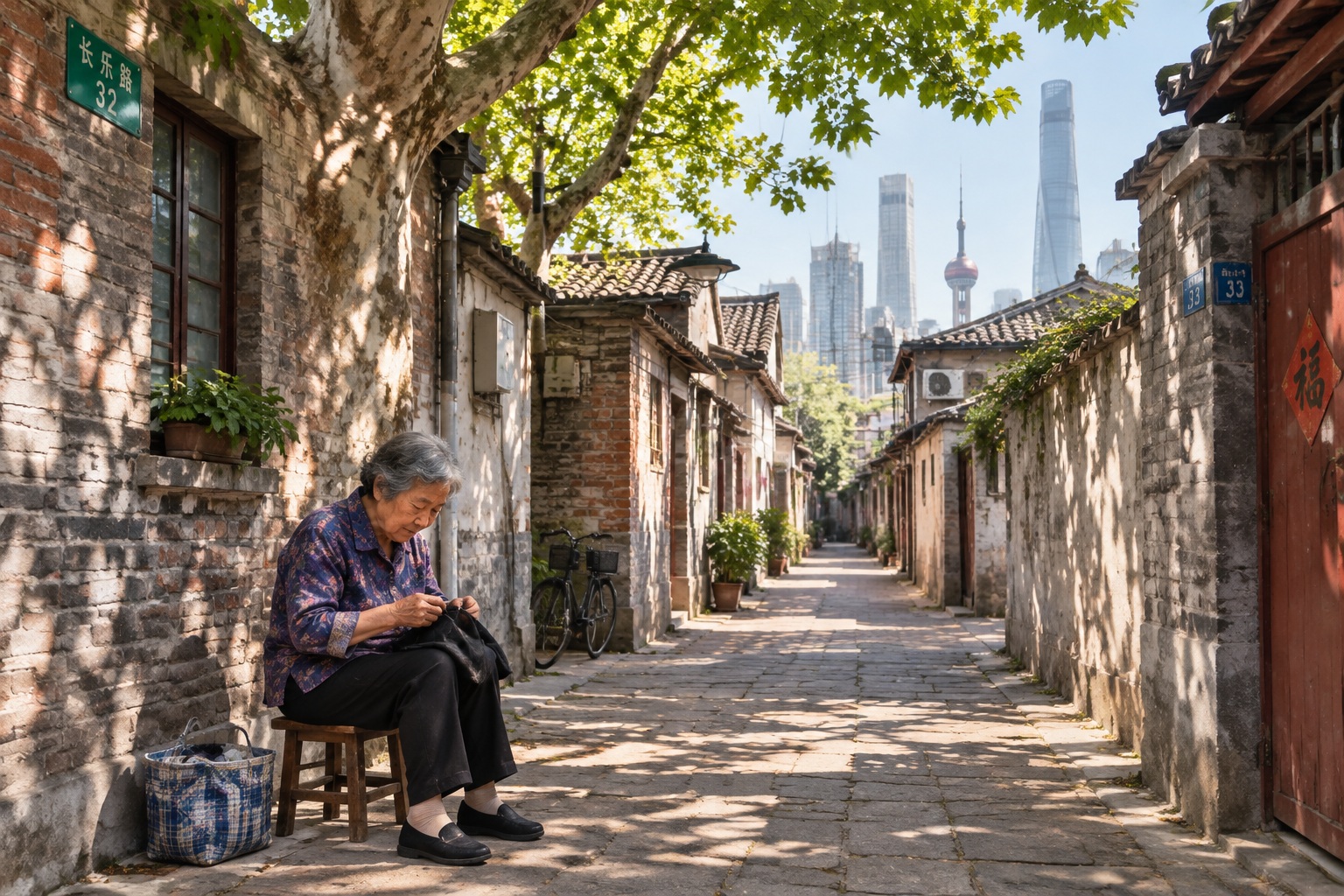

The Glitch in the Algorithm
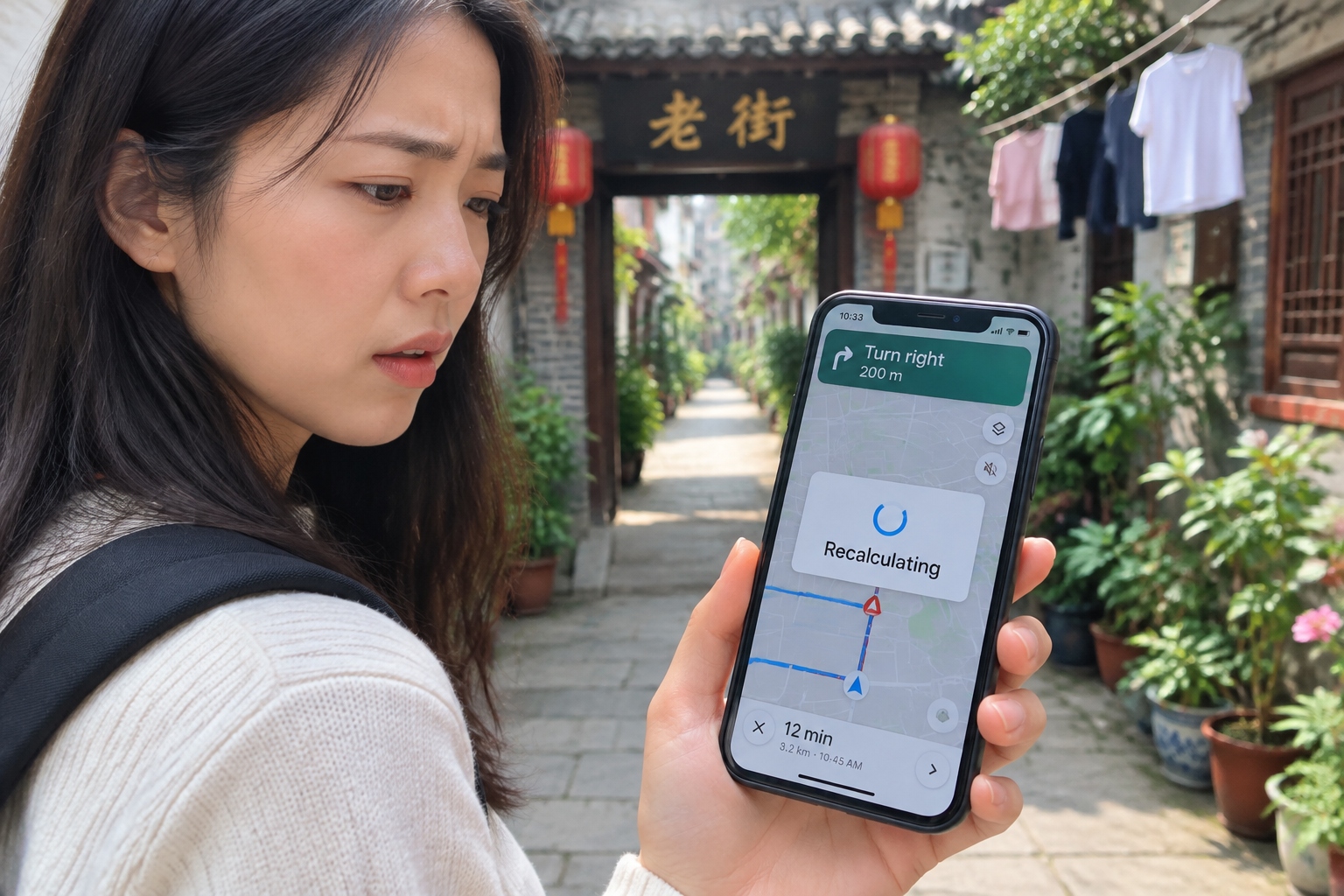
My phone’s GPS spun lazily, a blue dot hovering over a grey void. “Recalculating,” it announced for the fourth time in ten minutes. I was standing in Shanghai’s Former French Concession, a neighborhood famous for its plane-tree-lined streets and colonial architecture. But instead of the curated cafes and boutique shops I had researched, I found myself facing a brick wall covered in faded blue posters and the pungent smell of frying scallion pancakes.
I was lost. And for the first time in years, I didn’t feel anxiety. I felt alive.
In an era where travel is optimized by algorithms, the simple act of getting off-track has become a radical form of exploration. This is the emerging culture of “citywalk” in China—a movement away from ticking off tourist traps and toward aimless, sensory-rich wandering. What started as a way to cope with post-pandemic restlessness has evolved into a genuine appreciation for the unplanned moments that define urban life.
The Rise of Aimless Walking
Three years ago, “citywalk” was just a phrase. Today, it is a lifestyle keyword searched millions of times on Chinese social media platforms like Xiaohongshu and Douyin. Unlike traditional tourism, which often involves packed buses and rushed photo ops, citywalk is about slowness. It is about walking without a destination, letting the city’s rhythm dictate your pace.
The trend resonates deeply with young Chinese professionals who are tired of the “involution”—the intense societal pressure to optimize every minute. For them, wandering is not laziness; it is reclamation. It is a way to touch the texture of their own cities, which are changing so rapidly that they often feel like strangers in familiar places.
When I stepped off the main boulevard into a narrow *longtang* (lane house neighborhood), the noise of traffic faded. The air grew cooler, shaded by a canopy of ancient plane trees. The scale of the street shifted from the monumental to the human. Here, the city is not a backdrop for photography; it is a living room.
Life in the Details

Getting lost forced me to look closer. Without the distraction of a landmark, my senses sharpened. I noticed the intricate ironwork on balcony railings, peeling to reveal layers of red and green paint from decades past. I heard the clatter of mahjong tiles echoing from an open window, mixed with the sharp cry of a vendor selling fresh bamboo shoots.
I stumbled upon a tiny, unmarked shop no bigger than a closet. Inside, an elderly woman was meticulously repairing umbrellas, her hands moving with a rhythm that seemed untouched by time. There were no signs, no QR codes for payment, and no English menu. Just the quiet dignity of a craft passed down through generations.
This is the contrast that defines modern China. It is not just glass skyscrapers and high-speed rails; it is the coexistence of these massive structures with intimate, ancient daily rhythms. The old *longtang* neighborhoods, often slated for demolition or renovation, hold the memories of millions. They are the veins of the city’s history, pulsing with life even as the skyline above them transforms.
From Sightseeing to Living
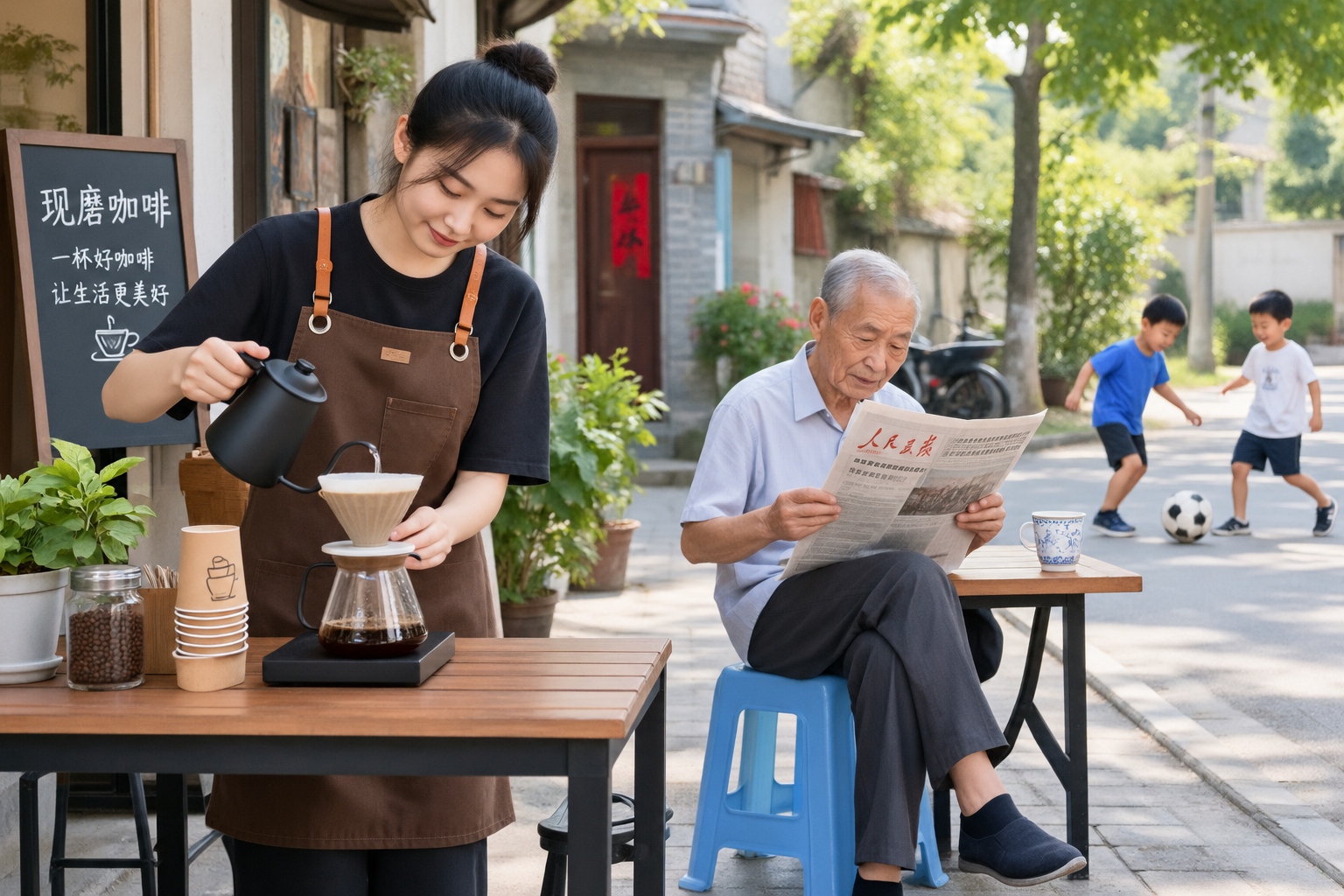
Traditional tourism teaches us to observe. Citywalk invites us to participate. When you wander without a plan, you become part of the scene. You might join a group of elderly residents playing chess in a park corner, their voices rising in friendly debate. You might pause to watch a neighborhood cat nap on a pile of firewood, oblivious to the tourists snapping photos nearby.
This shift from “sightseeing” to “living” changes how we understand a place. We stop seeing China as a monolithic entity of factories and futuristic cities. Instead, we see the micro-narratives: the young barista brewing pour-over coffee in a century-old stone house, the teenager skateboarding past a Ming Dynasty temple wall, the family sharing a bowl of noodle soup on plastic stools outside their apartment door.
These moments are not curated for Instagram. They are raw, unscripted, and often messy. But they are real. In the old alleys, you don’t just see the city; you feel its heartbeat. You smell the damp earth after a summer rain, taste the sweetness of roasted sweet potatoes from a street cart, and hear the laughter of neighbors greeting each other in dialects that have been spoken here for centuries.
The Beauty of Uncertainty
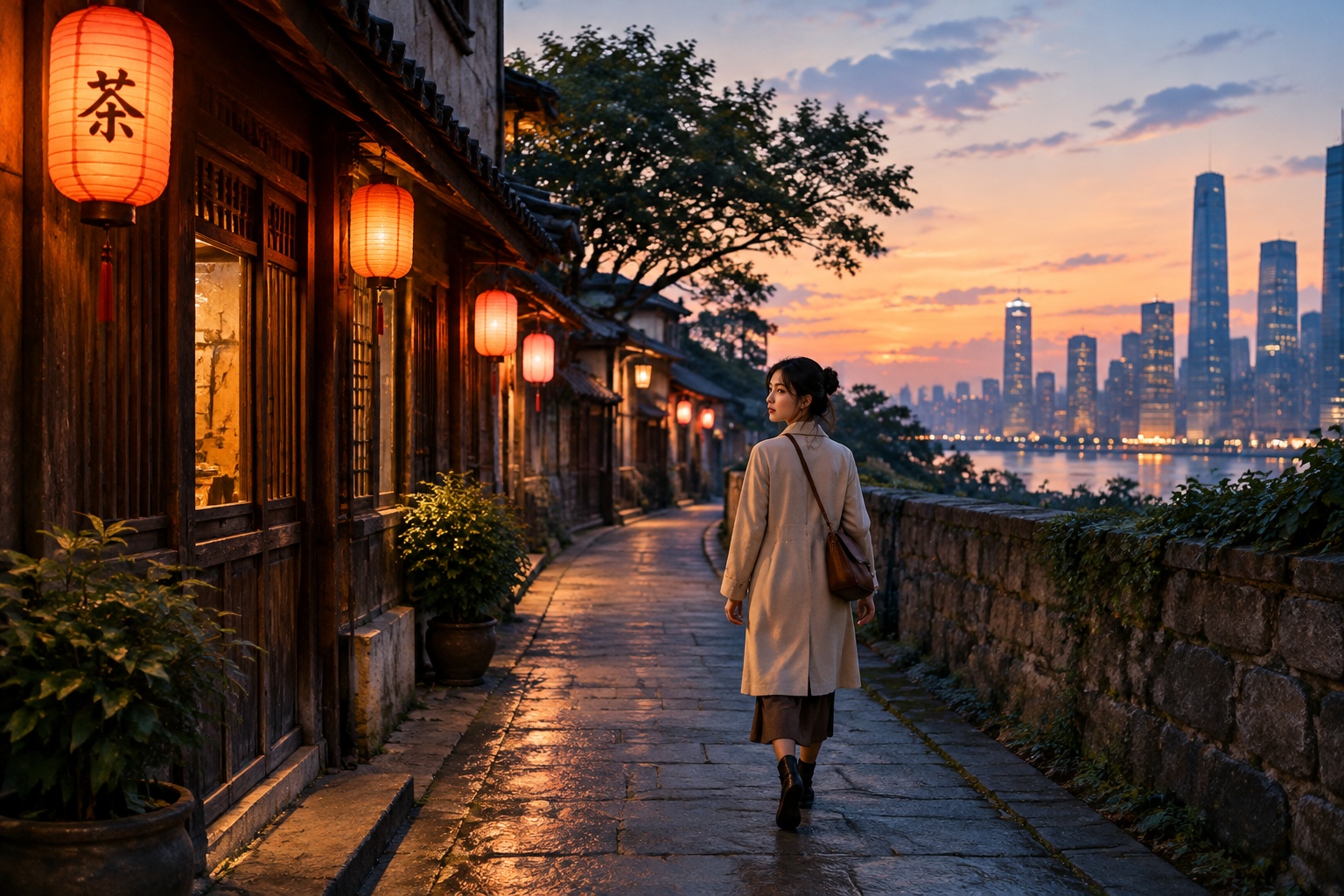
There is a profound lesson in embracing the “glitch.” In a world obsessed with efficiency, allowing yourself to be lost is an act of trust. It trusts that the city will reveal itself in its own time. It trusts that the detour will lead to something more meaningful than the destination.
For many travelers, especially those from cultures where punctuality and planning are paramount, this can be terrifying. But for those willing to surrender control, the reward is a deeper connection. The “wrong” turn leads to the right experience. The missed bus becomes an afternoon spent talking to a local tea master. The wrong street corner becomes the best meal of the trip.
So, the next time you are in a Chinese city, try turning off your GPS. Leave the itinerary behind. Let yourself get lost in the labyrinth of old neighborhoods. You might miss the famous temple, but you will find the soul of the place. And perhaps, that is the only way to truly travel.
Start the discussion at forum.chinacomes.com