


A Quiet Morning at the Rescue Center
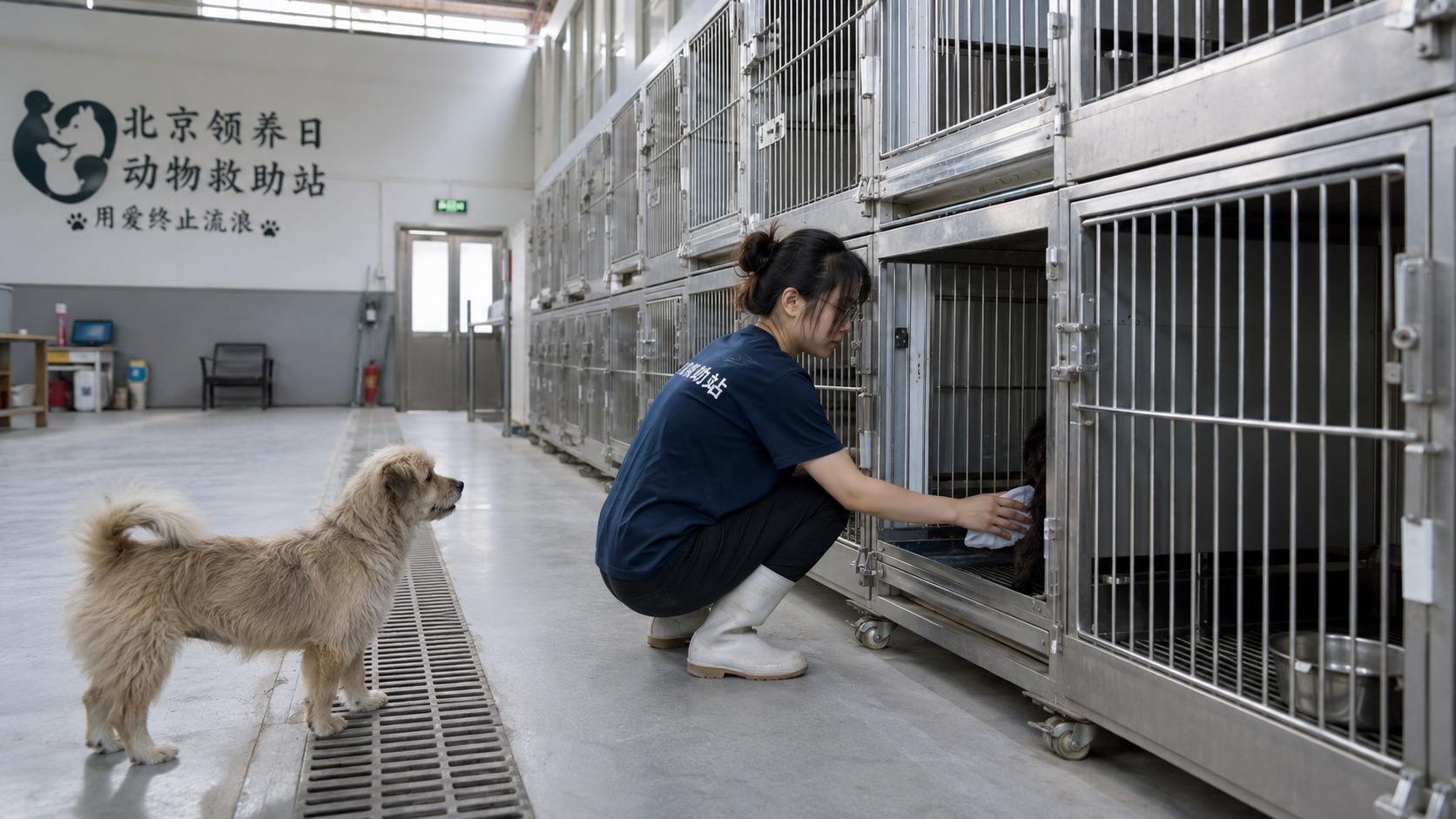
The morning light filters through the high windows of a converted warehouse in Beijing’s outskirts. It is 7:30 AM, and the air smells faintly of disinfectant and wet fur. Inside, there are no barking dogs or meowing cats yet; the silence is heavy with anticipation. This is the “Hope Pet Rescue,” a grassroots organization run by volunteers who often work full-time jobs elsewhere.
For many foreigners living in China, the idea of adopting a pet starts here. Unlike in some Western countries where shelter systems are highly standardized, China’s rescue ecosystem is fragmented, largely driven by social media and personal dedication. Understanding this landscape is the first step to finding your new companion.
Where to Find Your Companion: The WeChat Ecosystem
In China, you will rarely find a single “animal shelter” website that lists all available pets. Instead, adoption happens on WeChat. Most rescue groups operate through Official Accounts (public profiles) and private WeChat groups.
To find a pet, search for keywords like “Pet Rescue [Your City]” (e.g., “Shanghai Pet Rescue”) on WeChat. These groups are vibrant communities where volunteers post photos of cats and dogs available for adoption. The process is often informal but highly regulated by the group’s rules.
Adopting a rescue animal is generally cheaper than buying from a breeder, but it requires more emotional labor. You might be asked to provide proof of income, a stable housing contract, and even references from previous vets or landlords. This isn’t bureaucracy for its own sake; it’s a filter to ensure the animal doesn’t end up back on the street.

Adoption vs. Buying: The Reality Check
While buying a purebred dog or cat from a breeder is common in China’s tier-1 cities, adoption is gaining traction, especially among younger, urban residents who value sustainability and compassion.
Before adopting, consider these practical factors:
- Time Commitment: Rescue animals, especially those with past trauma, may need weeks or months of patience to adjust. They might be shy, anxious, or destructive initially.
- Housing Restrictions: Many Chinese residential compounds have strict pet policies. Some ban large dogs or specific breeds (like Pit Bulls or Huskies). Always check with your property management before adopting.
- Veterinary Costs: Emergency care in China can be expensive. A foreigner-friendly vet clinic in Shanghai or Beijing might charge 300-500 RMB ($40-$70) just for a consultation fee, not including treatment.

Navigating Veterinary Care: Vaccines and Checkups
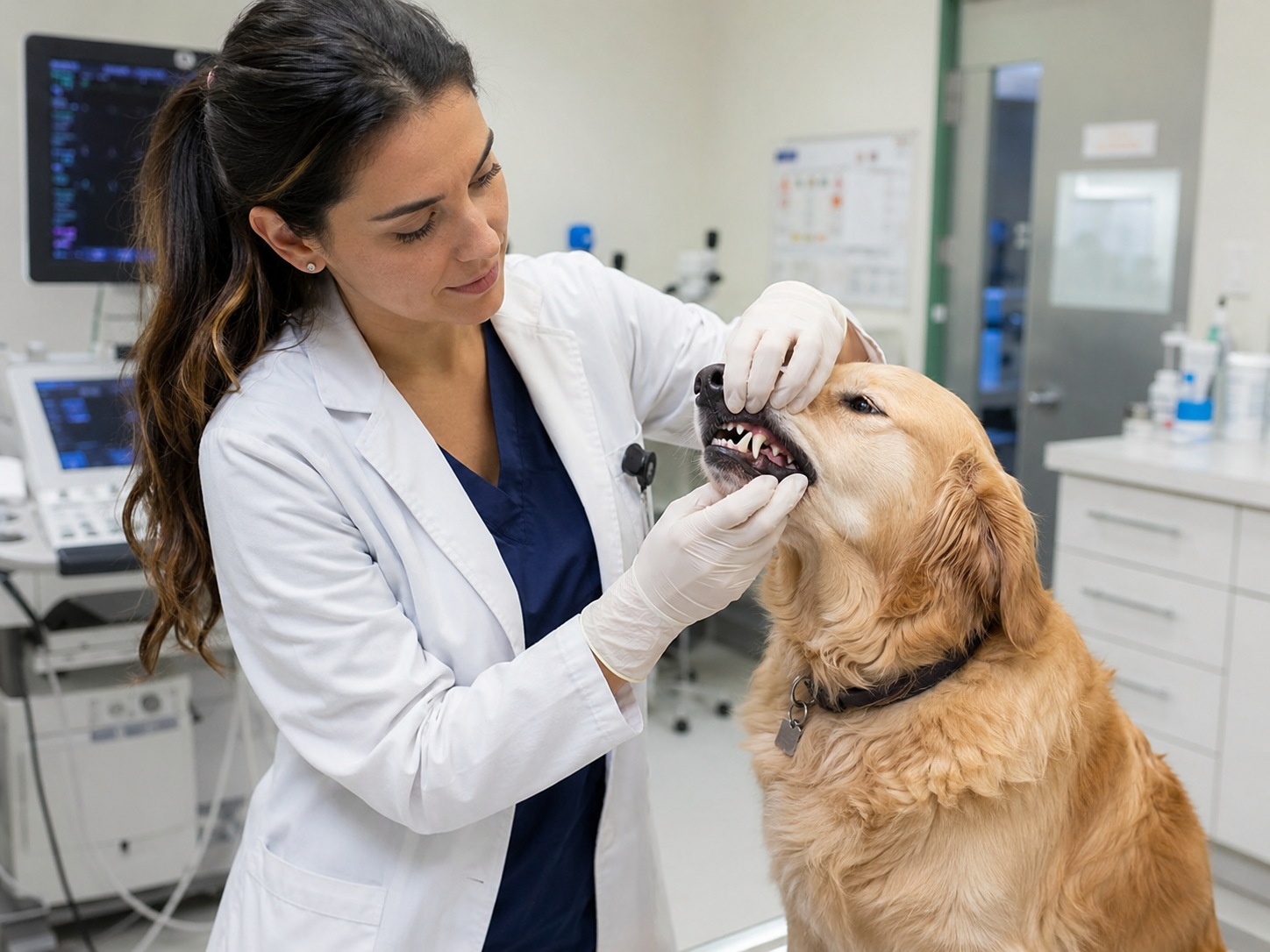
Once you have your pet, the first priority is a comprehensive health check. In China, the standard vaccination protocol for dogs includes:
- Core Vaccines: The “Six-in-One” or “Eight-in-One” vaccine protects against distemper, parvovirus, adenovirus, and parainfluenza. Puppies usually receive three doses spaced two weeks apart.
- Rabies Vaccine: This is mandatory by law in most Chinese cities. It must be administered by a licensed veterinarian and registered with local authorities.
- Booster Shots: Annual boosters are recommended to maintain immunity.
For cats, the core vaccine is typically the “Three-in-One” (Feline Panleukopenia, Calicivirus, and Herpesvirus), followed by the rabies vaccine.
Finding a vet who speaks English can be challenging. Look for clinics in international districts (such as Sanlitun in Beijing or Jing’an in Shanghai). These clinics are accustomed to foreign clients and often have menus priced in RMB and USD, though payment is usually via WeChat Pay or Alipay.
Legalities: Registration and Microchips
As a foreigner, adopting a pet in China is legal, but you must comply with local regulations. The most critical requirement is pet registration.
- Dogs: In cities like Beijing and Shanghai, dog ownership is strictly regulated. You need a valid residence permit, proof of income, and a housing contract that permits pets. You must register your dog with the local police station or community committee and obtain an official license (often called a “Dog License”). This involves a microchip implantation and a rabies vaccination certificate.
- Cats: Regulations for cats are generally looser, but many urban areas now require registration to manage stray populations and ensure rabies control.
Failure to register can result in fines or the confiscation of your pet. Always keep your pet’s license and vaccination records updated.
Daily Care and Community Etiquette
Living with a pet in a dense Chinese city requires awareness of community norms. Public spaces, parks, and elevators are shared resources.
- Muzzles and Leashes: In many residential compounds, dogs over a certain size must be muzzled and leashed when outside. This is not just a suggestion; it is often enforced by security guards.
- Cleanliness: Carrying waste bags is mandatory. Many cities have fined residents for failing to clean up after their pets. In high-end residential areas, this is part of the social contract.
- Noise Control: Barking dogs are a common source of neighbor disputes. If your pet is prone to barking, consider behavioral training early on.

Conclusion: A Shared Life
Adopting a pet in China is not just about finding a companion; it is about integrating into a complex web of social, legal, and cultural expectations. It requires patience, preparation, and respect for local norms. But the reward—a loyal friend who shares your home in one of the world’s most dynamic cities—is worth the effort. Whether you adopt from a bustling city shelter or a quiet village rescue, you are joining a growing community of responsible pet owners in China.