

Not Your Typical Tourist Spot
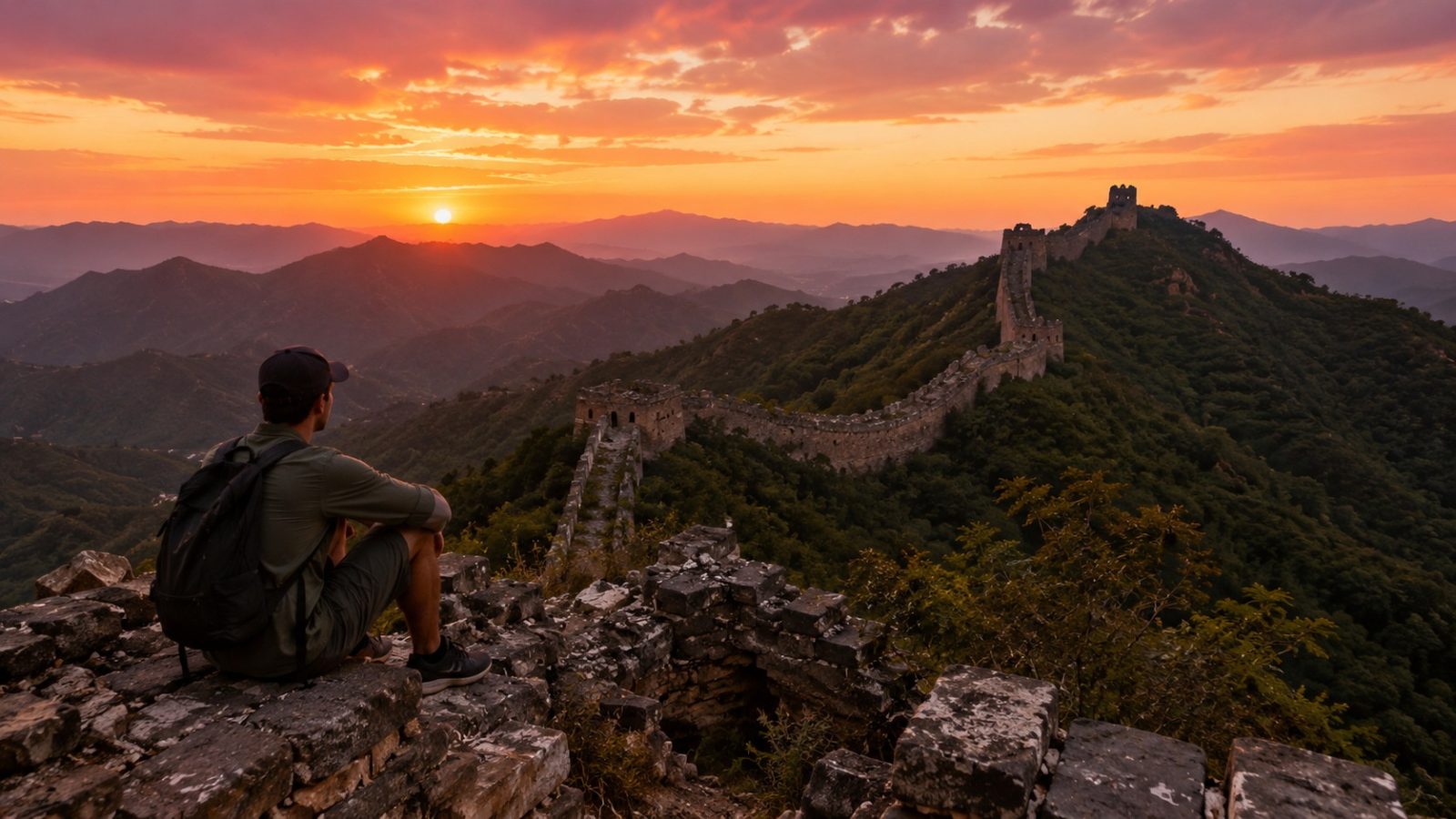
Most foreigners visiting the Great Wall think of Badaling or Mutianyu: paved stairs, cable cars, and crowds of selfie sticks. But for a growing number of young Chinese adventurers, the real magic lies in the “Wild Great Wall” (Ye Changcheng)—the unrestored, crumbling sections that snake through remote mountains in Hebei and Beijing.
I went there last autumn not to conquer history, but to sleep beneath it. What I found was a mix of breathtaking beauty, physical exhaustion, and a surprising amount of discipline. It is not just a photo op; it is a test of respect and preparation.
The Reality of the Terrain
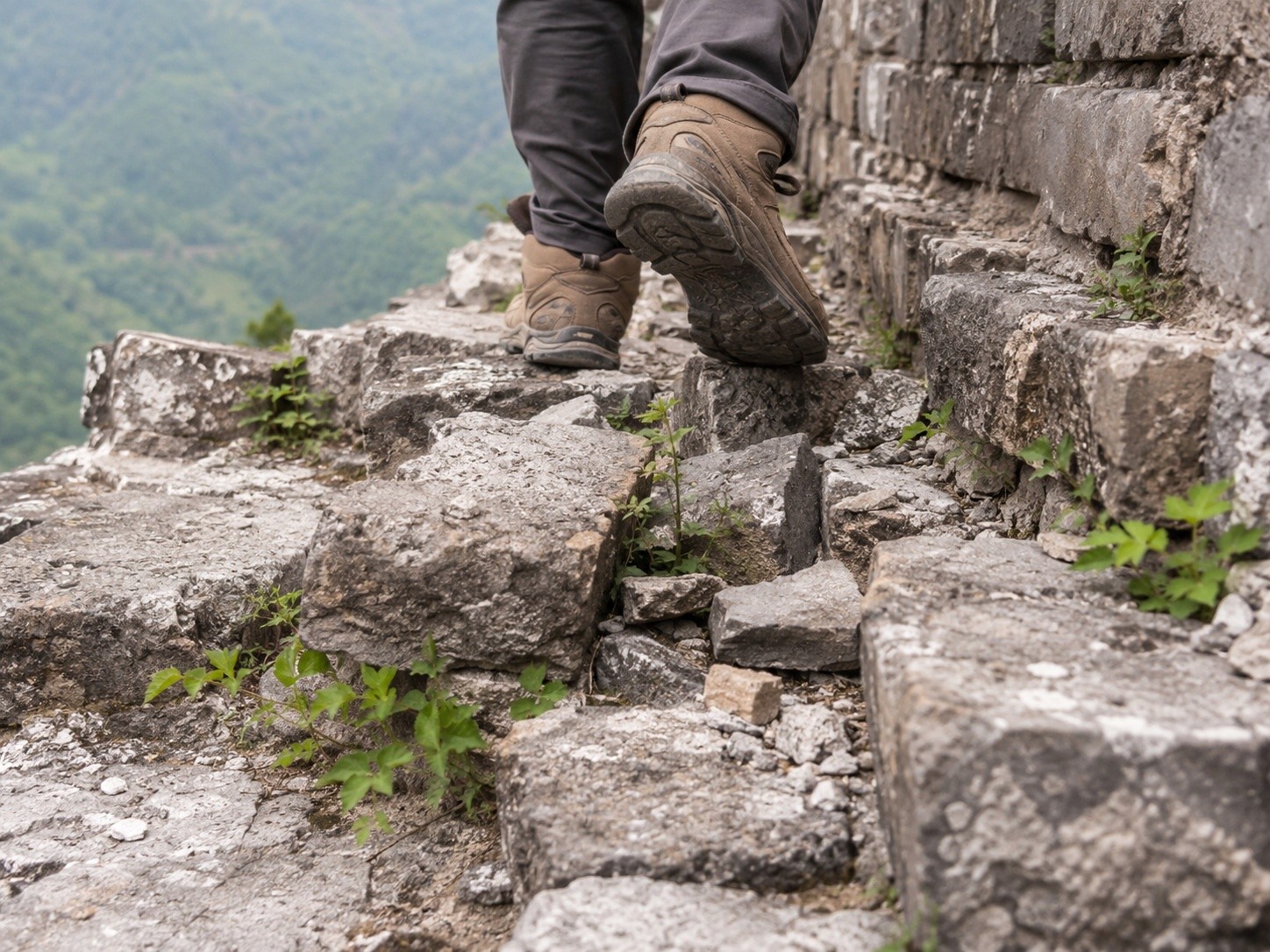
Before you even think about setting up a tent, understand this: “Wild” does not mean “easy.” The walls I camped near had no handrails. Many steps were missing, replaced by loose stones and overgrown weeds. The terrain is steep, uneven, and often slippery after rain.
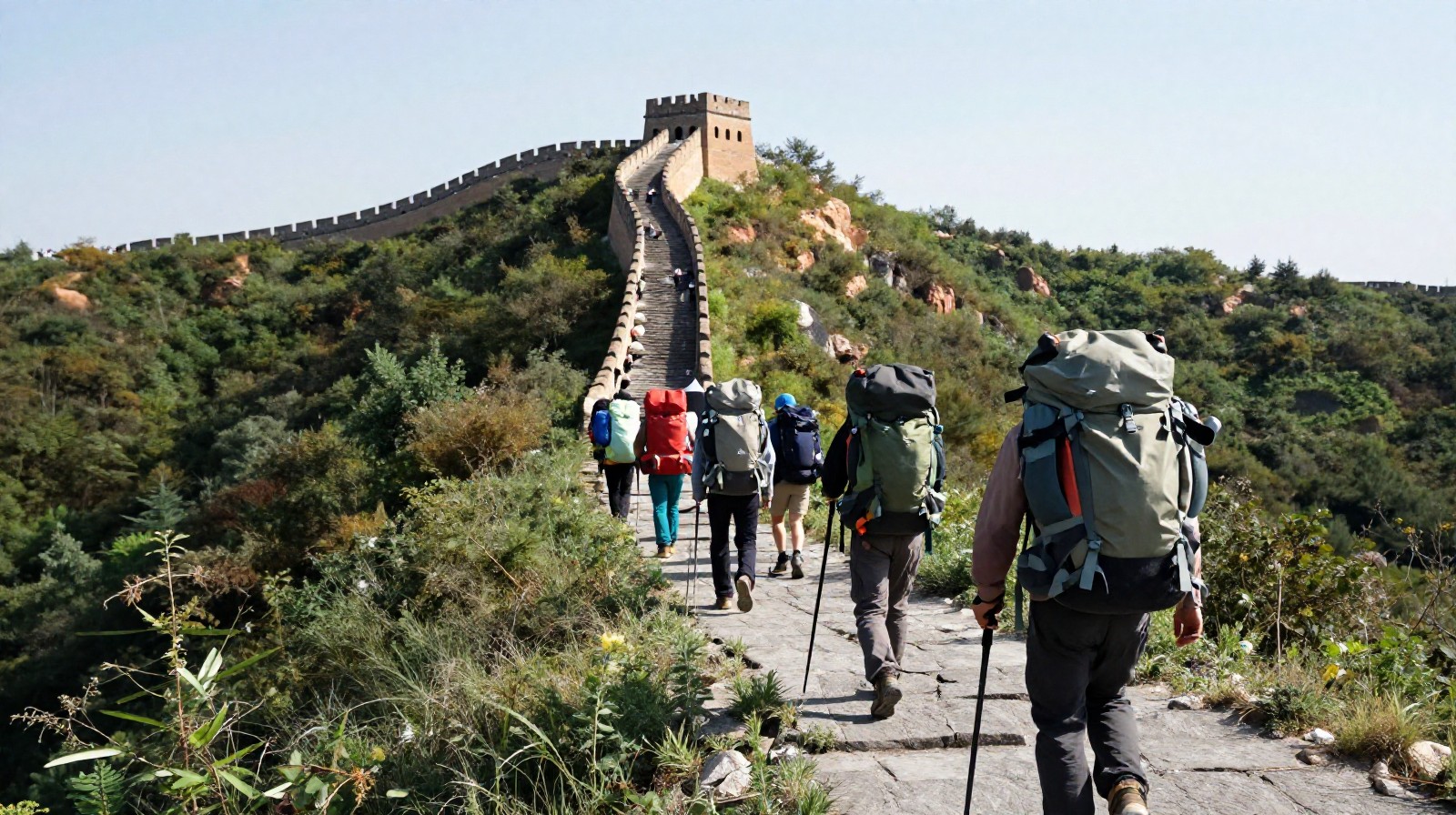
My group spent three hours hiking up a narrow goat path to reach the wall. There was no Wi-Fi, no cell signal, and no emergency team to call if we twisted an ankle. This is why preparation is non-negotiable. We carried heavy packs with first-aid kits, satellite communicators, and enough water for two days. Casual hikers with flip-flops should stay away.
Silence, Stars, and History
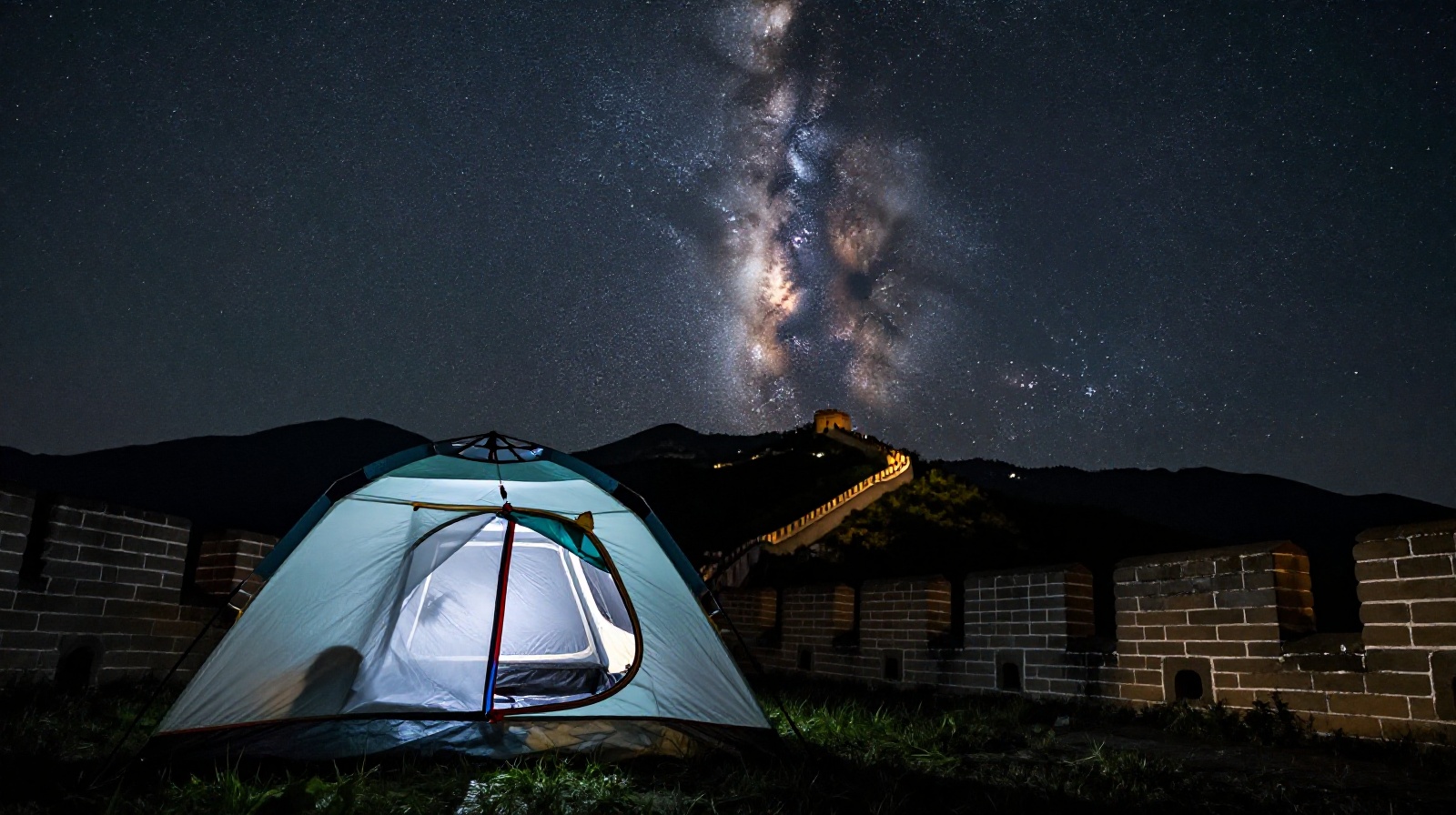
Once the sun set, the atmosphere shifted completely. The day’s noise vanished, replaced by the wind whistling through the broken watchtowers. Lying on my back on the cold stone bricks, I could see the Milky Way with naked-eye clarity—a sight impossible in most Chinese cities due to light pollution.
There is a profound silence here that feels almost sacred. The Great Wall was built for defense, for war, for separation. But at night, stripped of its military function and bathed in starlight, it feels like a sleeping giant. It is humbling to realize you are resting on stones laid by laborers centuries ago.
The Iron Rule: Leave No Trace
This is the most critical part of the experience. The “Wild Great Wall” is fragile. Every brick you take, every fire you start, and every piece of trash you leave accelerates its destruction.
There is a strict unwritten law among wild wall campers: Do not touch the bricks with your hands if you can avoid it. The oils from our skin erode the ancient mortar. We slept on sleeping pads, never directly on the wall surface. We carried out every single piece of trash, including biodegradable food scraps, because nature here is too harsh to decompose waste quickly.
Moreover, setting up fires is strictly prohibited. The dry grass near the wall is a fire hazard, and open flames are illegal in these protected zones. We used cold meals (MREs or pre-cooked food packed out) to avoid any risk.
Legalities and Safety
Is it legal? Technically, yes, but it is a gray area that is tightening. Many sections of the Wild Great Wall are now under surveillance by drones and local rangers. Trespassing on protected heritage sites can lead to fines or detention.
In recent years, the Chinese government has started fencing off the most dangerous and culturally significant sections. Camping is often permitted in designated “safe zones” on less damaged parts, but you must check local regulations before you go. Ignorance is not an excuse. If you see a “No Entry” sign or a ranger, turn back.
Final Thoughts: A Responsibility, Not Just an Adventure
Camping at the Wild Great Wall is not about escaping civilization; it is about connecting with history in its rawest form. It offers a perspective that crowded tourist sites cannot: the sheer scale of the landscape and the fragility of our shared heritage.
If you go, go with humility. Bring your camera, but leave your ego. Take only photos, leave only footprints (or better yet, none at all), and ensure that the stars above the wall are visible for generations to come.