

The First Bite Tells the Story
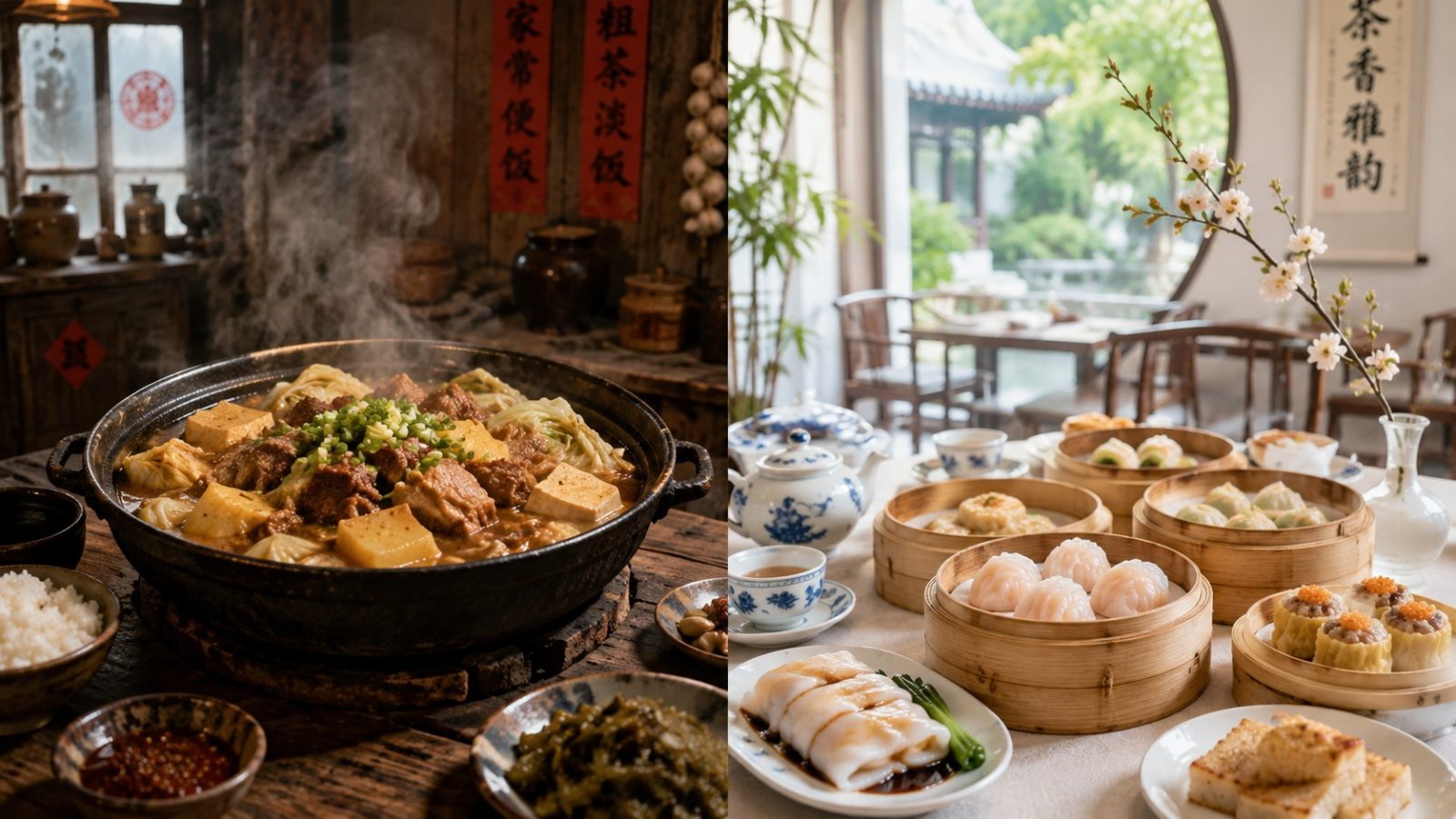
Imagine two different breakfasts. In Harbin, in the far northeast, it is -20°C outside. Inside a rustic restaurant, you sit before a massive iron pot stuffed with pork, potatoes, and green peppers, simmering in a thick, salty broth. The portion is enormous, designed to fuel bodies against the bitter cold. Hundreds of kilometers away and four time zones later in sunlight, in Guangzhou, breakfast is a quiet affair of bamboo steamers. Delicate shrimp dumplings, char siu buns, and bowls of congee are served with hot tea. This is not just preference; it is survival adapted into art.
Climate Dictates the Plate
For centuries, Chinese cuisine has been shaped by geography more than by imperial decree. The vast country spans multiple climate zones, creating distinct agricultural bases that define local diets.
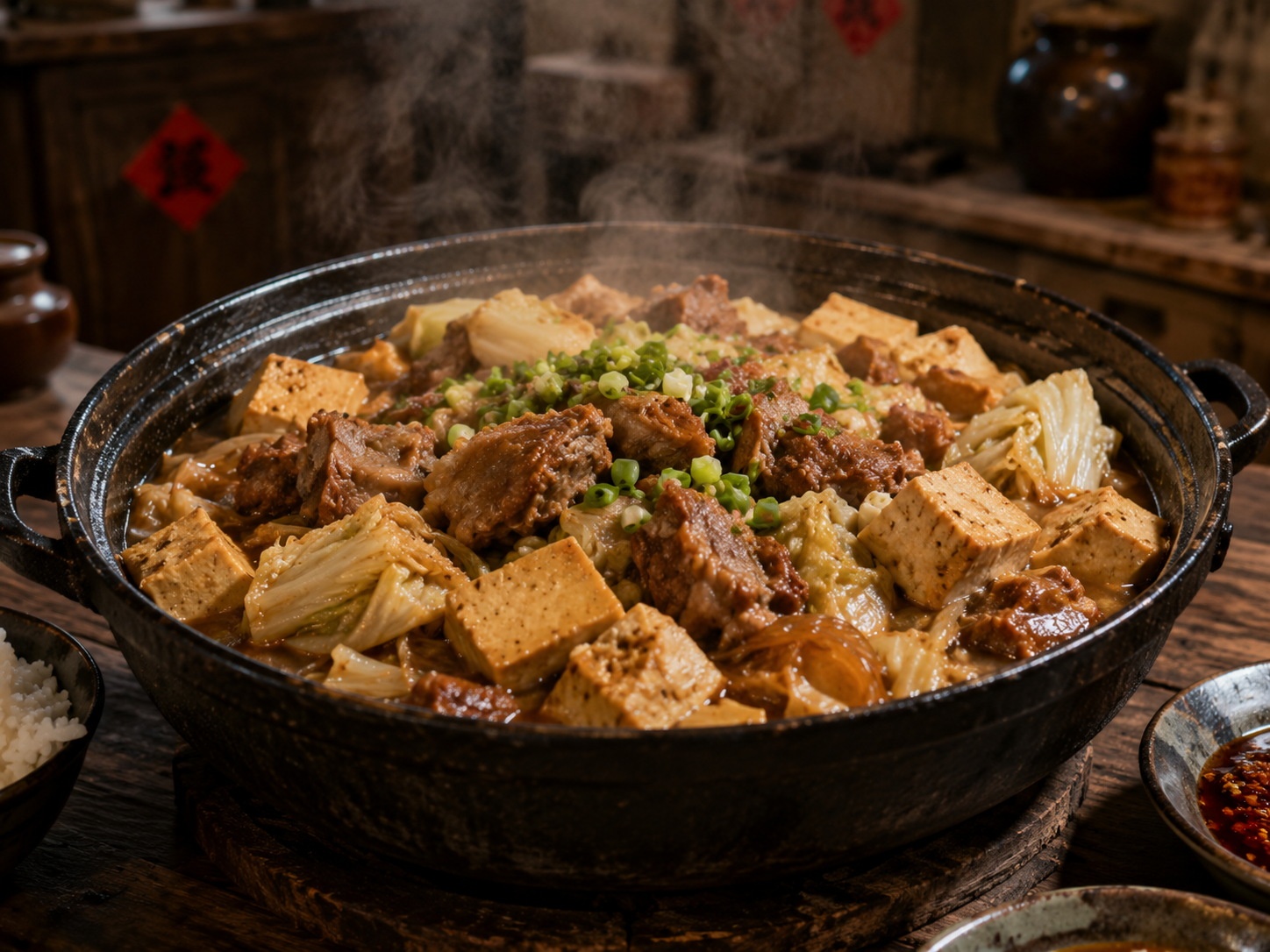
In the north, the growing season is short, and winters are harsh. Historically, preserving food was key. This led to a reliance on root vegetables like potatoes and napa cabbage, which store well, and hearty meats. Cooking methods favored slow stewing and braising to retain heat and calories. The heavy use of soy sauce and garlic also served as natural preservatives.
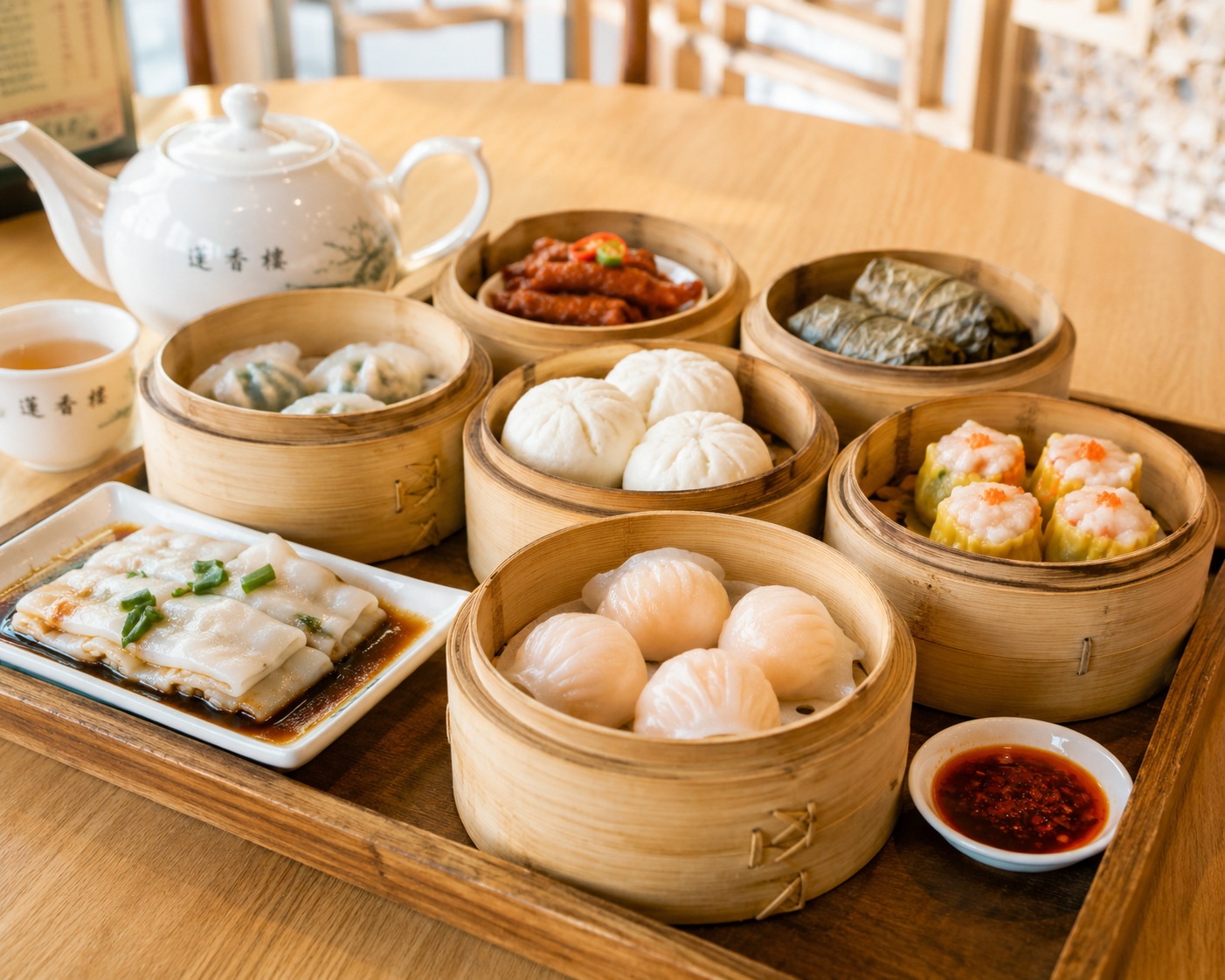
In contrast, the south, particularly Guangdong province, enjoys a subtropical climate. Abundant rainfall and long summers allow for year-round cultivation of fresh vegetables, rice, and aquatic products. The goal here is often to highlight the natural flavor of the ingredient rather than mask it with heavy spices. Steaming, stir-frying quickly, and poaching became the standard techniques, preserving texture and freshness.
More Than Just Spicy vs. Mild
Outside observers often simplify Chinese food into “Northern is salty/starchy” and “Southern is sweet/mild,” but the reality is far more nuanced. Take Sichuan in southwestern China. It is humid and lacks strong sunlight, leading locals to consume excessive amounts of chili peppers. The capsaicin induces sweating, which helps cool the body and combat dampness. This is not about loving spice for its own sake; it is a physiological adaptation to a specific microclimate.
Similarly, the concept of “rice vs. noodles” is a rough but useful divider. Northern China’s dry climate suits wheat, leading to dumplings, noodles, and steamed buns. Southern China’s wet, warm climate favors rice paddies. However, this divide is blurring. In Shanghai, you might find rice noodles for breakfast and wheat-based pancakes for dinner. The strict regional boundaries are softening.
The Logistics Revolution
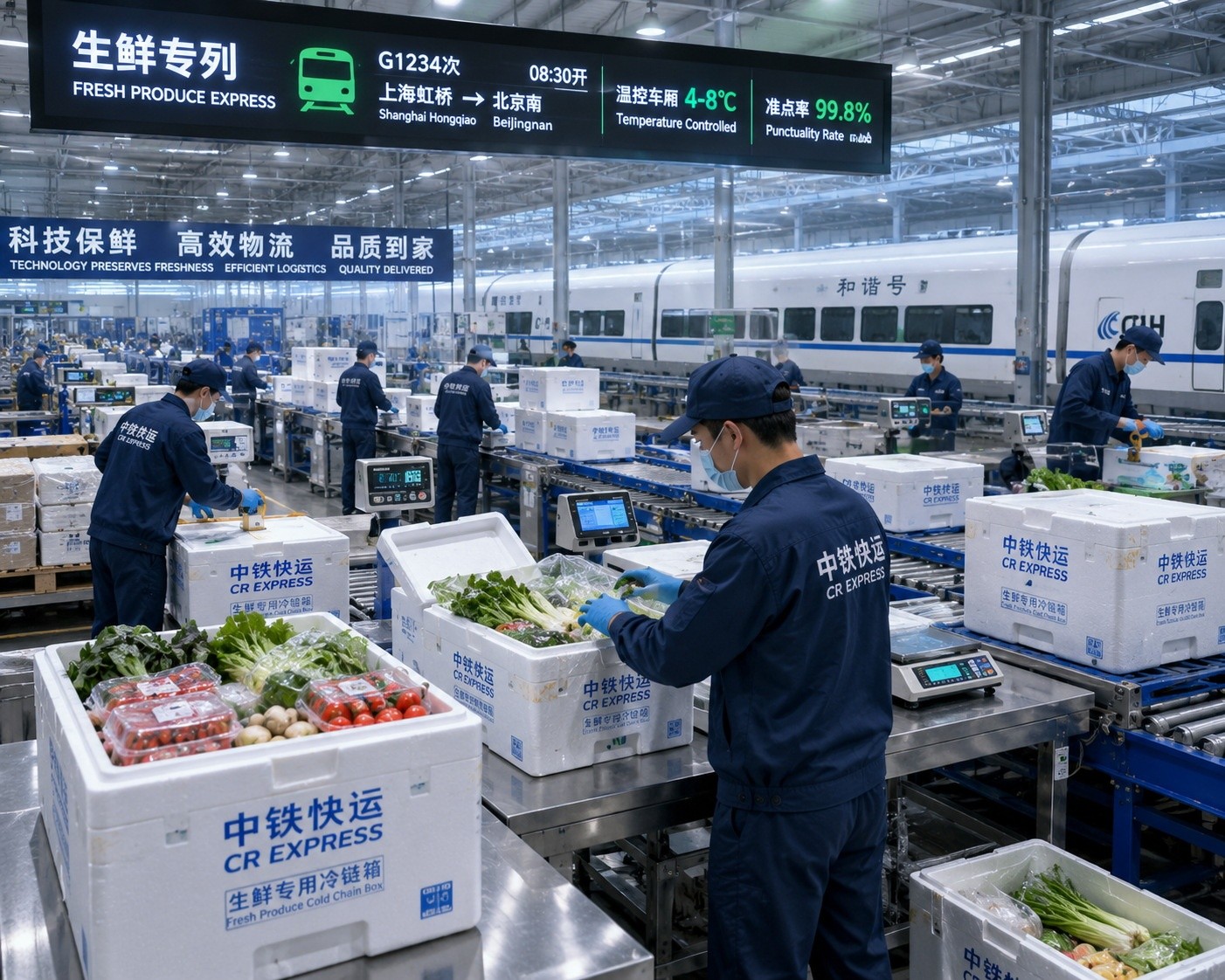
Today, the biggest change in Chinese food is not tradition, but speed. Thirty years ago, eating a fresh crab from the Yangtze River Delta in Beijing was impossible. Today, high-speed rail and cold-chain logistics make it routine. A package of fresh Hainan mangoes can reach a doorstep in Heilongjiang within 48 hours.
This logistical miracle has transformed urban dining. In Shenzhen, a tech hub with migrants from every province, you can find authentic Lanzhou beef noodles, Hunan stir-fries, and Cantonese dim sum all on the same street. The market responds to demand: if there are enough northerners in Guangzhou, they will open a proper pot-sticker shop. This migration of taste means that “authenticity” is no longer tied solely to location, but to the skill of the chef and the quality of supply chains.
Food as Social Glue
Despite these regional differences, food remains the primary language of connection in China. The communal nature of Chinese dining—sharing plates in the center of the table—mirrors the society itself. Whether it is a family reunion dinner during the Lunar New Year or a business banquet, eating together is the ultimate sign of trust.
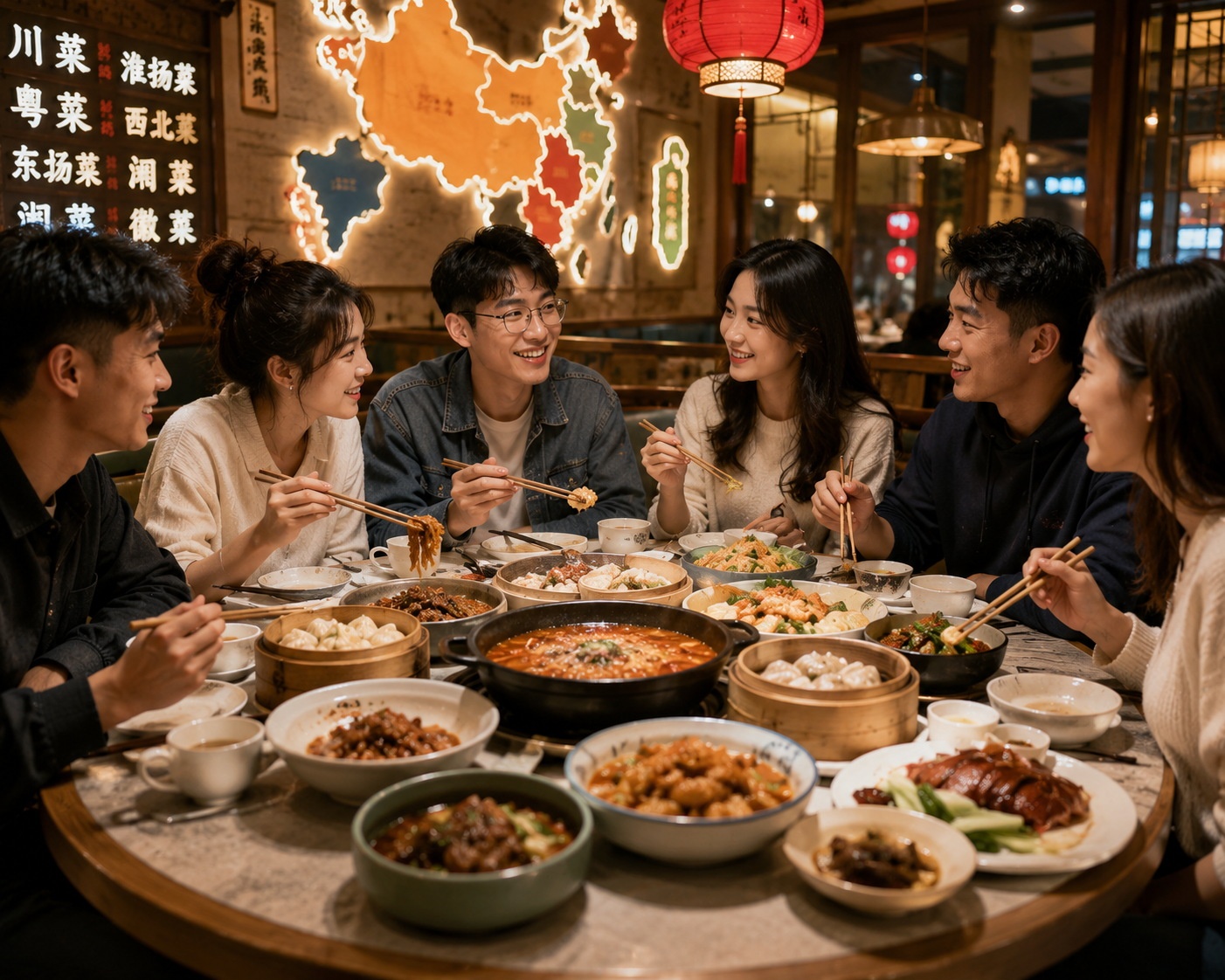
For young Chinese people, exploring regional food is also a form of cultural discovery. Traveling to eat has become a major trend. A university student from Ningbo might travel to Xi’an specifically to taste the local roujiamo (Chinese hamburger), while a tech worker in Hangzhou might visit Chengdu not just for pandas, but for the hotpot experience. These journeys are not just about calories; they are about understanding the people who live there.
A Unified Diversity
China’s food map is not a set of isolated islands. It is a connected network. The chili peppers from Guizhou are now staple ingredients in Sichuan kitchens. The tea from Fujian is brewed in Beijing teahouses. The modern Chinese eater is a hybrid: they may crave the comfort of their hometown’s noodles but celebrate with the bold flavors of a distant province.
Understanding this diversity is key to understanding China today. It is a country that values local identity while being deeply integrated through infrastructure and commerce. When you look at a menu in Chengdu, you are not just seeing food; you are seeing a history of climate, geography, and human adaptation, all simmering together in one pot.