

A Chance Encounter in a Tea Shop
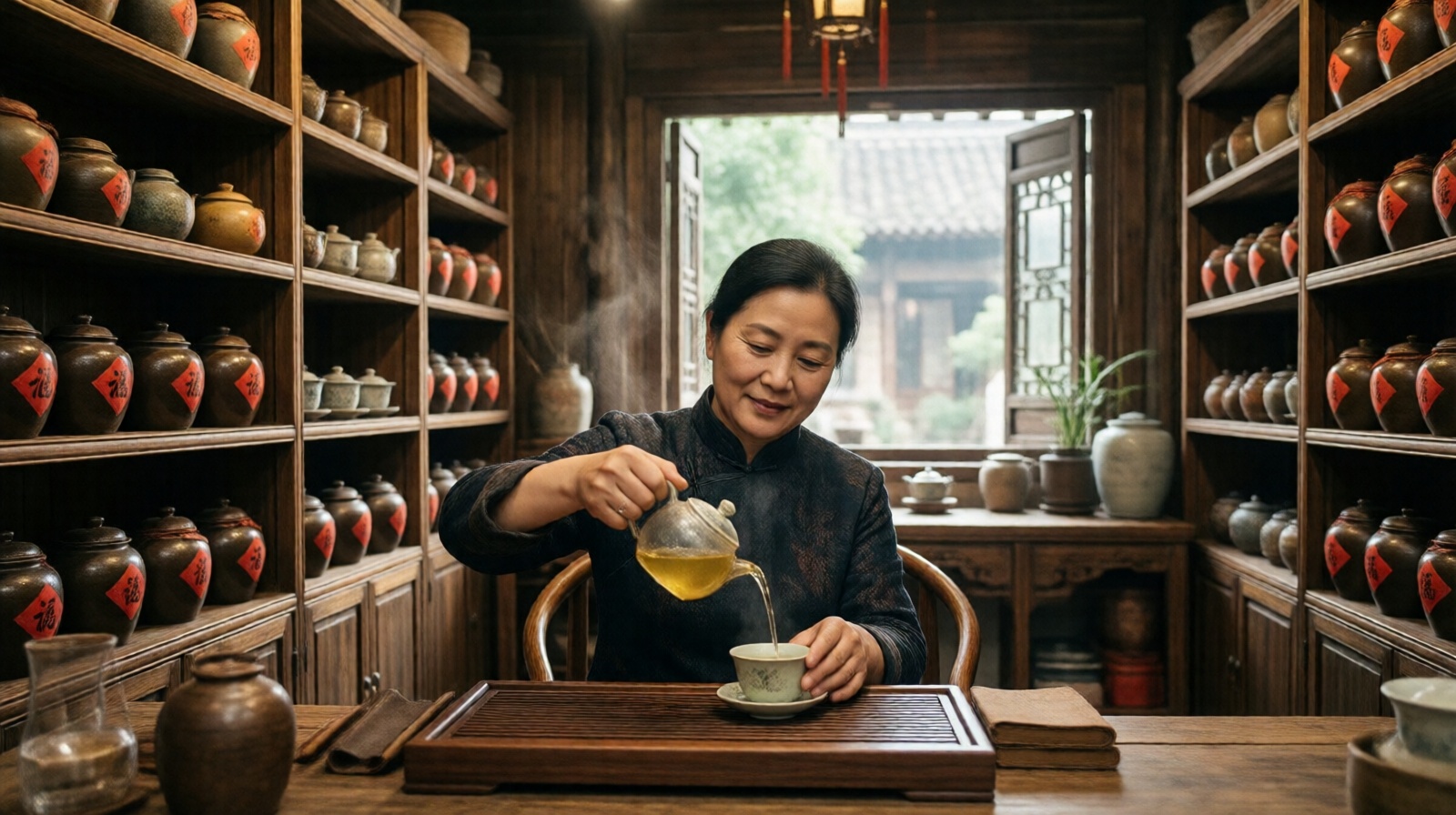
I didn’t set out to find yellow tea. I was browsing a small tea shop in Hangzhou, drawn in by the scent of jasmine. The owner, a woman in her fifties with calloused hands, handed me a cup of pale golden liquid without a word. It smelled like toasted rice and fresh hay, with a hint of apricot. “This is yellow tea,” she said. “Most people don’t know about it. It’s like a secret.” I was intrigued. In a country where green tea rules and dark tea has a cult following, how could a whole category of tea stay so hidden?
What Makes Yellow Tea Different? The ‘Yellowing’ Process
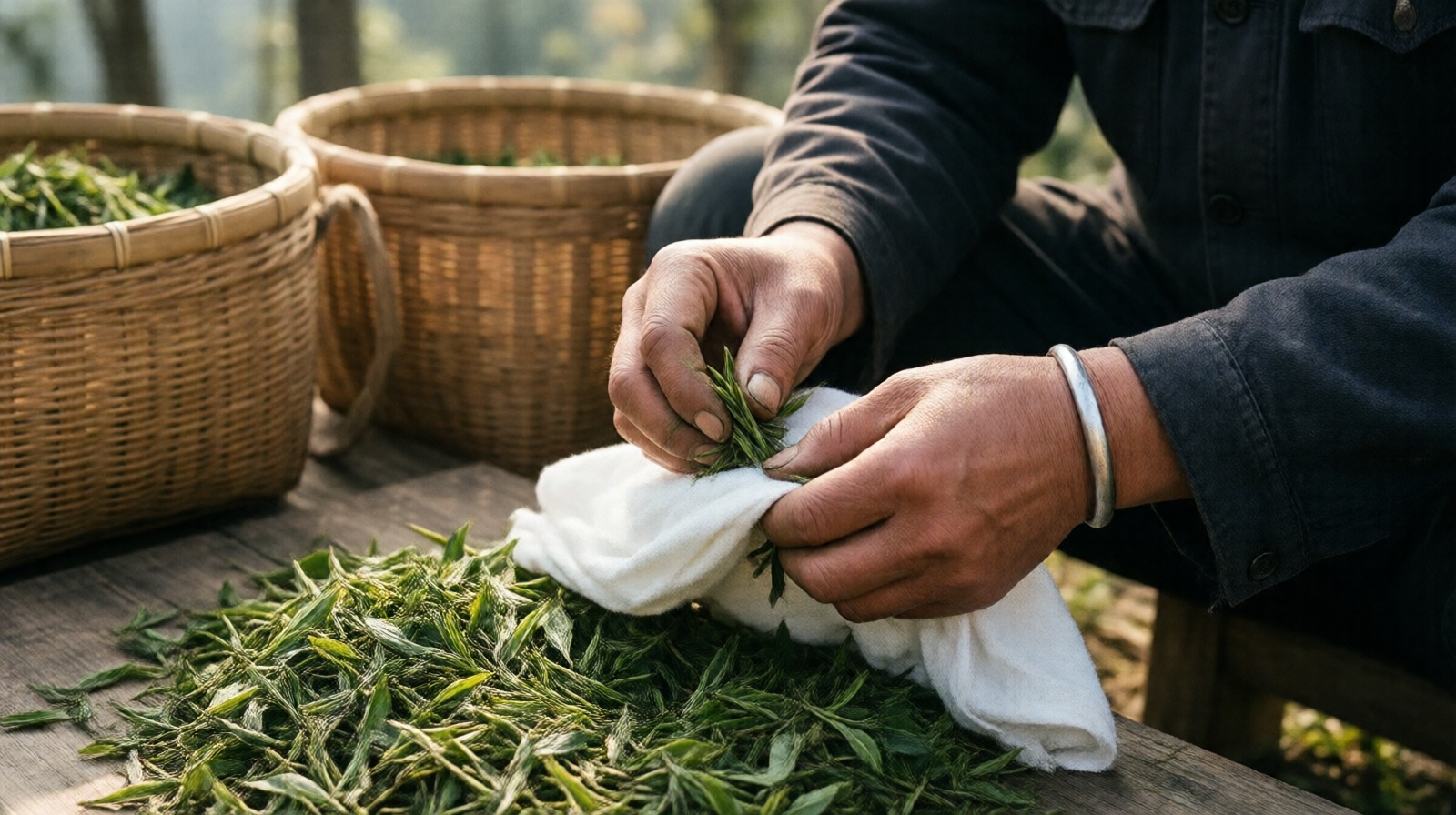
The key is a step called men huang (闷黄), or “sealing yellow.” After the leaves are pan-fired (like green tea), they are wrapped in cloth or paper and left to rest in a warm, humid environment. This slow oxidation stage, which can last hours or even days, breaks down chlorophyll and reduces bitterness. The result is a tea that is smoother, sweeter, and less astringent than green tea, with a distinct yellow liquor. Unlike oolong or black tea, which undergo deliberate oxidation, yellow tea’s transformation is subtle — it’s often described as “a green tea that has learned patience.”
Only a handful of regions in China still produce yellow tea: Junshan Island in Hunan (Junshan Yinzhen), Huoshan in Anhui (Huoshan Huangya), and Mengding in Sichuan (Mengding Huangya), among others. Annual production is tiny — perhaps less than 1% of China’s total tea output. Historically, it was a tribute tea reserved for emperors. Today, it remains an artisanal craft, passed down through families.
Why Is Yellow Tea So Rare?
Two reasons: labor and demand. The yellowing process requires precise temperature and humidity control, and experienced tea masters who can judge when the leaves are ready. It’s risky — over-yellowing ruins the batch, under-yellowing yields a green tea. Most tea farmers have switched to easier, more profitable green tea production. On the demand side, few consumers outside China have even heard of yellow tea. Even in China, many tea drinkers have never tasted it. But in its home villages, it’s still part of daily life. In Huoshan County, older farmers start their day with a strong brew of Huoshan Huangya, believing it aids digestion.
Ordinary People’s Yellow Tea Stories
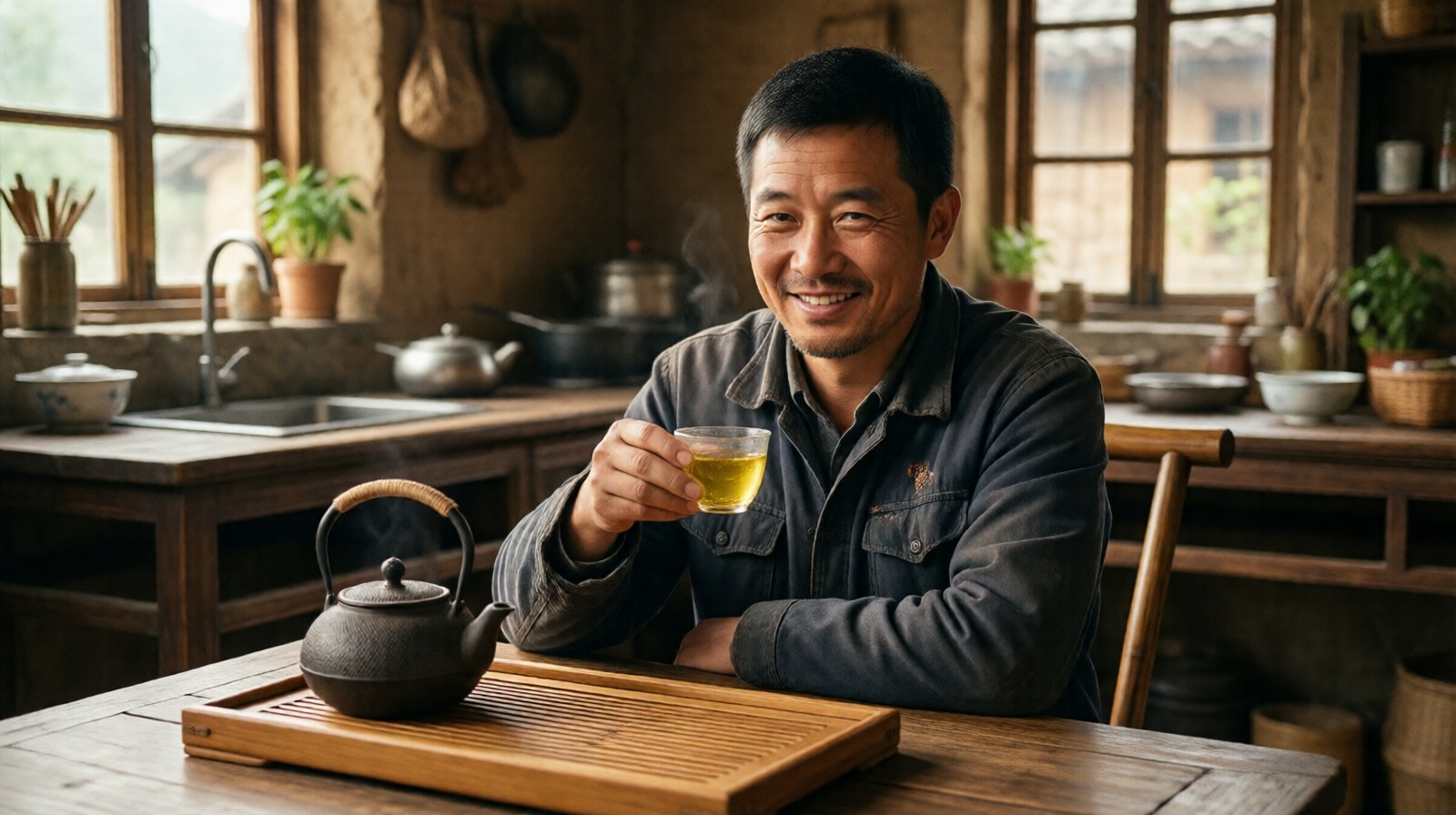
I spoke to Chen, a 62-year-old tea farmer in Huoshan. He harvests only a small plot of tea bushes for yellow tea. “My grandfather taught me the yellowing method,” he said, gesturing to a bamboo basket covered in cloth. “It takes time. Green tea is quick. But the taste — smoother, sweeter. My wife likes it because it doesn’t hurt her stomach.” Another drinker, Liu, a 35-year-old teacher from Chengdu, tried yellow tea on a trip to Mount Mengding. “I was surprised it was so mild. I usually drink green tea, but this felt… gentler. Now I buy it online whenever I can.” Demand is slowly growing, especially among younger Chinese who seek out traditional crafts and unique flavors.
How to Taste Yellow Tea
Brewing is simple: use water around 80°C (176°F) — just after boiling, let it cool for a minute. Place about 3 grams of leaves in a gaiwan or small teapot. Rinse briefly, then steep for 30 seconds for the first infusion. The liquor should be pale yellow with a soft, nutty aroma. You can resteep the leaves 3-4 times. Look for yellow tea from reputable sellers — try specialty tea shops in China’s tea markets, or online stores like Yunnan Sourcing, Teavivre, or What-Cha. If you’re in China, ask at any old-school tea shop; chances are the owner will be delighted to share a secret.
Yellow Tea as a Mirror of China
Yellow tea teaches patience. In a world that prizes speed, it’s a reminder that some things — like a cup of tea, or a relationship — improve when you slow down. It’s not flashy or famous, but for those who take the time, it’s wonderfully rewarding. China has many such hidden gems: places, traditions, and tastes that don’t make the headlines but define everyday life. So next time you’re exploring Chinese tea, ask for yellow tea. You might just discover a secret worth savoring.