

The Difference Between a Package and a Promise
If you order dinner in China, a rider drops off three or four meals at your apartment door. It is efficient, but it is also impersonal. Now, imagine a different scenario: You have just realized the contract you need for a crucial business meeting is still on your desk across town. Or perhaps a family member has fallen ill, and you need a specific prescription delivered immediately.
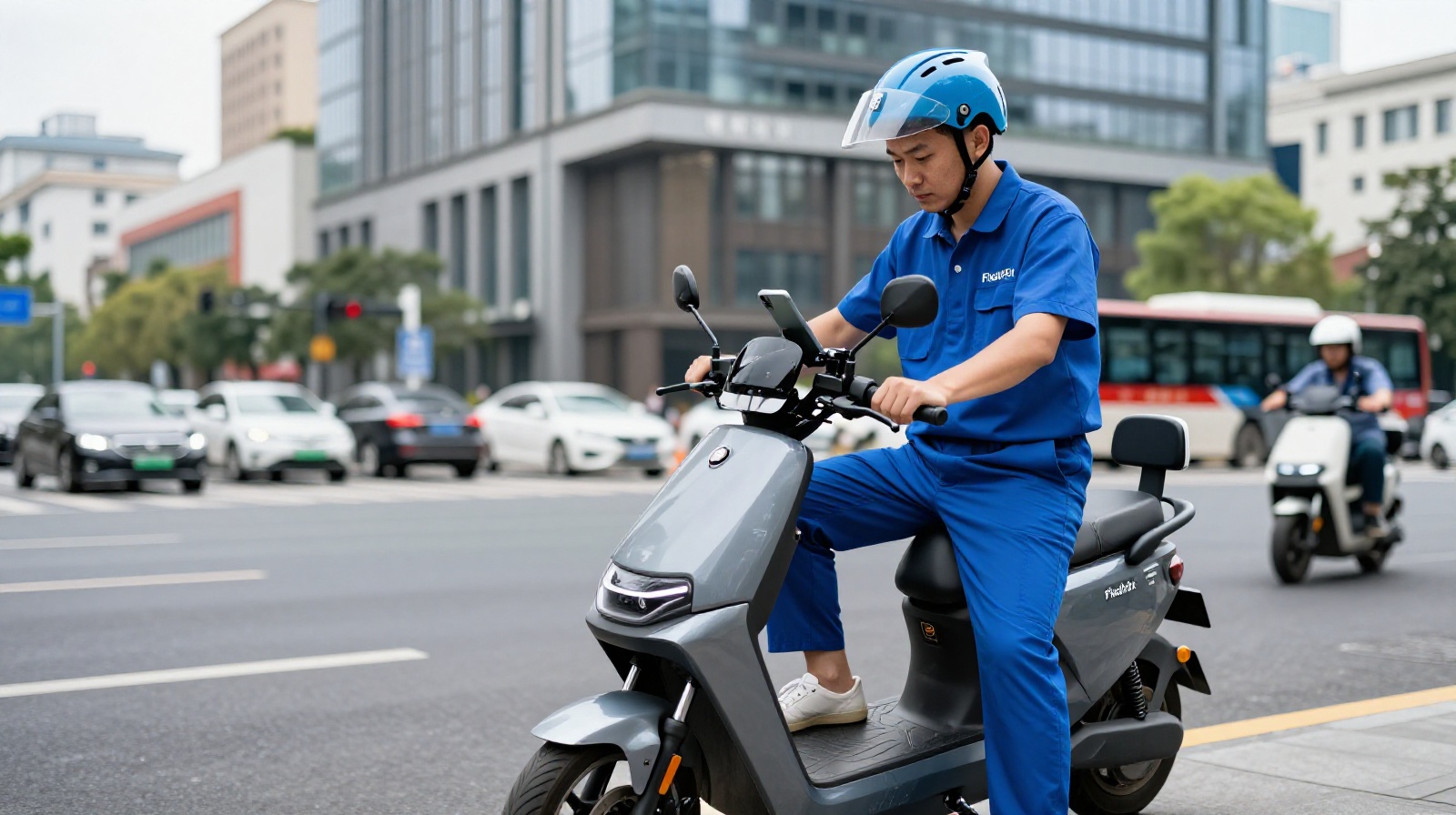
This is where FlashEx (Shansong) differs from standard food delivery. FlashEx is not a mass logistics network; it is a point-to-point emergency service. The core rule is simple: one rider, one order, one recipient. There are no stops at other apartments. The rider does not wait for the package to be full. They move directly from A to B, treating every item—whether it is a passport, a set of house keys, or a vial of medicine—as if its value were infinite.
Running Against the Clock: A Case Study
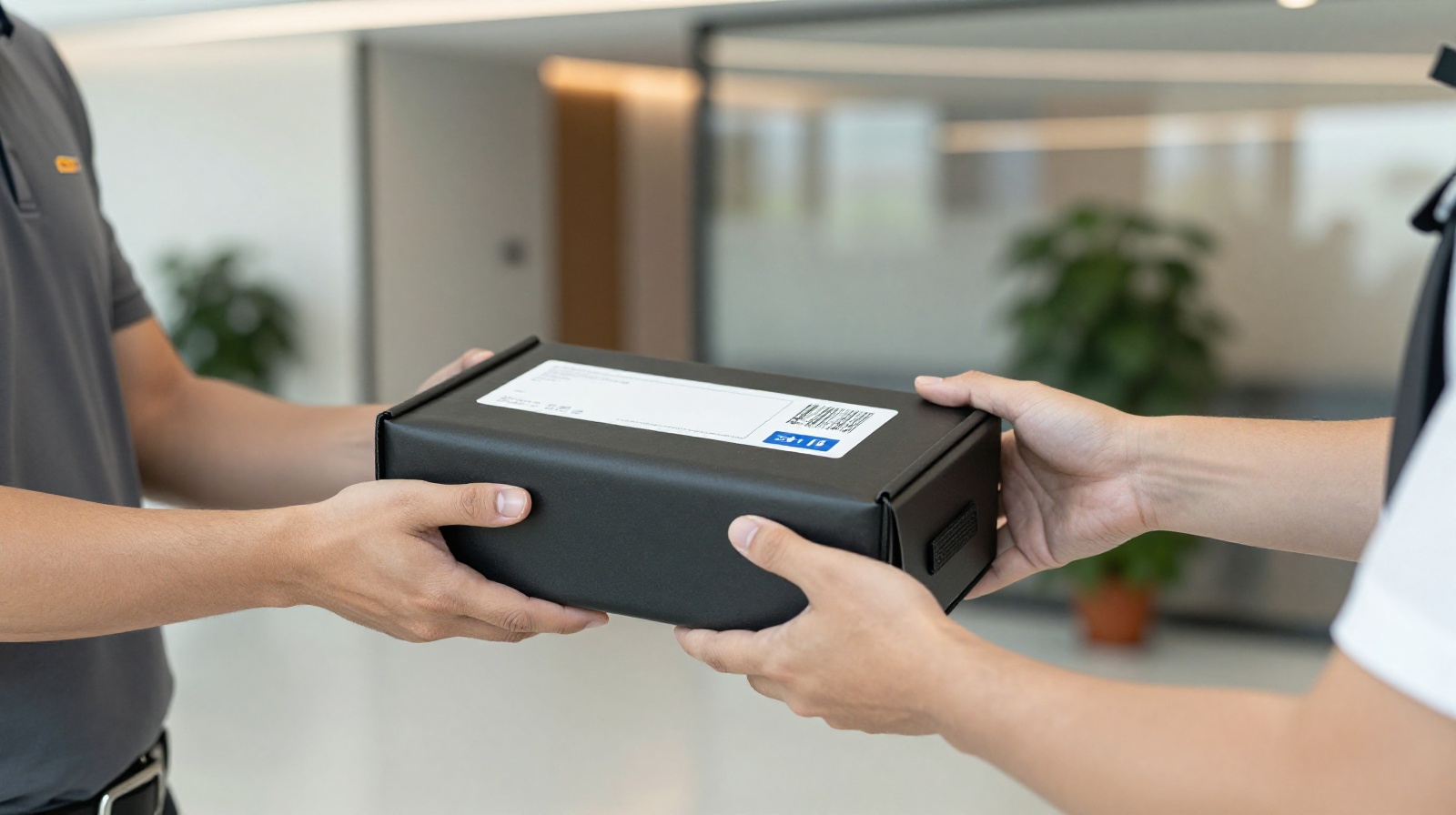
Consider the story of Li Wei, a FlashEx rider in Shanghai. It was 6:30 AM on a rainy Tuesday. His phone buzzed with an urgent request: a young job seeker needed to deliver original resumes and certificates to a corporate headquarters before a 9:00 AM interview. The applicant had left the documents at home in panic.
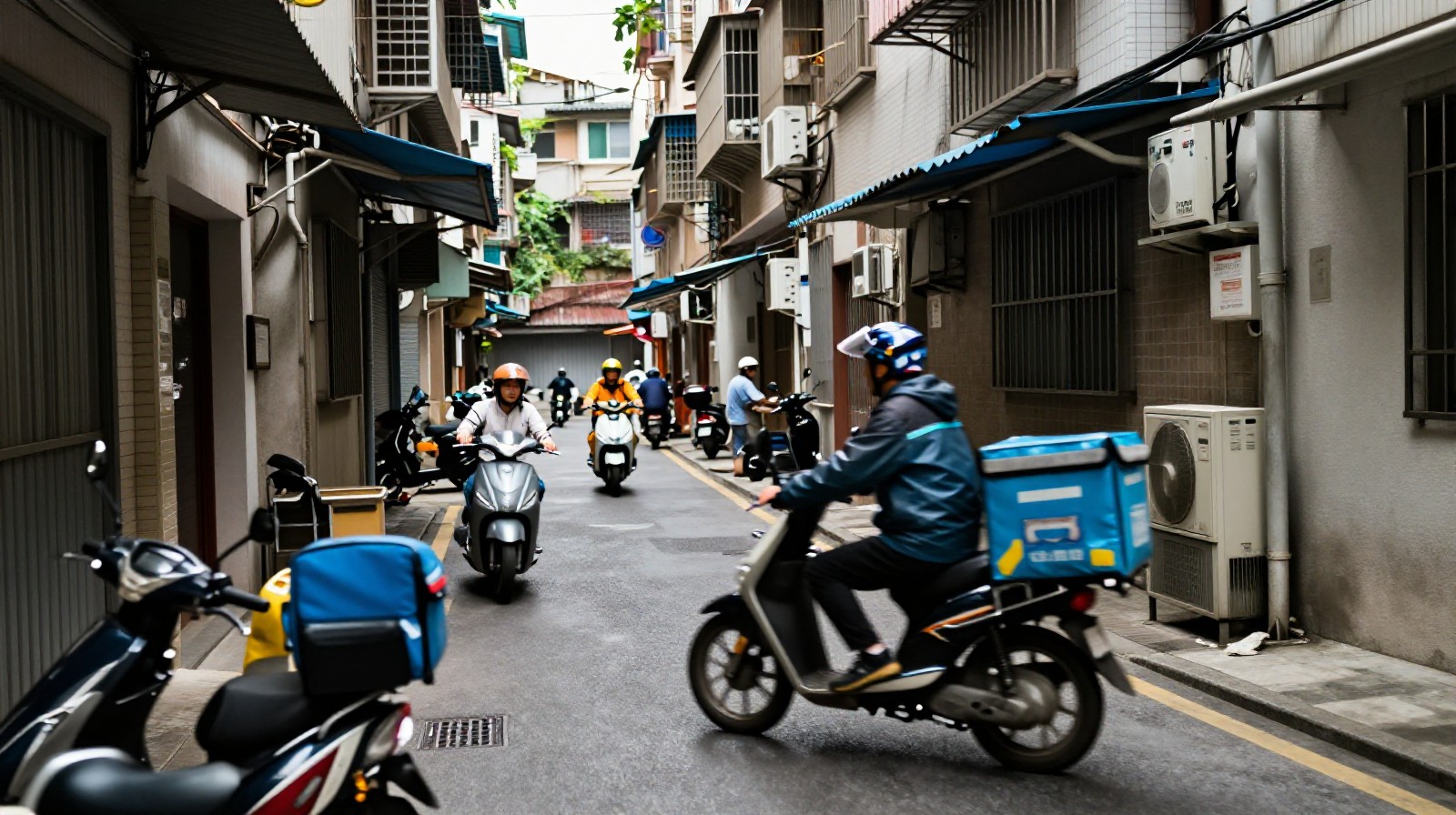
Li picked up the waterproof bag and navigated through the wet streets. Traffic lights were long, and rain slicked the roads. In a standard delivery model, Li might have been delayed by picking up another order. But under FlashEx’s “one-to-one” model, his sole focus was this single mission. He used his knowledge of narrow alleyways to bypass major traffic jams, cutting through commercial districts that cars couldn’t easily access.
He arrived at the office tower at 8:45 AM, five minutes before the interview started. The client wasn’t just happy; she was relieved. For Li, this wasn’t about the delivery fee. It was about being the bridge between someone’s anxiety and their opportunity. In this moment, he wasn’t just a courier; he was a participant in someone else’s life trajectory.
The Psychology of the “Urban Messenger”
FlashEx riders operate in a high-pressure environment that demands more than physical stamina; it requires emotional intelligence. Industry data shows that the average response time for an urgent order is under 10 minutes, with most deliveries completed within 30-40 minutes across major Chinese cities. This speed is not accidental. It is the result of a system designed to eliminate ambiguity.
Unlike food delivery, where the product is consumable and replaceable, the items transported by FlashEx are often irreplaceable in the short term. A lost key means being locked out; a missing document means losing a chance. Riders know this. They carry a sense of responsibility that goes beyond the app’s algorithm. Many riders develop what sociologists might call “emotional labor” skills: calming a panicked client, offering a dry towel in the rain, or simply ensuring the package is handed over with care.
This professionalization of emergency delivery reflects a broader shift in China’s service economy. As urban life becomes more atomized and fast-paced, people increasingly rely on strangers to manage their time-sensitive crises. The rider becomes a trusted proxy, a temporary extension of the user’s own capability.
The Invisible Thread of Modern Urban Life
Some critics might argue that relying on gig workers for such critical tasks highlights the fragility of urban infrastructure. However, it is more accurate to view FlashEx riders as the capillaries of the city’s metabolic system. While highways and subways move masses, these individual riders move moments.
In a country with over 1.4 billion people, where major cities are dense and traffic congestion is a daily reality, the ability to bypass traditional bottlenecks is a form of social lubricant. FlashEx has processed hundreds of millions of orders annually in recent years, not because people are lazy, but because they value time and certainty above all else.
Conclusion: More Than Just a Delivery
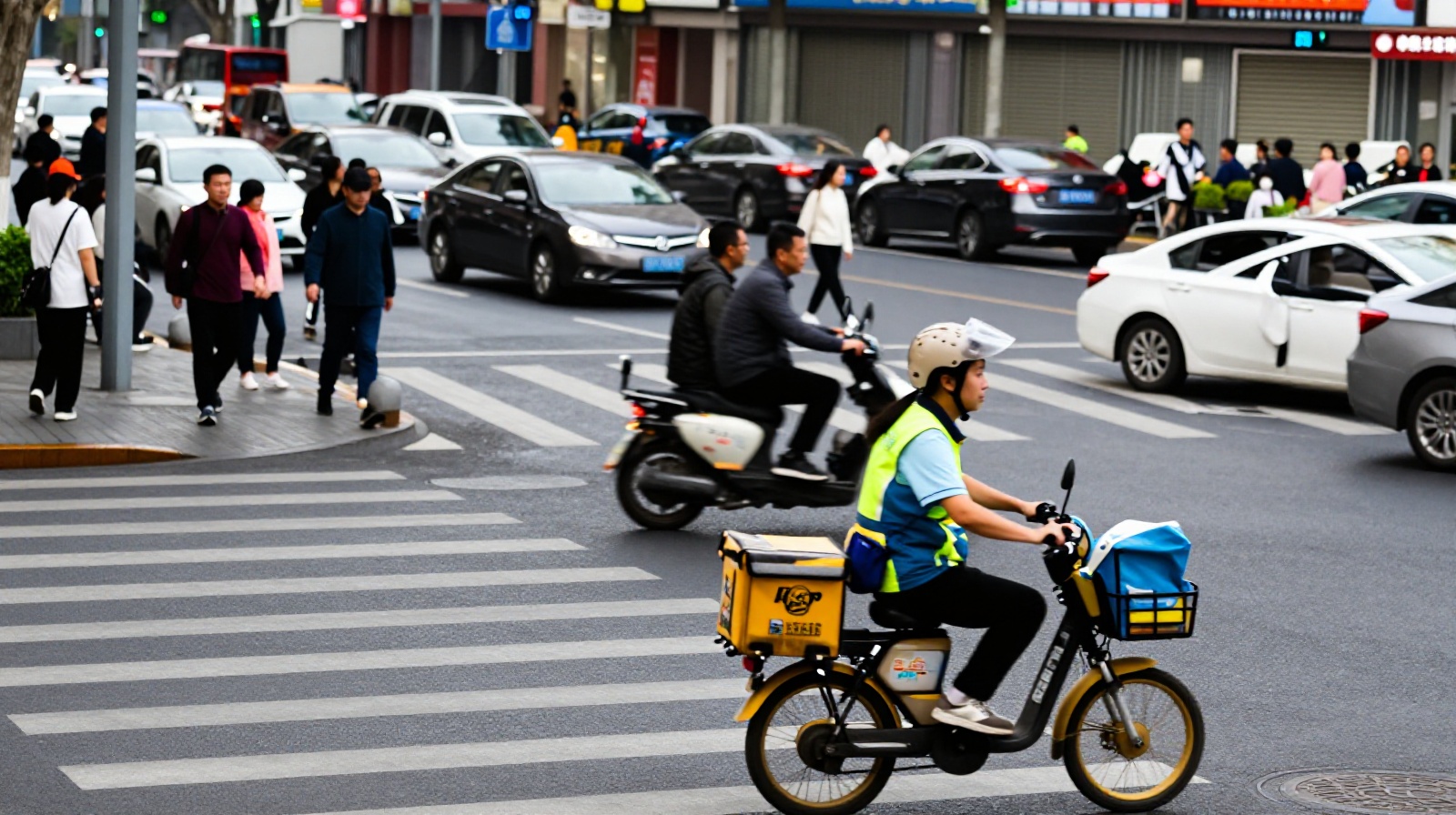
When you see a rider in a blue or yellow jacket weaving through traffic, look closer. They are not just moving objects. In the context of China’s rapid urbanization, they are the marathon runners of urgent secrets. They carry the weight of missed train tickets, forgotten passports, and emergency medicines. They are the silent guardians of the city’s rhythm, ensuring that when life throws a curveball, someone is there to catch it.