

Not Just a Postcard
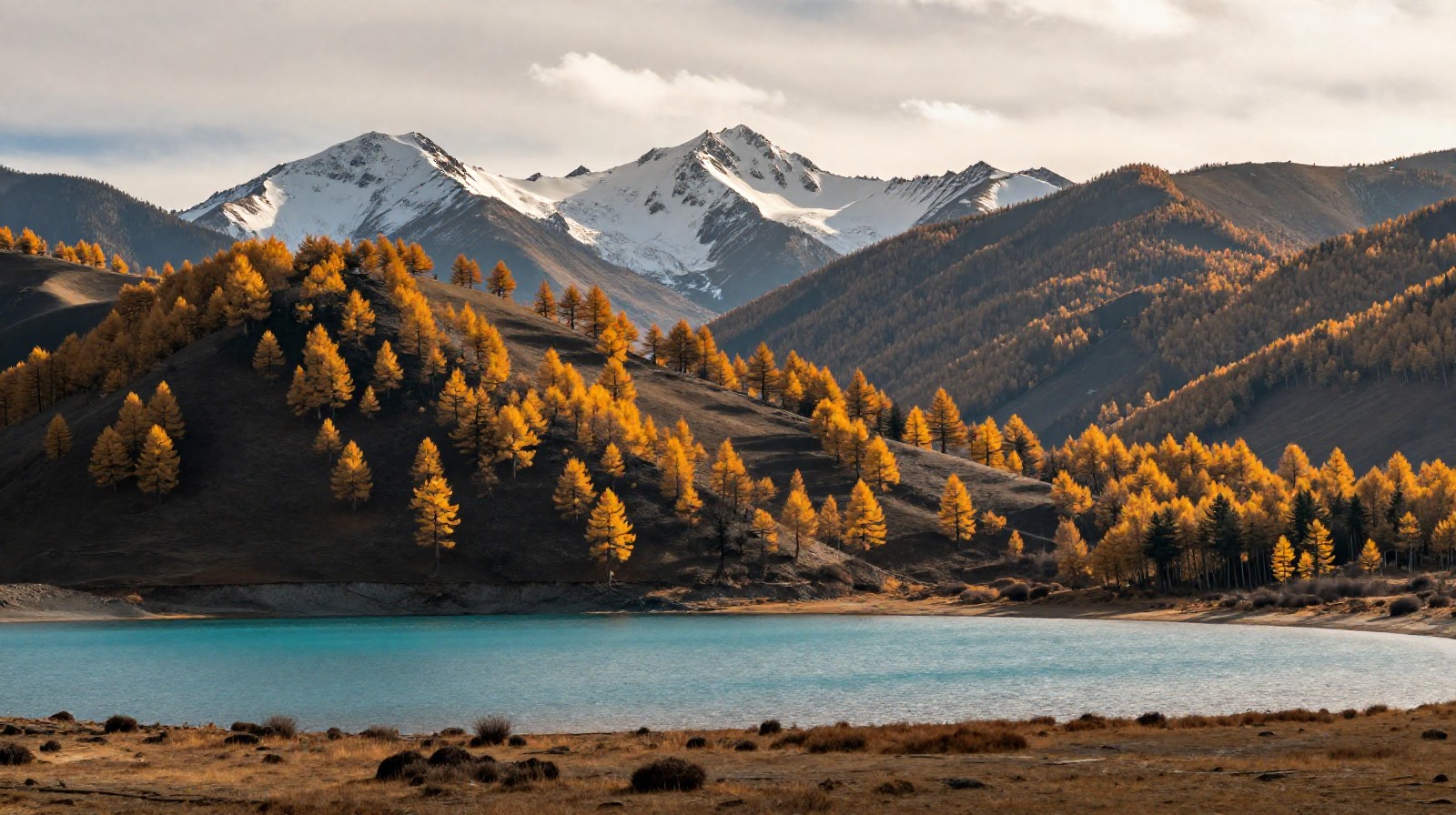
Most travelers arrive at Jiuzhaigou Valley with a mental image of turquoise lakes and waterfalls, ready for a quick photo op. But the real journey begins long before you reach the park gates, on the winding roads that climb from 1,500 meters into the 4,000-meter Tibetan Plateau. This is not just a scenic drive; it is a transition into a different world.
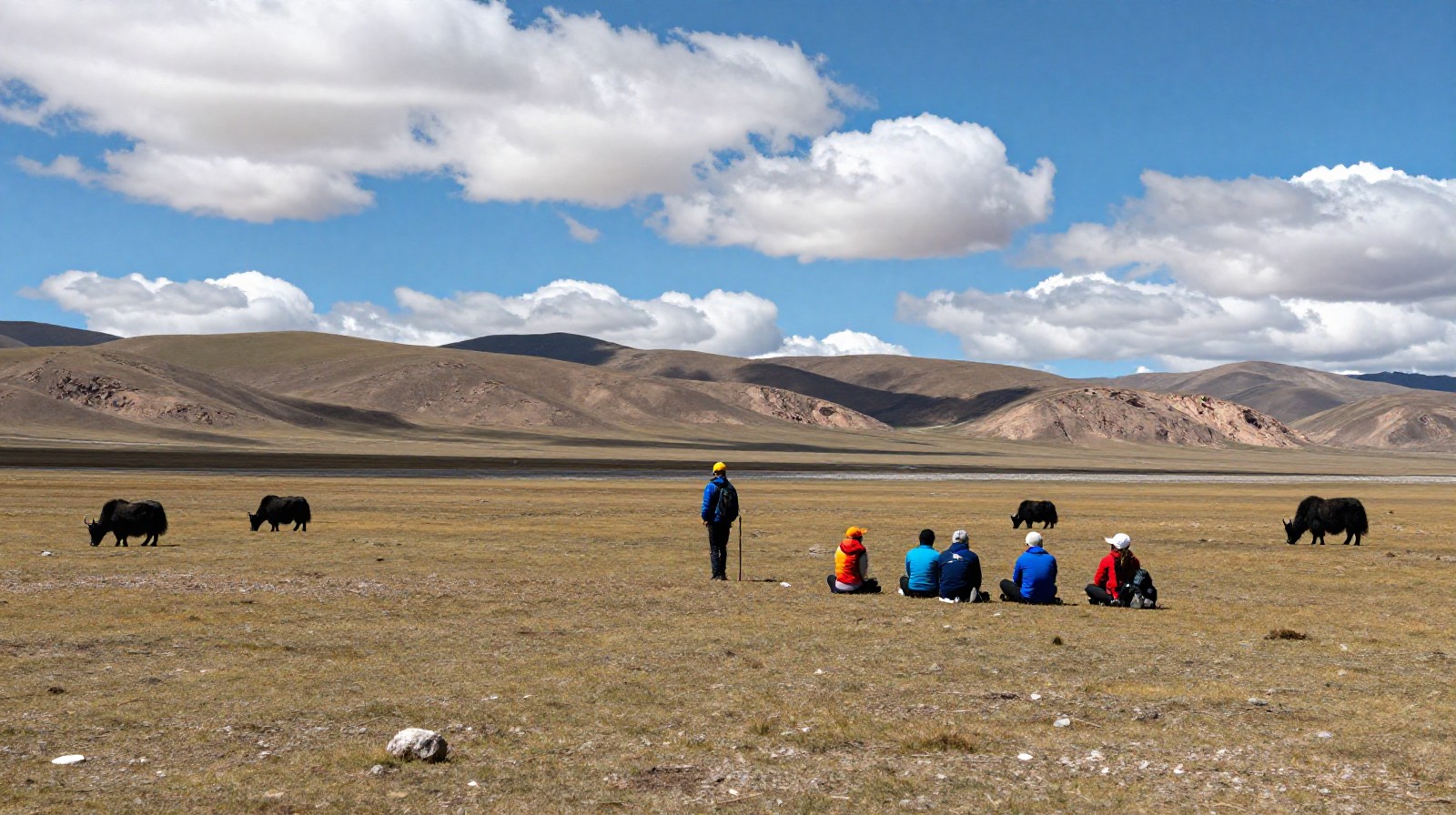
Western Sichuan, often called “Eastern Tibet” by locals, sits at the edge of the plateau. Here, the landscape shifts dramatically in minutes: from lush pine forests to jagged snow-capped peaks, then to stark, windswept grasslands where yaks graze like scattered stones. The air grows thinner with every kilometer, a physical reminder that you are entering a realm where nature commands respect.
The Road Less Traveled
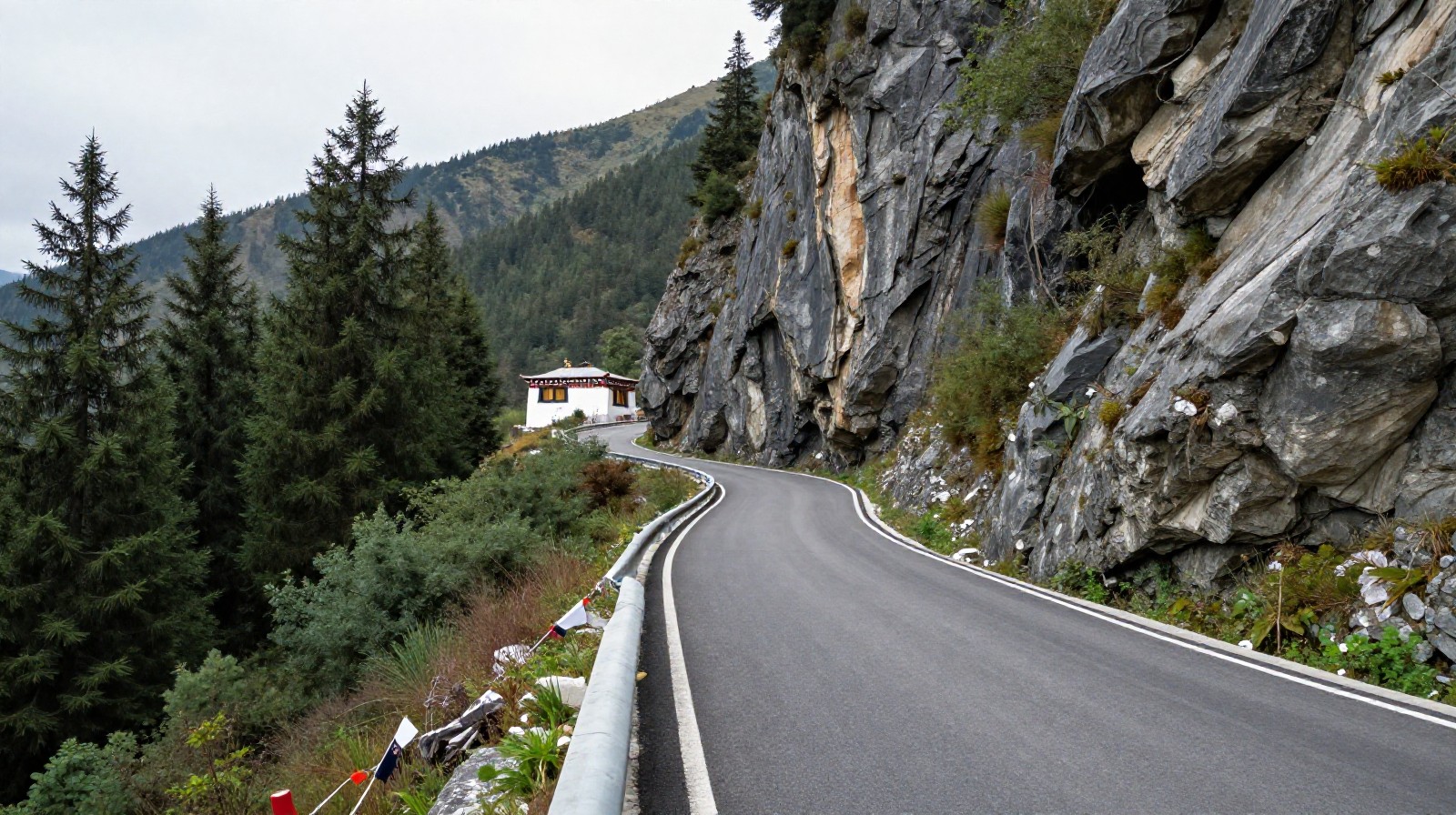
Driving the 540-kilometer route from Chengdu to Jiuzhaigou is an experience in itself. The highway, mostly completed only in recent years, cuts through mountains that were once impassable obstacles. As you ascend, the road narrows, hugging cliffs with sheer drops. You might pass a single truck carrying timber or a line of slow-moving tourists in a battered bus.
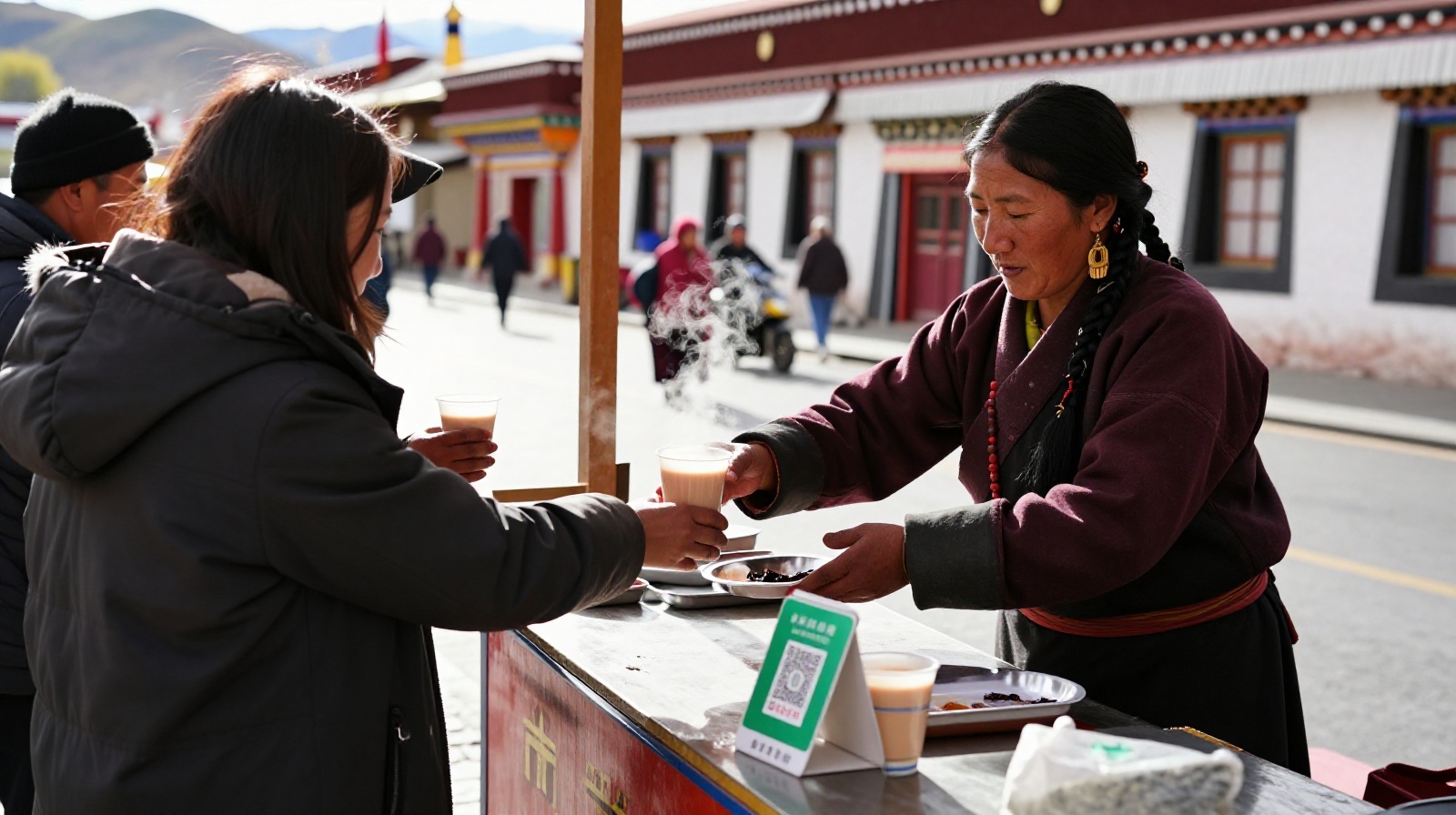
Yet, this isolation is changing rapidly. Small roadside stalls selling hot milk tea and yak meat skewers now appear where there were once only wild shrubs. These aren’t corporate chains; they are family-run operations where the owners, often local Tibetan women, speak a mix of Mandarin and their native language while accepting mobile payments via QR codes.
Life at 4,000 Meters
The cultural fabric here is woven tightly with tradition and adaptation. In villages like Tuo’er or those near the entrance to Jiuzhaigou, tourism has brought both opportunity and pressure. Young locals are returning from cities to run homestays, blending modern comfort with traditional hospitality.
However, the pace of change brings challenges. Many families navigate a delicate balance: maintaining their ancestral language and religious practices while engaging with the outside world. You will see monks in maroon robes walking alongside teenagers holding smartphones, both heading toward the same local temple for evening prayers. This coexistence is not a performance for tourists; it is simply how life unfolds here.
Respecting the High Altitude
The physical reality of this region cannot be overstated. Acute Mountain Sickness (AMS) can strike anyone, regardless of fitness level. The key is preparation and patience. Most experienced travelers recommend spending a night in Kangding or Wolong before attempting the higher passes.
Hydration is critical—drink more water than you think you need. Avoid alcohol on the first day. If you feel a headache or nausea, descend immediately. There are no shortcuts to acclimatization; your body simply needs time to adjust to the oxygen levels. Many locals carry small canisters of supplemental oxygen, not as luxury items, but as essential safety gear.
A Guide for the Conscientious Traveler
Visiting Western Sichuan requires a shift in mindset from “sightseeing” to “stewardship.” The ecosystem here is incredibly fragile. The alpine meadows, once trampled by overgrazing or careless hikers, take decades to recover.
We strongly advise practicing Leave No Trace principles strictly. Carry out all trash, including food wrappers and toilet paper. Stay on marked trails even when the path seems obvious. Do not feed wildlife; the local deer and birds are not pets.
When to Go
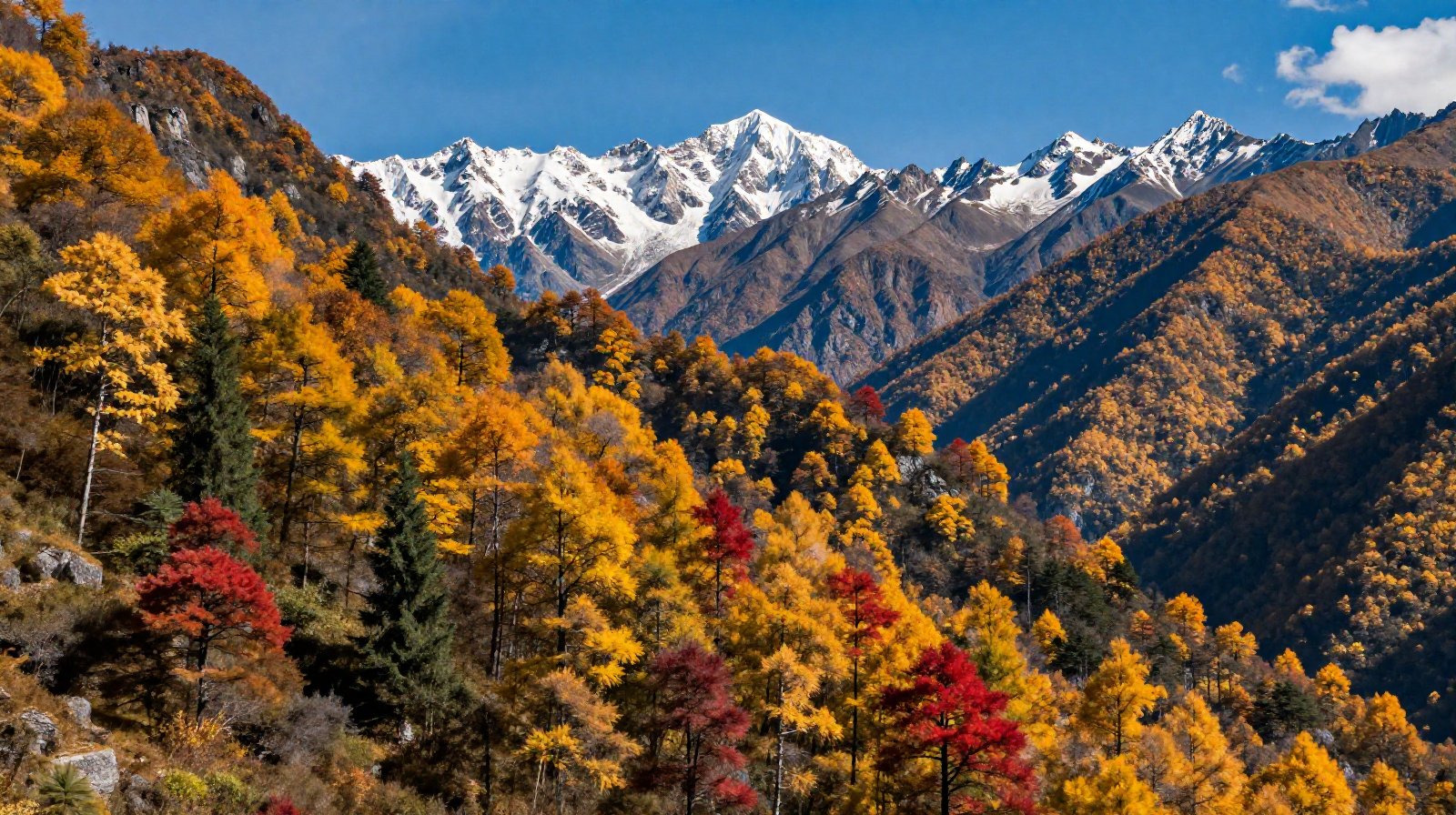
The best time to witness this landscape in its full glory is autumn, typically late September to mid-October. The deciduous forests turn into a mosaic of gold, red, and orange against the eternal blue sky and white snow peaks. Winter offers a stark, silent beauty but comes with road closures due to heavy snow.
Transportation options have improved significantly. Direct high-speed rail is not yet available for the final stretch, so most travelers take a flight to Jiuzhai Huanglong Airport or drive from Chengdu (about 8-10 hours). For those seeking deeper immersion, hiring a local driver who knows the backroads can reveal hidden villages and prayer flags fluttering in the wind.
Final Thoughts
The “Tibetan Frontier” of Western Sichuan is not a theme park. It is a living, breathing landscape where the air is thin, the people are resilient, and the beauty is overwhelming. By traveling with respect for the environment and local customs, you contribute to a sustainable future for this fragile region.
When you finally stand by one of Jiuzhaigou’s lakes or watch the sunset over a high mountain pass, remember that your presence here is a privilege. Take only photos, leave only footprints.