

When a Game Becomes a Compass
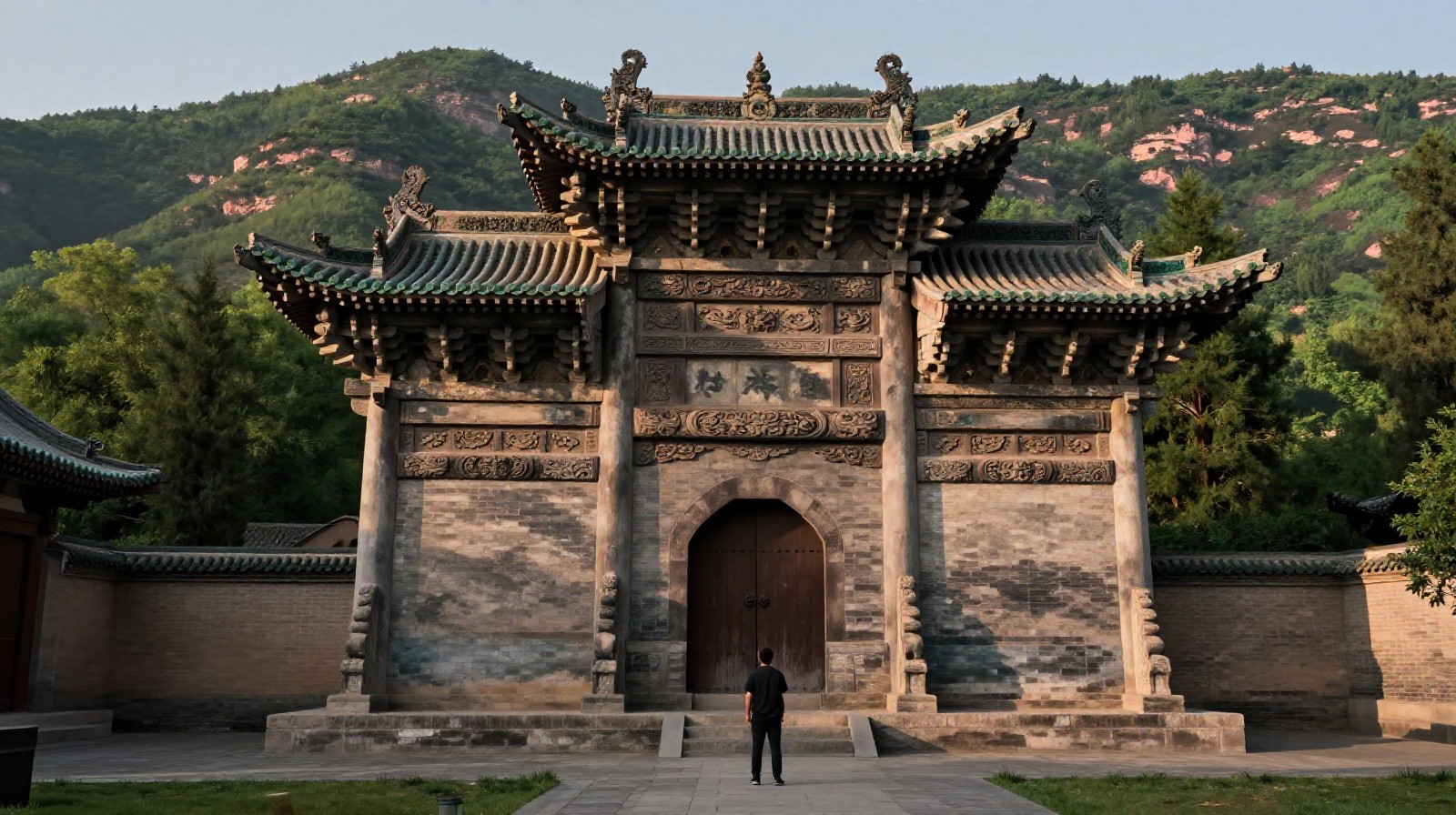
It started with a screenshot. A player in London saw the moonrise over a crumbling stone temple and thought, “This looks like something out of a fantasy novel.” But it wasn’t fiction. It was the Yuhuang Temple in Shanxi Province, China.
Before last year, few Western travelers knew this dusty corner of northern China. Then came Black Myth: Wukong. The game became a global phenomenon, not just for its action, but for its stunningly accurate recreation of real-world architecture. Suddenly, thousands were booking flights to Shanxi, a province known more for coal than culture.
The reality, however, is less cinematic and more raw. The air smells of old wood and incense, not the sterile perfection of a rendered scene. But the connection between the screen and the stone is undeniable.
Walking Through Digital Reality
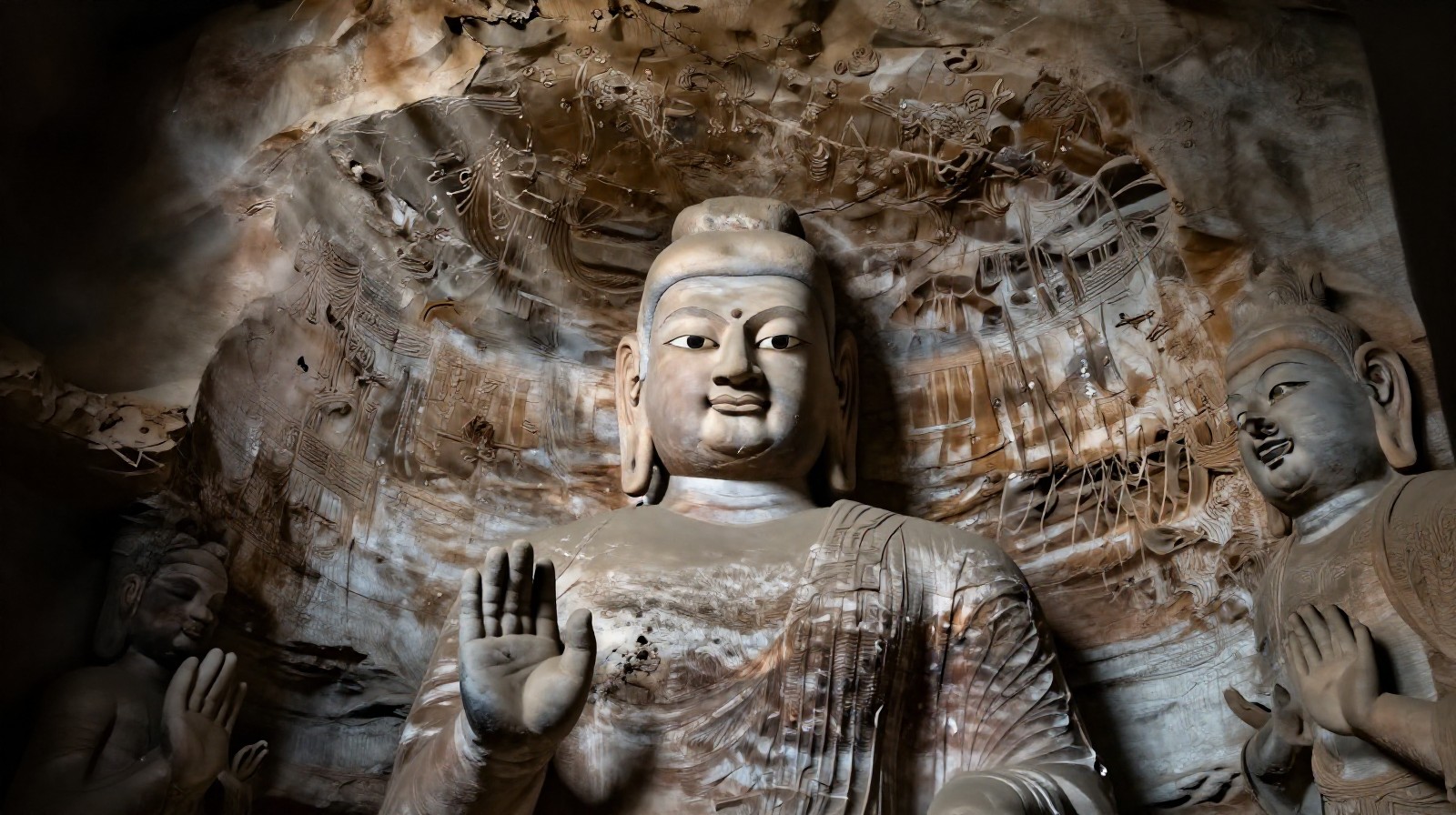
I met Li Wei, a local guide who has lived near the Yungang Grottoes in Datong his whole life. He showed me a statue that looks exactly like one in the game’s opening cinematic. “People come for the character Wukong,” he said, adjusting his cap. “But once they see this face… really see it… they stay for the history.”
The Yungang Grottoes are not just a tourist spot; they are a time capsule carved directly into sandstone cliffs. Dating back to the 5th century, these statues range from tiny figures no taller than a hand to giants over five meters high. The game developers spent months here, scanning every curve and crack. When you stand before them in person, the scale is overwhelming.

But there’s a contrast. In the game, the lighting is dramatic, the colors saturated, and the atmosphere tense. In reality, the light is soft, filtered through dust motes dancing in shafts of sunlight. The silence is heavy, broken only by the distant hum of traffic or the quiet footsteps of fellow pilgrims. It’s a different kind of magic—one that requires you to slow down.
Beyond the Screensaver: Real Stories in Stone
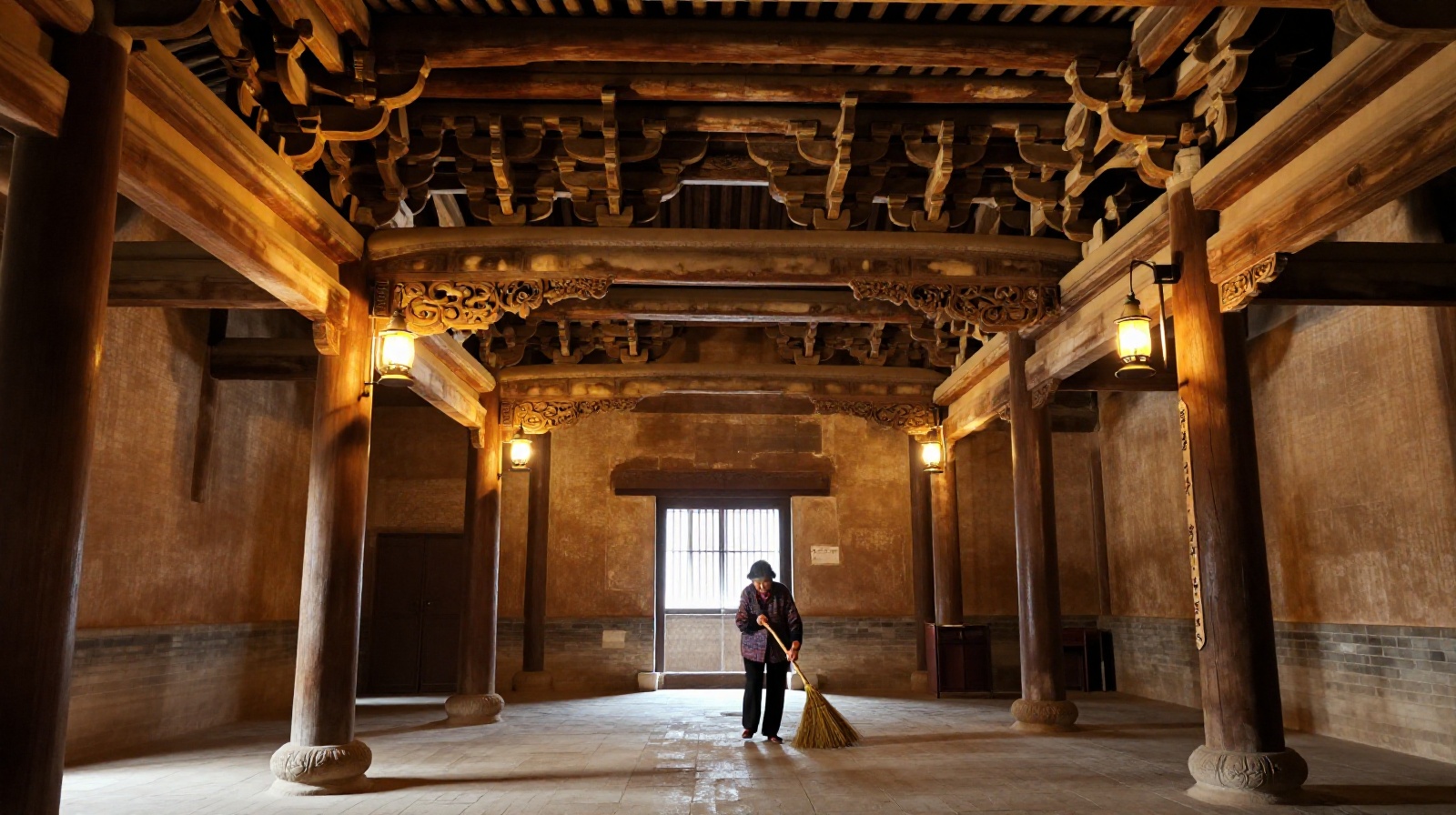
Shanxi holds over 70% of China’s ancient wooden structures, many hidden in rural villages far from the tourist buses. I visited a small village near Pingyao where a temple survives thanks to a family who guarded it for generations.
The owner, an elderly woman named Zhang, showed me the intricate carvings on the roof beams. She spoke of how her grandfather hid the artifacts during wartime and how she still sweeps the floor every morning. “The game makes them famous,” she said with a shy smile. “But these walls have been standing for a thousand years before any screen existed.”
This is where the real value lies. Games like Black Myth: Wukong act as a bridge, pulling people away from crowded landmarks and into forgotten corners. They turn digital curiosity into physical exploration. But the experience changes once you are there.
A Practical Route for the Curious Traveler
If you want to follow this path, here is what you need to know:
- Start in Datong: Visit the Yungang Grottoes first. It’s a UNESCO World Heritage site with easy access from the city center.
- Tour the Temples: Take a taxi or hire a driver for the rural temples like Yuhuang and Shanhua. Public transport is limited here.
- Stay Local: Avoid big chains. Stay in family-run guesthouses (minsu) where you can eat homemade noodles and hear local legends.
- Pace Yourself: The sites are vast. Spend at least two days exploring one area rather than rushing through three provinces.

The Future of Heritage
Is this the future of tourism? Maybe. Digital media can spark interest, but it cannot replace the feeling of standing in a thousand-year-old hall. The game is just the invitation; the real story is written in stone, dust, and the quiet resilience of the people who keep these places alive.
As I left Shanxi, I looked back at the skyline. It wasn’t the neon-lit cyberpunk city from the trailers. It was a quiet landscape where ancient stones meet modern life, waiting for someone to listen.