

The Morning After the Crowds
Most guidebooks tell you to wake up at 5 AM to beat the crowd at the Forbidden City. I tried that once. The line stretched for blocks, a sea of selfie sticks and tour groups. It wasn’t a cultural experience; it was a queue management exercise.
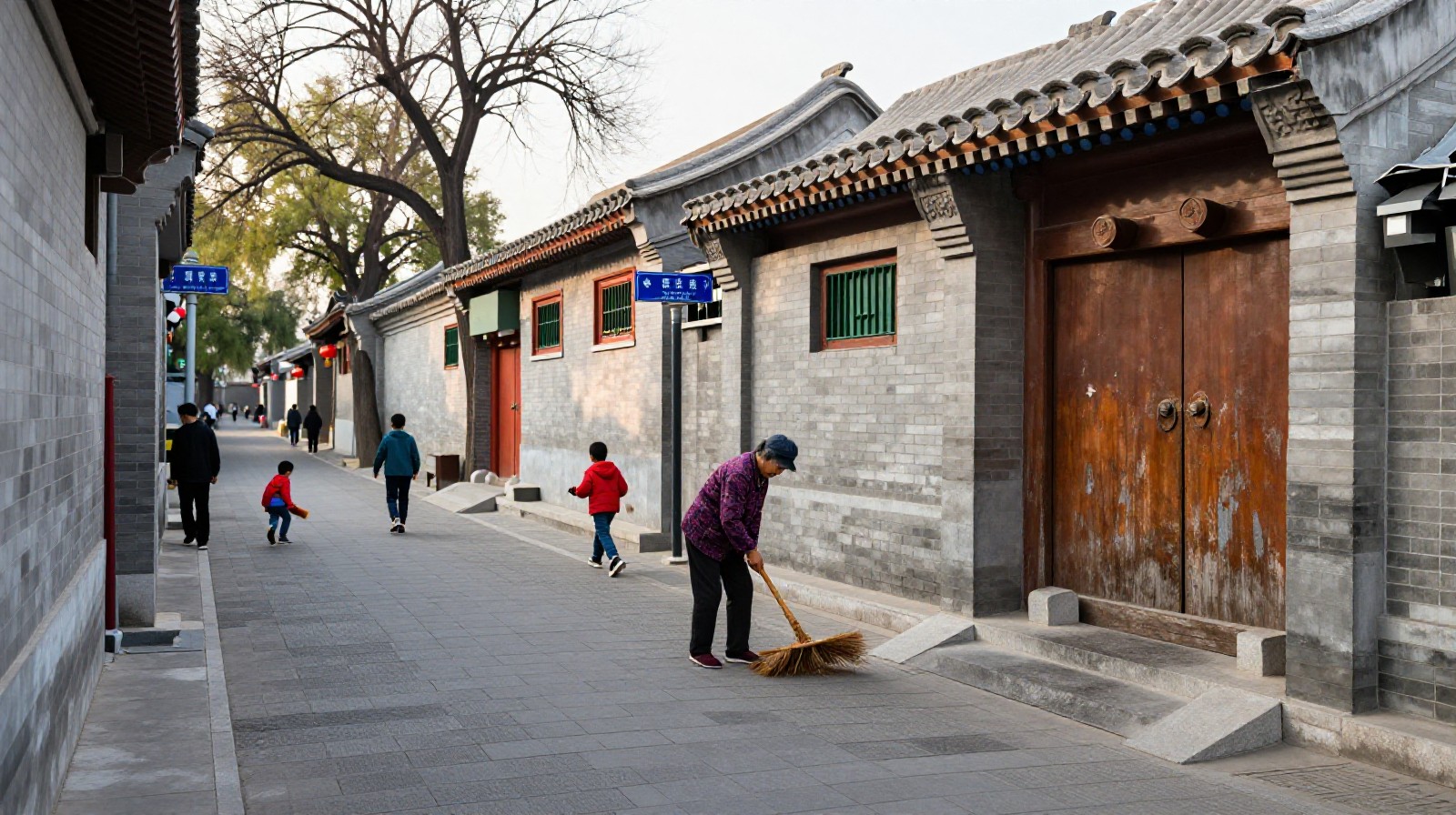
This time, I did something different. Instead of fighting the masses, I walked away from the main tourist arteries. By 8 AM, while thousands were still queuing for imperial gates, I was sipping soy milk in a quiet courtyard that hasn’t changed much since the 1950s.
This is Beijing’s B-side: not the red walls and golden roofs, but the ink-stained studios beneath the city and the whispering alleys where locals buy vegetables and argue about football.
Stepping Into the Underground
To find this side of Beijing, you need to go down. Literally.
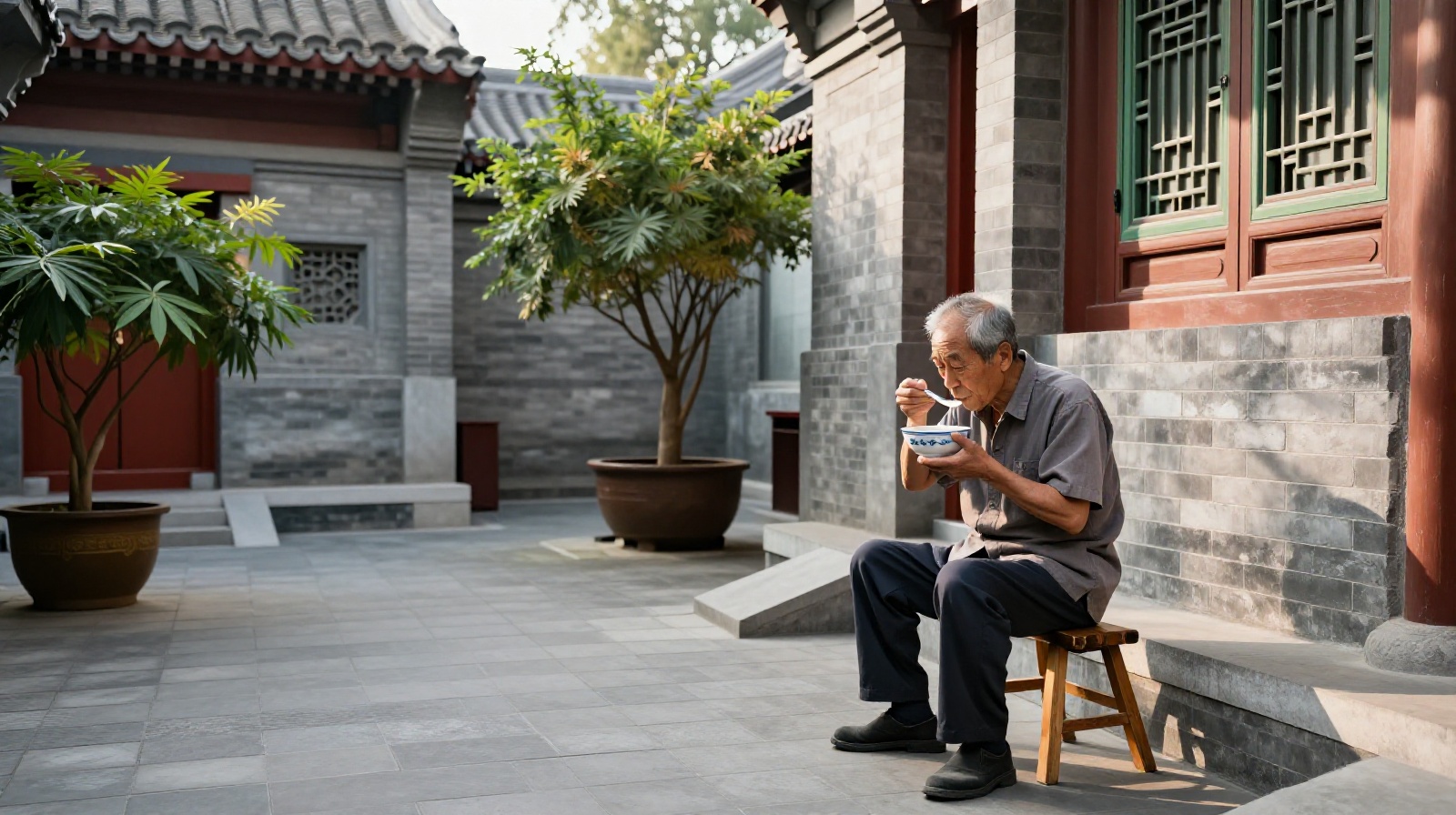
A few kilometers west of the Forbidden City lies a cluster of buildings that look unremarkable from the street. But step inside one of these low-slung structures in Sanlitun or near Jianguomen, and you enter an underground art district. The air smells of turpentine and fresh coffee.
Here, contemporary Chinese artists are creating work that challenges global audiences. I met a sculptor named Li who spent two years carving a piece from recycled subway tracks. “People think China is only about manufacturing,” he told me, wiping charcoal dust from his hands. “But we are also thinking, feeling, and imagining new futures here in the dark.”
These underground spaces are a reaction to Beijing’s rapid vertical growth. With little room for expansion above ground, artists have carved out sanctuaries below. The result is an intimate, almost claustrophobic atmosphere where you can talk directly to the creators.
The Hutongs: Life Without a Script
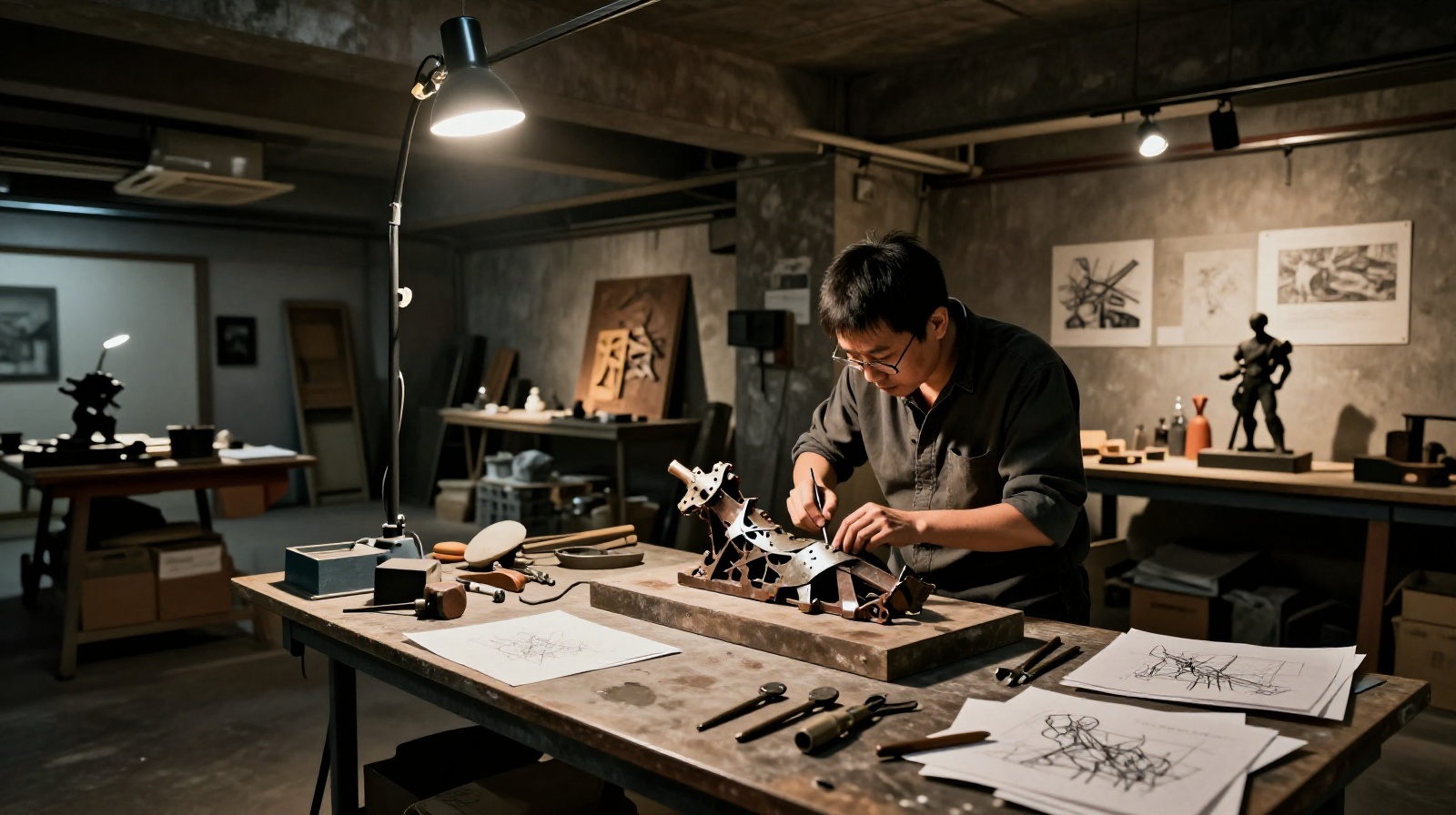
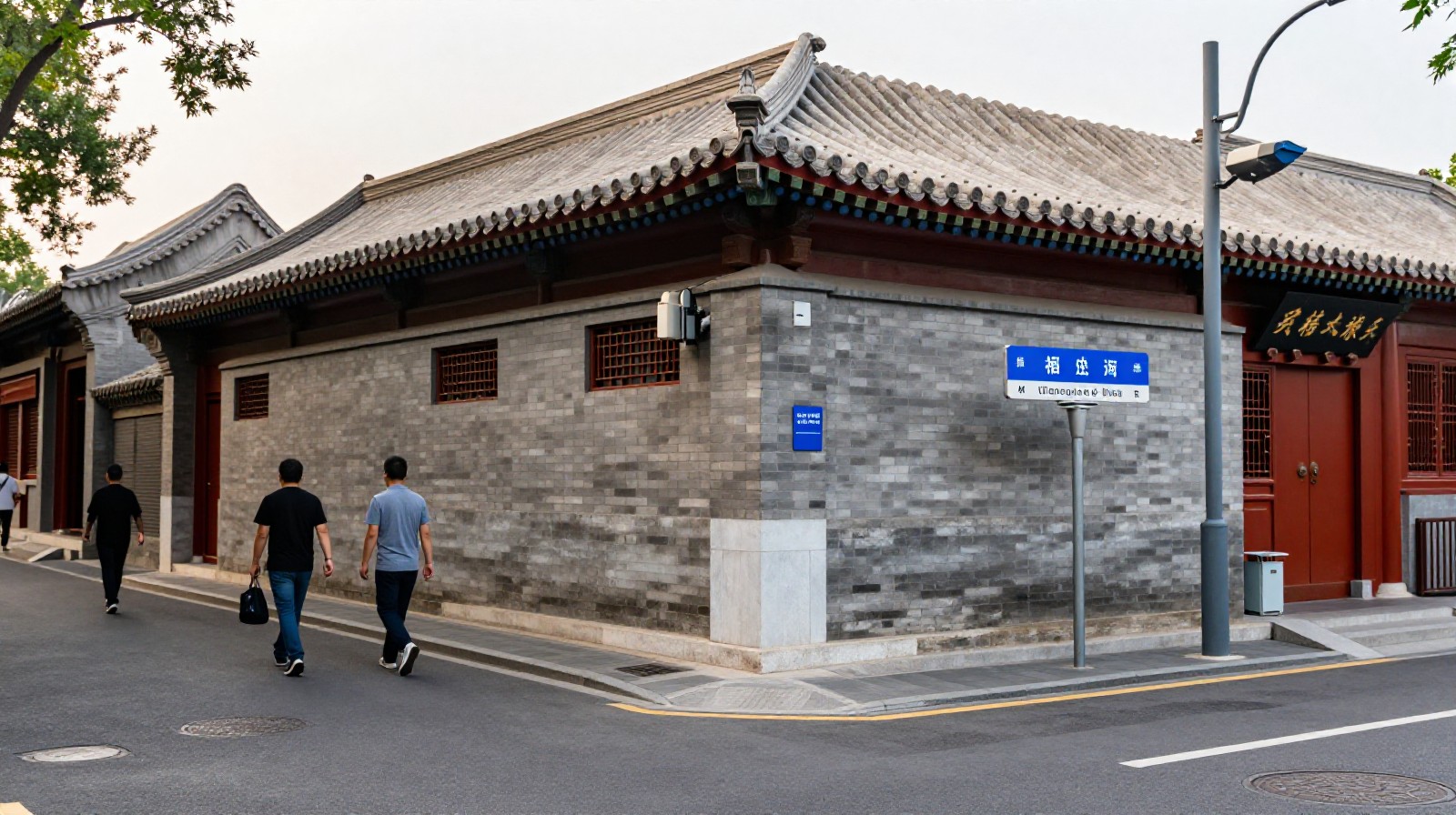
Leaving the galleries, I walked into the hutongs—Beijing’s traditional alleyways. Unlike the renovated ones near Houhai that are now filled with souvenir shops and loud music, these alleys feel like a time capsule.
I watched an elderly woman sweep her doorstep in front of a crumbling but charming courtyard gate. A group of teenagers rode electric bikes past her, shouting greetings in dialect. There were no “Welcome to Beijing” signs here, just the rhythm of daily life.
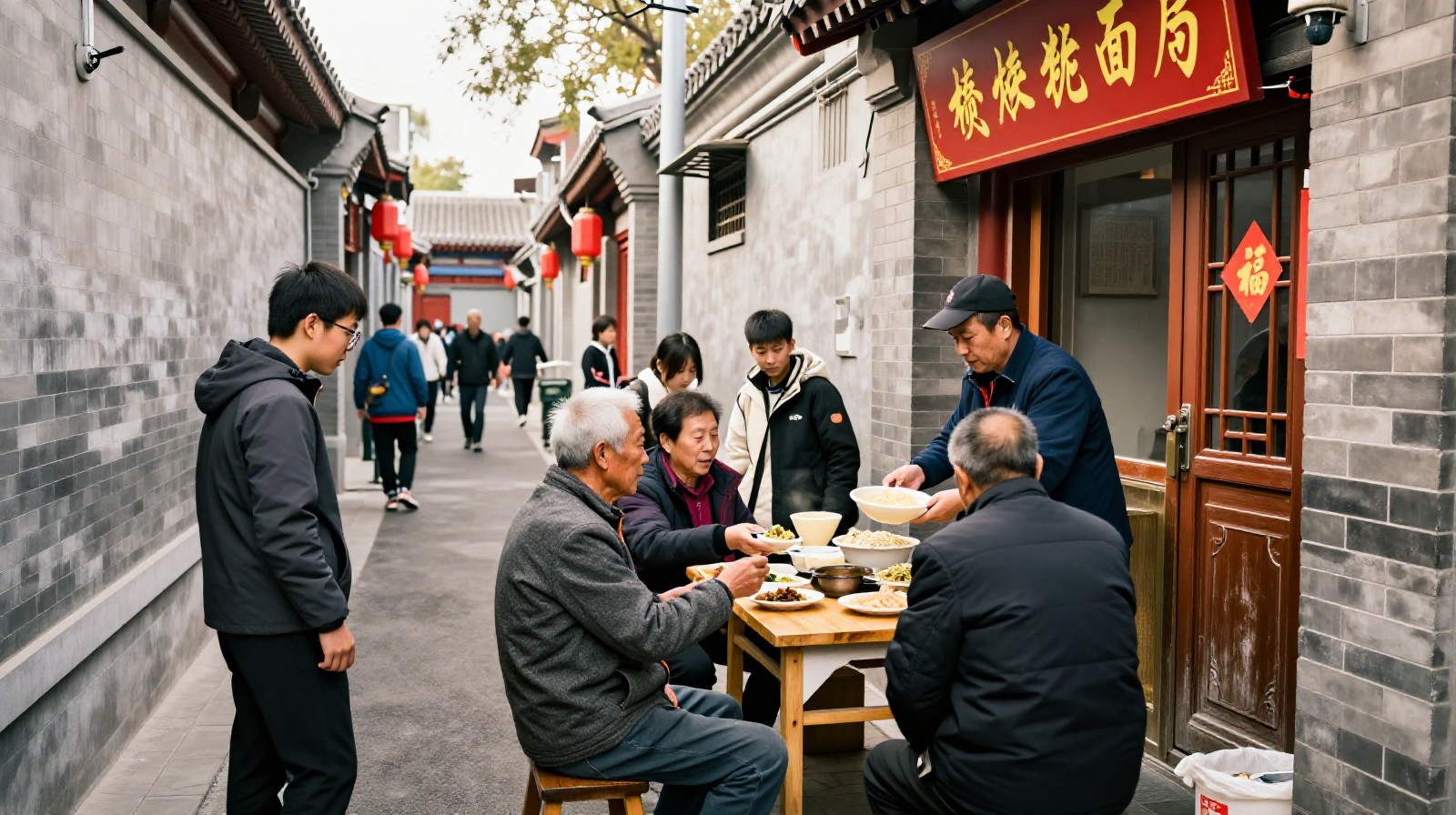
In one alley, a small noodle shop served breakfast to neighbors who have lived there for decades. The owner didn’t speak English, but he offered me a bowl with a smile that said, “Eat.” This is the real interaction most tourists miss because they are too focused on taking photos of architecture rather than people.
The contrast is striking. Just 10 minutes by taxi from the noisy main streets lies a place where time seems to slow down. The noise of traffic fades, replaced by the sound of cicadas and distant laughter.
How to Find Your Own Path
You don’t need a tour guide to find this Beijing. The city is open if you know where to look.
The Route: Start at the northern edge of Sanlitun (near Taikoo Li). Look for unmarked entrances to underground art spaces. From there, head east into the dense hutong network near Nanluoguxiang, but turn left immediately after passing the main commercial street.
The Cost: Most underground galleries are free to enter. You only pay for coffee or artwork. The noodle shops charge 10-20 RMB ($1.50-$3 USD). It is incredibly affordable compared to Western capitals.
Avoiding the Pitfalls: Avoid “tourist traps” that promise authentic hutong experiences but are actually just gift shops with fake antiques. If a shop has English-speaking staff aggressively selling you things, it’s not for you. Walk further in.
A City of Two Layers
Beijing is often misunderstood as a monolith of history and power. But living here reveals a city with two layers: the polished surface for visitors, and the textured, complex reality underneath.
Going underground and into the quiet alleys doesn’t mean ignoring the Forbidden City; it means understanding that Beijing is more than just its tourist highlights. It is a place where history and modernity collide in unexpected ways every day.
When you leave the main routes, you stop being a spectator and start being part of the story. That’s the magic of Beijing if you know how to look past the crowds.