
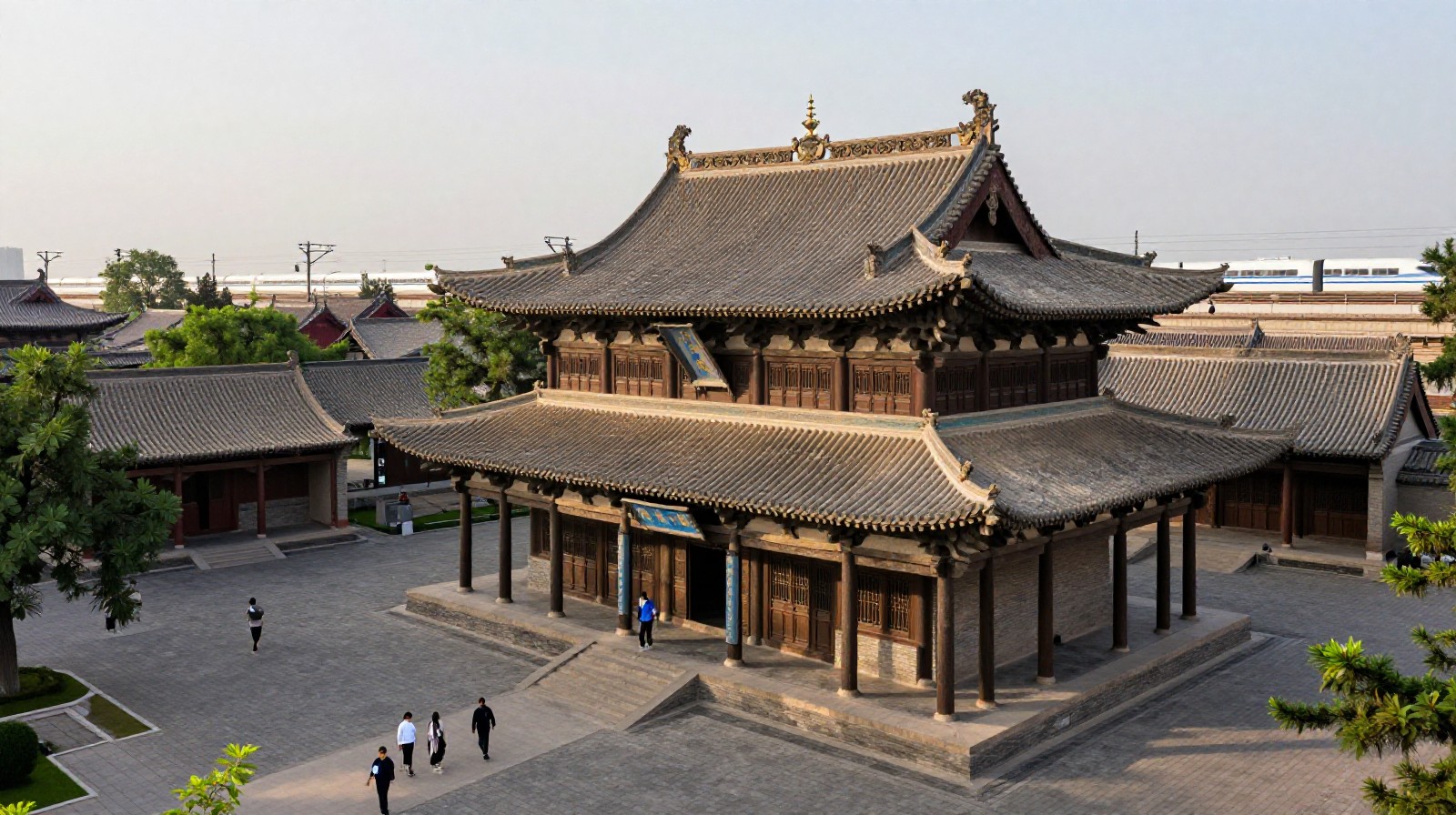

The Smell of Dust and Incense
At 8:30 AM, the air at the Shuanglin Temple in Pingyao County carries a distinct mix: dust kicked up by morning delivery trucks, the sharp scent of diesel from the highway, and the faint, sweet smoke of incense drifting from the wooden eaves. Here, ancient statues with cracked lacquer sit quietly under the open sky, while outside, tourists check their phones for digital guides. This is not a museum frozen in time; it is a living province where the past breathes alongside the present.
For decades, if you asked people around the world about Shanxi, the answer was almost always one word: coal. The stereotype is heavy, quite literally. For years, this northern province powered China’s industrial boom, but it also became synonymous with soot, pollution, and a lack of modernity. Visitors often expected a gray, gritty landscape.
But step out of the mines, and you find something entirely different. The reality of Shanxi today is a complex tapestry of deep history, rapid technological change, and a quiet cultural renaissance that has been quietly building for years.
The Stone Guardians of the North
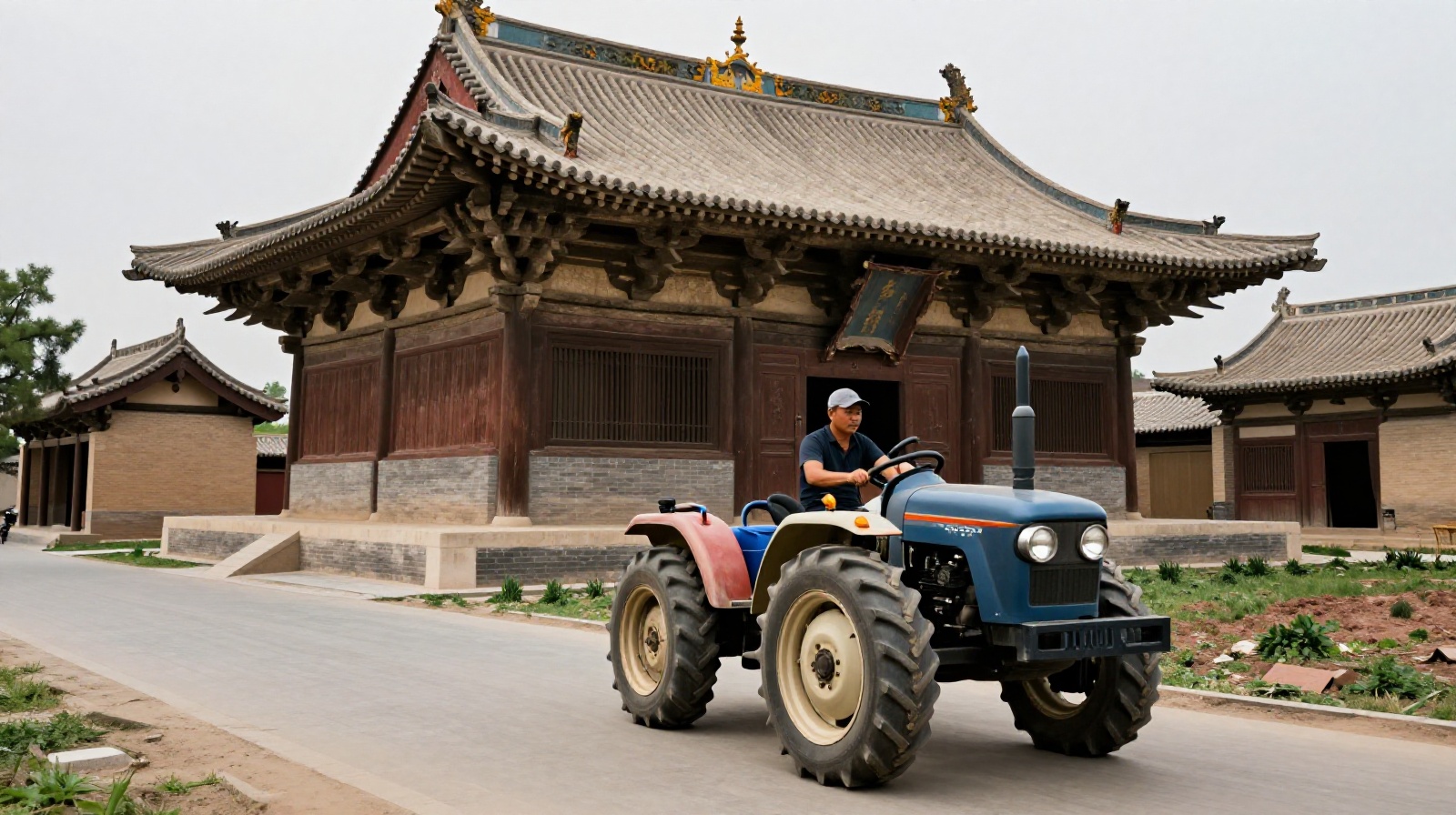
Shanxi holds the highest concentration of ancient wooden architecture in China. In villages like Xixian, where roads are still being paved, farmers might drive their tractors past a temple built over 900 years ago. These structures were not just for worship; they were engineering marvels that survived earthquakes and wars without using a single nail.
Walking through the Fogong Temple in Yingxian to see the Pagoda of Wooden Bricks, you feel the weight of history pressing down. The tower sways slightly in the wind, a testament to an architectural ingenuity that modern engineers are still studying. But this isn’t just for academics. Local guides, many of them young university graduates who returned from Beijing or Shanghai, explain these details with passion.
The Digital Awakening
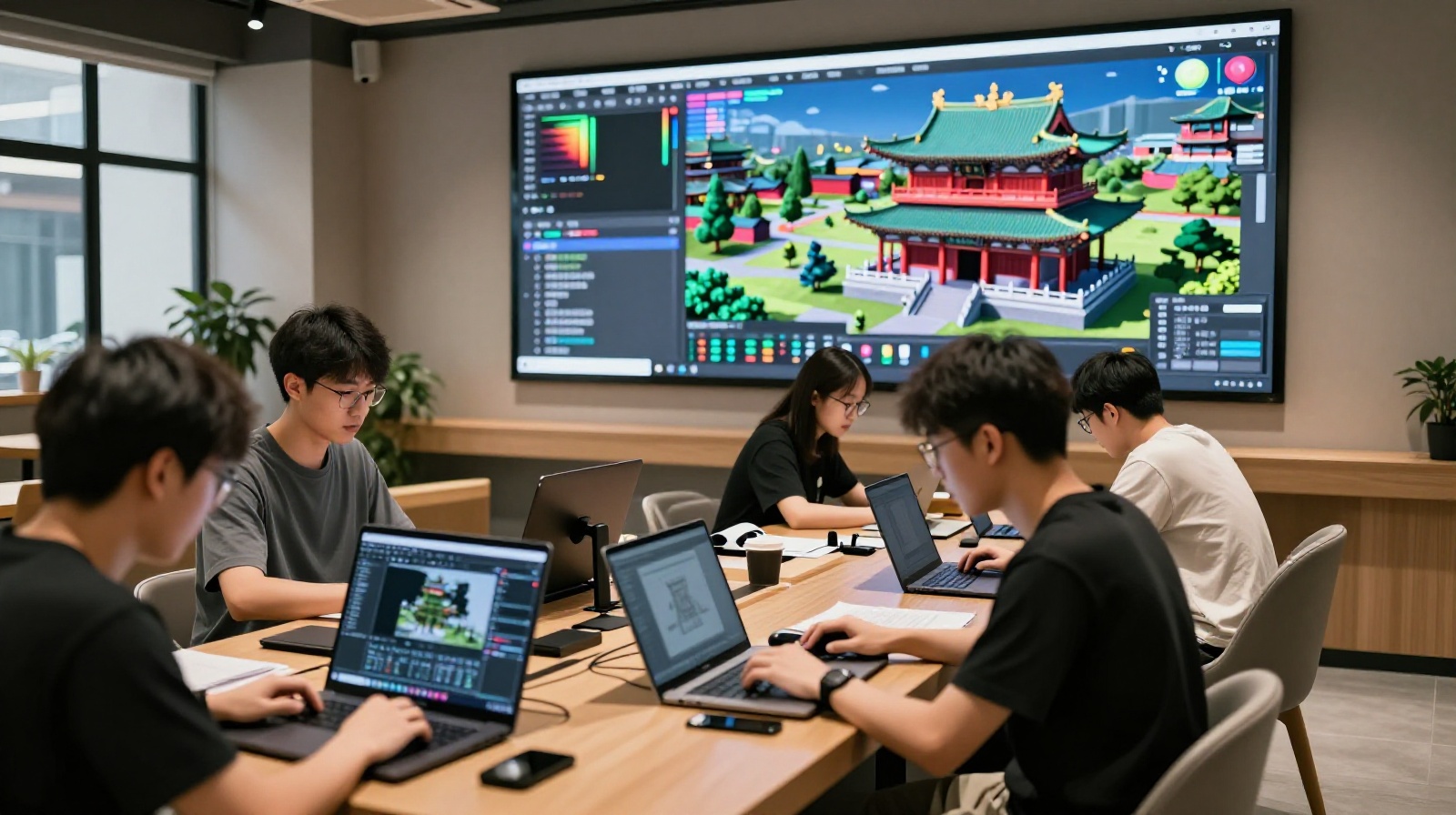
Recently, a video game called “Black Myth: Wukong” has brought global attention to Shanxi’s ancient ruins. Players exploring the virtual world suddenly find themselves standing in front of real locations like the Fogong Temple or the hanging monasteries on Mount Heng.
This is not just a marketing boost; it is changing how the province sees itself and how the world sees it. Young developers are setting up studios in Taiyuan and Datong, using game engines to preserve 3D models of crumbling temples before they vanish. In a small café in Pingyao, I watched a team of local artists working side-by-side with digital technicians, discussing textures and lighting.
The contrast is striking. A few years ago, the narrative was about environmental damage. Now, the conversation has shifted to cultural preservation and digital innovation. The same soil that once produced coal is now producing content for the global internet.
From Mining Towns to Cultural Hubs
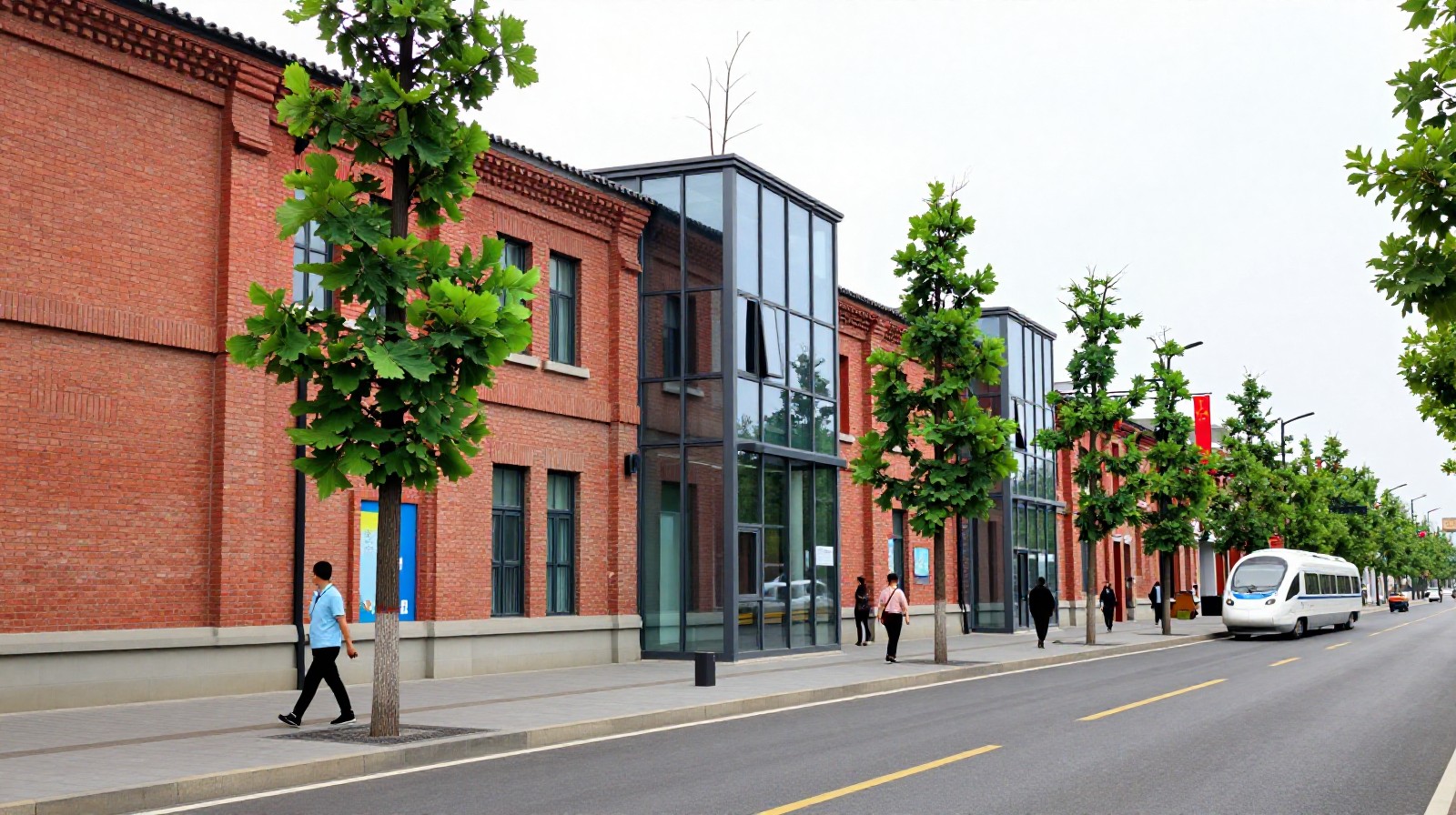
The transition isn’t easy. In some mining towns, the dust is still settling, and families are adjusting to a new economy. But in cities like Datong, the transformation is visible on every street corner. Old factory buildings have been converted into art galleries. The streets are cleaner, lined with green trees that were planted just a decade ago.
Travelers who used to pass through Shanxi quickly are now staying longer. They visit the ancient city walls of Pingyao at sunset, eat local noodles made from millet in small family-run shops, and stay in renovated courtyards. The province is no longer just a stopover; it has become a destination.
The story of Shanxi is no longer just about what was taken from its earth. It is about what can be built with the wisdom left behind. From the quiet temples to the bustling digital studios, this is a place where history is not being buried, but rediscovered.