
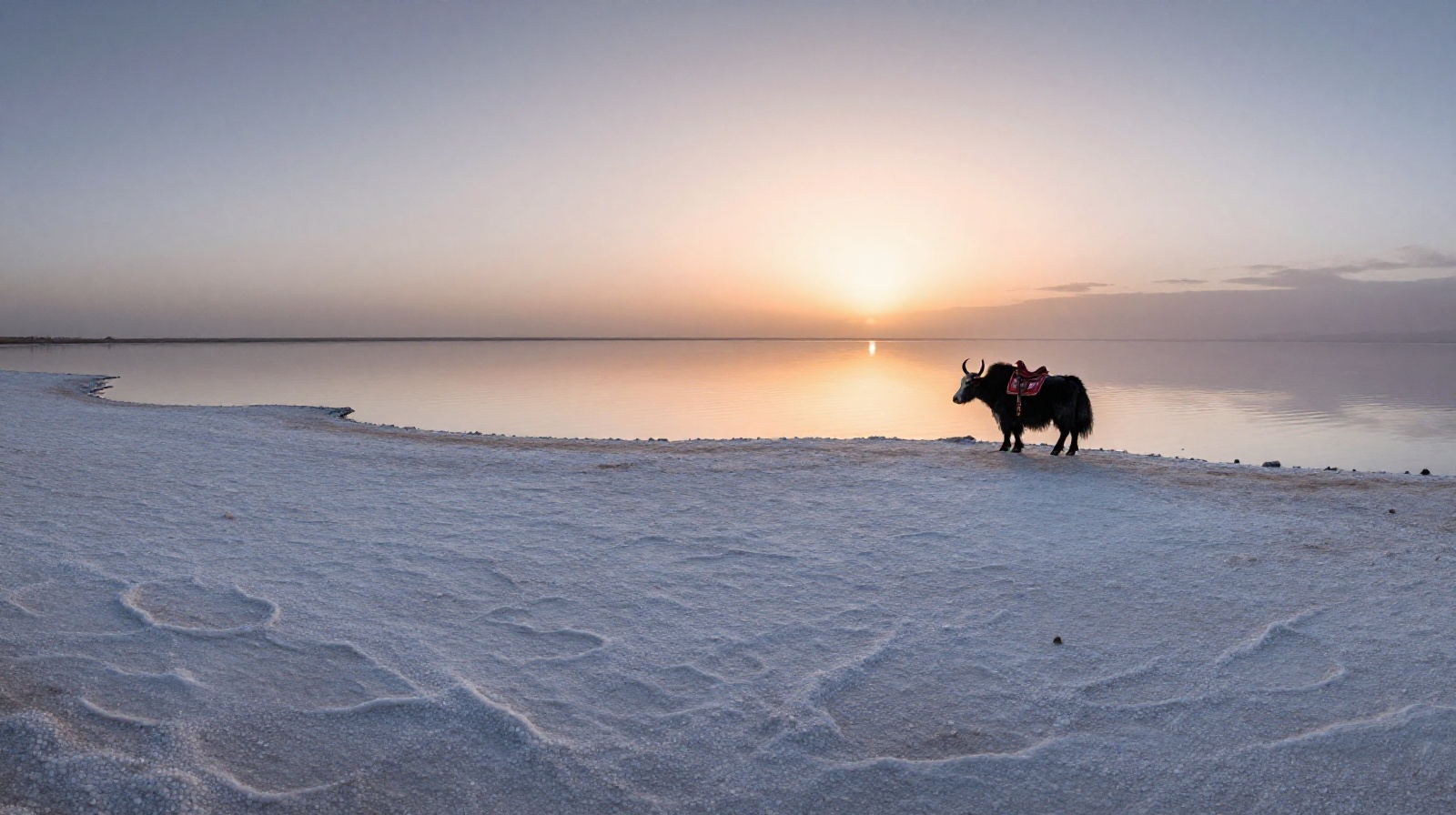

Beyond the Tourist Postcard
At 4,000 meters above sea level, the air is thin and cold. It’s 7:30 AM in Chaka Salt Lake. The temperature hovers just below freezing, but the ground beneath my boots feels surprisingly firm. I’m not standing on a polished tourist platform; I’m walking with a local herder named Tsering who knows every patch of salt crust.
This is Qinghai Province, a vast region in western China that often gets reduced to two images: a dreamy “sky mirror” for Instagram or a desolate frontier. But the reality on the ground is far more complex and human. Here, the boundary between myth and daily life blurs.
The Mirror That Holds a Reflection
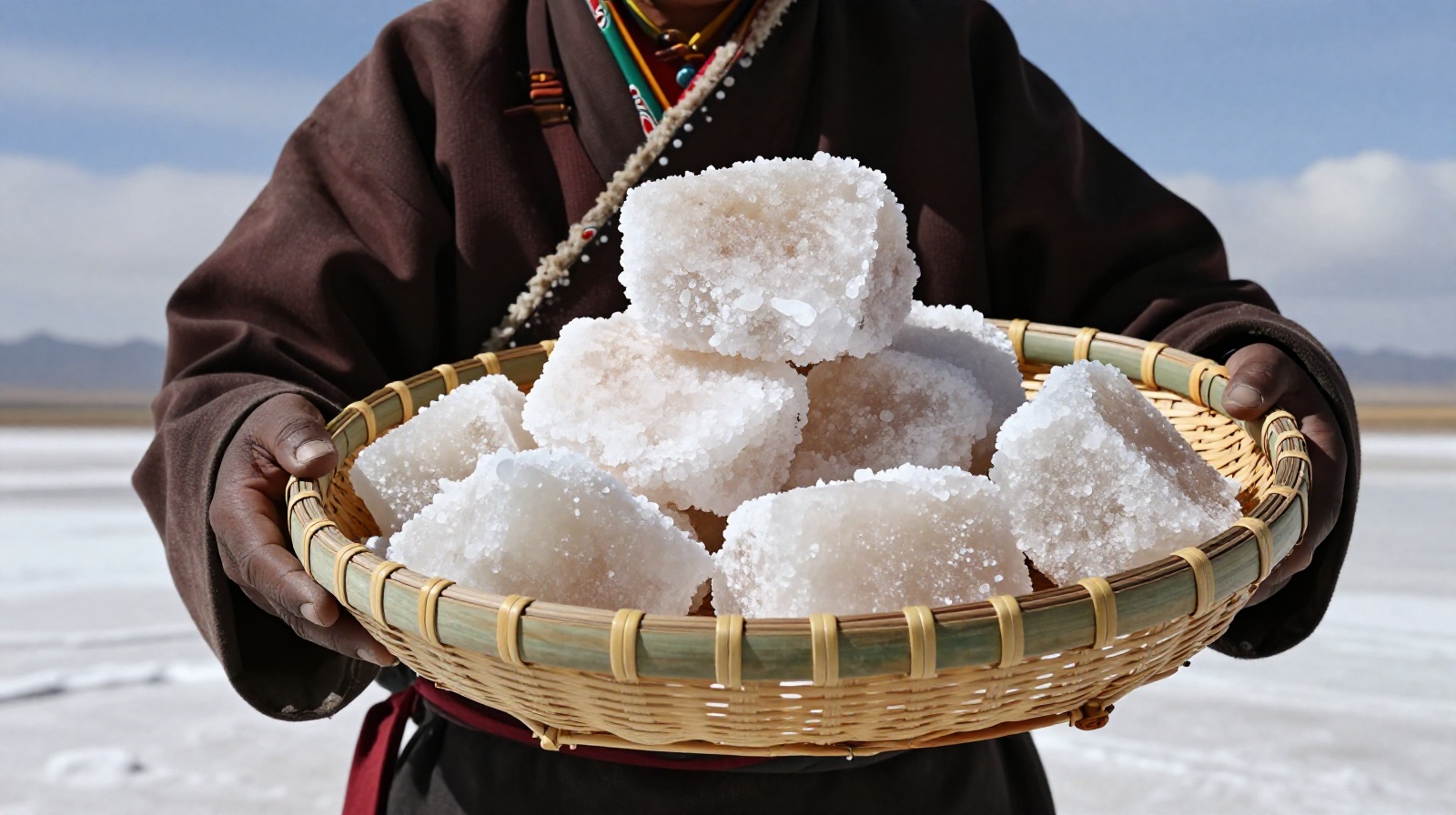
Tsering points to the horizon where the salt flat stretches out until it seems to swallow the sky itself. This is Chaka Salt Lake, known globally as the “Sky Mirror.” For centuries, locals harvested salt from these shallow pools using simple wooden frames and bamboo baskets.
Today, the scene has shifted slightly. Tourists flood in during summer, but Tsering and his family still manage traditional harvesting on the periphery. They work with the sun’s rhythm, not a schedule. “The salt makes us rich,” he says, wiping sweat from his forehead despite the chill. “But it also teaches us patience. You cannot rush nature here.”
The lake isn’t just a scenic spot; it’s an economic engine. The high-grade salt extracted here feeds industries across China, from food processing to chemical manufacturing. Yet, the government has stepped in to limit over-tourism and protect the fragile ecosystem. Small boats now glide silently on designated paths, leaving no trace on the mirror-like surface.
Mars on Earth: The Chaidam Basin
Just a few hours’ drive west from Chaka lies the Chaidam Basin. The scenery changes abruptly. The white salt dissolves into red and orange rocky deserts, dotted with wind-sculpted pillars that look like they belong on another planet.
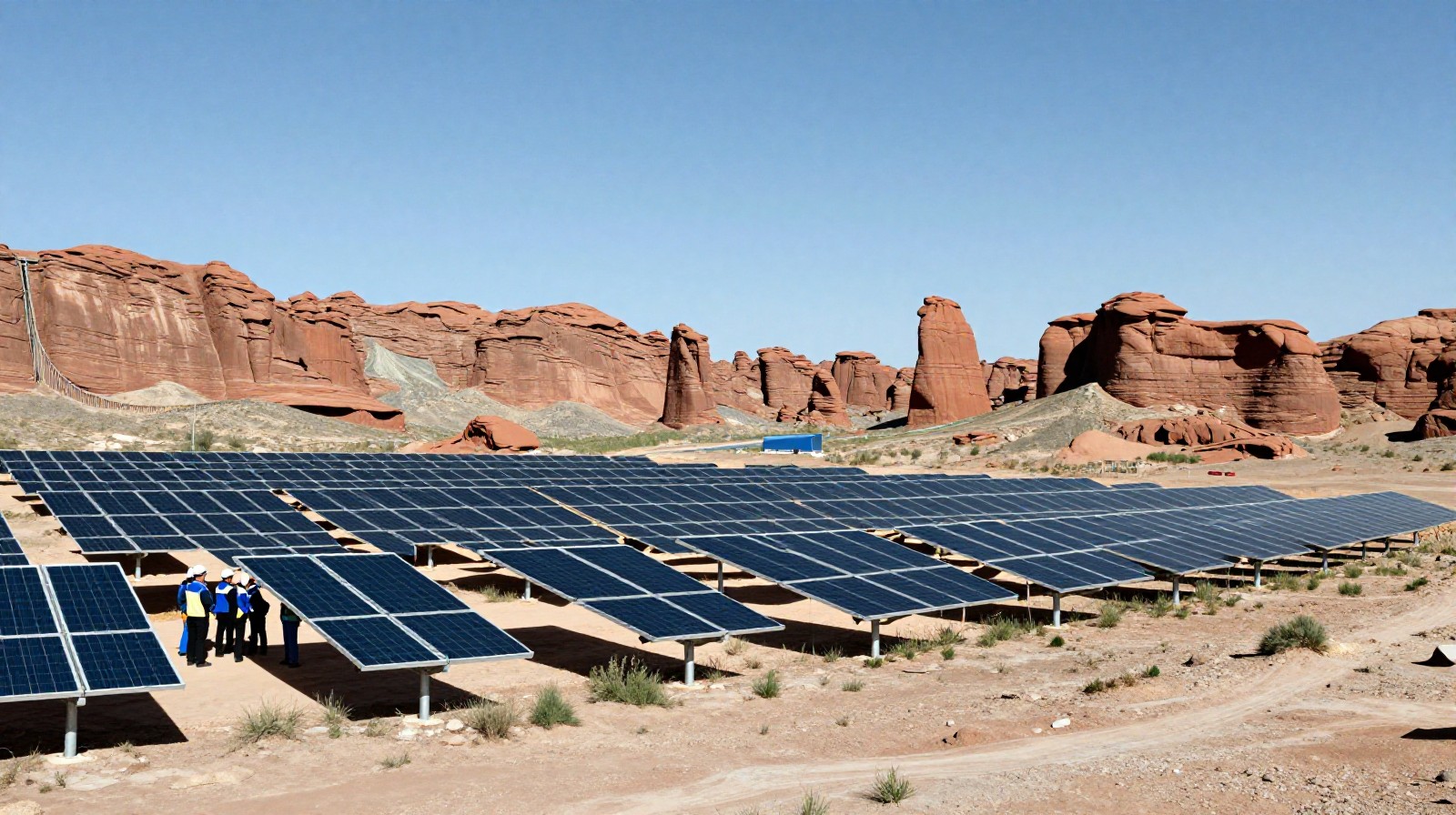
This is not just a barren wasteland; it’s a hub of innovation. In the middle of this Mars-like terrain, rows of solar panels stretch to the horizon, gleaming under the intense sunlight. Engineers from Beijing and Shenzhen are setting up massive photovoltaic farms here. The sun in Qinhai is one of the strongest on earth, making it an ideal location for clean energy.
I met Li Wei, a young engineer working at one of these solar bases. “The wind howls, the dust storms come, but we don’t mind,” he explains. “We are generating enough electricity to power millions of homes in eastern China.” The contrast is striking: harsh, alien landscapes hosting some of the world’s most advanced green technology.
Life at the Edge
How do people live here? In villages scattered across the basin, families have adapted over generations. Their homes are built with thick walls to keep out the biting winter cold and scorching summer heat. Livestock like yaks and sheep graze on sparse vegetation, moving seasonally in a practice called transhumance.
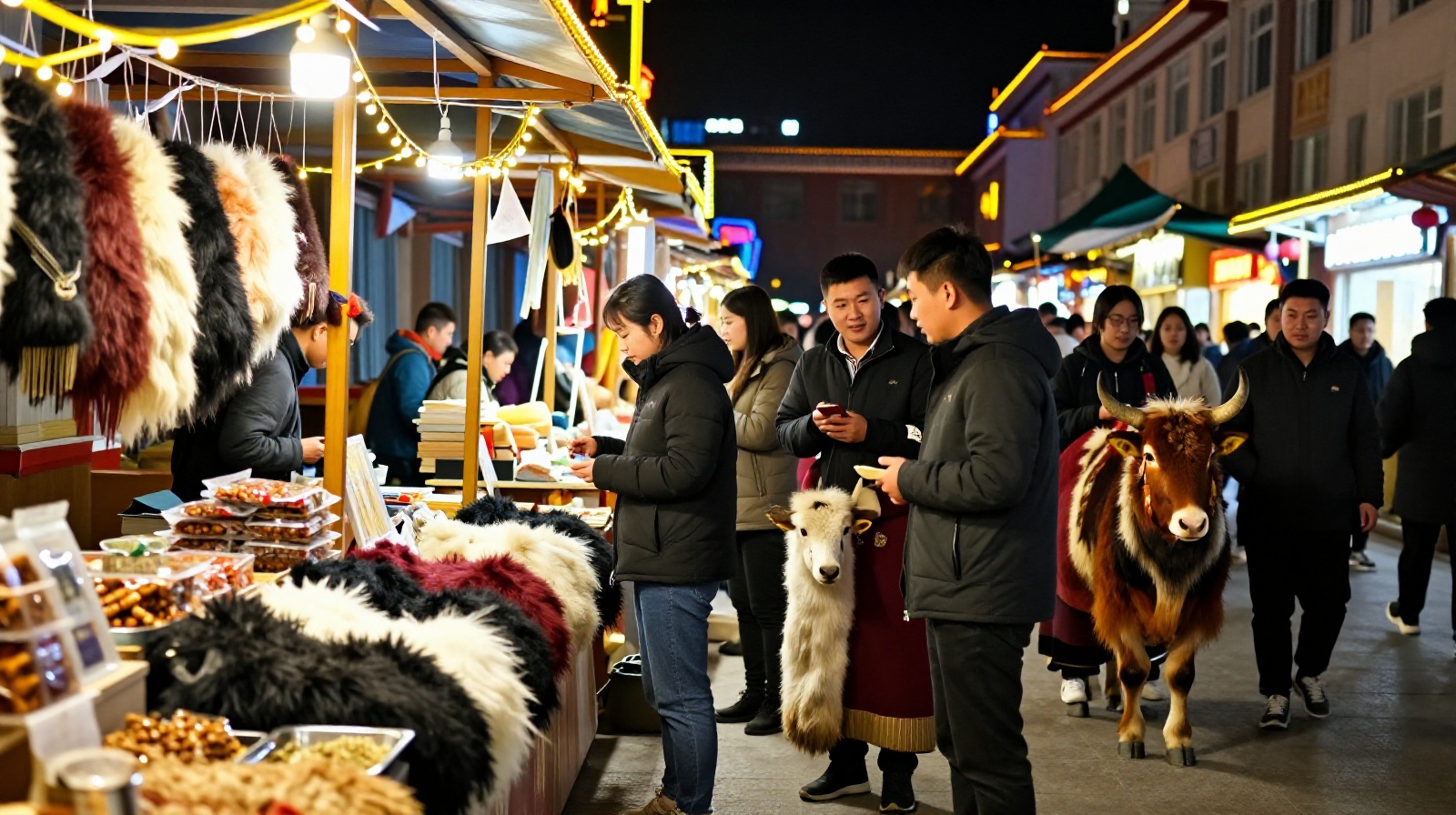
But life is not static. A new generation is emerging. In small towns near Xining, the capital of Qinghai, young people are returning home from universities in coastal cities. They are launching businesses that blend tradition with modernity—selling high-quality yak wool online, creating eco-tourism experiences, and developing apps to help herders monitor weather patterns.
“We don’t want to leave,” says one young entrepreneur in a bustling night market in Xining. “Our parents raised us here. This place has a spirit that you can’t find anywhere else.”
Guardians of the Plateau
The most pressing challenge for Qinghai is not just survival, but sustainability. As a source of major rivers like the Yangtze and Yellow River, the region acts as China’s “Water Tower.” Protecting this ecosystem is critical.
Conservation efforts have moved beyond simple fencing off areas. Rangers patrol vast distances on foot or by electric vehicle, tracking wildlife like Tibetan antelopes and snow leopards. Local communities are now partners in this effort, earning income from eco-tourism and conservation jobs rather than just hunting or overgrazing.
The transformation is subtle but profound. The air is clearer, the grasslands greener, and the water cleaner. It’s a testament to what happens when traditional wisdom meets modern science.