
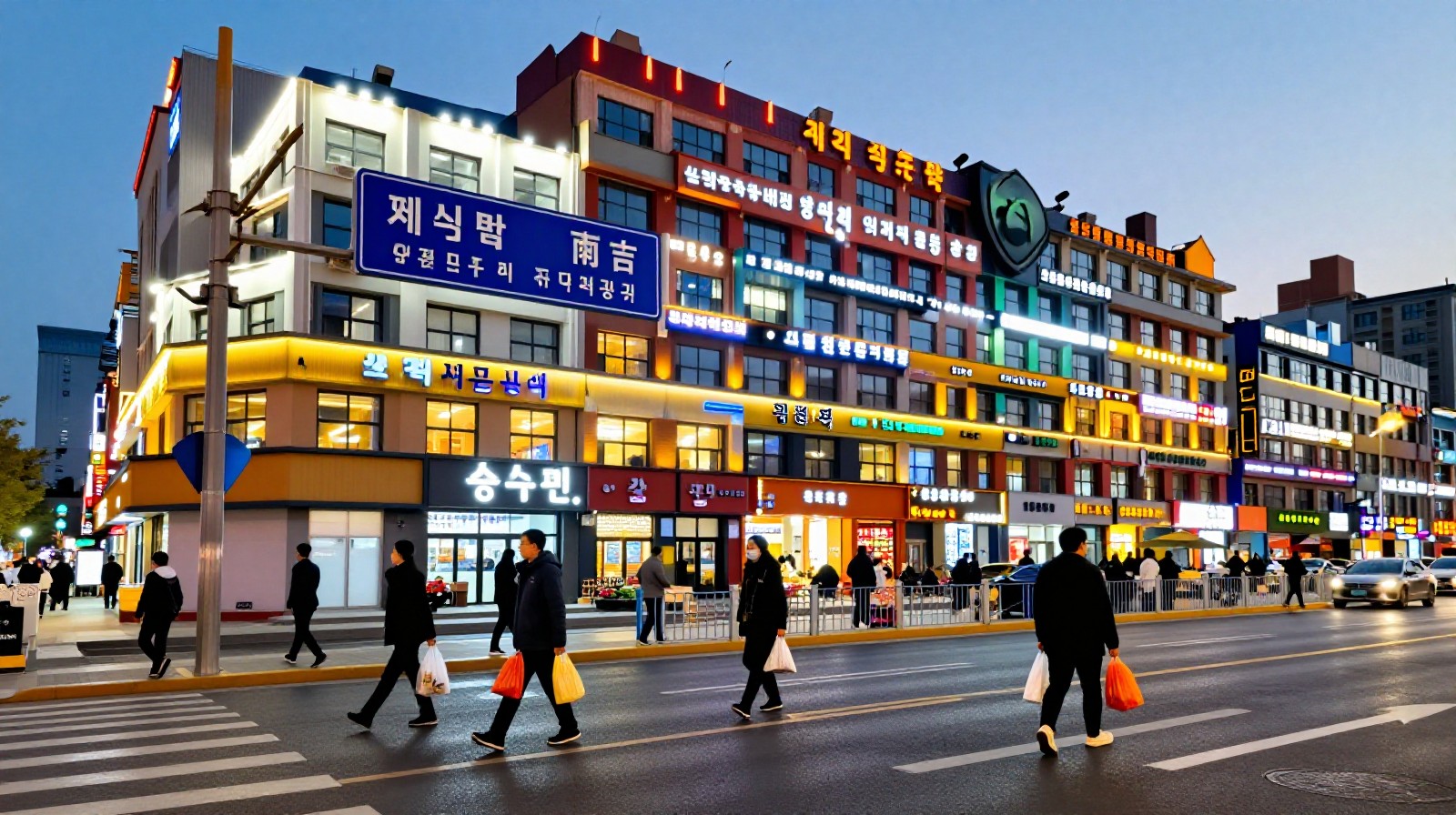

Where the Bilingual Signs Begin
If you step off a bus in Yanji, China’s far northeast, your first thought might be that you’ve accidentally landed in Seoul. The street signs are dual-language, the air smells of grilling meat and fermented kimchi, and the chatter is a mix of Mandarin and Korean. But this isn’t a tourist zone or a replica district. It is a living, breathing city where two cultures have woven themselves together so tightly that they look like one.
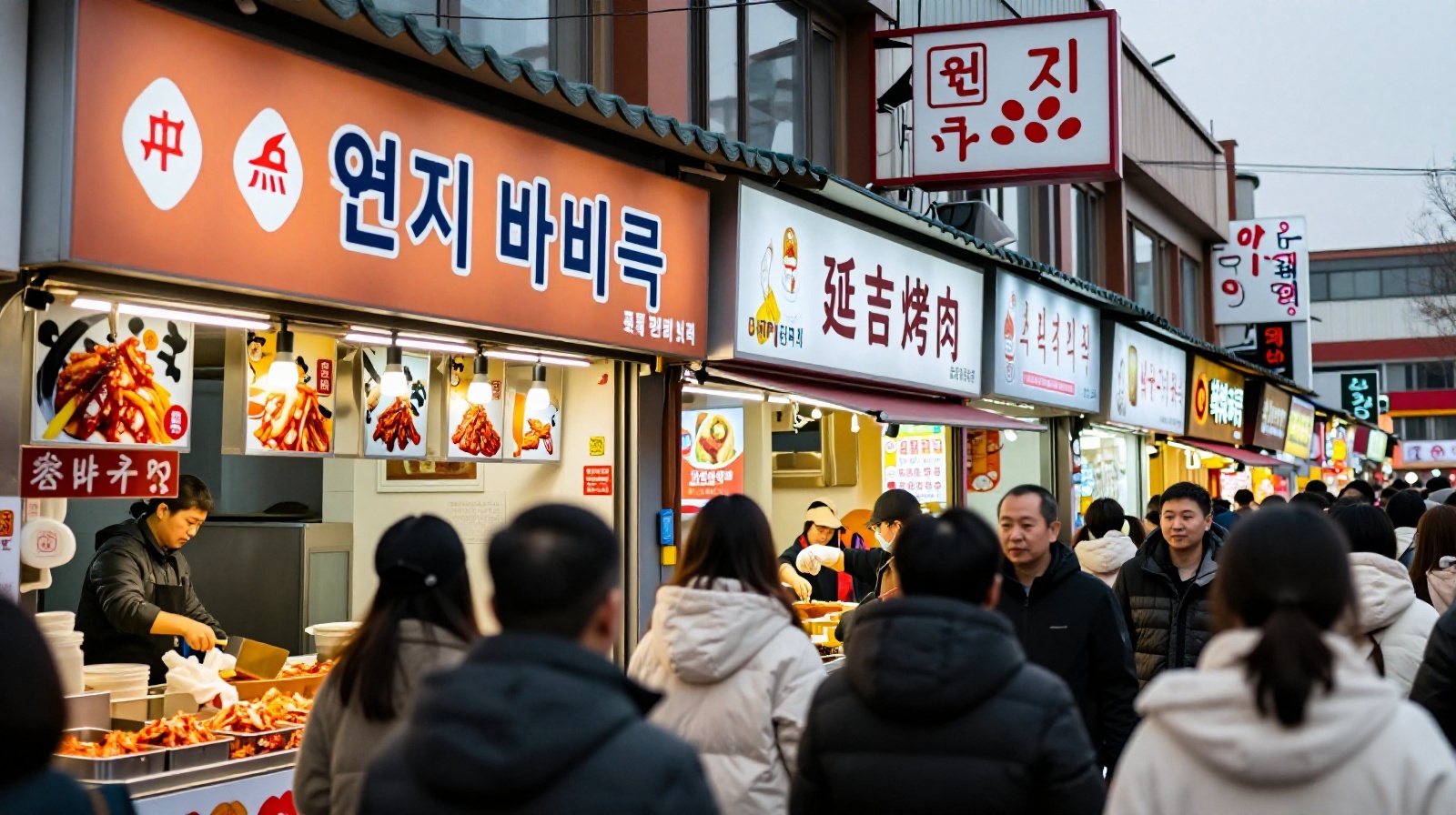
The Smell of Dusk: A Kitchen Without Borders
As evening falls, the streets fill with people heading to local restaurants. In Yanji, dinner is often a communal affair centered around Korean barbecue. But don’t expect a polished, high-end showroom. The best spots are small, noisy rooms where families squeeze into tight booths alongside strangers.
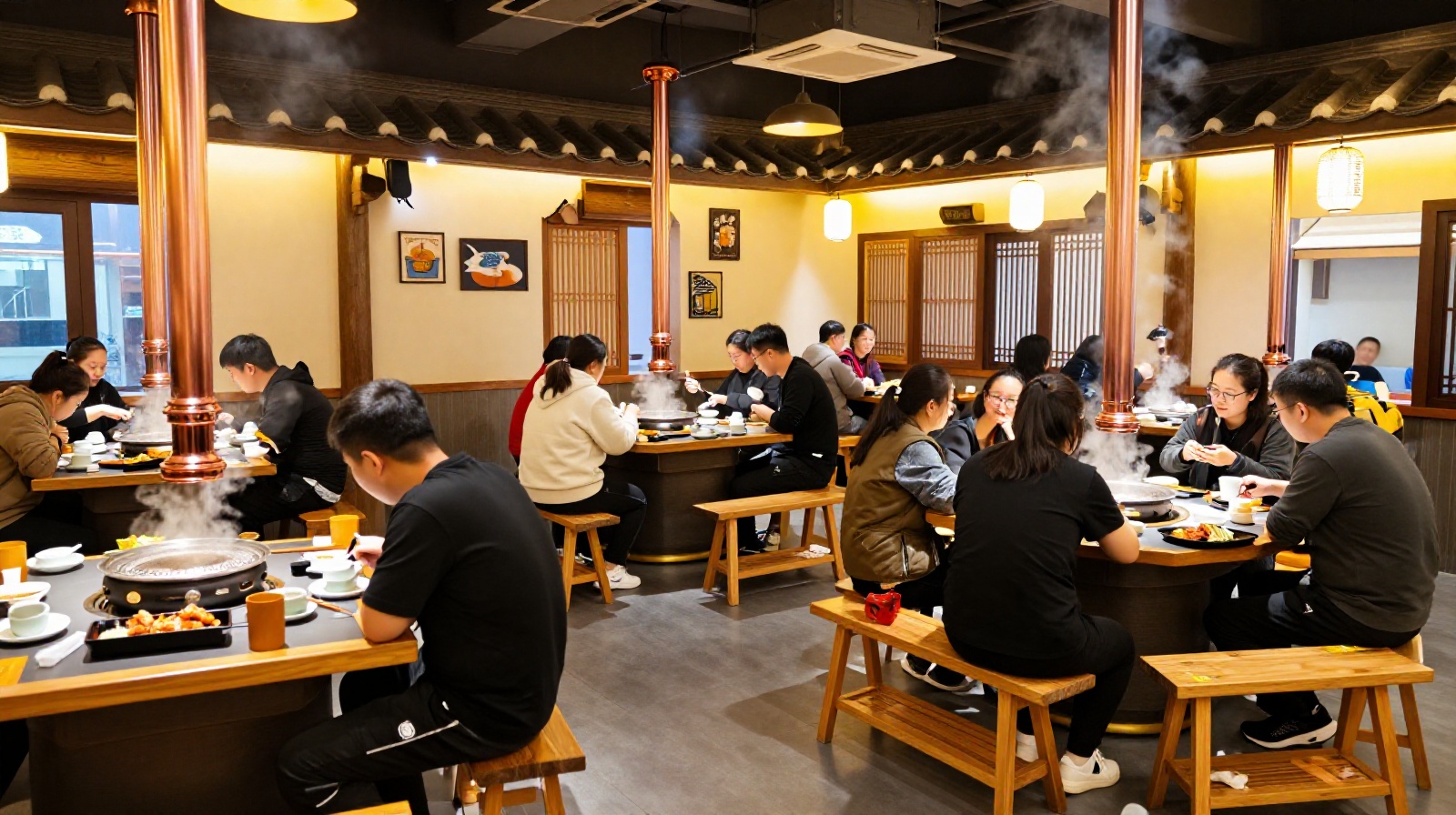
The process is ritualistic yet casual. You grill the pork belly (samgyeopsal) yourself at the table, wrapping the sizzling meat in lettuce with garlic and gochujang sauce. A side of cold beer or soju follows. What surprises visitors isn’t just the food, but how deeply it’s rooted here. For many locals, eating Korean-style BBQ is as natural as drinking water. It’s a daily habit passed down through generations, not a imported trend.
Life in the Middle: A Blended Identity
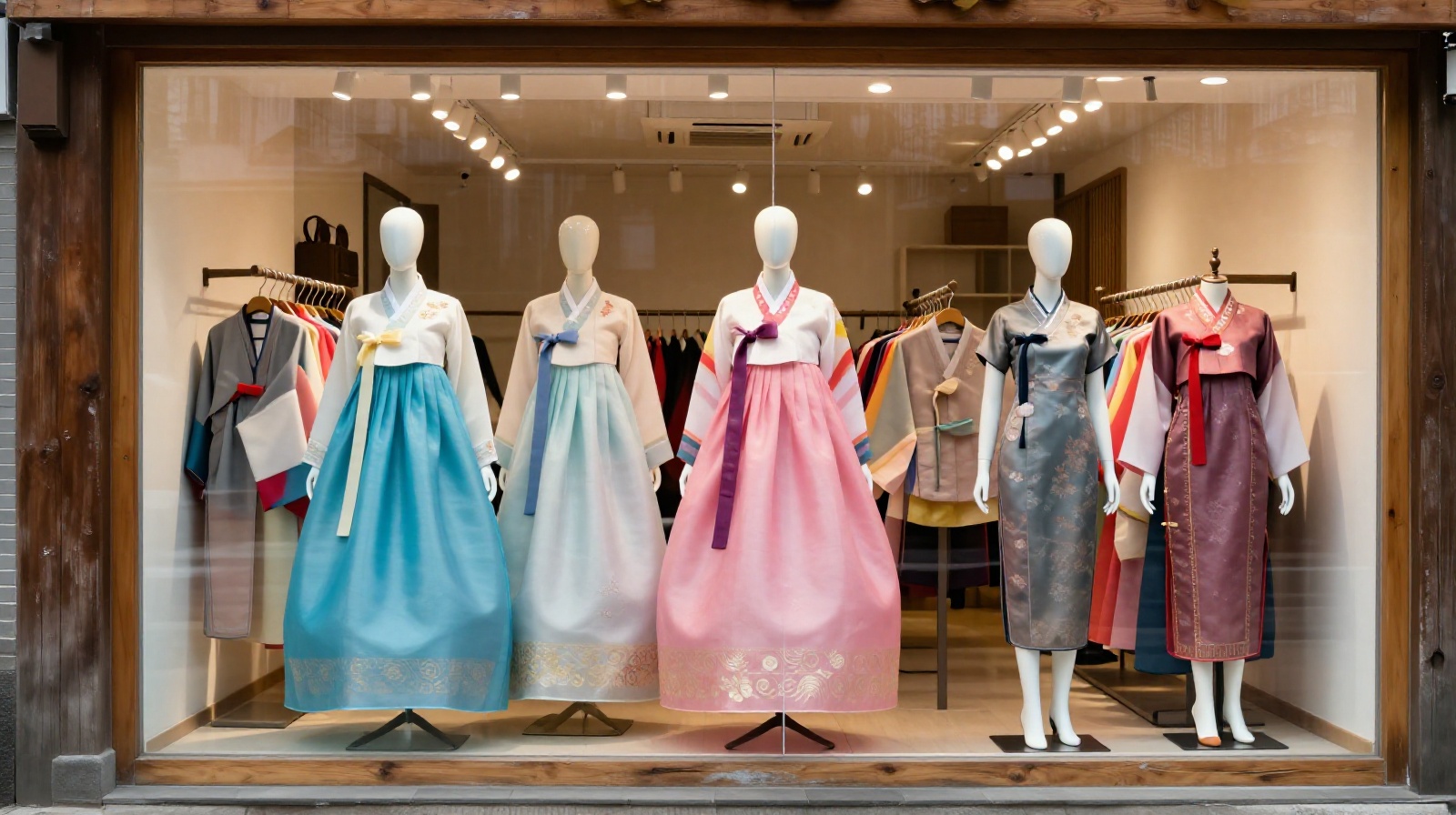
Walking through Yanji’s markets reveals more than just food stalls. You see clothing stores selling hanbok-inspired dresses alongside traditional Chinese qipaos. Elderly women in colorful tracksuits chat while younger people scroll on smartphones wearing hoodies.
This blending isn’t superficial. The local population is predominantly Chaoxianzu (Korean-Chinese), a group that has lived in this region for over a century. Their language, food, and customs are their own, distinct from both mainland China and the Korean Peninsula, yet influenced by both. In schools, children learn Mandarin as the primary language but often speak Korean at home. The result is a unique cultural ecosystem where borders feel less like walls and more like doorways.
Stories of Belonging
To understand Yanji, you have to talk to the people who call it home. I met Park Ji-hoon, a South Korean man who moved here ten years ago for business. He runs a small import-export company dealing in cosmetics and electronics. “In Seoul, life moves at 100 kilometers per hour,” he told me over lunch. “Here, we have the best of both worlds. The food is authentic, the people are welcoming, and the cost of living is manageable.”
Then there’s Li Na, a mixed-race teenager who grew up in Yanji. She speaks fluent Mandarin and Korean with different accents depending on who she’s talking to. “I don’t feel like I belong exclusively to one country,” she said. “I just feel like I’m from Yanji.” Her generation represents the future of this border city: confident, fluid, and comfortable in a world that doesn’t fit neatly into boxes.

The Real Economy of a Border Town
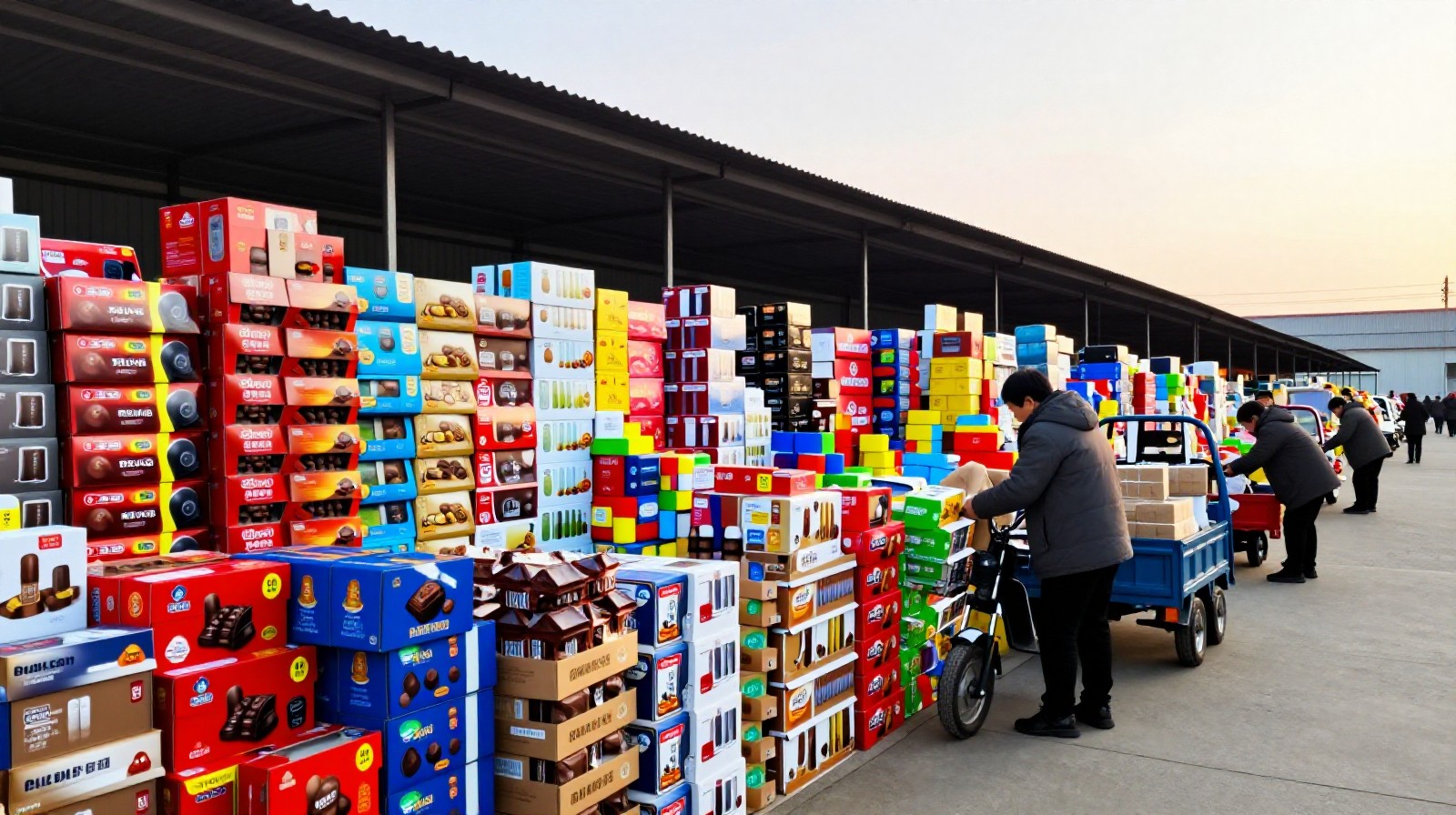
Behind the scenes of these cultural exchanges is a thriving economy driven by cross-border trade. Yanji serves as a gateway for goods moving between China and North Korea, South Korea, and Russia. Small shop owners often wake up at 4 AM to stock their shelves with Korean snacks or Chinese electronics destined for markets abroad.
This trade isn’t just about big profits; it shapes daily life. You can find Russian chocolate in the corner store, fresh Japanese sushi ingredients in the morning market, and traditional Chinese herbal medicine right next door. The local economy has become a microcosm of global connectivity, proving that even in a small city, the world is within reach.
More Than Just a Destination
Yanji challenges the typical image of China as either a futuristic mega-city or a traditional rural village. Instead, it offers a third option: a place where history, geography, and human connection create something entirely new. It’s not about erasing differences; it’s about finding harmony in them.
For travelers seeking an authentic glimpse into how cultures coexist in the 21st century, Yanji is a must-visit. The real magic isn’t in the grand landmarks, but in the quiet moments: sharing a meal with neighbors who speak two languages, watching the sunset over a city that feels like both home and a bridge to another world.