

From Sand Dunes to Cultural Sanctuary
The sand here used to blow freely. Ten years ago, this stretch of coastline in Beidaihe was a quiet, desolate strip where only the wind and tides dictated the rhythm. There were no hotels, no galleries, just empty dunes and the sound of fishing boats returning late at night.
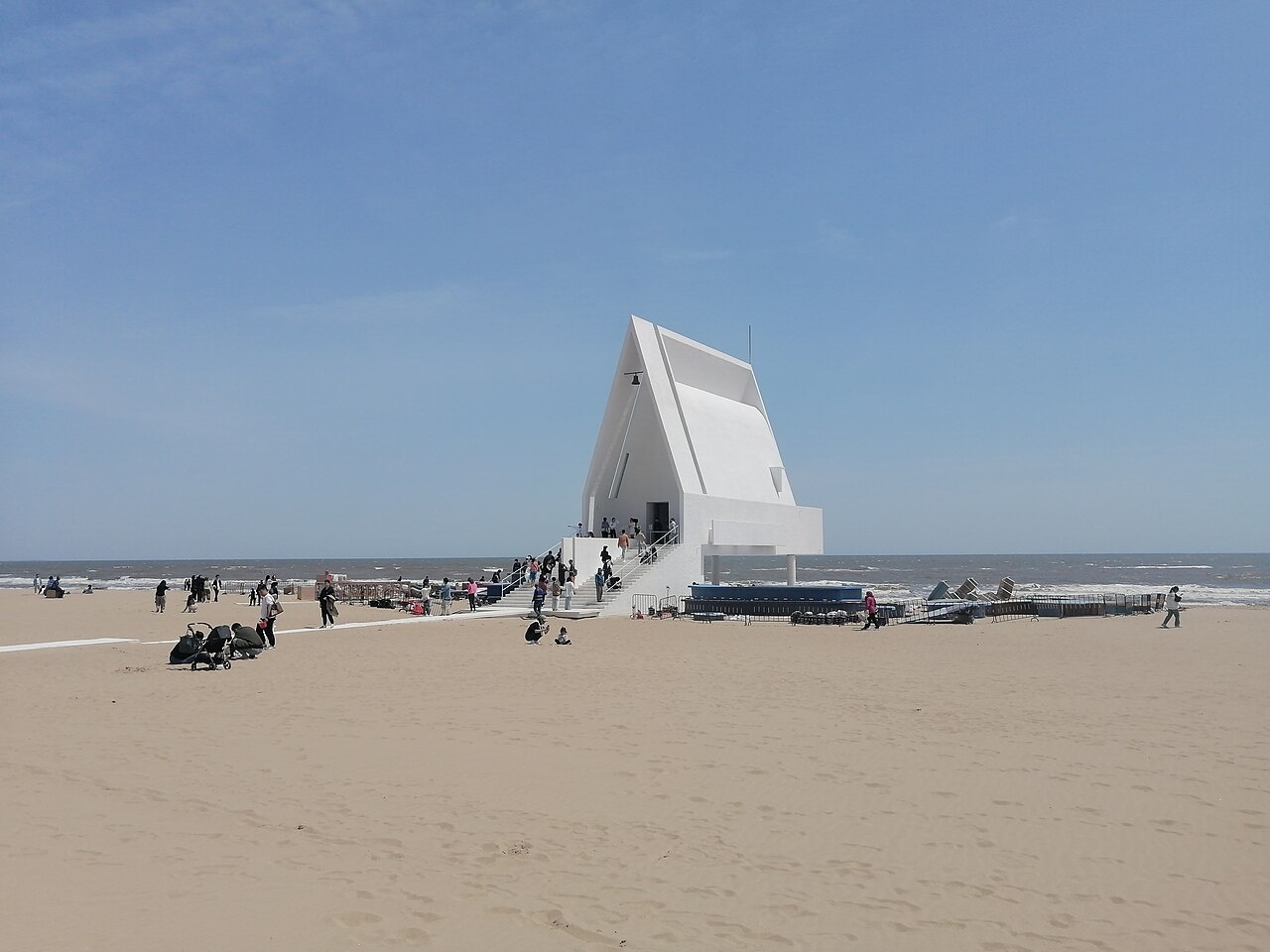
Today, as I walk along the white concrete path, the silence is different. It’s not the emptiness of abandonment; it is a curated quiet. The wind still blows, but now it passes through modernist structures that look like they grew out of the sand itself. This transformation didn’t happen overnight. It began with a developer who asked a simple question: “Why can’t we build a place for art and life, not just tourism?”
The Silence of the White Church
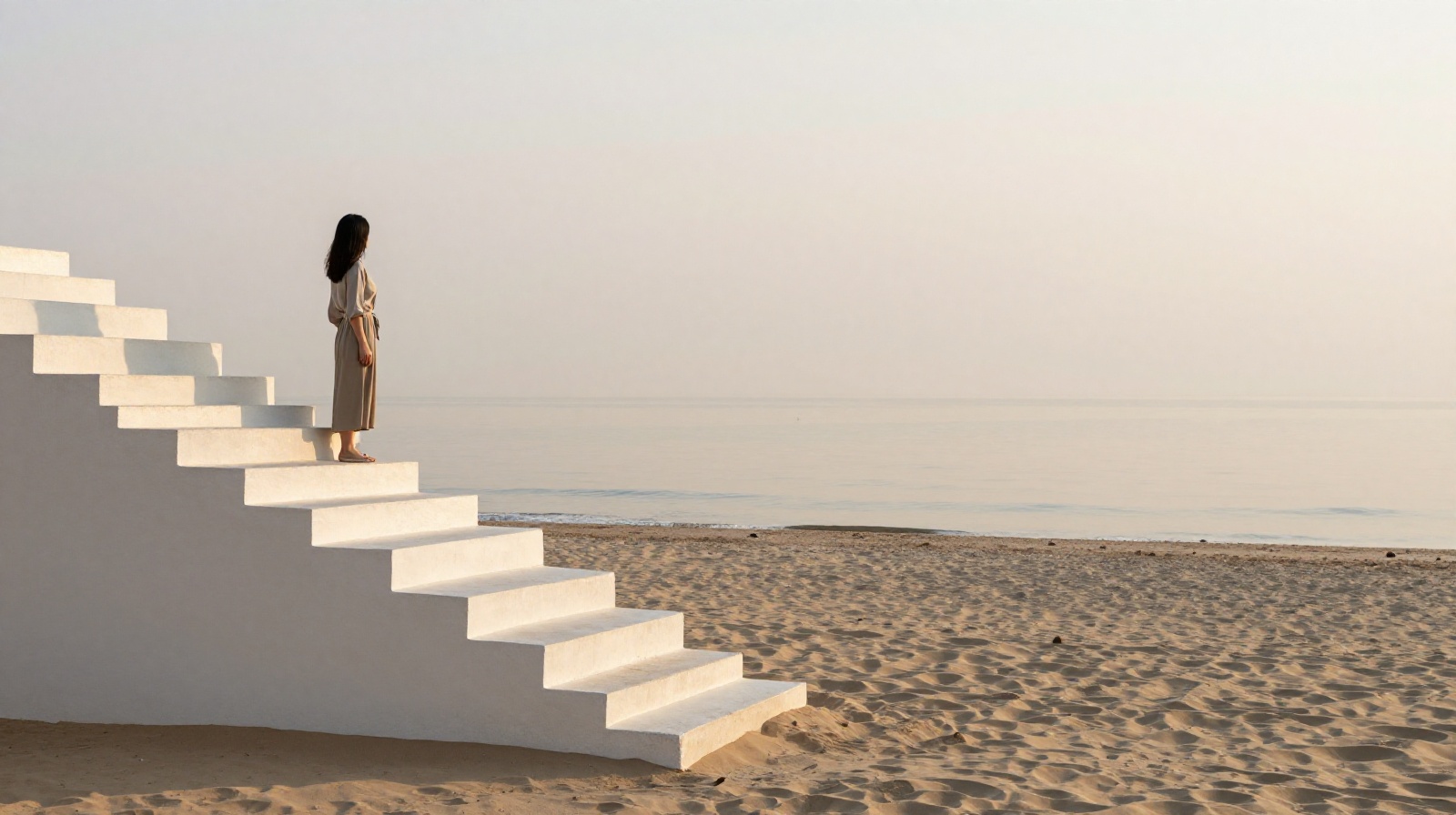
I arrived at 6:00 AM. The sun hadn’t fully crested the horizon, casting a soft, pearlescent glow over the water. At this hour, the famous Aranya Community Center is empty save for a few early birds stretching and a security guard sweeping the steps.
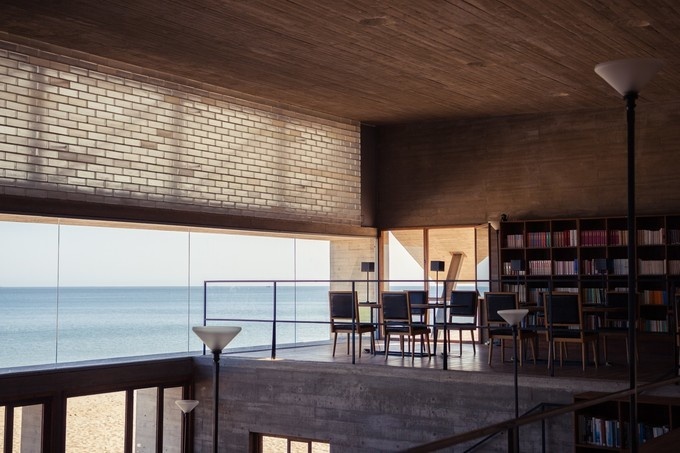
Entering the “Lonely Library” (Guji Shuju), the air is cool and smells faintly of old paper and sea salt. The space is striking in its minimalism: white walls, floor-to-ceiling windows framing the vast gray ocean, and rows of simple wooden bookshelves. There are no crowds here to take photos for social media; there is only the sound of pages turning and the distant crash of waves.
This architectural choice—white concrete against the blue sea—is not accidental. It represents a shift in Chinese consumption habits. People are no longer satisfied with flashy luxury or crowded theme parks. They seek spaces that offer introspection, calm, and a connection to nature. The library stands as a testament to this desire for “slow living” in a country moving at breakneck speed.
Living the Design: A Night by the Sea
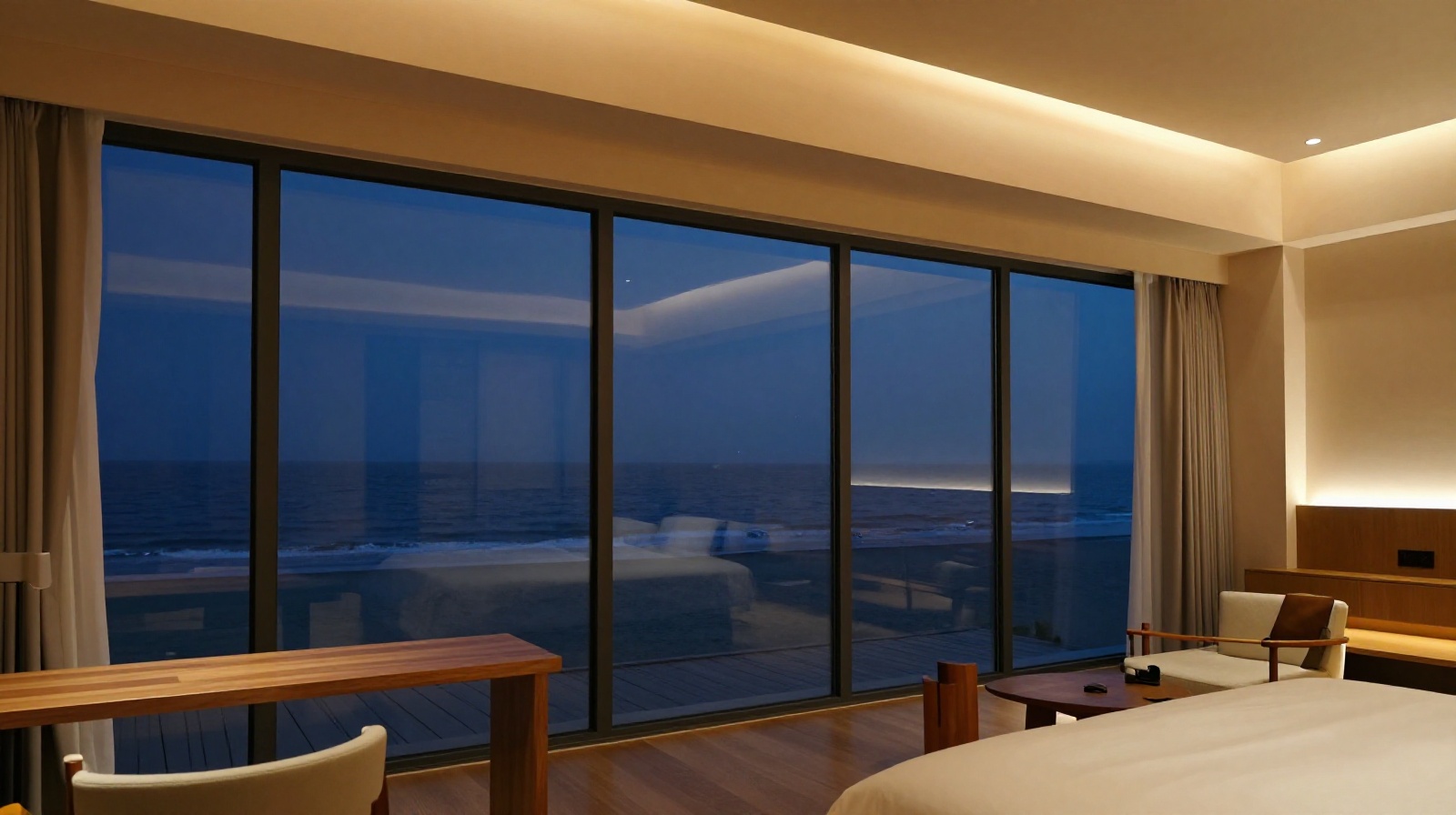
Checking into my small seaside homestay felt like stepping into a magazine spread, but with real-life textures. The room was compact, featuring floor-to-ceiling glass windows that offered an unobstructed view of the dark water.
The design is functional yet poetic. I woke up to the sound of seagulls and the light shifting from deep blue to soft gold. In Chinese cities like Shanghai or Beijing, where apartments are often small and noisy, this experience of sleeping next to the ocean feels luxurious not because of expensive furniture, but because of the space it gives you mentally.
The community is designed for residents who want more than a hotel room. It’s a place where neighbors might meet at the communal kitchen in the morning or attend an open-air theater performance in the evening. The aesthetic here isn’t just about looking good; it’s about creating a lifestyle that feels intentional and peaceful.
Art, Drama, and the New Leisure
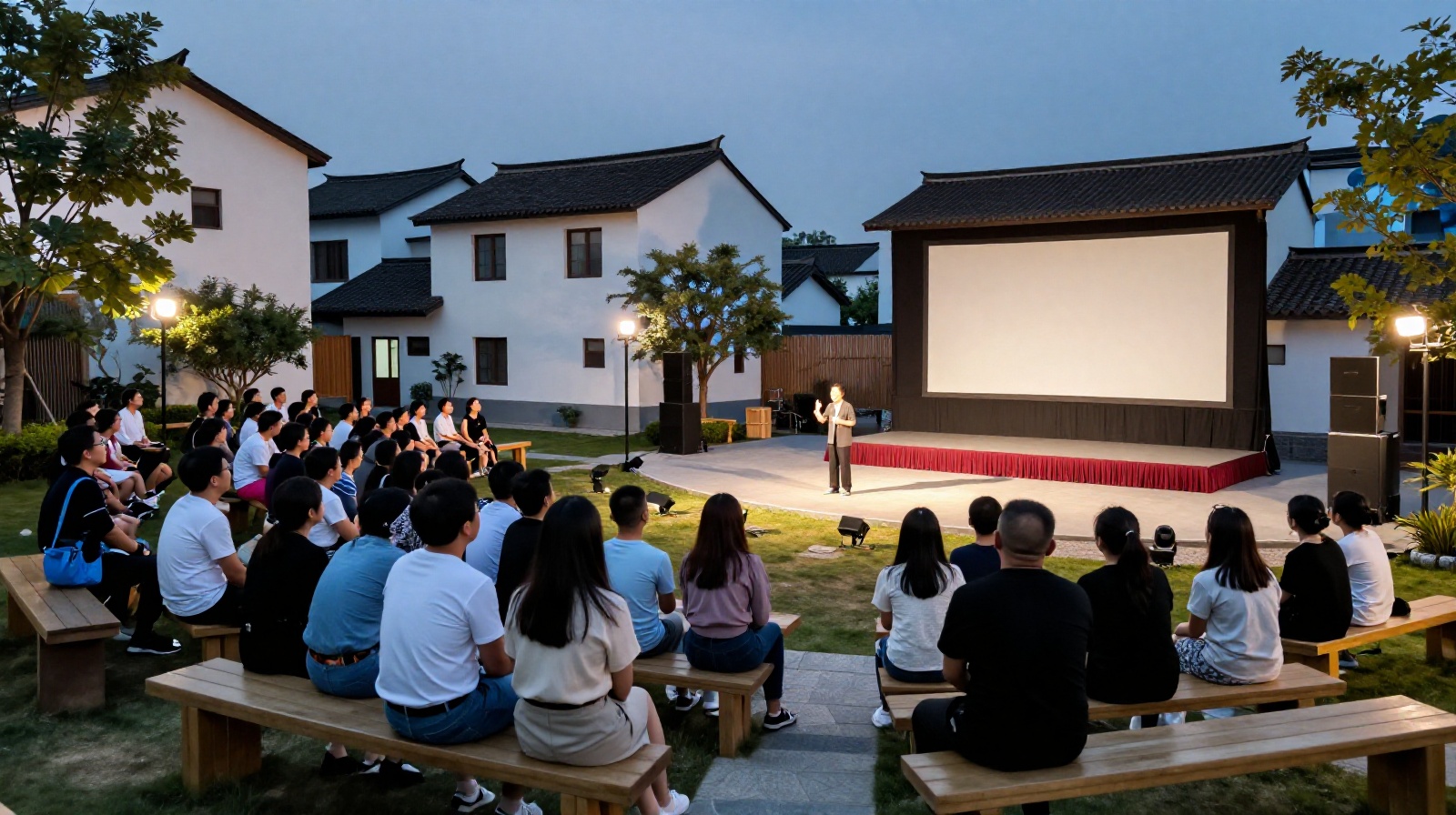
As dusk falls, the community transforms again. The white buildings glow under soft lighting, turning into stages for daily life. In one of the courtyards, a small theater troupe is rehearsing a play about local fishermen. A few dozen people sit on wooden benches, watching intently.
This blend of high culture and daily routine is unique to Aranya. It’s not just a resort; it’s a cultural hub. You can attend an art exhibition in the morning, have coffee at a minimalist cafe by noon, and watch a play under the stars at night. For young professionals tired of the “996” work culture (9 am to 9 pm, 6 days a week), this place offers a tangible alternative—a space where life is valued over productivity.
Why This Matters Now
Aranya represents more than just a new vacation spot. It reflects a deeper change in how ordinary Chinese people view their lives. After decades of rapid economic growth focused on speed and scale, there is a growing desire for quality, beauty, and emotional well-being.
The success of this beach community shows that people are willing to travel far from the city centers to find spaces that resonate with their inner needs. It challenges the stereotype of China as merely a factory or a market; here, it is also a place of creativity, design, and thoughtful living.