
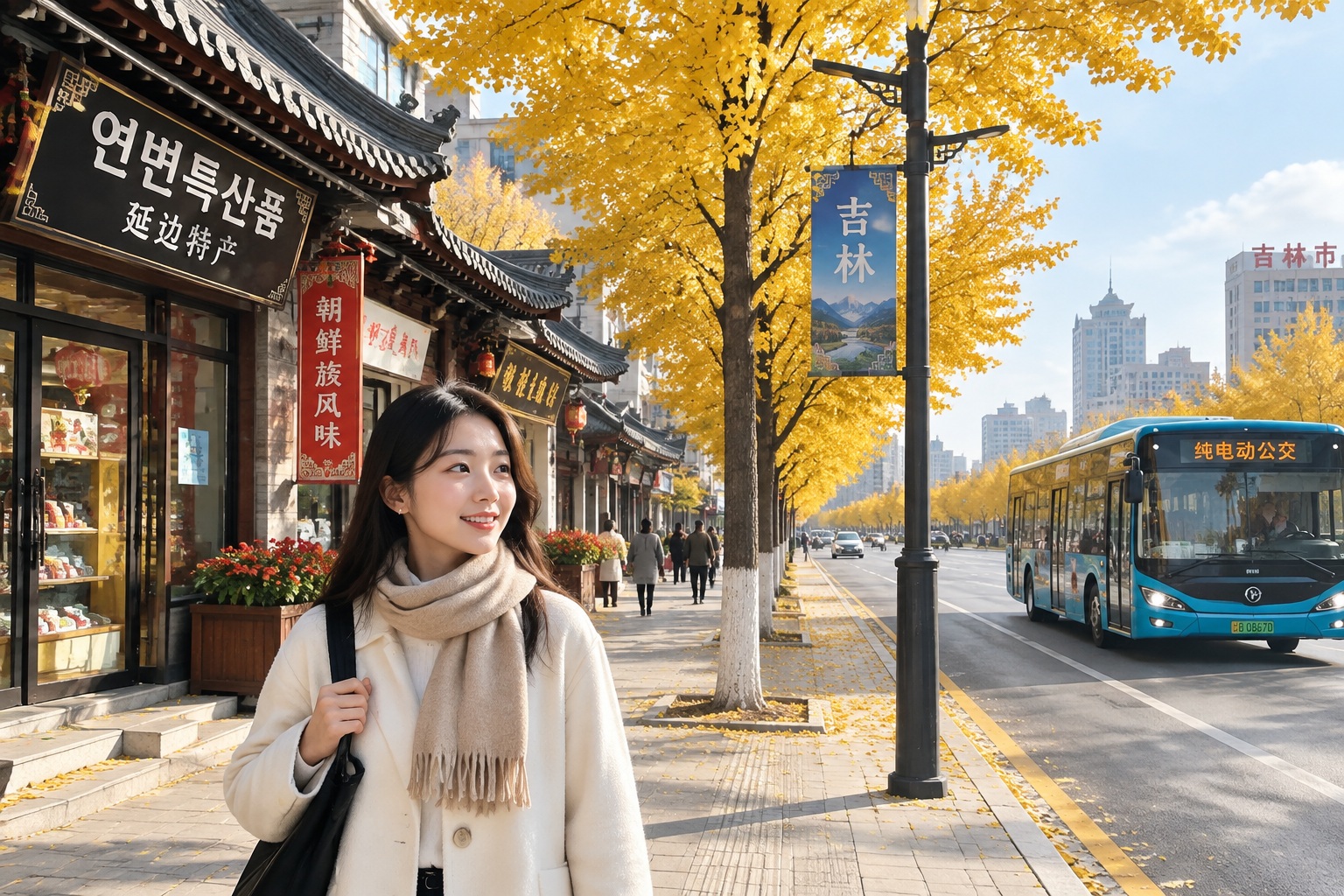

Waking Up in Yanji: The Smell of Garlic and Kimchi
The alarm goes off at 6:30 AM. Outside the window of a small apartment in Yanji, the air is crisp, carrying a scent that hits you instantly: garlic, soy sauce, and fermented cabbage. This isn’t just breakfast; it’s the daily rhythm of Jilin’s Korean ethnic minority community.
I walk to the corner market where women are chopping vegetables for kimchi, their hands moving with practiced speed. In China, many people think ‘Jilin’ only means snow. They imagine skiers on a mountain or ice sculptures in Harbin. But here, in summer, it smells like green onions and hot stone grills; in autumn, the maple leaves turn the streets gold. Jilin is not just a winter destination; it is a living, breathing cultural hub where Korean traditions are kept alive while modern life moves forward.
The city feels different from Beijing or Shanghai. There is no rush to be ‘fast.’ People take their time eating fresh naengmyeon (cold noodles) at noon streetside stalls. The architecture mixes Soviet-style concrete blocks with bright, colorful storefronts selling Korean snacks. It’s a place where history isn’t locked in a museum; it’s eaten, worn, and spoken every day.
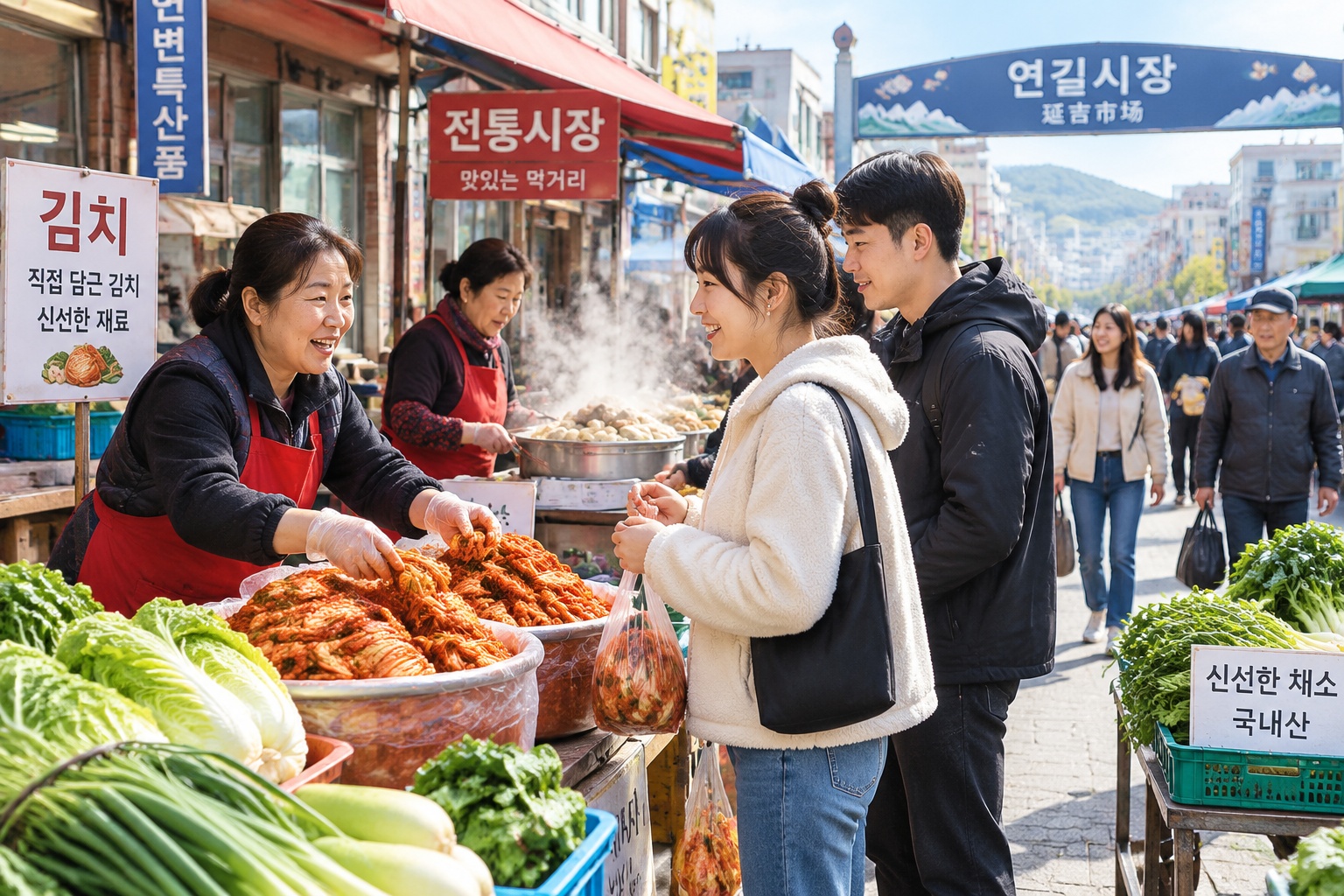
Changbaishan: A Volcano That Never Sleeps
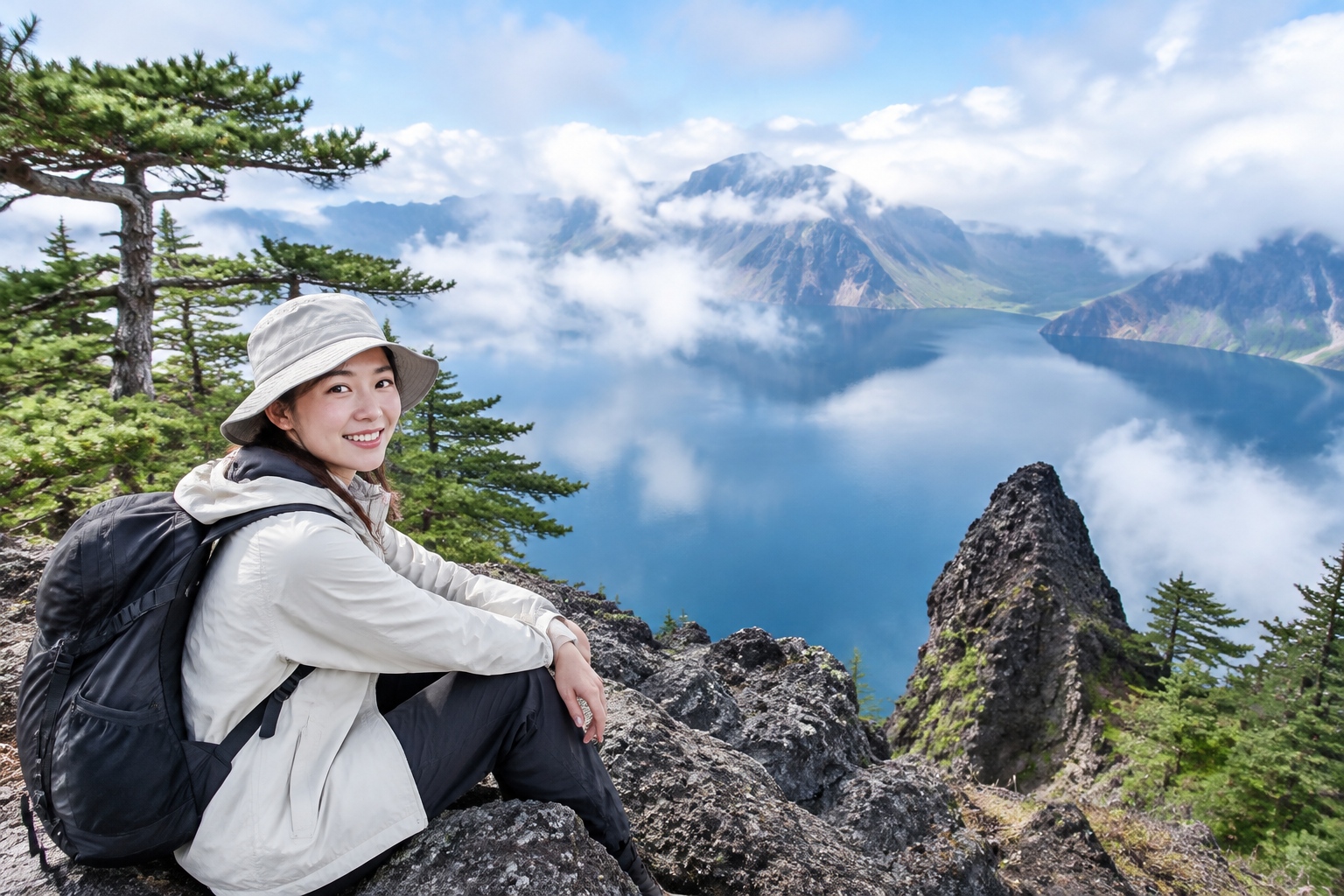
About four hours east of Yanji lies Changbaishan (Mount Paektu). To the world, this is a geological wonder. To the locals, it’s a sacred mountain.
The summit lake, Heaven Lake (Tianchi), sits at 2,194 meters above sea level. On a clear day, the water is so still it looks like a mirror reflecting the sky. But on most days in late spring or early autumn, clouds roll over the rim, hiding the view. It’s a game of chance that keeps visitors coming back.
What makes Changbaishan unique isn’t just the height; it’s the ecosystem. Walking up the trails, you pass ancient firs and birch forests, then mossy rocks, until finally reaching the alpine tundra where only hardy flowers grow. In winter, the lake freezes into a blue-white canvas, but in summer, hot springs bubble near the crater rim, steaming in the cool mountain air.
I met a local guide named Li who was born on the other side of the border in North Korea but now lives here. He told me that for centuries, this mountain was seen as the birthplace of their people. Today, it’s also a key water source for millions downstream. The contrast is striking: a spiritual symbol that is also a critical piece of infrastructure.
Changchun: Where Cars and Cinema Were Born
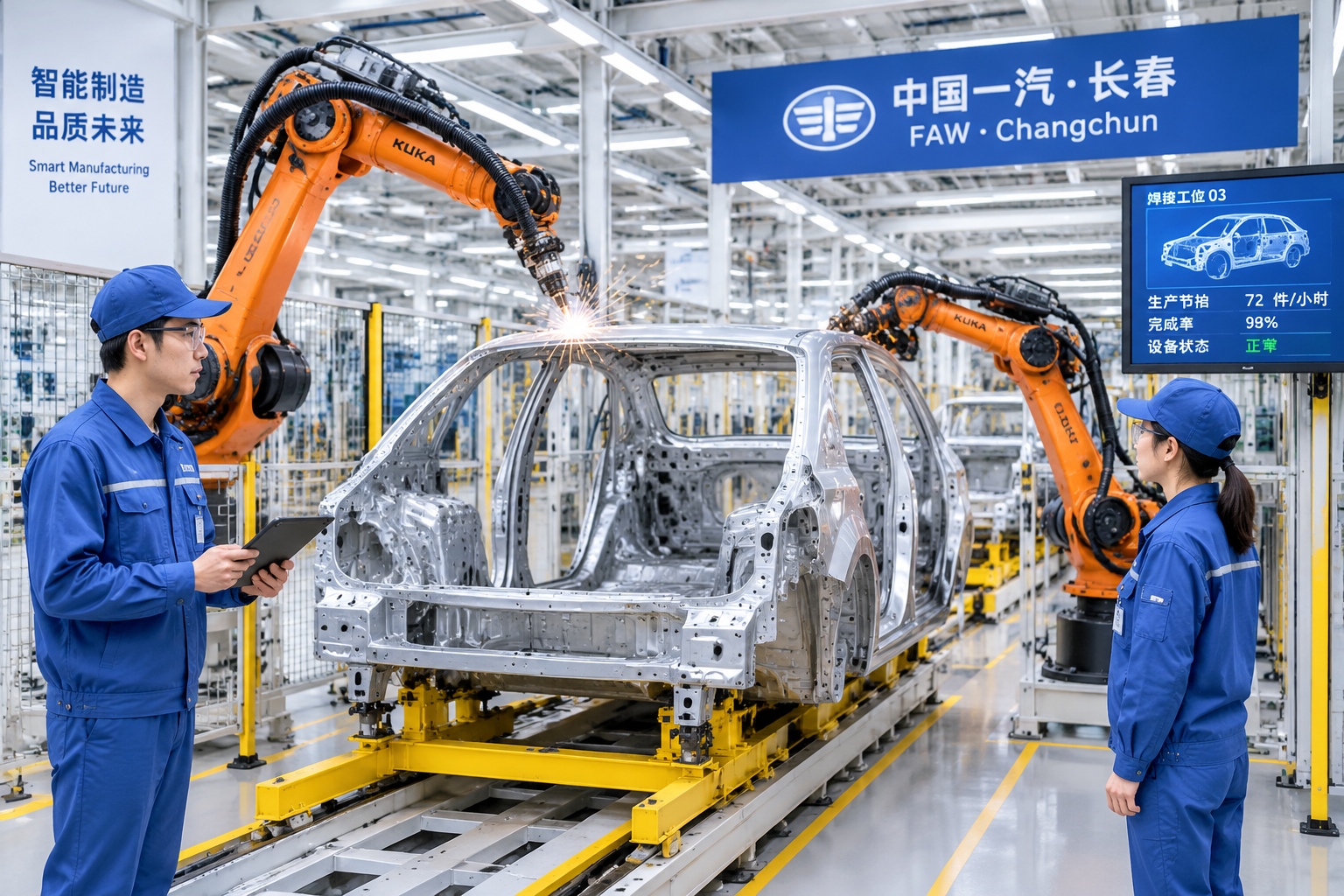
If Yanji is the cultural heart, Changchun is the industrial engine. As I sit in a café near the city center, the sound of heavy machinery can be heard faintly in the distance—the First Automobile Works (FAW). Founded in 1953, this factory built China’s first truck and car.
Today, Changchun isn’t just about old trucks. It’s a hub for electric vehicle innovation. I visited a factory floor where robots weld car frames with precision that would make Swiss engineers nod in approval. The workers wear blue uniforms and move with a quiet efficiency. There is no shouting or chaos; it’s a symphony of automation.
But Changchun has another identity: the ‘Hollywood of China.’ In 1937, during the Japanese occupation, the studio that became the Changchun Film Studio was built. Now, it’s a museum and a creative district. Young filmmakers shoot indie movies in restored Soviet-era sets. The streets are lined with statues of famous actors from classic Chinese cinema. It’s a city where you can drive an electric car made by local robots past a theater that has screened films since the 1930s.
Four Seasons, One Identity
The stereotype of Jilin as ‘just snow’ is fading. In May, the cherry blossoms bloom in Changchun’s parks, drawing crowds who picnic on the grass. By July, the province becomes a cool escape from the heat of southern China, with lakes and forests offering relief.
Autumn brings the best colors in Asia. The golden birch trees along the Songhua River create a tunnel of light that photographers chase for weeks. And yes, winter is still spectacular—the snow here is dry and powdery, perfect for skiing. But it’s no longer the only reason to visit.
Jilin is a place where you can taste the history of migration in your food, touch the roots of geology in its mountains, and see the future of manufacturing in its factories. It is a province that doesn’t shout; it simply exists, vibrant and complex, waiting for those willing to look beyond the snow.
Start the discussion at forum.chinacomes.com