

The Root Metaphor That Travels With Them
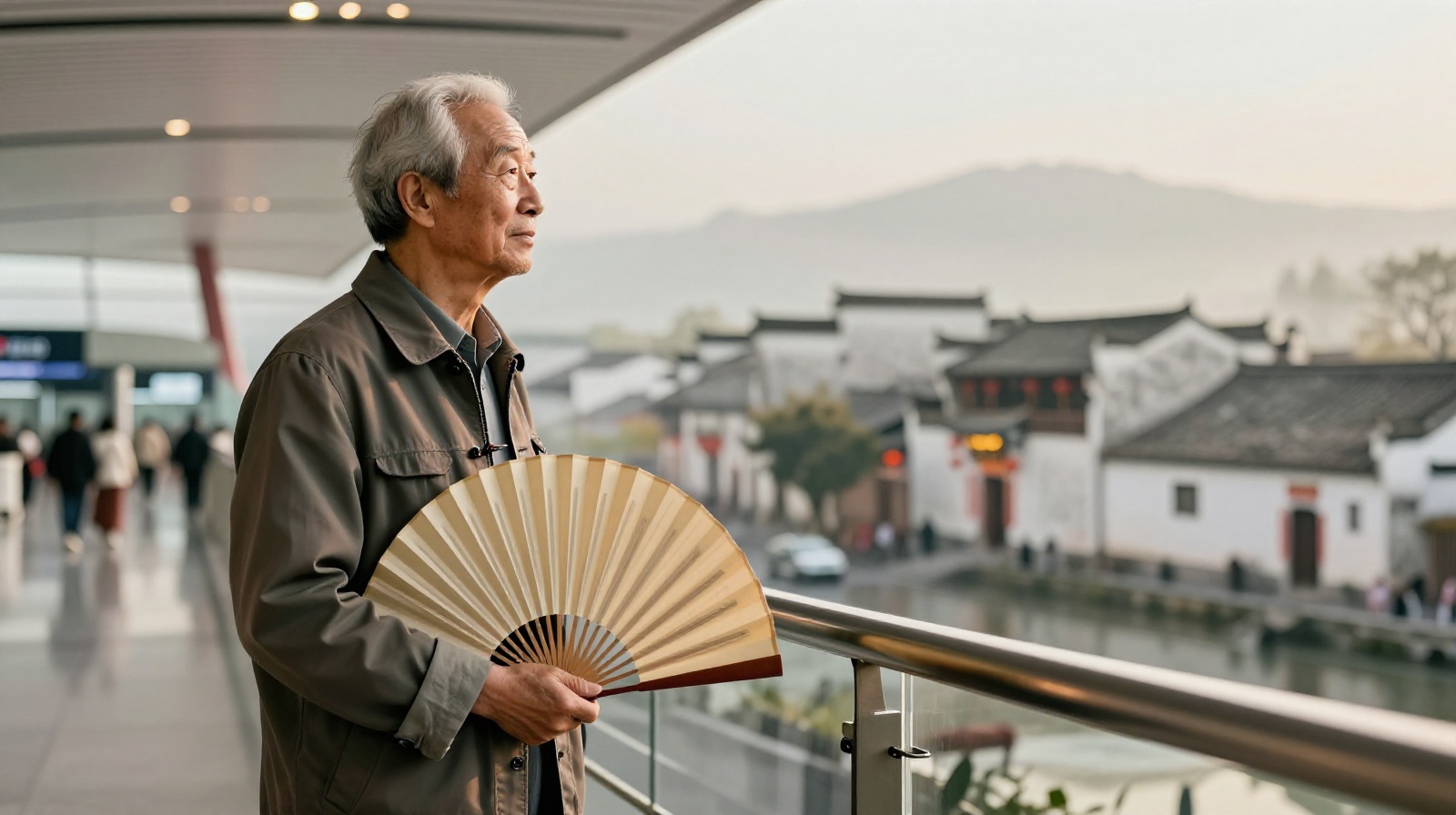
When Li Wei, a software engineer living in Toronto for fifteen years, visited his parents’ hometown in Sichuan last autumn, he didn’t just see familiar streets. He felt a physical shift in his posture. In Canada, the city is designed around cars and individual privacy; in his village, the narrow alleys connect neighbors who share rice bowls. This return trip wasn’t merely a vacation. It was an instinctive check-in with a part of himself that feels as real as his passport.
This feeling has a name in Chinese culture: Ye Luo Gui Gen, or “fallen leaves returning to their roots.” Unlike the Western concept of moving forward and leaving the past behind, this idiom suggests that no matter how far a tree’s branches stretch, its life force remains tethered to the soil where it first took hold. For millions of overseas Chinese, this isn’t just poetry; it’s a psychological reality.
Living Between Two Worlds
Most overseas Chinese today are deeply integrated into their host countries. In London or New York, they work as doctors, run tech startups, and send their kids to local schools. They celebrate Christmas or Halloween with neighbors. But on the calendar, the rhythm remains distinctly different.
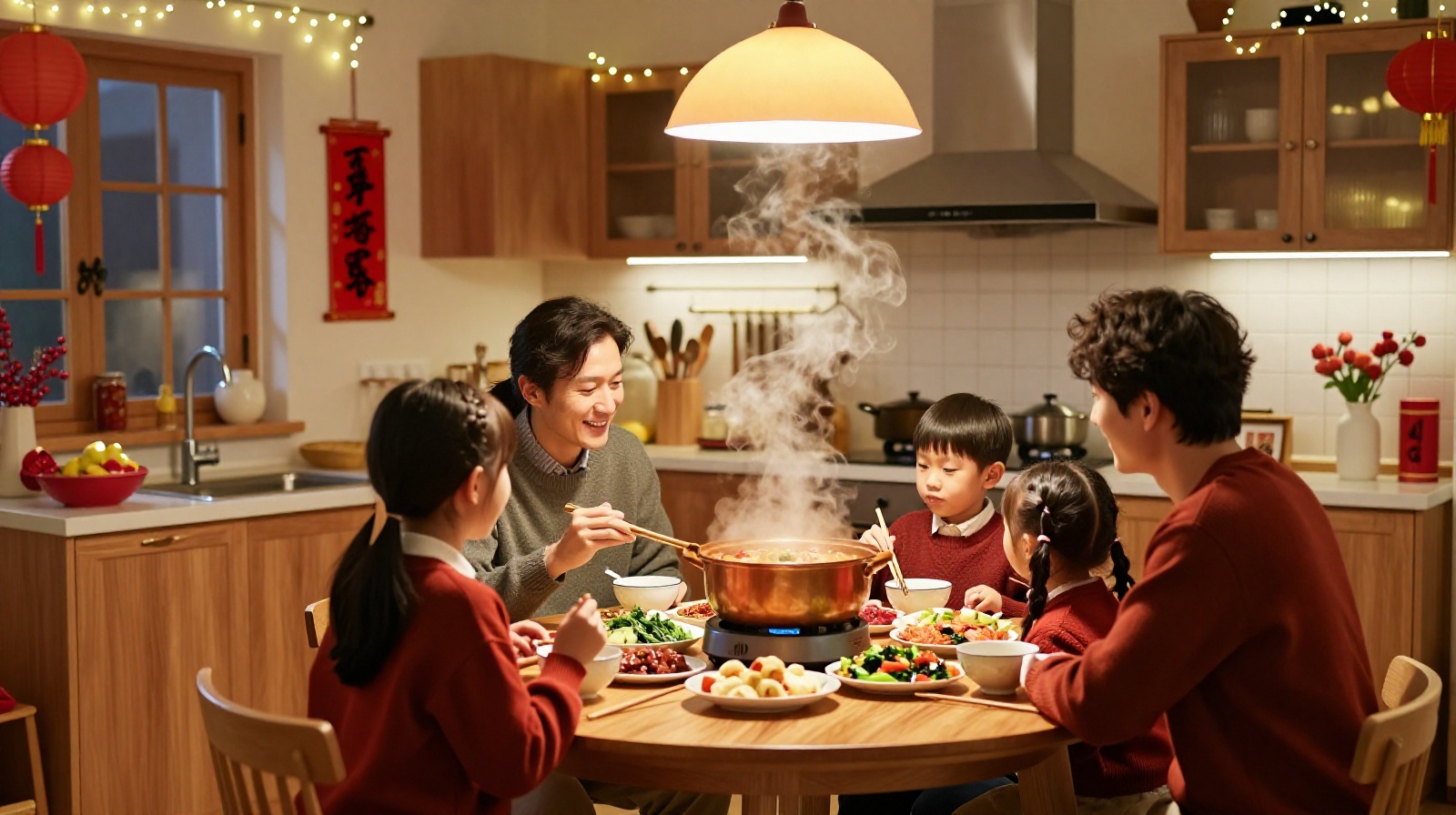
Ten minutes before the Lunar New Year, a quiet transformation happens in diaspora communities. The smell of frying dumplings fills apartment kitchens that usually bake bread. In suburban Singapore or American suburbs, families gather not around a turkey, but around a hot pot, sharing steam and stories. These aren’t performative traditions kept for show; they are the glue holding their identity together while navigating foreign societies.
It is a delicate balance. As one third-generation Chinese-American in Chicago noted, “I am American, yes. But when I close my eyes, I hear my grandmother’s dialect, and that voice tells me where I come from.” This dual existence creates a unique psychological landscape where the heart often points North, even if the feet are planted firmly elsewhere.
The Search for Identity in a Globalized Age
Why does this pull remain so strong? In an era of globalization, where we can video call anyone on Earth instantly, one might expect cultural ties to weaken. Instead, they often intensify.
For many, the attachment is a response to the question: “Who am I?” In Western societies, identity is often constructed through individual achievement or professional role. In Chinese culture, identity is relational—defined by family, ancestors, and community. When an overseas Chinese person feels invisible or misunderstood in their daily life abroad, returning to the roots offers a sense of being seen not as an “immigrant,” but simply as part of a continuum.
This isn’t always about romanticizing the past. Many returnees find significant challenges: traffic congestion, different work cultures, and sometimes even language barriers with local dialects they haven’t spoken in years. Yet, the emotional payoff is distinct. It’s the feeling of belonging to a collective memory that has survived centuries of change.
From Nostalgia to Action
This emotional tether often translates into concrete actions. We are seeing a new wave of “reverse migration” among retirees and entrepreneurs. Instead of sending money home and visiting once a year, many are planning to spend their final years in China.
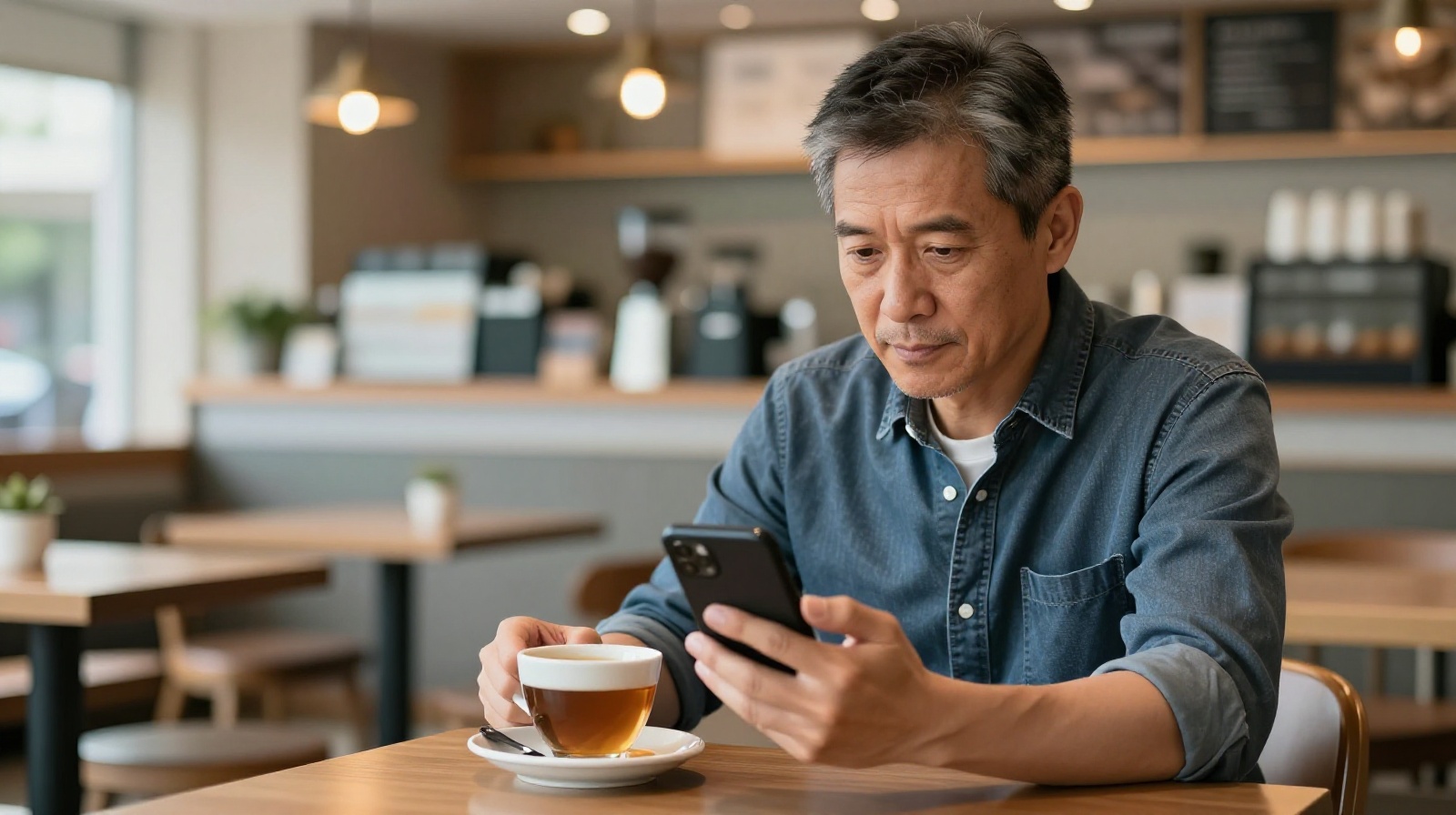
Consider the case of Chen Ming, 62, who retired in Australia but bought a small apartment in his hometown of Wuhan two years ago. “I worked hard there for thirty years,” he explained over tea. “But my health care system here is too slow and expensive. In Wuhan, I know the doctors, the food is safer, and my grandchildren can speak to me in their native tongue.” For Chen, returning isn’t a retreat; it’s a strategic choice for quality of life.
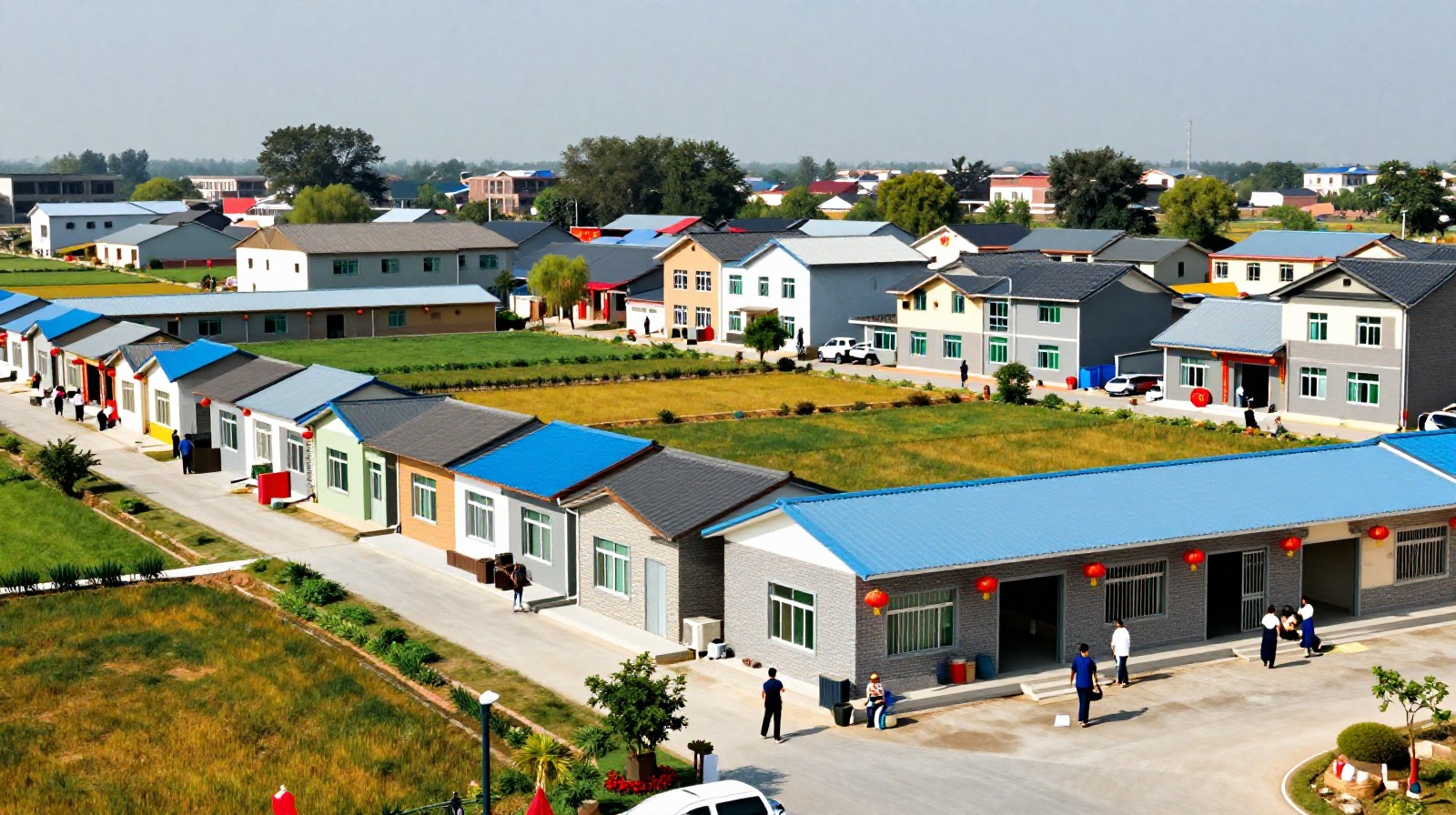
Investment patterns are also shifting. Rather than just sending remittances, overseas Chinese are increasingly investing in local rural revitalization projects or opening small businesses that cater to both locals and tourists. They act as bridges, bringing capital and global perspectives back to the soil they remember.
Roots That Travel
The story of Ye Luo Gui Gen is not about refusing to adapt or rejecting new cultures. It is about the human need for a narrative that explains our place in the world. In the West, we often speak of “roots” as something you leave behind to grow. For overseas Chinese, roots are a compass.
As the physical distance between China and the rest of the world shrinks through travel and technology, the emotional distance remains. The homeland is not just a location on a map; it is a living archive of family stories, tastes, and traditions that define who they are. Whether they live in Vancouver or Shanghai, that internal compass continues to point toward the place where their story began.