

A Flicker in the Dark
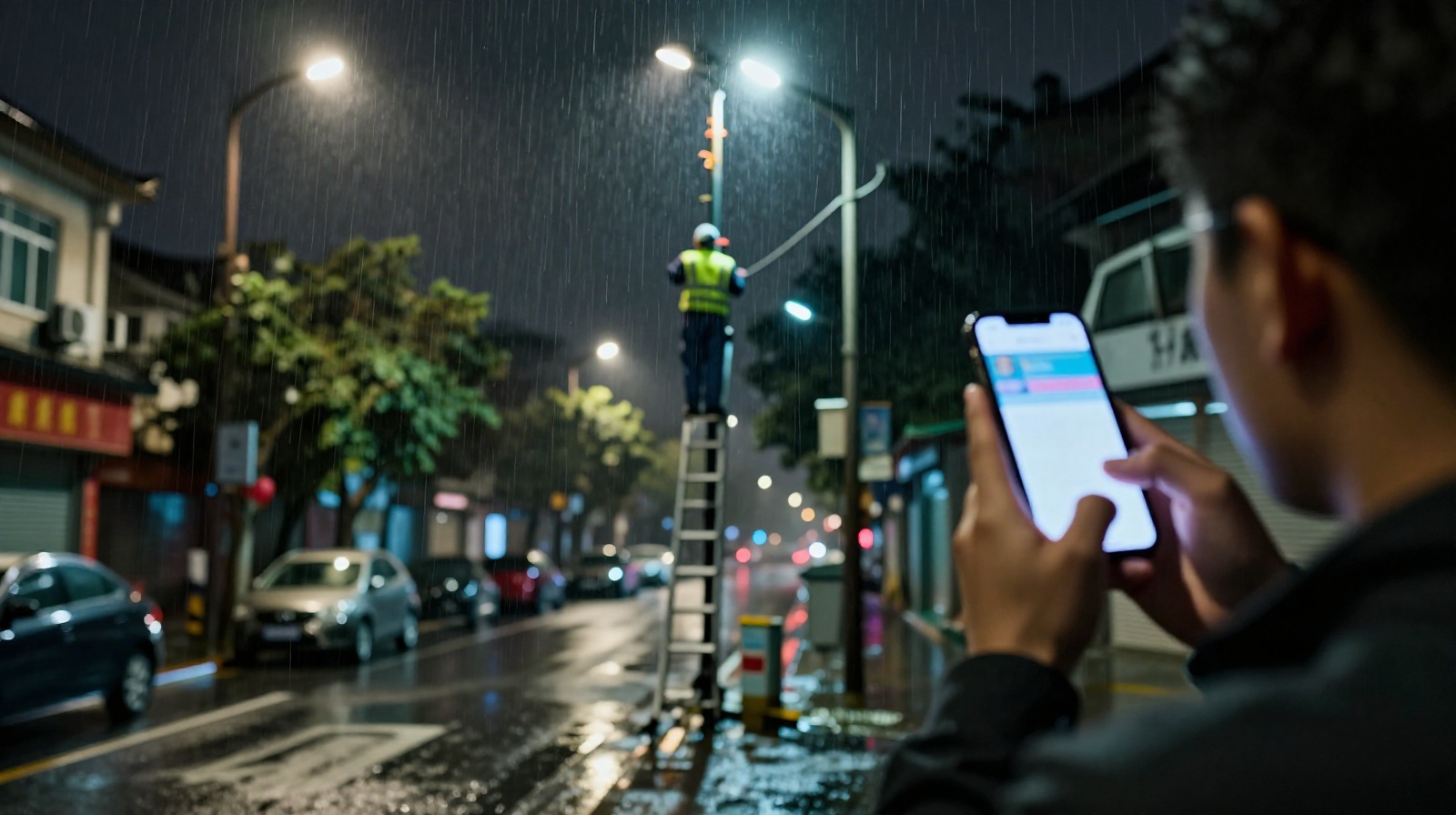
It was just past 8:00 PM on a rainy Tuesday in Hefei. The air smelled of wet asphalt and street food. Li Wei, a software engineer finishing his shift at a nearby tech park, stepped out of the subway station only to find himself walking through a patch of darkness where the overhead streetlight had just died.
He didn’t wait for neighbors or check a forum. He pulled out his phone, dialed 12345, and spoke in a calm tone: “There is no light on the corner of Huanhu Road and Xinghu Avenue. It’s dark and slippery.” The operator answered immediately.
In less than two hours, by 9:50 PM, a repairman from the municipal infrastructure team was tightening the bulb. A single call had bridged the gap between a citizen’s frustration and public service delivery.
The Digital Nervous System Behind the Call
To an outsider, this speed might seem like magic or rigid bureaucracy working overtime. But inside the system, it is a highly synchronized digital workflow known as the “grid management” model.
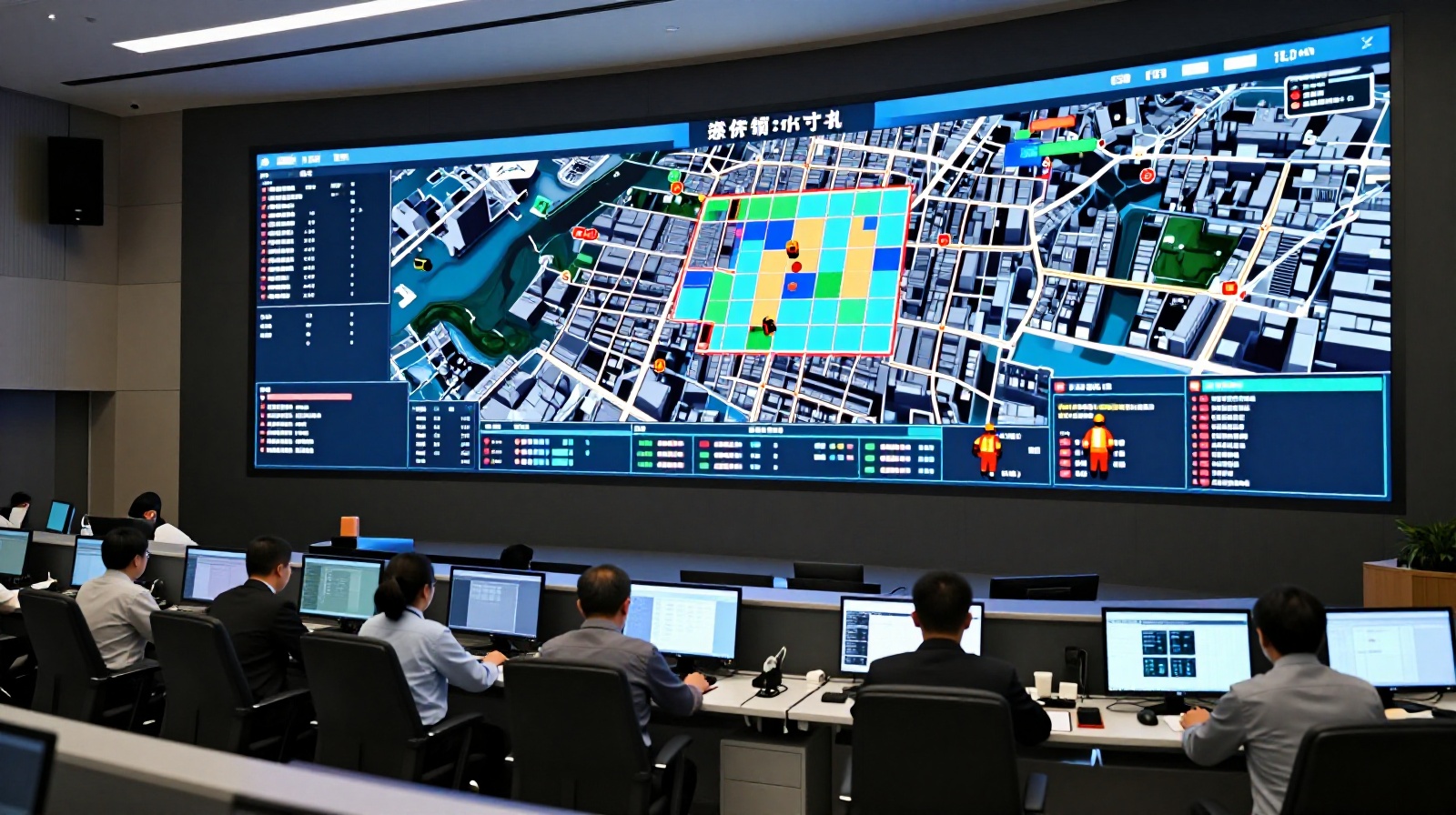
When Li Wei hung up, his complaint didn’t go into a black hole of paperwork. It was instantly converted into a structured data ticket by the city’s command center. Within seconds, an algorithm analyzed the GPS location and categorized the issue as “streetlight maintenance.” The system then automatically identified which district office and which specific repair squad were responsible for that grid block.
This is where China’s massive investment in urban digitalization pays off. Unlike older systems where a request might bounce between departments via phone or email, the 12345 platform integrates data from traffic, construction, and public works into one dashboard. The dispatch happens automatically, reducing human latency to near zero.
From Dispatch to Action: The 60-Minute Window
The real test is what happens after the ticket is sent. In Hefei, as in many tier-1 and tier-2 cities, repair crews are geographically distributed across thousands of micro-zones or “grids.” Each crew has a smartphone app linked to the central server.
At 8:05 PM, the system pushed the notification. At 8:07 PM, the nearest technician accepted the job on his tablet and headed toward the location. By 8:30 PM, he was at the scene. He didn’t need to call a supervisor for approval; the digital work order contained all necessary permissions and parts lists.
The repair itself took about 20 minutes. A loose wire or a burnt-out LED module is replaced in seconds. But the efficiency lies not just in the physical fix, but in the communication loop. The technician snaps a photo of the repaired light via his app, uploads it instantly, and marks the job as “completed.” Li Wei receives an automated SMS within minutes: “Your issue has been resolved. Please rate your experience.”
The Invisible Hand of Performance Reviews
Why do they rush? Why not wait until morning when the office is open?
The answer lies in the accountability system that underpins these operations. Every 12345 ticket comes with strict time limits: a response within 30 minutes, resolution within 2 hours for urgent public safety issues.
These aren’t just internal guidelines; they are tied to performance evaluations. If a crew fails to meet the deadline or if a citizen rates the service poorly, it directly impacts their monthly bonus and annual review. The system is designed to make “doing nothing” more costly than “acting fast.” This pressure ensures that frontline workers treat every call as a priority.

Small Fixes, Big Trust
This incident might seem trivial—a single light bulb in a rainy night. But for the city’s governance model, it represents a fundamental shift. It moves from a reactive, complaint-driven bureaucracy to a proactive, data-driven service.
For foreign observers used to slow administrative responses or fragmented local services, this speed can be surprising. Yet, it reflects a broader trend in China where technology is not just for convenience but as a core infrastructure for social stability and efficiency. When a citizen feels their voice is heard instantly, trust in public institutions grows.
Li Wei went back to his apartment, the street now bright again. The system had worked exactly as designed: detect, dispatch, resolve, verify. It was a quiet, efficient moment that most people never see but rely on every day.