

The Phone in Your Pocket Tells a Different Story
It is 7:15 AM in Dongguan, Guangdong. The air smells faintly of soldering iron and fresh coffee. Inside a mid-sized factory, a woman named Li checks the final assembly line for a popular smartphone brand. She isn’t just assembling parts; she is standing at the end of a journey that started three days ago.
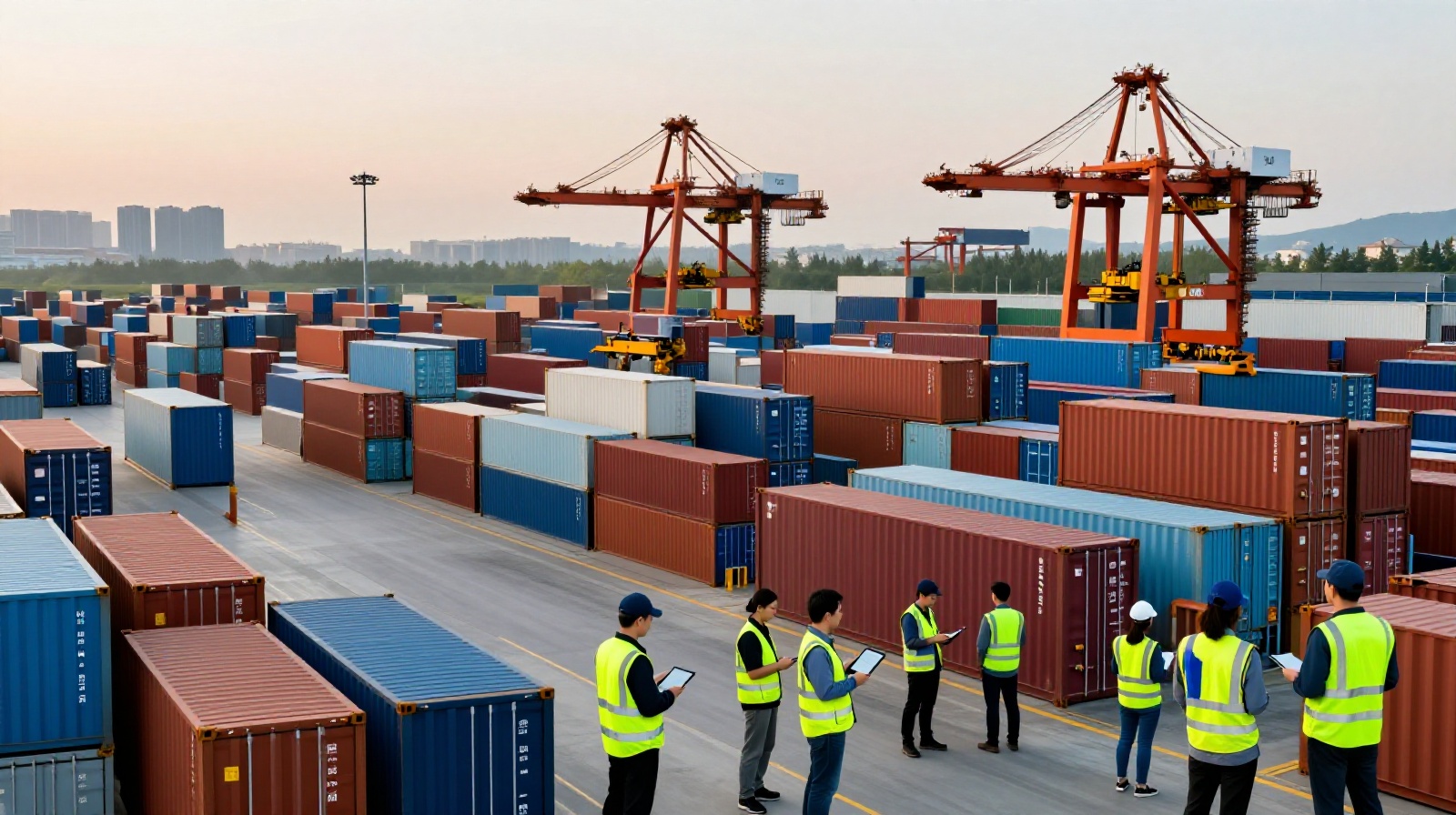
Three thousand kilometers away in Jiangxi, lithium ore was processed into battery cells. Two days ago, those cells were shipped to Dongguan, where screens from Suzhou and camera lenses from Shanghai arrived by truck just hours before. In other countries, coordinating this would take weeks of shipping delays and customs paperwork. Here, it happens over a weekend.
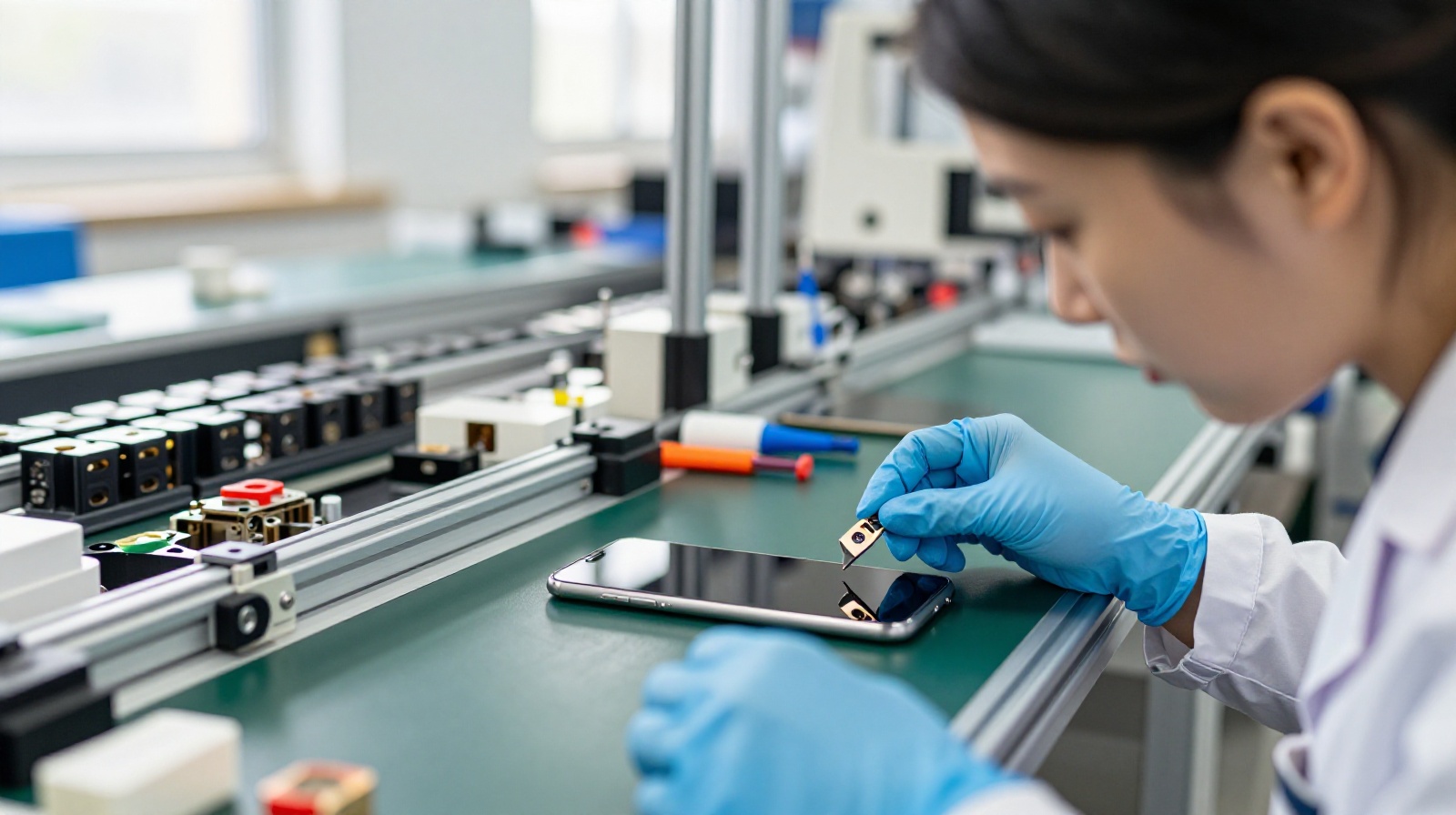
This speed is not magic; it is the result of what experts call “industrial clustering.” But to understand why this matters to you and me, we have to look beyond the factory walls. The supply chain isn’t just about machines; it’s a deeply social mechanism shaped by policy and family structures.
More Than Factories: A Social Engine
In the West, manufacturing is often seen as isolated industrial zones on city edges. In China, the ecosystem is woven into the fabric of society itself. Since the reform era began, government policies have encouraged specialized towns—where one town makes motors, another makes batteries, and a third makes apps for managing them.
This specialization was supercharged by demographic shifts. As millions of people moved from rural villages to these industrial hubs, they brought with them not just labor, but entire support systems. A worker in Shenzhen might live in a dormitory complex that includes a kindergarten, a grocery store, and a clinic. This proximity means that if a machine breaks or a design changes, the solution doesn’t have to travel across borders. It happens within the same neighborhood.
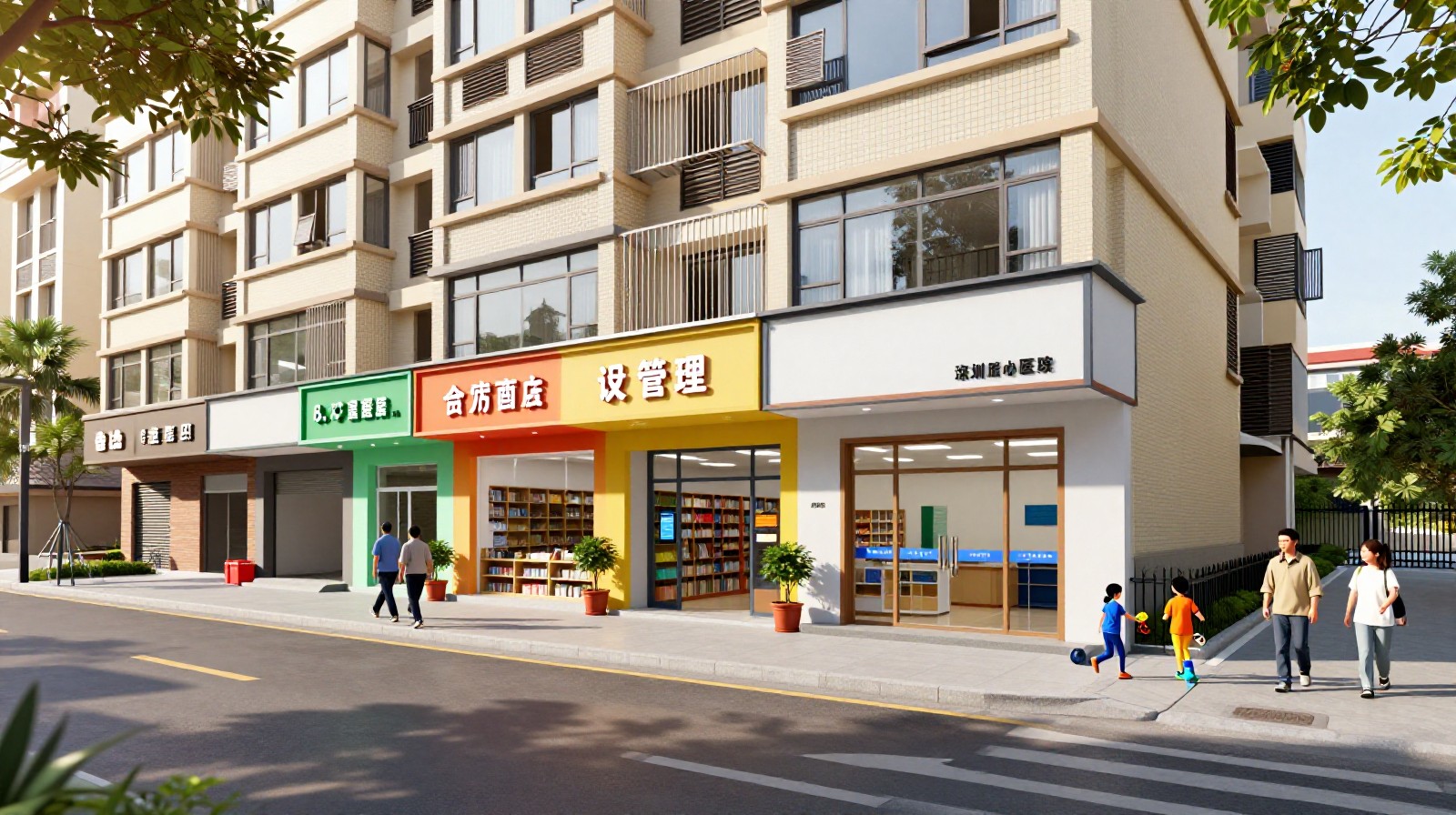
For the average worker, this system offers something rare: stability. When global demand fluctuates, companies can pivot quickly because the tools and talent are right next door. This flexibility translates into steady jobs and affordable housing in industrial cities, creating a cycle where economic growth directly supports social cohesion.
The Case of the Electric Car
Let’s take a concrete example: the electric vehicle (EV) boom. In 2023, China produced over half of the world’s new energy vehicles. Why?
Imagine an EV manufacturer in Hefei. They don’t need to import batteries from Japan or steel from Germany. The raw lithium is processed domestically. The chemical components are mixed locally. The motors are cast in a park just 50 kilometers away. Even the software for the autonomous driving features is tested and updated by engineers living in the same city.
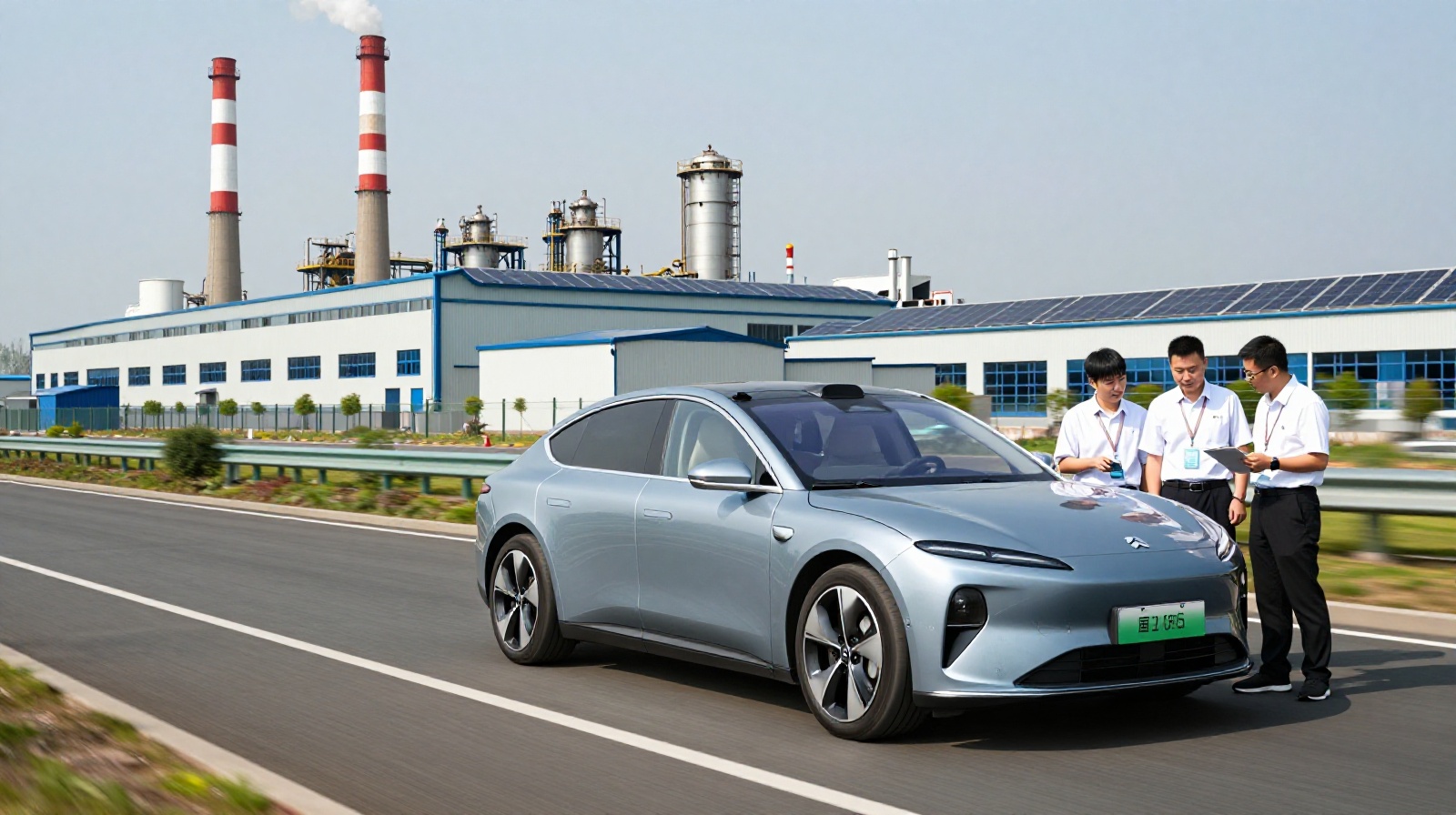
This “closed-loop” efficiency slashes costs and time. While Western competitors struggle with fragmented supply lines that span oceans, Chinese manufacturers can iterate a car design in weeks rather than months. This speed allows them to offer high-tech features at prices that seem impossible elsewhere.
What It Means for Daily Life
The superpower of the supply chain isn’t just about exporting goods; it’s about keeping life affordable and stable for millions. Because production is so efficient, the cost of everything from winter down jackets to solar panels remains low, even during global inflation.
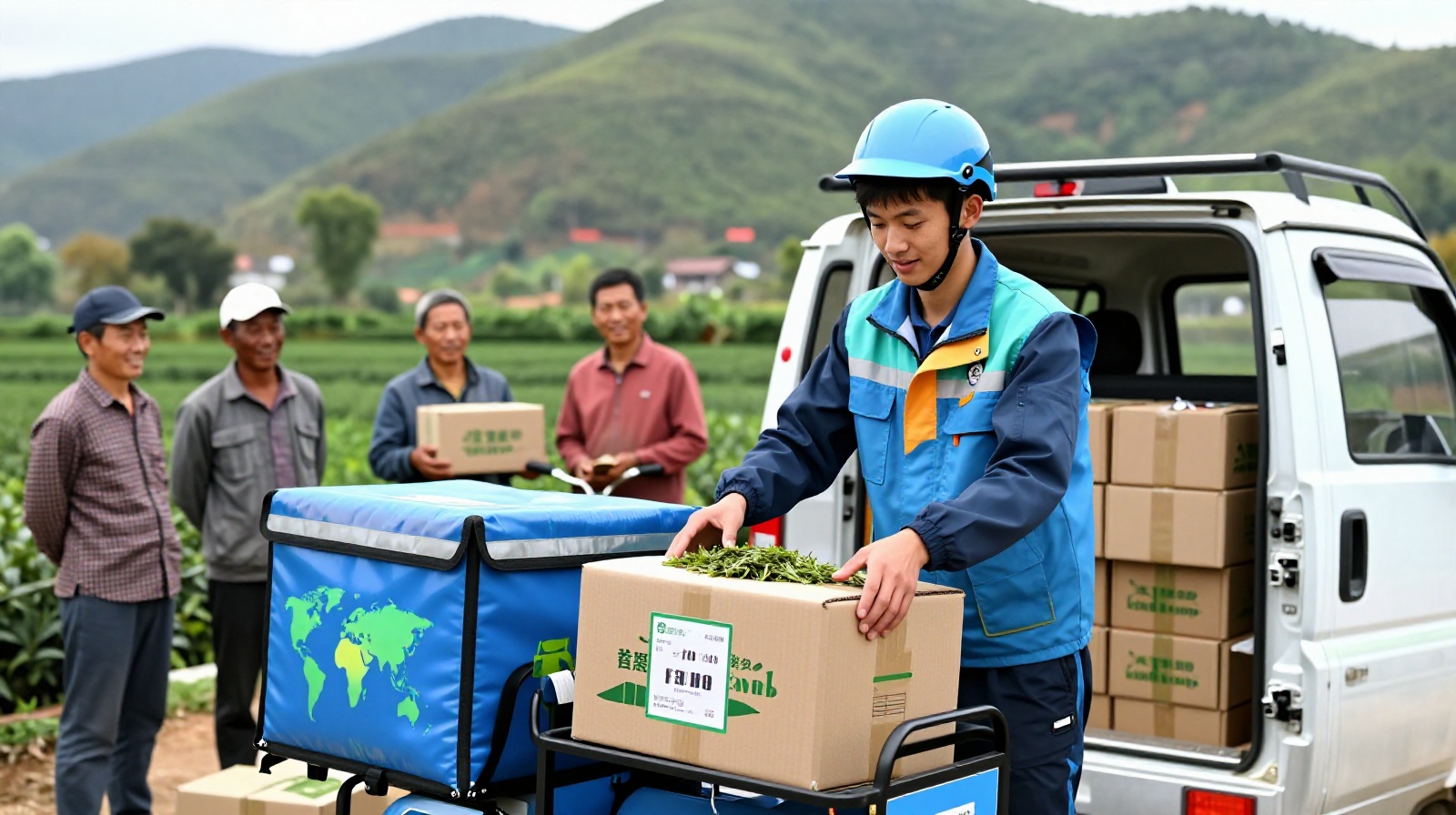
In rural areas, this has meant a revolution in e-commerce. A farmer in Yunnan can sell fresh tea leaves directly to a customer in Beijing or Berlin, bypassing layers of middlemen. The logistics network that supports this is the same backbone that powers the factories.
For young professionals, it means access to cutting-edge technology without the premium price tag. For retirees, it means reliable medical supplies and affordable heating solutions. The supply chain acts as a shock absorber for the entire economy, cushioning the blow of external crises.
The Real Resilience
When people talk about China’s future, they often focus on grand ambitions like space stations or AI algorithms. But the true strength lies in this intricate web of logistics, labor, and policy.
This system allows China to weather global storms with a resilience that few other nations can match. It is not just an economic statistic; it is the quiet engine driving the daily lives of 1.4 billion people. As the world faces uncertainty, the ability to produce, adapt, and deliver quickly remains the country’s most formidable asset.
Next time you buy a product made in China, remember: you aren’t just buying an item. You are witnessing the power of a network that has redefined how the modern world works.