

The Movie vs. The Commute
Walk into a Starbucks in downtown Shanghai, and you might spot someone meditating on the sidewalk outside. But don’t get excited—it’s probably just a delivery driver waiting for an order update on his phone. This is where the global perception of China often collides with reality.
For decades, Hollywood and Kung Fu movies have trained us to expect that every Chinese person has mastered martial arts since childhood. It’s a fun stereotype, but in 2024, it’s as outdated as expecting everyone in New York to know how to box because of Rocky.
The truth? Most people I meet just want to finish their work day and go home for dinner. They aren’t training to become Shaolin warriors; they are training to pass the civil service exam or get a promotion at a tech startup.

Real Life: No Capes, Just Coffee
Last week, I hung out with Li Wei, a 26-year-old graphic designer in Shenzhen. When I jokingly asked if he knew any “secret moves” to handle his stressful deadlines, he laughed and said, “My only move is dodging emails until 5 PM.”
Li Wei isn’t alone. In the bustling office parks of Beijing’s Zhongguancun or the tech hubs of Hangzhou, the competition isn’t about who can break a brick with their bare hands. It’s about who can code faster, design better apps, or manage supply chains more efficiently.
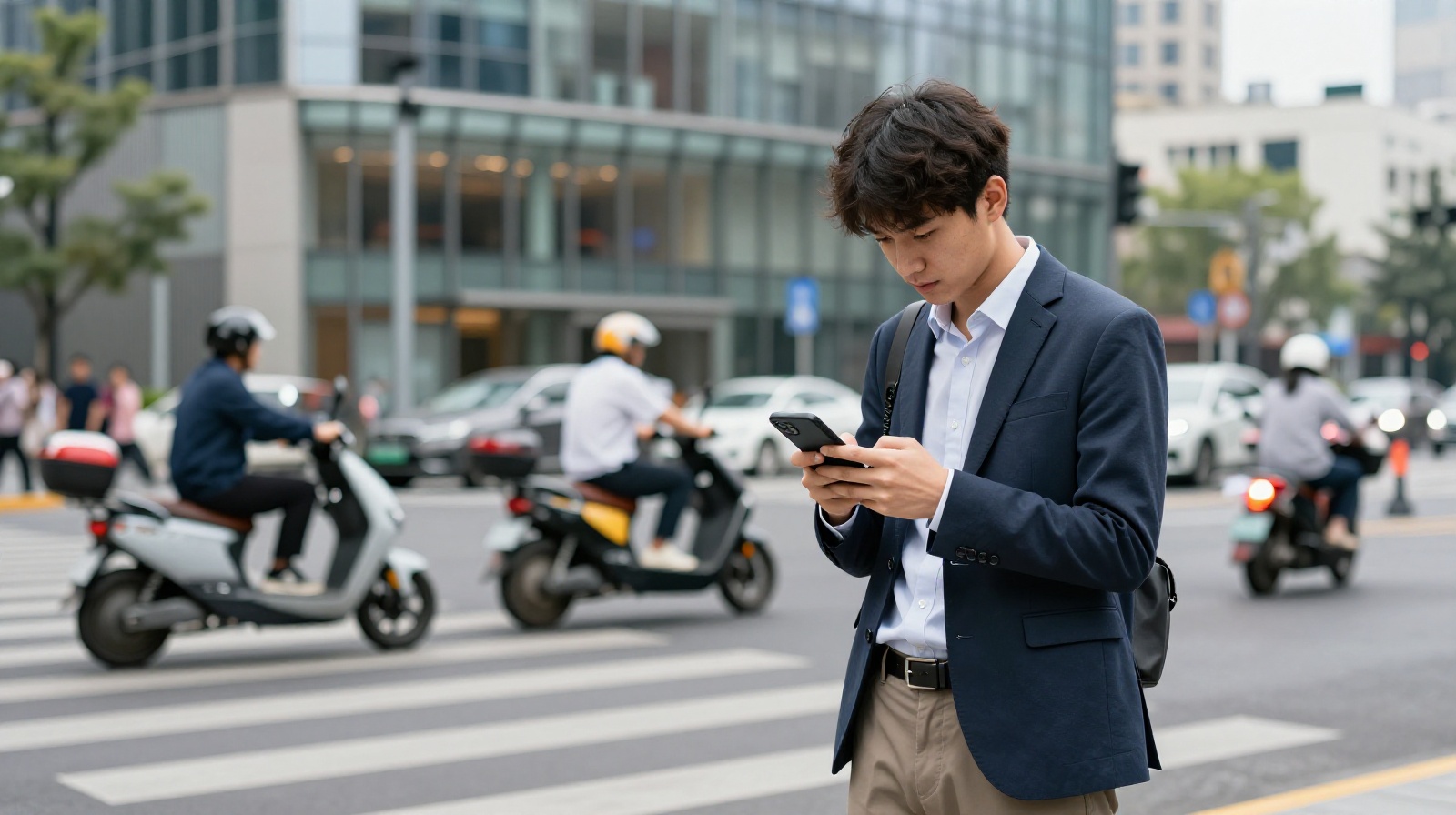
The average Chinese citizen spends hours commuting on high-speed trains or crowded subways, not performing acrobatics on rooftops. Their daily routine involves navigating digital life—paying bills, booking doctor appointments, and ordering food—all through a smartphone app called WeChat or Alipay.
Where Kung Fu Actually Fits In
Does this mean Kung Fu is gone from China? Absolutely not. But its role has shifted. Today, it’s less of a survival skill and more of a cultural art form or a fitness trend.
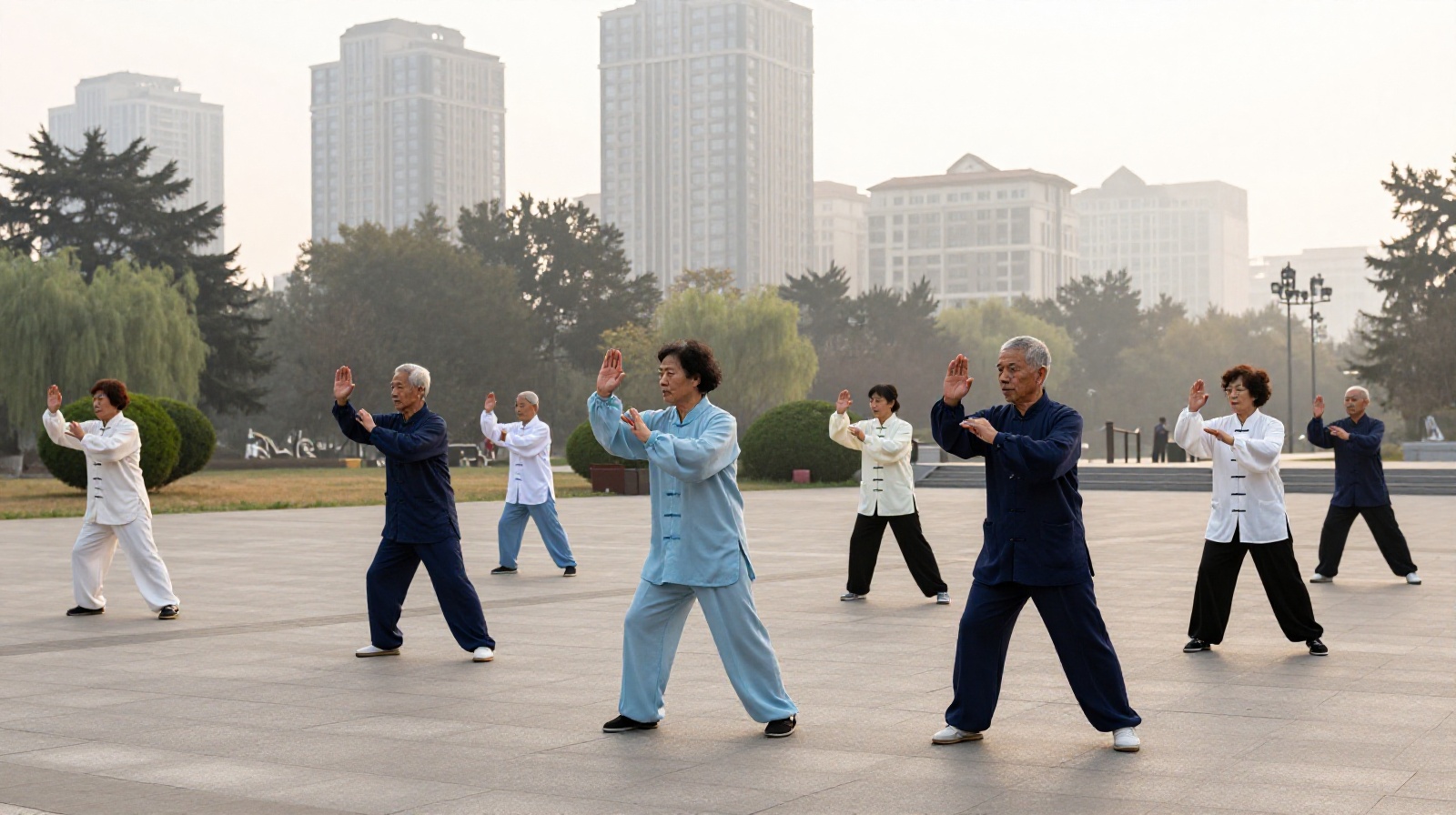
If you visit a public park in the early morning, you might see elderly people practicing Tai Chi (a soft internal martial art). It’s common there, but it’s for health and balance, not combat. Similarly, Kung Fu schools exist, and many children attend them to learn discipline or improve their fitness. But just like taking ballet classes in London doesn’t make everyone a dancer, attending a Kung Fu class doesn’t mean you can fight off a mugger.
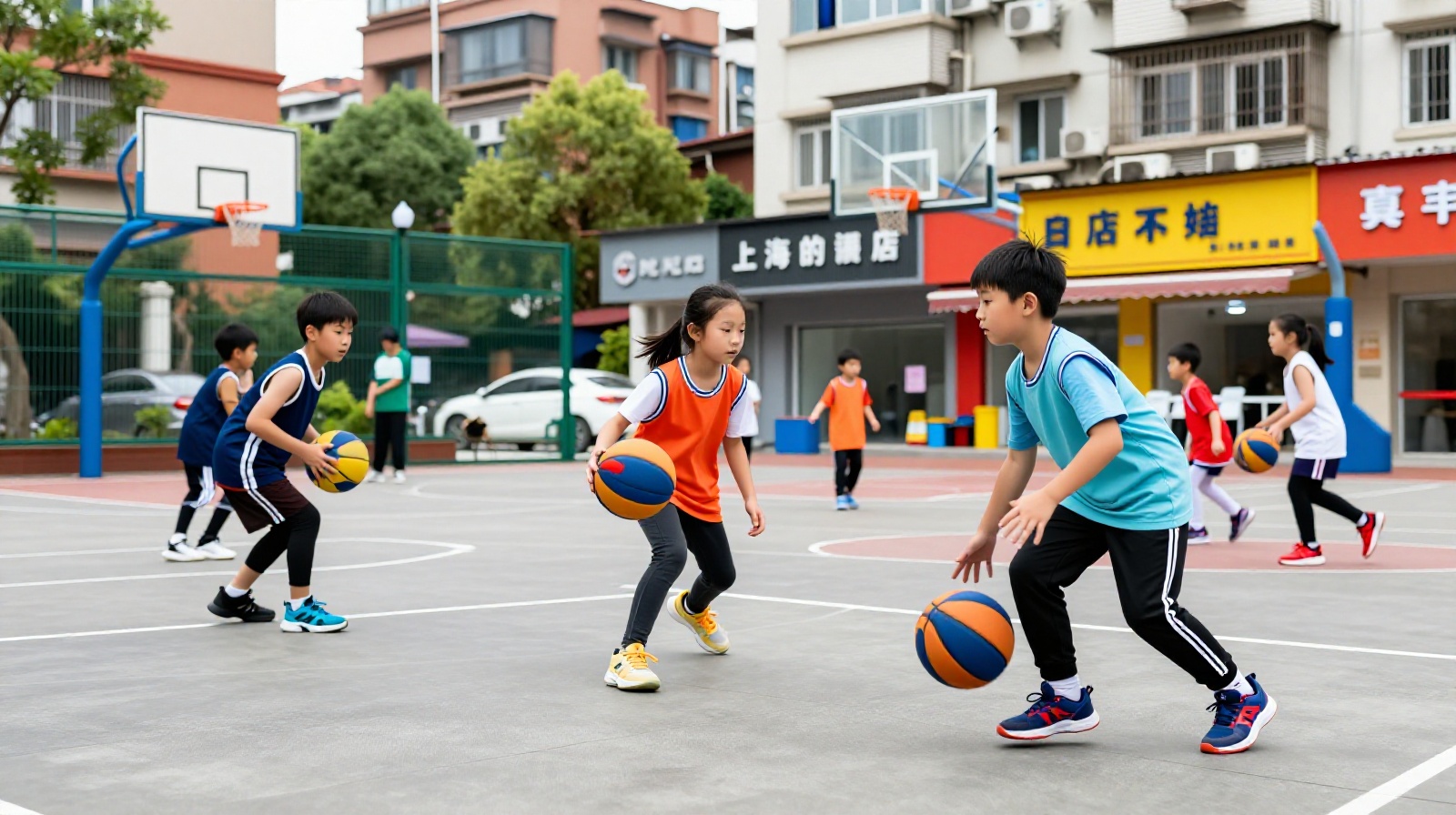
For the younger generation, sports like basketball, football (soccer), and running are far more popular. The NBA is huge here; you’ll see kids dribbling at every street corner. Yoga studios are popping up in cities everywhere, offering a modern escape from stress rather than ancient combat training.
Why the Confusion Persists
So why does this myth stick around? It’s simple: cultural export. Movies like Crouching Tiger, Hidden Dragon and Jackie Chan films are masterpieces that introduced the world to Chinese culture. But they also created a caricature.
When people hear “China,” their brains immediately jump to wushu (martial arts). It’s an easy shorthand, but it ignores the complexity of over 1.4 billion people. Just as you wouldn’t assume every American is a cowboy or a baseball player, assuming every Chinese person is a master fighter is a massive oversimplification.
The Real Superpower
Perhaps the only “superpower” modern Chinese people possess is their adaptability. The ability to switch from a high-speed train to a digital payment app in seconds, or to pivot careers in a rapidly changing economy, is something that rivals any movie magic.
So, next time you see a Chinese person on screen doing incredible stunts, enjoy the show. But if you meet one in real life at a coffee shop or subway station, they are just like anyone else: tired from work, scrolling through their phone, and maybe wondering what’s for dinner. That’s the real story of modern China.