


The Label That Stuck
When I told a colleague in London that I grew up as an only child, his eyes widened. “Oh, so you must be the ‘Little Emperor’. Did your parents spoil you rotten?” It was a question I’ve heard thousands of times since I moved abroad.
This label didn’t just appear; it spread like wildfire through Western media in the 1980s and 90s. The narrative was simple: one child, two grandparents, four doting parents, and zero siblings to share with. The conclusion? A generation of selfish, uncooperative brats.
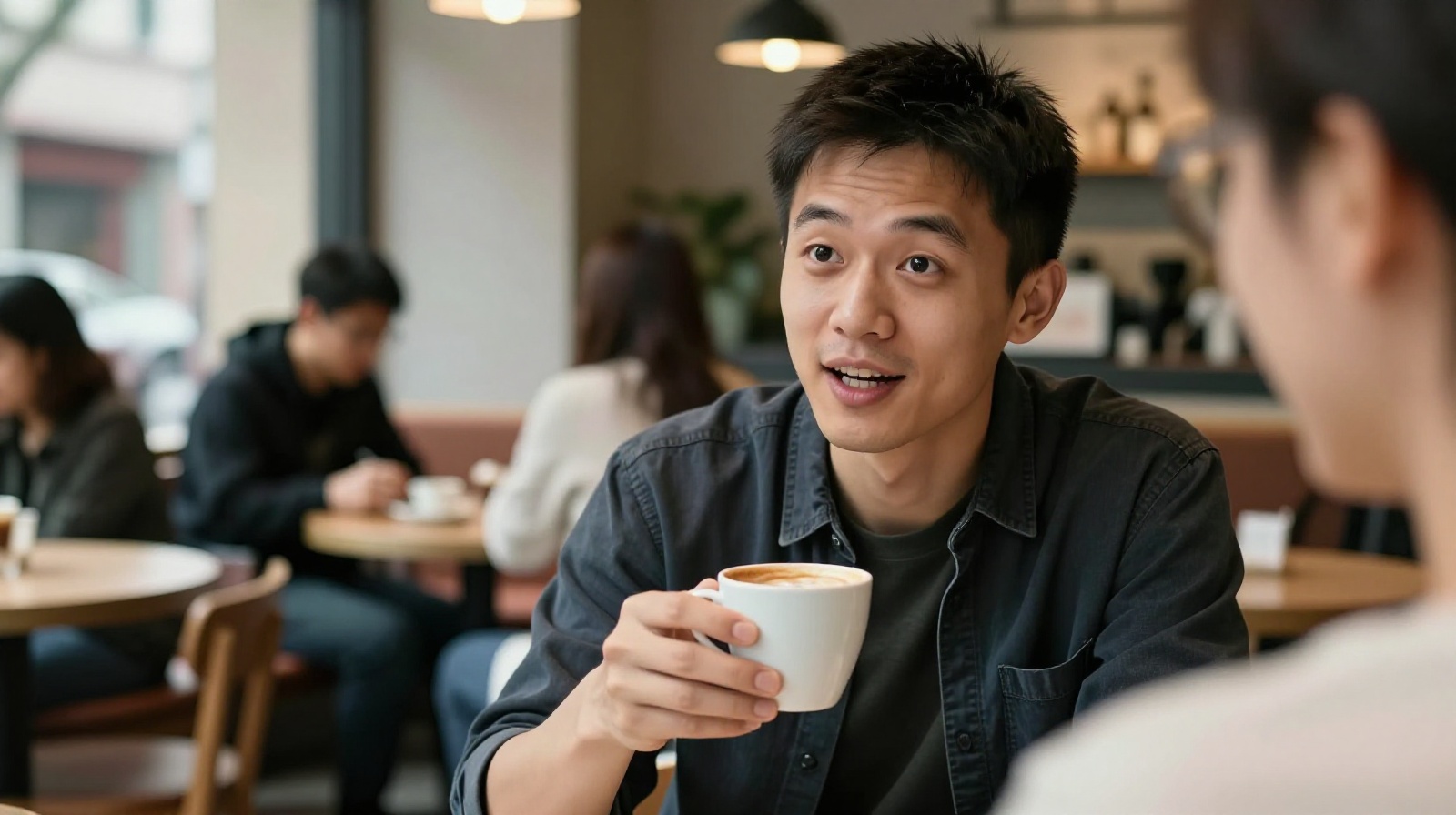
The Reality: Heavy Expectations on One Shoulder
Meet Li Wei (not his real name), 32, working in tech in Shanghai. He grew up in the early years of China’s one-child policy. “People think I had a golden spoon,” he laughs over coffee. “But in reality, I was the only hope for my parents’ entire future. If I failed, there was no Plan B.”
For Li and millions like him, childhood wasn’t about being indulged; it was about intense focus. Family savings went into private tutors, not toys. Sunday mornings weren’t for playing in the park; they were for cramming extra math or English lessons.
“I felt a lot of loneliness,” Li admits. “But I also learned early that no one else would carry my load. That’s why I work harder than anyone else.”
This pressure cooker environment produced a generation with high stress tolerance but deep-seated anxiety. They aren’t spoiled; they are hyper-responsible.
More Than Just ‘Selfish’
Consider Mei Ling, 35, who runs a small design studio in Chengdu. As the only child of immigrant parents, she moved to Beijing at 24 with nothing but a laptop and a visa for ambition. “I had to learn everything myself,” she says. “No older brother to teach me how to fix the car or deal with landlords. I had no choice.”

Today, Mei is the breadwinner for her aging parents in Chengdu. She pays their medical bills and plans their retirement. In many Western households, this burden might be shared among three or four siblings. For only children, it falls entirely on one person’s shoulders.
This isn’t selfishness; it’s a necessity born of circumstance. When you are the sole focus of two parents’ entire life investment, you become fiercely independent out of survival instinct.
The Workplace Reality: Driven by Responsibility
Employers in China and abroad often find the only-child generation to be some of the most dedicated workers. Why?
In a traditional multi-child family, responsibilities are distributed. In an only-child family, the child is the sole heir to both wealth and duty. This creates a unique drive.
“We don’t slack off because we have no one else to fall back on,” says Zhang Hao, a project manager in Shenzhen. “If I miss a deadline, my parents’ reputation takes a hit too. My success is their social capital.”
This dynamic has fueled China’s rapid economic rise. The only-child generation entered the workforce just as the economy exploded. They didn’t have siblings to share resources with, so they competed fiercely and innovated rapidly.
Breaking the Stereotype
The “Little Emperor” tag is a relic of a simplified Cold War-era narrative. It ignores the complex reality of family dynamics in modern China.
Yes, some only children were doted on. But for the vast majority, being an only child meant being the center of a gravitational pull that demanded excellence. They grew up understanding that love comes with a heavy price tag: responsibility.

As this generation ages into middle age, they are becoming the backbone of China’s society. They are caring for aging parents alone while raising their own children (often only one or two). They are navigating a competitive job market with grit that outsiders often misinterpret as aggression.
The truth is far more human than the label suggests. They aren’t bratty kids; they are resilient adults who learned early on that in life, you can only count on yourself—and your family’s hopes resting on your back.