

3 A.M. in the Mud
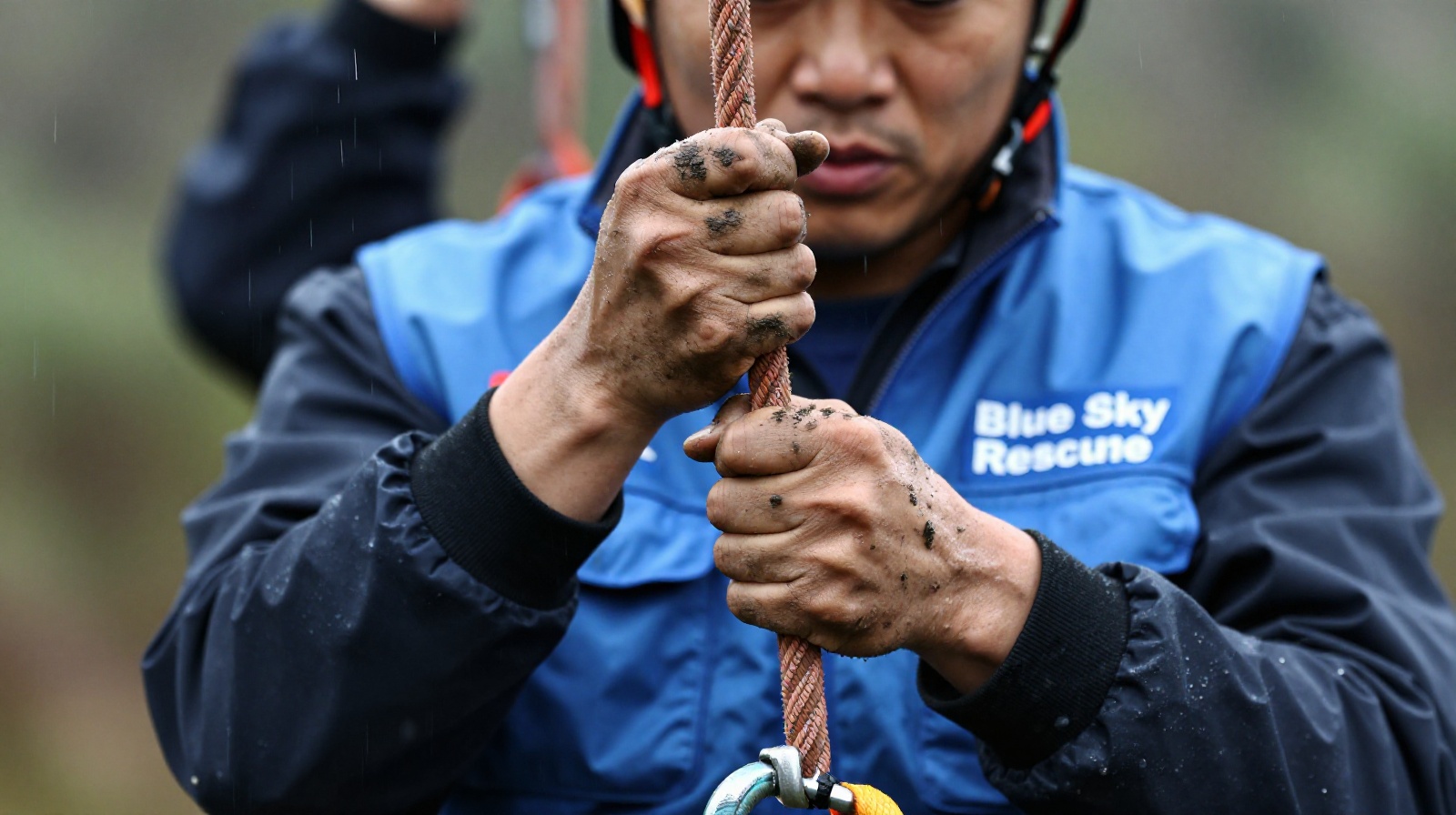
The rain doesn’t stop until dawn. In a muddy field near a collapsed bridge, Li Wei wipes sludge from his goggles. His boots are heavy with water, and his hands are raw from gripping rope handles for six hours straight. There is no siren here, no uniformed police pushing through the crowd. Just a group of men and women in orange vests marked “Blue Sky Rescue,” shouting over the roar of the wind to coordinate a search.
“We don’t get paid,” Li says, his voice hoarse from shouting. “Not for this. We pay our own gas, we buy our own food, and sometimes we even pay for the fuel used by the helicopters.” This is the reality of China’s volunteer rescue teams: ordinary people who become heroes not because they are asked to, but because they cannot stay still when someone is in danger.
From Office Workers to Frontline Rescuers
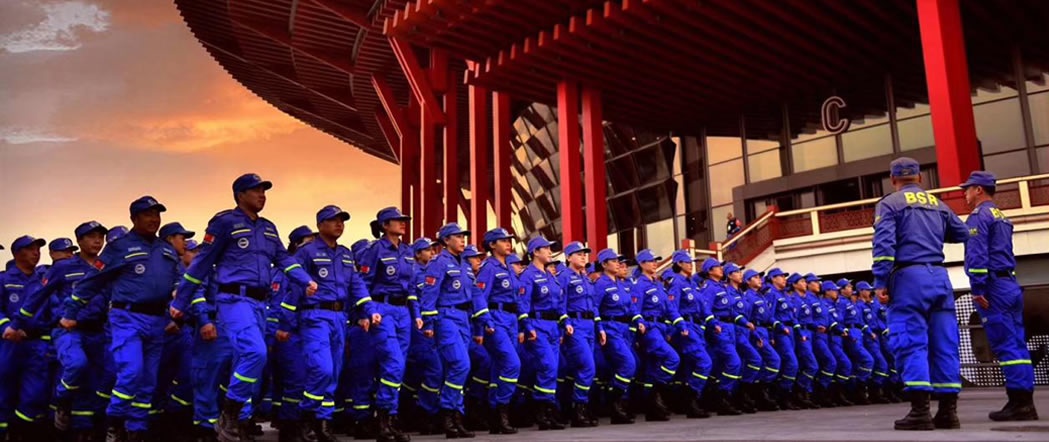
The organization, known globally as Blue Sky Rescue (BSR), was founded in 2007 by Li Hong, a former software engineer. It started with a simple idea: if professional emergency services were overwhelmed during disasters like the 2008 Wenchuan earthquake, could ordinary citizens fill the gap? Today, BSR has grown into one of China’s largest non-profit disaster response networks, with over 60,000 members across more than 150 chapters.
But these aren’t full-time soldiers. On a typical Tuesday morning, you might find them in office cubicles in Shanghai, teaching classes in Beijing schools, or managing logistics in Guangzhou factories. At 8:00 p.m., the alarm goes off—a call about a hiker lost in Sichuan mountains or a flood in Henan province. Within hours, they strip off their business suits and put on tactical gear.
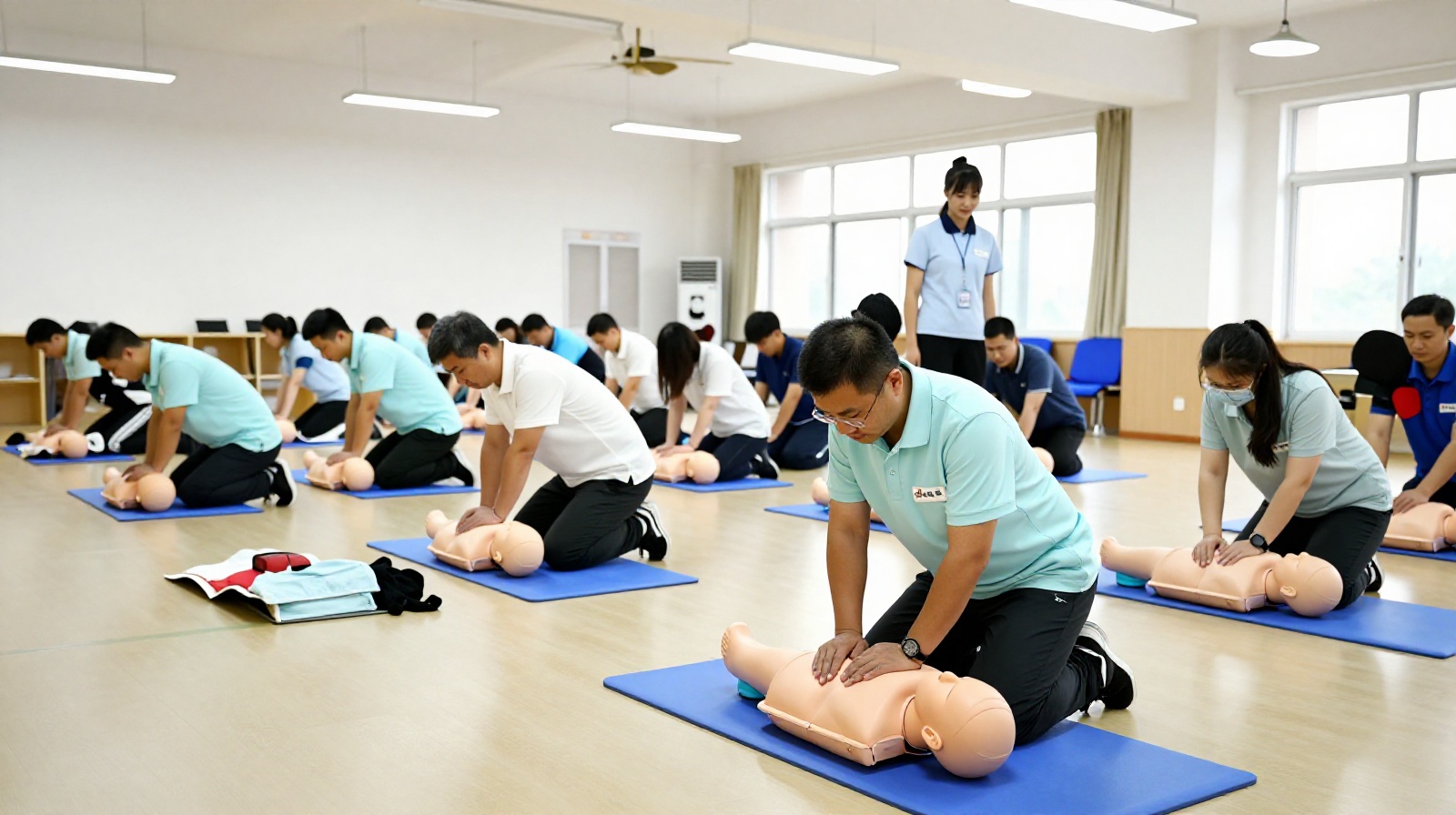
Their professionalism is what sets them apart. Unlike hobbyist groups, BSR members undergo rigorous training in rapid response, first aid, search and rescue (SAR), and technical climbing. Many hold certifications recognized by international bodies like the International Search and Rescue Advisory Group (INSARAG). When a disaster strikes, they don’t just rush in; they deploy with medical teams, heavy machinery operators, and communication specialists who know how to set up temporary bases in seconds.
The Cost of Saving Lives
There is a profound economic reality behind their heroism. BSR operates entirely on donations and self-funding. There are no government salaries for these volunteers, though the Chinese government often provides logistical support like fuel subsidies or access to disaster zones.
“The cost is real,” says Zhang Lin, a team leader who has responded to over 200 incidents. “Last year, our chapter spent nearly $50,000 on equipment and travel for a single flood response in the south of China. We didn’t ask for money from anyone; we pooled our own savings.”
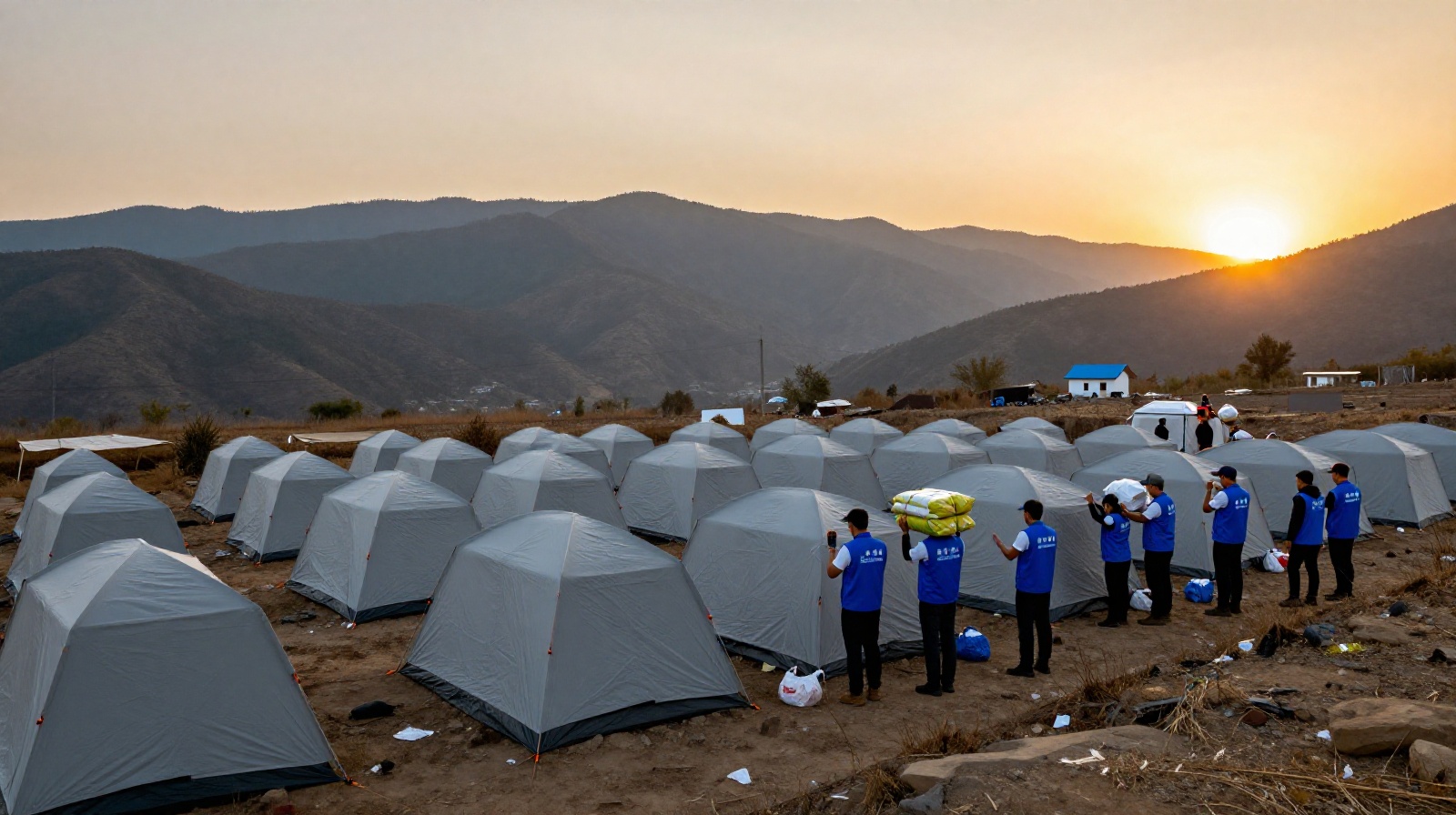
This self-reliance extends to their operations. They bring their own tents, generators, water filtration systems, and even their own medical supplies. In remote areas where government aid might take days to arrive, these volunteers often become the first point of contact. Their ability to mobilize quickly—sometimes within 24 hours—is what saves lives in the critical “golden period” after a disaster.
Beyond the Disaster: A Growing Civil Society
The rise of volunteer rescue teams reflects a broader shift in Chinese society. For decades, public service was largely state-run. Today, there is a vibrant ecosystem of civil organizations filling gaps in healthcare, education, and environmental protection. BSR is just one example.
However, challenges remain. Volunteer groups often struggle with recognition and legal status. They navigate complex regulations when crossing provincial borders or entering restricted zones during emergencies. Trust is also a factor; while the public generally respects their work, some communities are initially wary of unaffiliated groups operating in disaster areas.
The Quiet Courage of Civilians
What drives these volunteers? For Li Wei and thousands like him, it’s not fame. It’s a deep-seated sense of responsibility. “When I see people trapped under rubble,” he says, “I can’t imagine walking away. My job at the office is important, but saving a life right now matters more.”
This spirit is reshaping social trust in China. In a society where individualism is often discussed, these volunteers show that community action remains powerful. They are building a new narrative: one where ordinary citizens, not just government officials, are the backbone of national resilience.
As the sun rises over the muddy field, Li Wei packs up his gear. He has no medal to show for today’s work, and no paycheck waiting in his bank account. But as he drives back to the city, looking at the sunrise, he knows that someone is safe because of him. That is enough.