
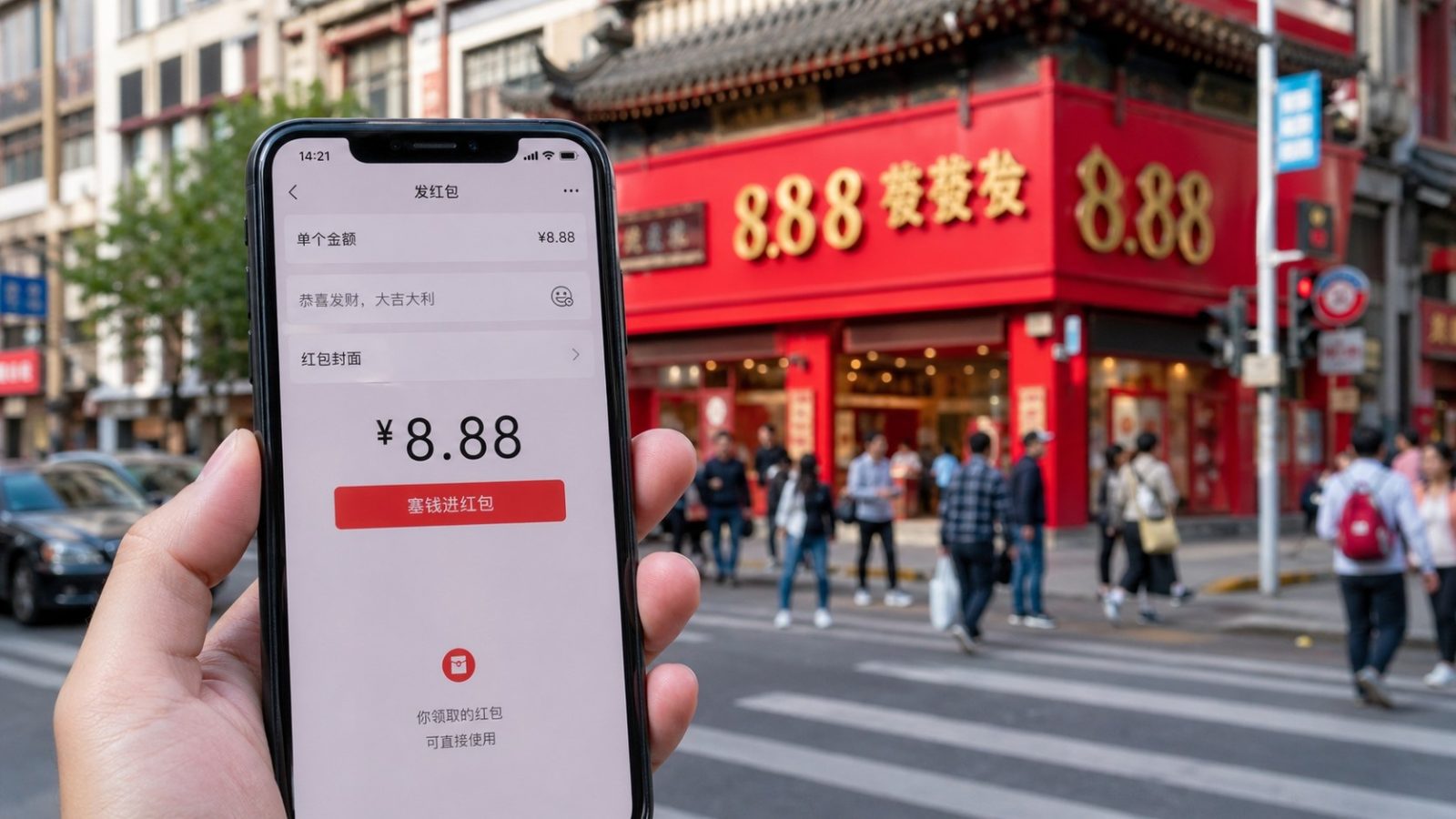

Li Wei, a real estate agent in Shanghai, once sold an apartment with the exact same floor plan and view as its neighbor. Yet, he charged 15% more for one unit than the other. The difference? One was on the 18th floor; the other was on the 14th.
In Western real estate, you might worry about a ground-floor noise issue or a penthouse’s price tag. In China, the fear is often numerical. The apartment on the 14th floor felt cursed to many buyers, not because of any physical defect, but because in Mandarin, the number four (sì) sounds remarkably similar to the word for death (sǐ). Conversely, the 18th floor, containing the lucky number eight (bā), felt like a guarantee of prosperity.
This is not just folklore. It is a tangible force that shapes consumer behavior, architecture, and even technology in modern China. For foreigners doing business or living here, understanding these “numerological rules” is as important as knowing how to use WeChat Pay.
The Sound of Wealth: Why 8 Reigns Supreme
To understand Chinese numerology, you must listen to the tones. Mandarin is a tonal language, and homophones (words that sound alike) are everywhere. The number eight (bā) sounds like fā (發), which means “to prosper” or “to get rich.” This association has made 8 the most sought-after digit in the country.
The impact is visible in everyday commerce. In cities like Shenzhen and Guangzhou, license plates ending in 8 sell for premiums of tens of thousands of dollars on the secondary market. Mobile phone numbers with consecutive eights—such as 138-8888-XXXX—are treated like luxury assets, often fetching prices comparable to a small car.
The Silence of Four: The Taboo You Must Respect
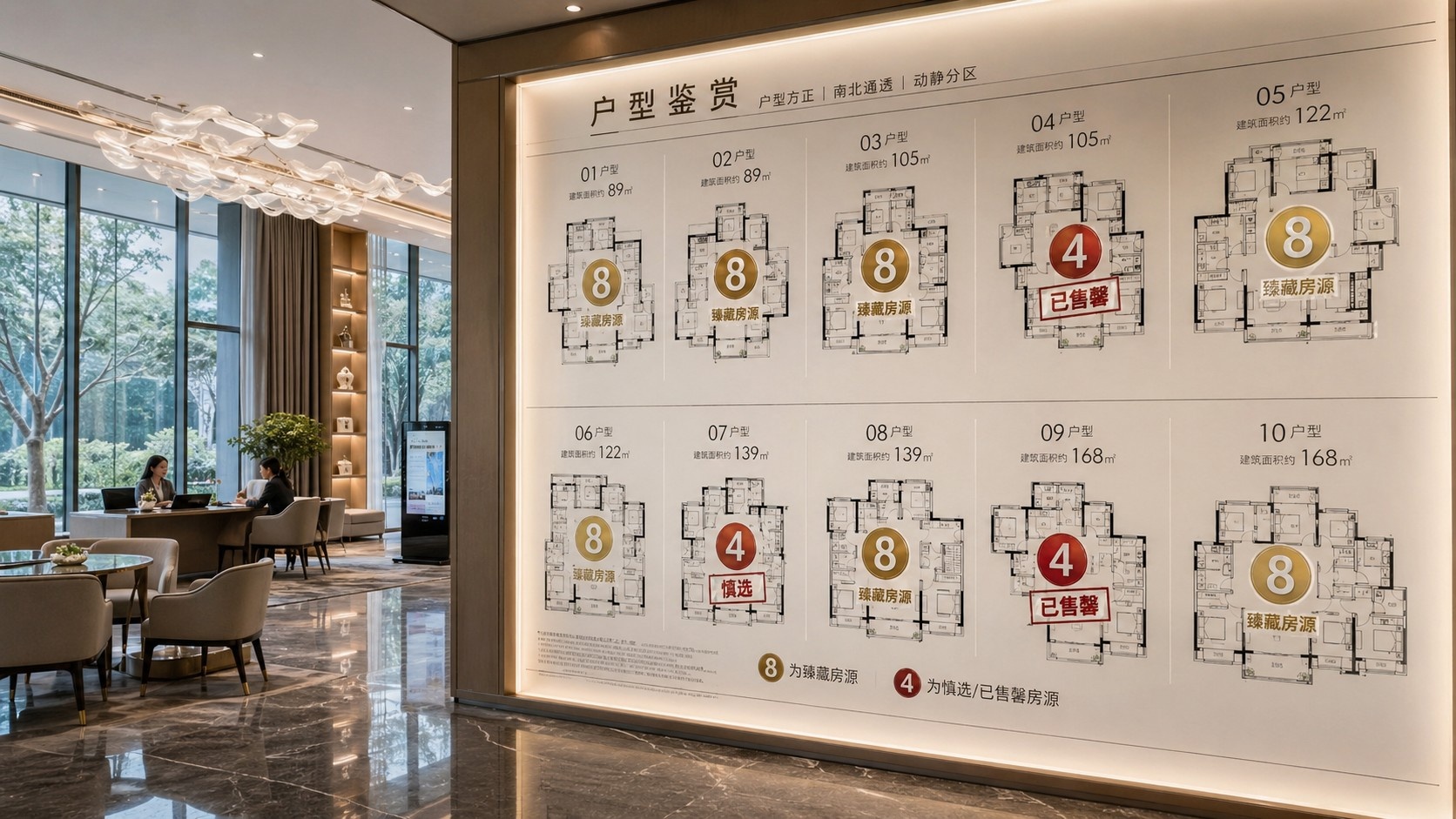
If 8 is the king of numbers, 4 is its shadow. Because sì (four) and sǐ (death) share the same pronunciation, many Chinese people actively avoid it.
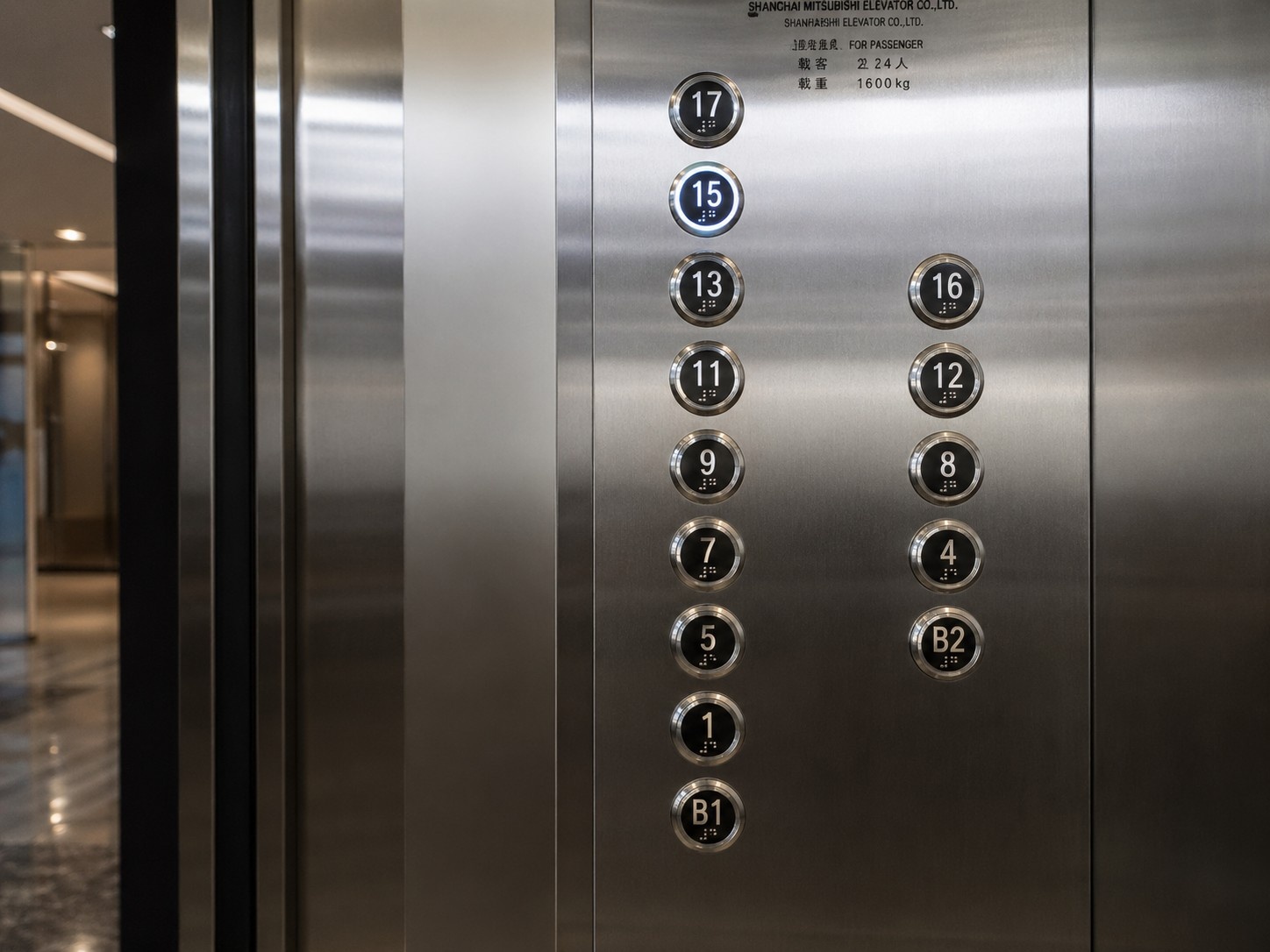
This avoidance has led to unique urban landscapes. High-rise buildings in major cities often skip the 14th, 24th, or even 40th floors. If you look at an elevator panel in a Shanghai skyscraper, you might see buttons jumping from 13 directly to 15. In some hospitals, room numbers containing 4 are avoided entirely to prevent unsettling patients.
Modern Adaptations: From Skyscrapers to Software
You might assume this is an old-fashioned belief reserved for rural areas or the elderly. However, it has seamlessly integrated into modern infrastructure and business logic.
In software development, companies sometimes rename their internal servers. Instead of server “4,” they might call it “Server D” or “Unit 8” to avoid any negative connotations among staff who believe in these superstitions. Similarly, wedding dates are carefully chosen based on the calendar. A date like October 10, 2023 (10/10/23) is popular not just for its symmetry, but because the combination of numbers feels balanced and auspicious.
The Generational Divide: Is It Still Relevant?
For China’s younger generation, raised in a hyper-digital era, the belief in number superstition is complex. A 25-year-old tech worker in Beijing might not consciously fear the number 4 when writing code, but they will still feel uncomfortable buying a ticket for seat 14A on a flight.
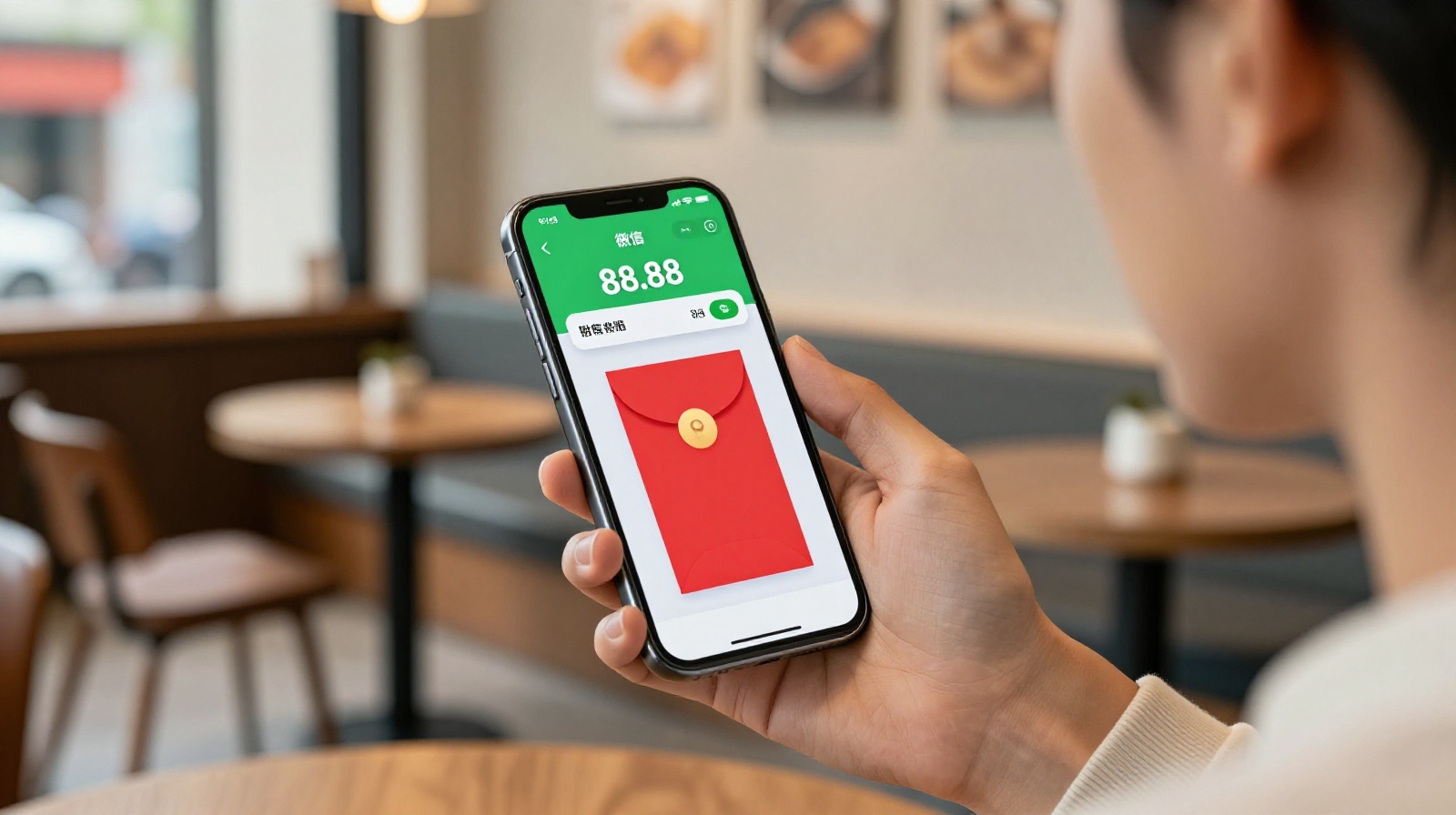
The shift is subtle. Young people are more likely to view these numbers as “cultural fun” rather than absolute fate. They enjoy the aesthetic of 8 in WeChat red envelopes (digital lucky money), where sending amounts like 8.88 or 88.88 yuan is a standard social gesture. However, they are also quick to reject rigid interpretations when it conflicts with convenience.
A Quick Guide for Foreigners
If you are navigating Chinese society, here is a practical reference guide to help you avoid faux pas:
- Safe & Lucky: 6 (liù) sounds like “smooth” or “flow,” implying things will go well. 9 (jiǔ) sounds like “long-lasting.” A combination like 168 (yào liù bā) is heard as “I want to prosper smoothly.”
- Avoid: 4 (sì). While not illegal, it carries heavy negative weight in business gifts or house purchases.
- Weddings: Avoid dates with too many 4s. Look for even numbers and combinations that sound like harmony.
- Gifting Money: In red envelopes, avoid amounts like 400 yuan. Stick to 600, 800, or 999 (for long-lasting friendship).
The Economic Ripple Effect
This cultural phenomenon has real economic implications. Real estate developers in China often price units on floors with lucky numbers higher, creating a “lucky premium.” Conversely, properties on the 4th floor may sit on the market longer or require steeper discounts. In the telecommunications sector, number portability services allow people to change their digits specifically to acquire a string of eights, driving a secondary economy around these codes.
Understanding this is not about mocking superstition; it is about recognizing how culture drives market behavior. When you see a Chinese business partner insist on an 8:08 AM meeting start time, they are not just being punctual—they are aligning the day’s energy with prosperity. For foreigners, playing along shows respect and cultural fluency.