

The Sound of Chopsticks and Scales
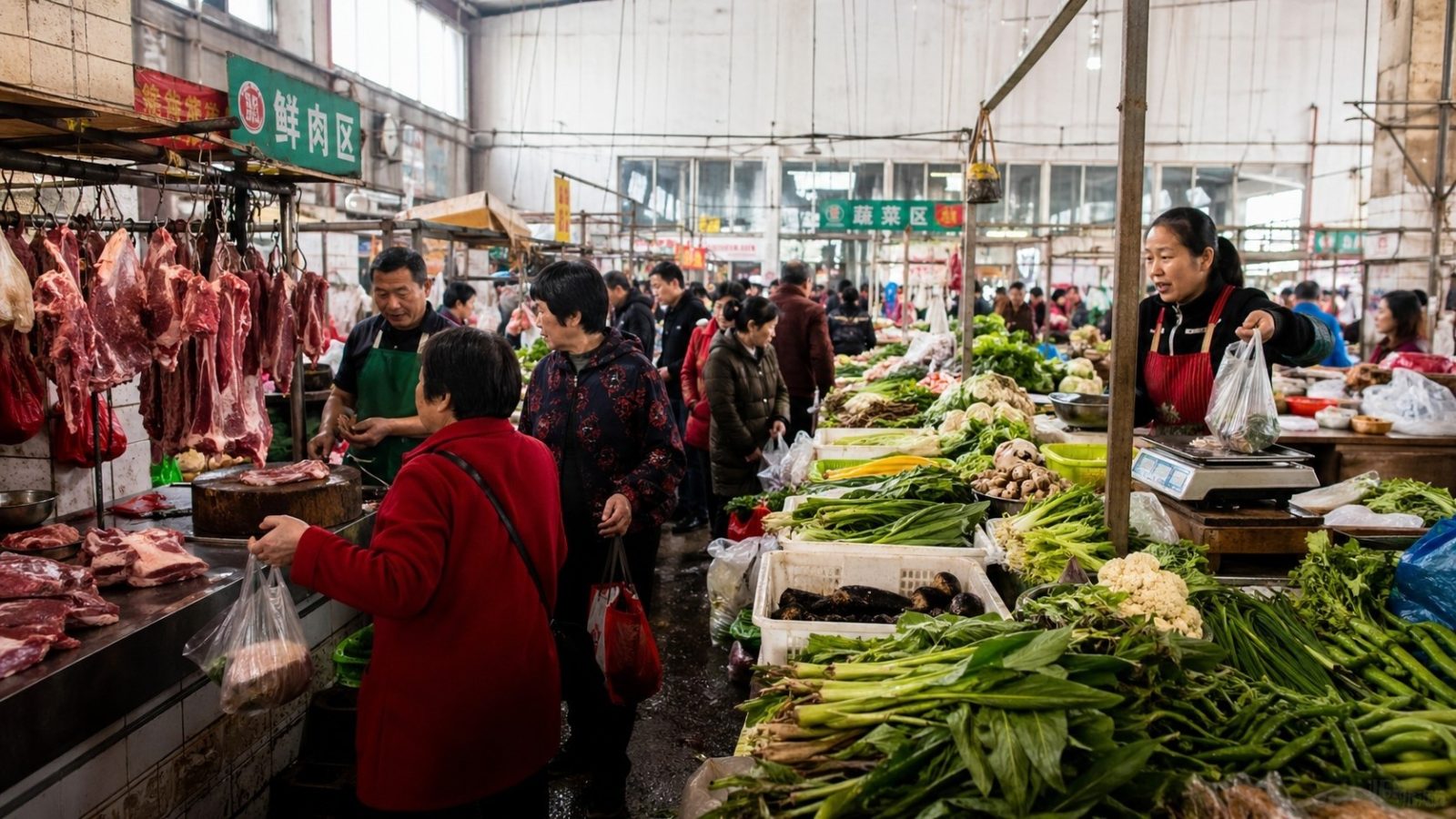
At 6:30 a.m., the air in the Xinhua Market in Hangzhou is thick with the scent of steamed buns, raw fish, and wet concrete. It doesn’t smell like a supermarket. There are no fluorescent lights humming overhead or polished tile floors reflecting silence. Instead, there is noise. Vendors shout prices for seasonal vegetables; butchers tap their cleavers against wooden blocks in a rhythmic clatter; plastic bags rustle as customers make last-minute decisions.
Lao Li, who has sold leafy greens here for twenty years, wipes his hands on an apron stained with beet juice and soy sauce. He doesn’t use a scale unless asked. “I know how much a head of cabbage weighs,” he says with a smile. “If you need exact grams, go to the pharmacy.” This casual precision is the first clue that wet markets are not just places of transaction—they are spaces of trust.
A Geography of Freshness
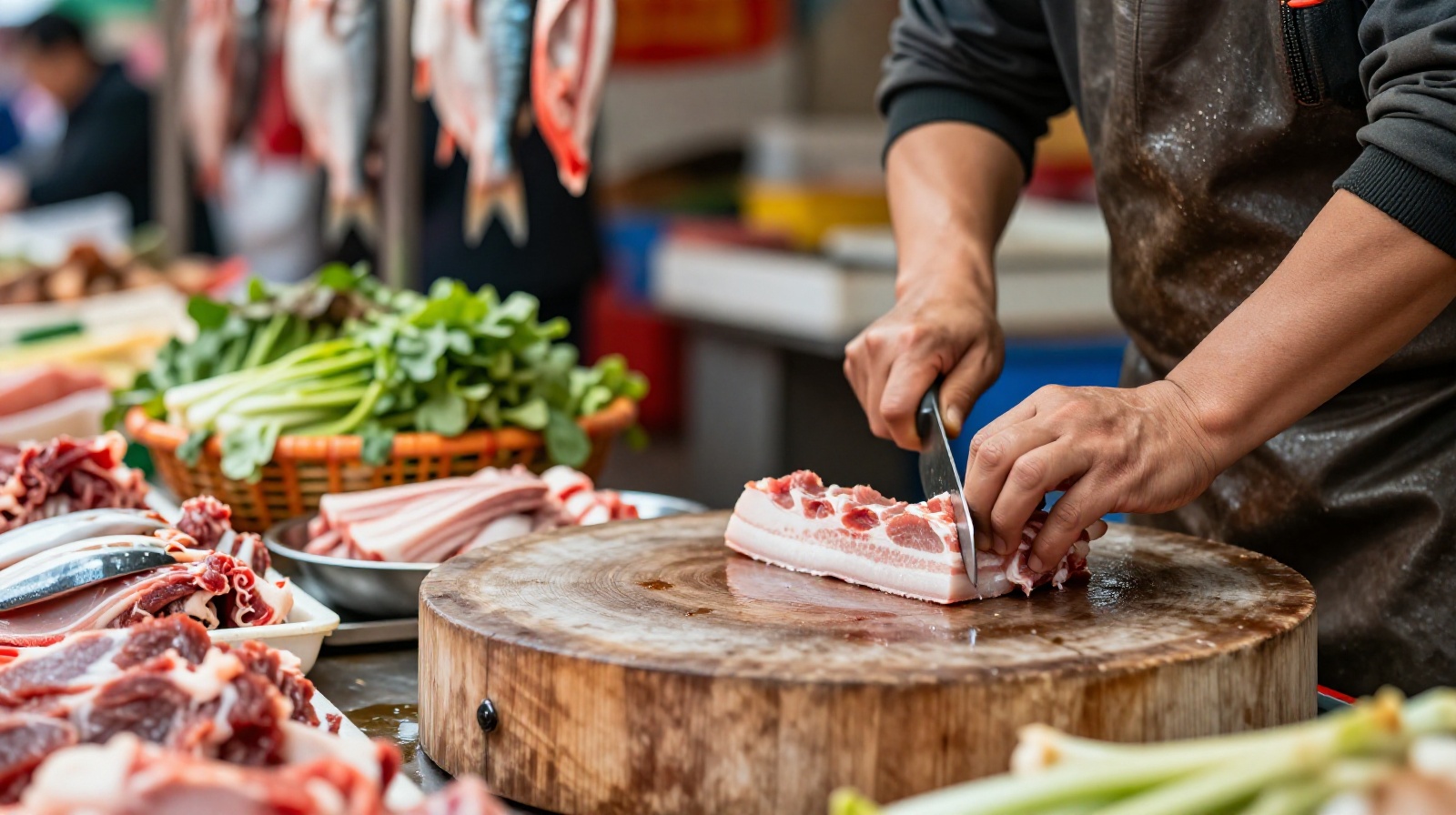
Walking through a Chinese wet market feels like navigating a living organism. The layout is rarely planned by architects; it evolves based on supply chains and customer habits. In most markets, you will find distinct zones: the seafood section, often flooded with icy water to keep fish alive and fresh; the meat aisle, where hanging carcasses are sliced into specific cuts upon request; and the produce corner, where vegetables arrive straight from rural farms that morning.
Unlike Western supermarkets, where items are pre-packaged in plastic wrap under bright lights, Chinese wet markets emphasize visual engagement. You can see the mud still clinging to lotus roots. You can check the elasticity of pork belly by pressing it. You can ask the vendor to clean a fish for free, removing scales and guts before you even leave the stall.
The Social Network in Aprons
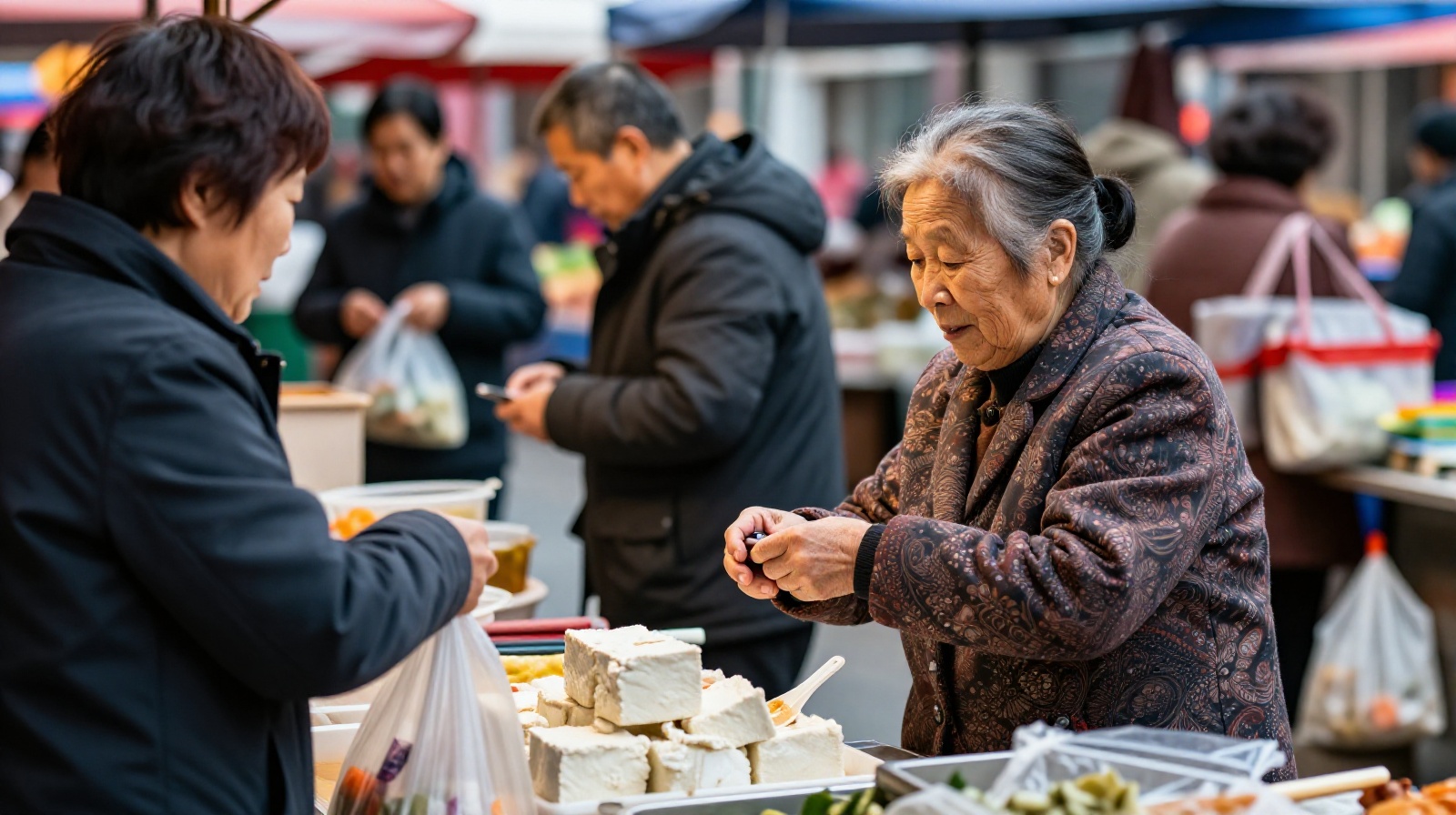
But the market is more than a grocery store. It is the community’s living room. Here, information travels faster than Wi-Fi. Neighbors exchange news about school admissions, housing prices, and family drama while buying scallions.
Mrs. Zhang, 68, buys her tofu every evening at the same stall. She doesn’t just buy food; she checks in on her friends. “The vendor knows I prefer my tofu softer,” she explains. “And he knows I like to complain about the weather.” In many Chinese cities, young people who live in high-rise apartments often don’t know their neighbors’ names. But inside the wet market, social barriers dissolve. You might hear a retired teacher debating politics with a delivery driver standing next to each other at the checkout counter.
Modernization vs. Tradition
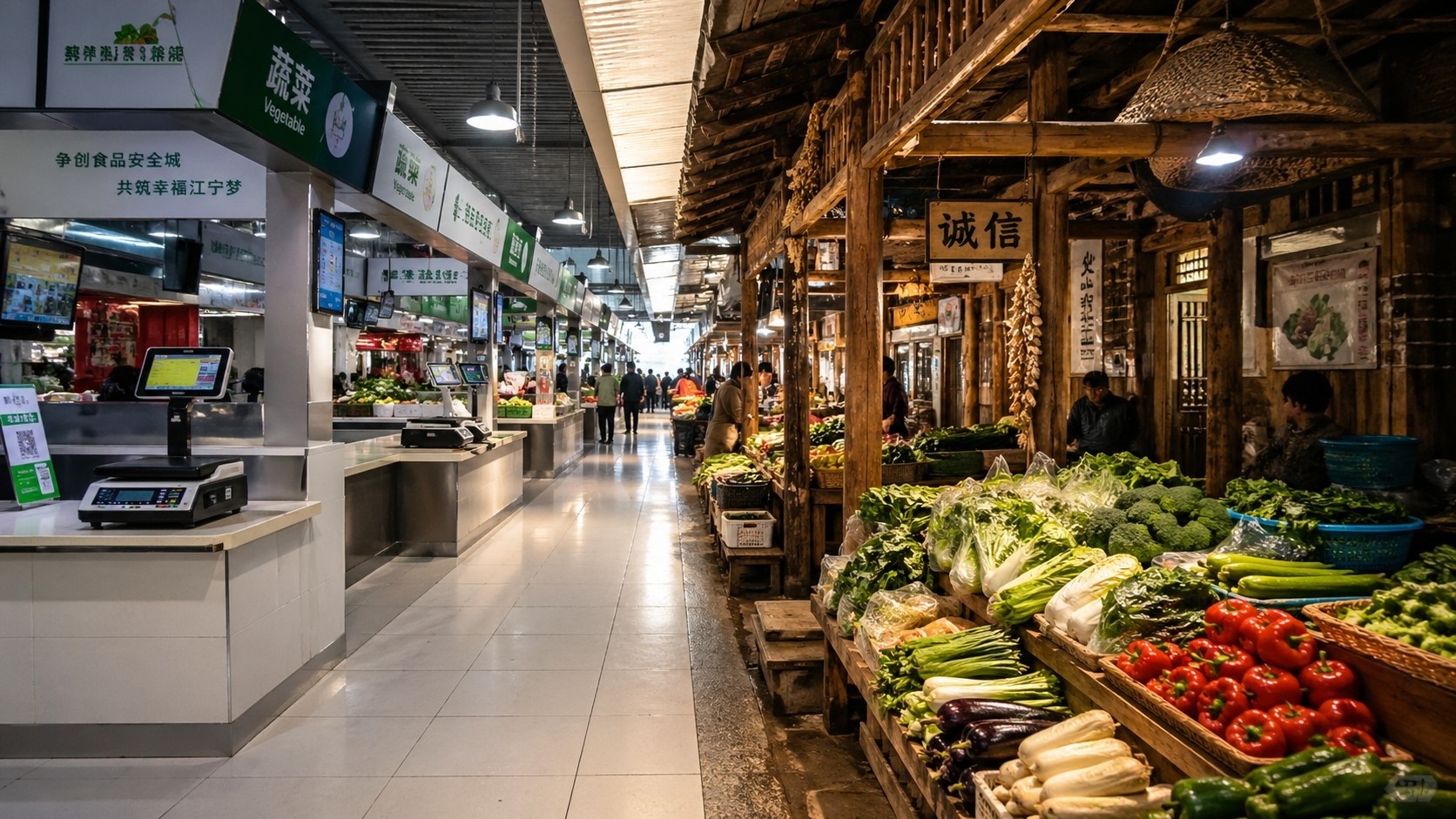
In recent years, urban planning in China has prioritized cleanliness and order. Many older wet markets have been renovated or replaced by “smart markets” equipped with digital scales, cashless payment systems, and air filtration units. Critics argue that this sanitization strips away the soul of the market, turning it into just another supermarket.
However, the resistance to full modernization is strong. Despite the availability of high-end supermarkets and online grocery delivery apps like Meituan or Dingdong Maicai, wet markets remain indispensable. Why? Because people crave the tactile experience of choosing their food. They value the human interaction. And for many elderly residents, it is one of the few places left where they can navigate without a smartphone.
The Future of the Wet Market
The Chinese wet market is not dying; it is adapting. It coexists with convenience stores and e-commerce platforms, serving a different need. For the busy office worker who wants quick ingredients for dinner, apps are efficient. But for the family planning a weekend feast, or the retiree looking for social connection, the wet market offers something algorithms cannot replicate: spontaneity, sensory richness, and a sense of belonging.
As you leave the market, your hands might be slightly damp, your clothes faintly smelling of garlic. You’ll carry home not just fresh ingredients, but a fragment of the city’s daily rhythm—a reminder that in China, life is still lived out loud, on the street, face to face.