

The End of the Gray Box
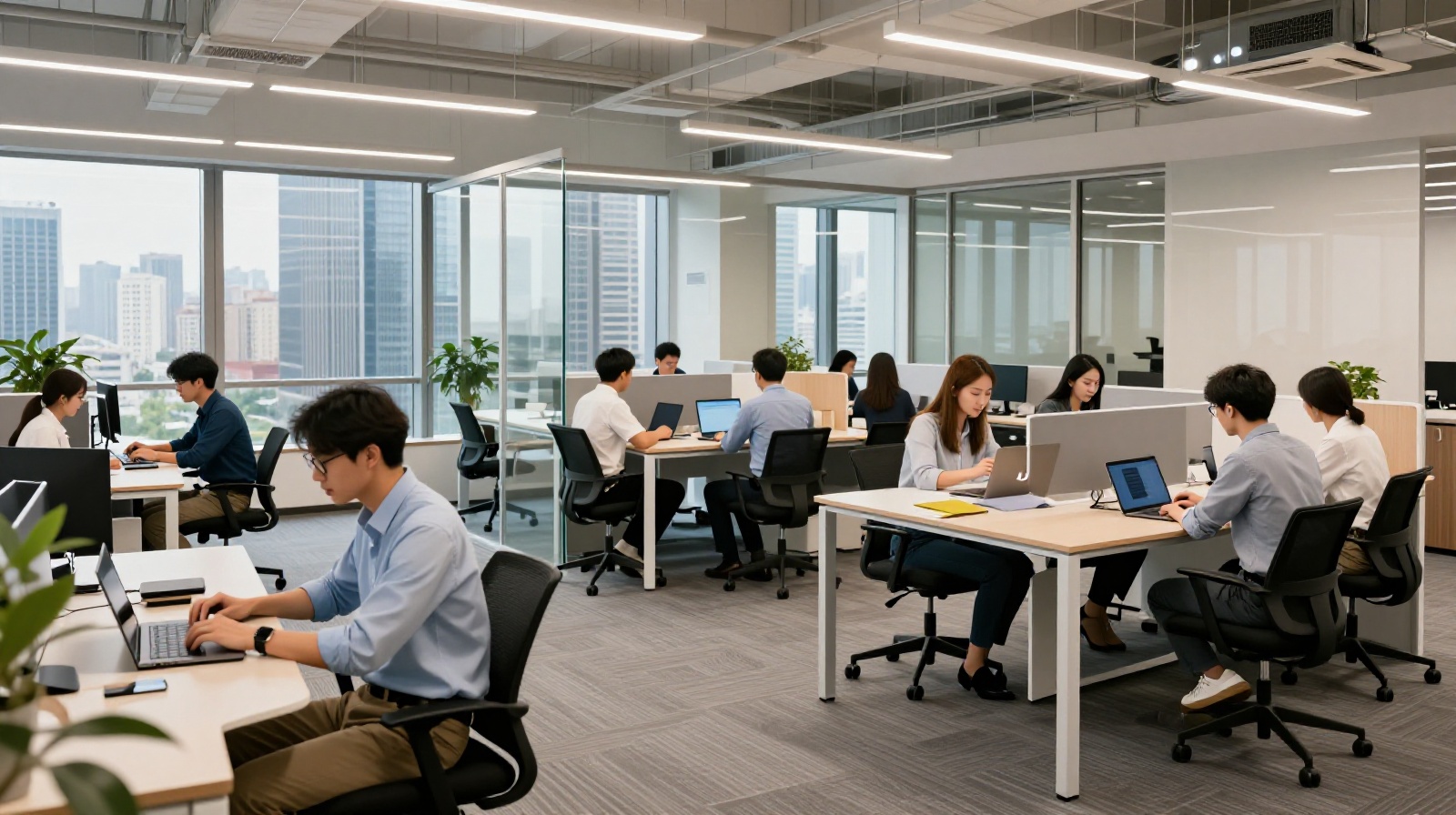
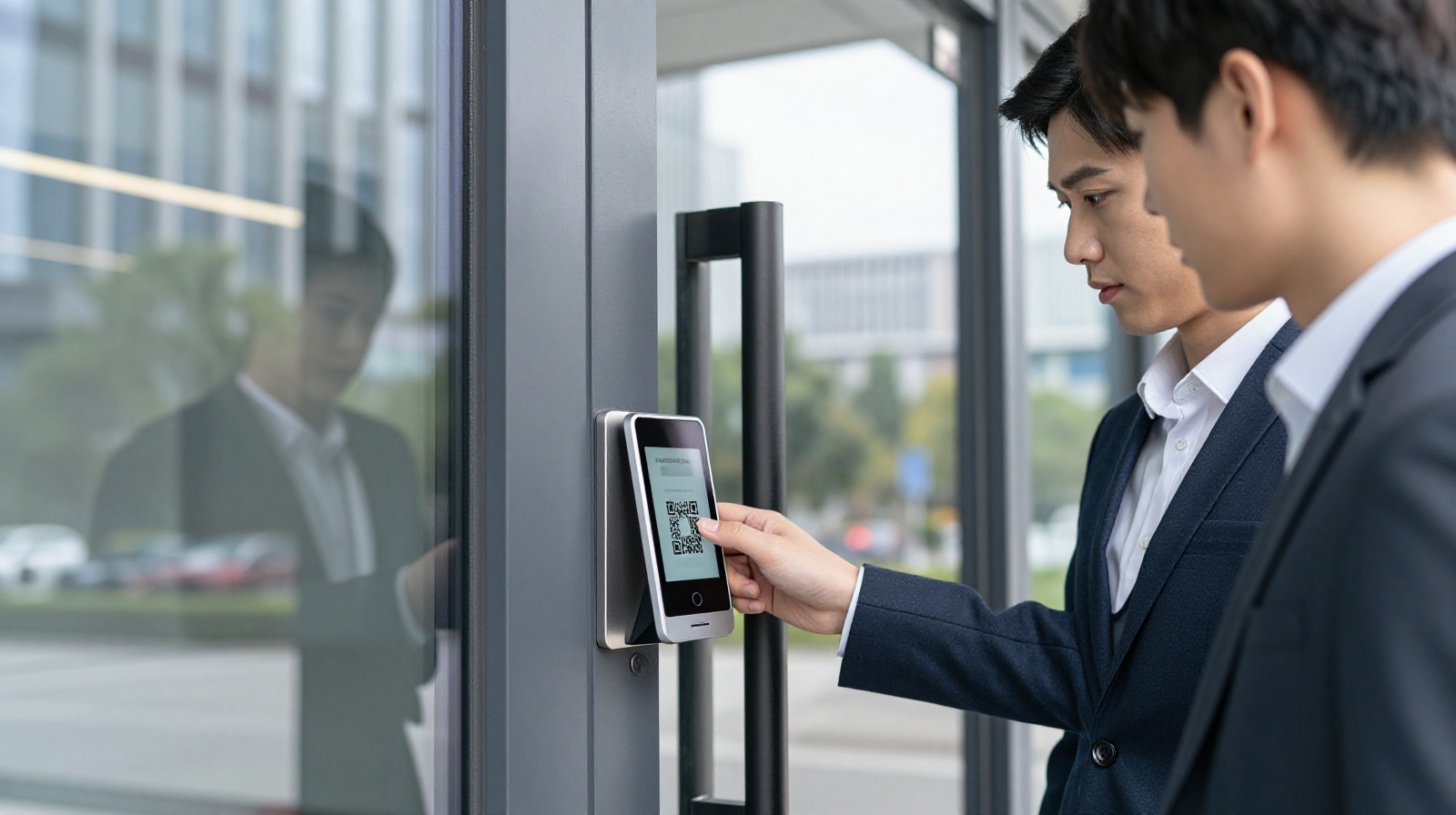
Li Wei, a 28-year-old product designer in Shanghai’s Jing’an district, starts his day not by clocking into a assigned desk, but by scanning a QR code at the entrance. The door unlocks instantly. Inside, there are no gray partitions, no rows of identical fluorescent-lit desks, and no strict hierarchy visible in the layout. Instead, he walks past a high-top table where two developers are debating an app interface with a graphic designer from another startup. This is not a scene from a Silicon Valley tech campus; it is a typical Tuesday morning at Ucommune, one of China’s largest co-working operators.
This shift represents the most visible change in Chinese work culture over the last two decades. In the early 2000s, when foreign multinational corporations flooded into Beijing and Shanghai, they brought with them the standard “gray box” office model: enclosed cubicles designed for isolation and individual productivity. For a generation of workers, the workplace was a place of confinement, separated from life by glass walls.
Today, that model is fading. The modern Chinese worker, particularly those in tech, media, and creative industries, views the office not just as a place to work, but as a community hub. The evolution from rigid cubicles to open, collaborative spaces reflects a broader societal shift: flexibility has become more valuable than stability.
Design as Productivity
The physical design of modern shared workspaces in China is driven by a specific logic: collaboration accelerates innovation. Companies like WeWork (before its restructuring), Ucommune, and local players such as Mix Space have moved away from the “stacking desks” model. Instead, they prioritize natural light, ergonomic furniture, and distinct zones for different types of work.
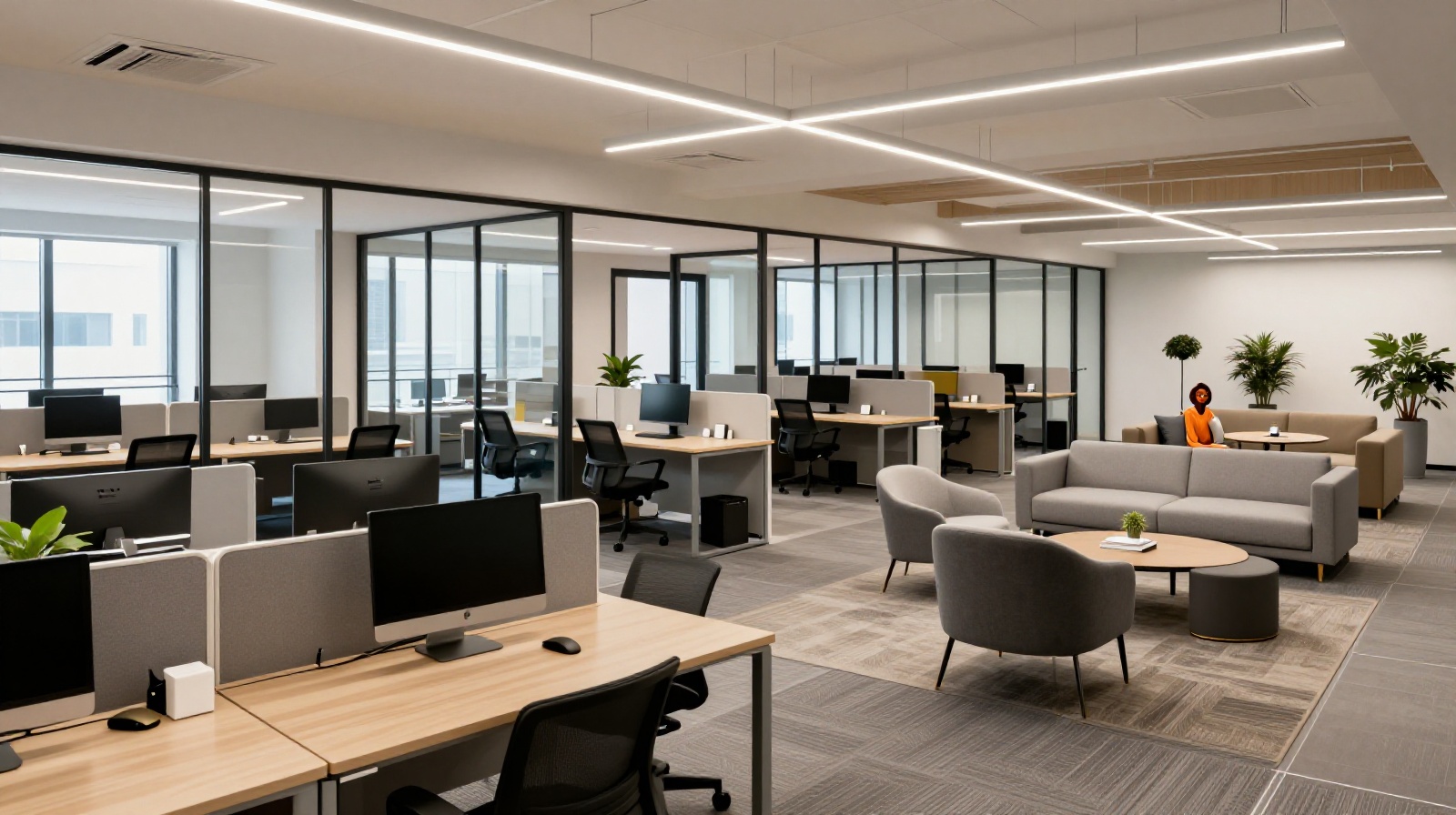
In a typical 5,000-square-meter co-working floor in Shenzhen, you might find:
- Hot-desking areas: For freelancers or remote workers who don’t need a permanent spot.
- Private offices: Glass-enclosed rooms for small teams that still need some privacy but want to be part of the larger community.
- Community lounges: Spaces with comfortable sofas, coffee machines, and whiteboards, designed for informal networking.
This design philosophy is not just aesthetic. It addresses a key pain point in traditional Chinese corporate culture: the rigidity of hierarchy. In an open-plan co-working space, a junior intern can sit near a CEO from another company. The barrier between “boss” and “employee” becomes less about physical distance and more about professional interaction.
The ‘Digital Nomad’ Generation
For young Chinese professionals, the choice of workspace is an extension of their lifestyle. The concept of “work-life integration” is taking precedence over “work-life balance.” These workers expect their office to offer more than just a desk and internet.
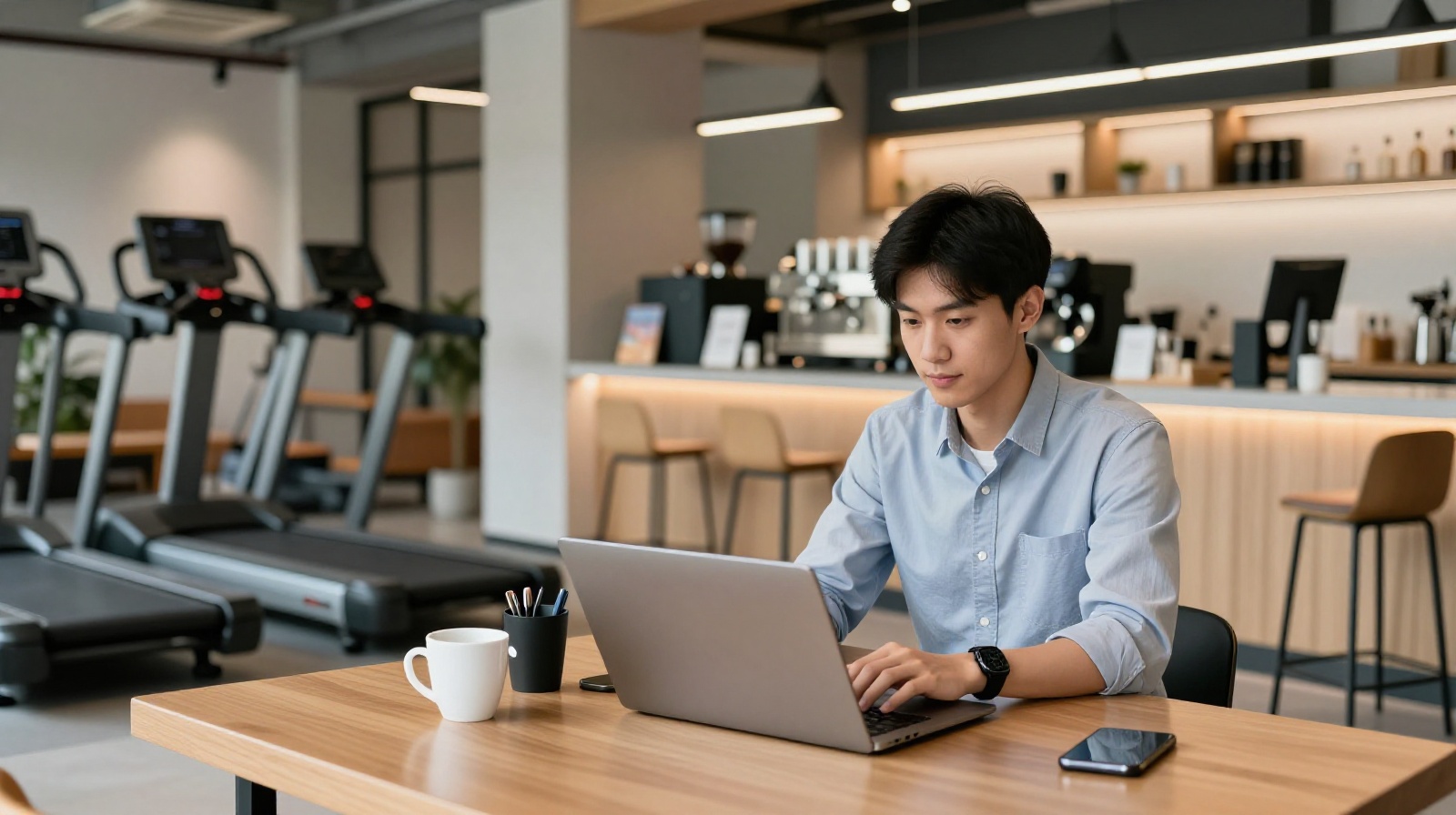
In cities like Hangzhou and Chengdu, co-working spaces are increasingly blending with lifestyle amenities. Some venues feature on-site gyms, yoga studios, or even partnerships with nearby cafes and bookstores. For a 25-year-old programmer in Guangzhou, working at a co-space means he can attend a morning coding session, take an afternoon spin class, and meet friends for dinner—all within the same ecosystem.
This trend is reshaping urban consumption. Real estate developers are now designing mixed-use complexes where retail, dining, and workspaces are interwoven. The office is no longer a sterile box; it is a dynamic node in the city’s social fabric.
Technology in the Physical Space
What makes China’s co-working evolution distinct from its Western counterparts is the depth of digital integration. In many Western countries, booking a desk still involves emailing an administrator or using clunky legacy software. In China, it is seamless.
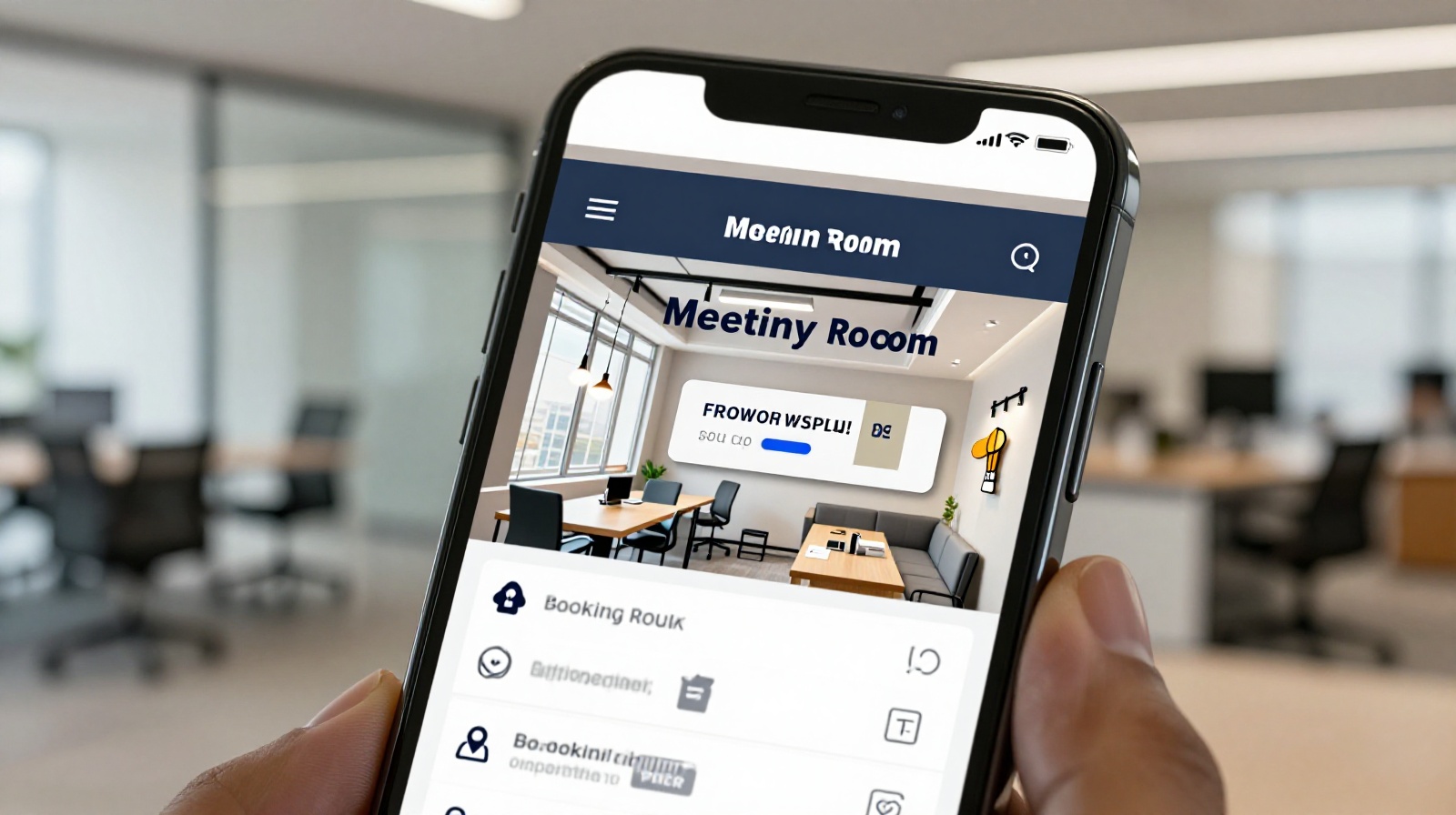
The mobile app WeCom (Tencent’s enterprise communication tool) or proprietary apps like Tuanyuan allow members to:
- Book meeting rooms in real-time based on availability.
- Park their cars and have the license plate recognized automatically upon entry.
- Pay for coffee, snacks, or printing services directly through the app, with charges deducted from their membership fee.
This seamless digital infrastructure reflects China’s broader transition to a cashless, mobile-first society. For foreign visitors or expats, it can feel like magic: a physical space that responds instantly to user needs without human intervention. It also reduces operational costs for providers, allowing them to offer more competitive pricing.
Challenges and Realities
However, the glossy photos of co-working spaces do not tell the whole story. The industry faces significant challenges. After a boom in investment during 2015–2017, many operators struggled with high vacancy rates and cash flow issues. The pandemic further accelerated remote work, forcing some companies to downsize or close.
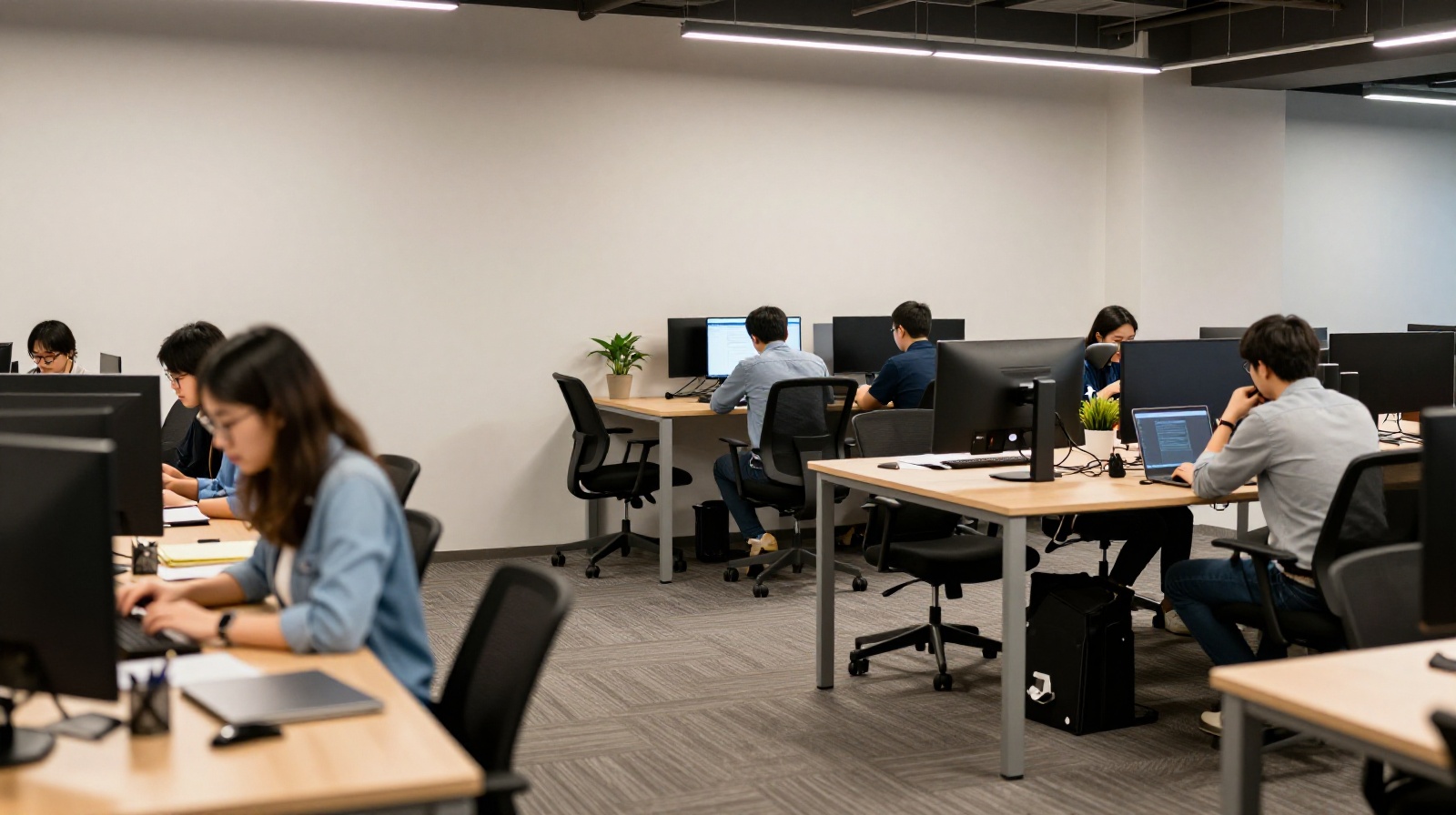
Moreover, the cost of premium co-working spaces remains high for small startups. While a hot desk might be affordable, private offices in prime locations like Beijing’s CBD can still be expensive. Many young entrepreneurs now opt for “hybrid” models: working from home or low-cost incubators during the day, and using co-working spaces only for client meetings or team building.
Additionally, the sense of community can sometimes feel superficial. In a space filled with different companies, genuine collaboration is not automatic. It requires intentional effort from members to break out of their own bubbles.
The Future of Work in China
Despite these challenges, the trend toward flexible workspaces is irreversible. The post-pandemic era has solidified the preference for autonomy and flexibility among young workers. Companies are no longer trying to “manage” presence but to “enable” productivity.
The evolution from gray boxes to co-working hubs is not just about interior design; it is a reflection of China’s rapidly changing economic landscape. As the country moves from manufacturing-heavy growth to innovation-driven development, the workplace must adapt. It must be faster, smarter, and more human-centric.
For Li Wei in Shanghai, the open space is not just a perk; it is a necessity. “In a cubicle, I was isolated,” he says. “Here, I might bump into someone who can help me solve a problem, or inspire me with a new idea. That’s what work should be.”