

The City Beyond the Postcards
Most visitors to Shanghai head straight for The Bund. They stand against the Huangpu River, watching the neon skyline of Pudong glow across the water, capturing photos that look exactly like every other travel influencer’s feed. It is impressive, yes. But it is not where Shanghai lives.
To understand the real pulse of this city, you need to turn your back on the river and step into its narrow veins: the lilong (里弄).
What Is a Lilong?
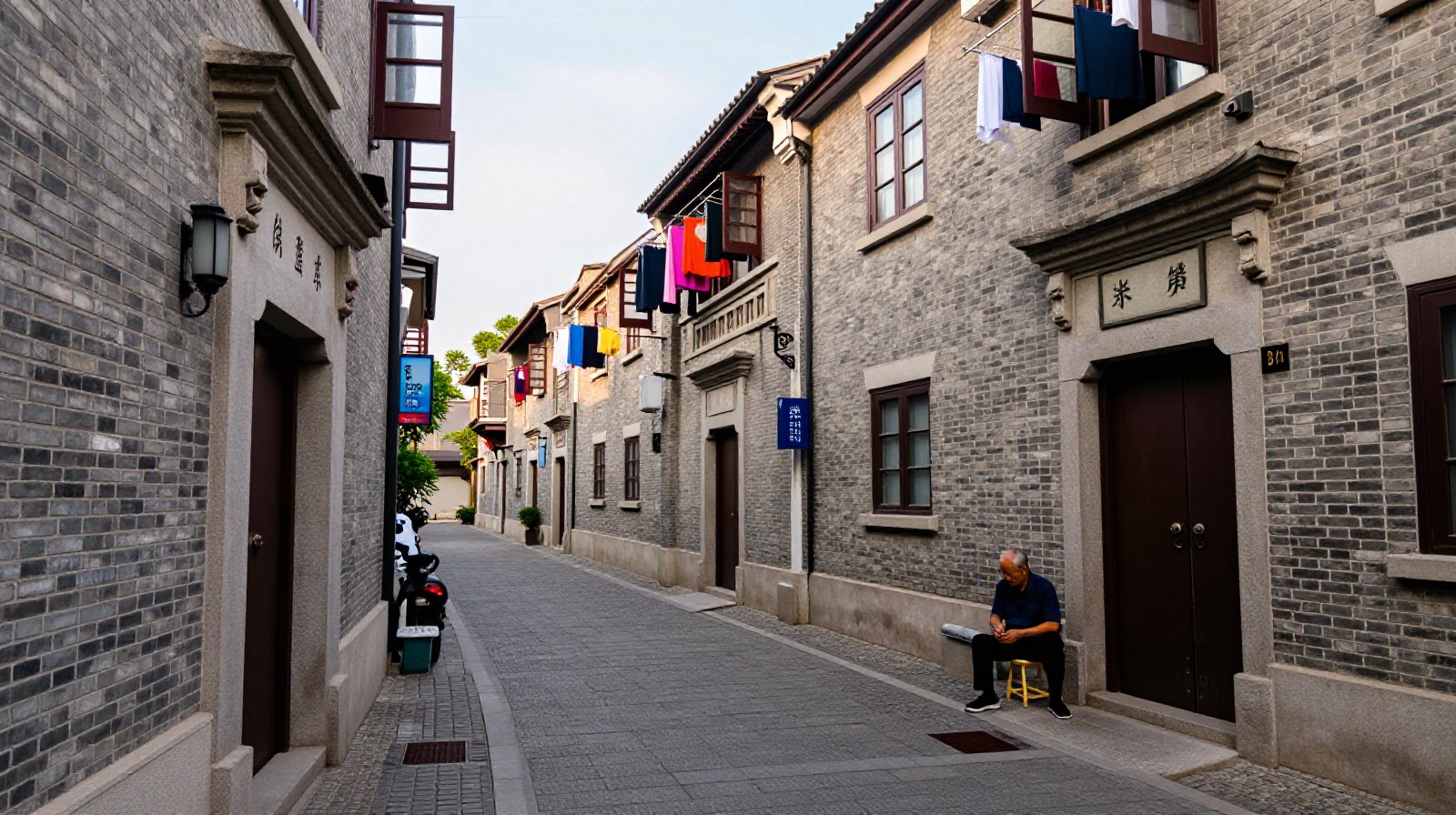
The word lilong roughly translates to “alley” or “lane,” but calling it just an alley misses its soul. These are the unique urban fabric of Shanghai, blending Western and Chinese architectural styles that emerged in the late 19th century.
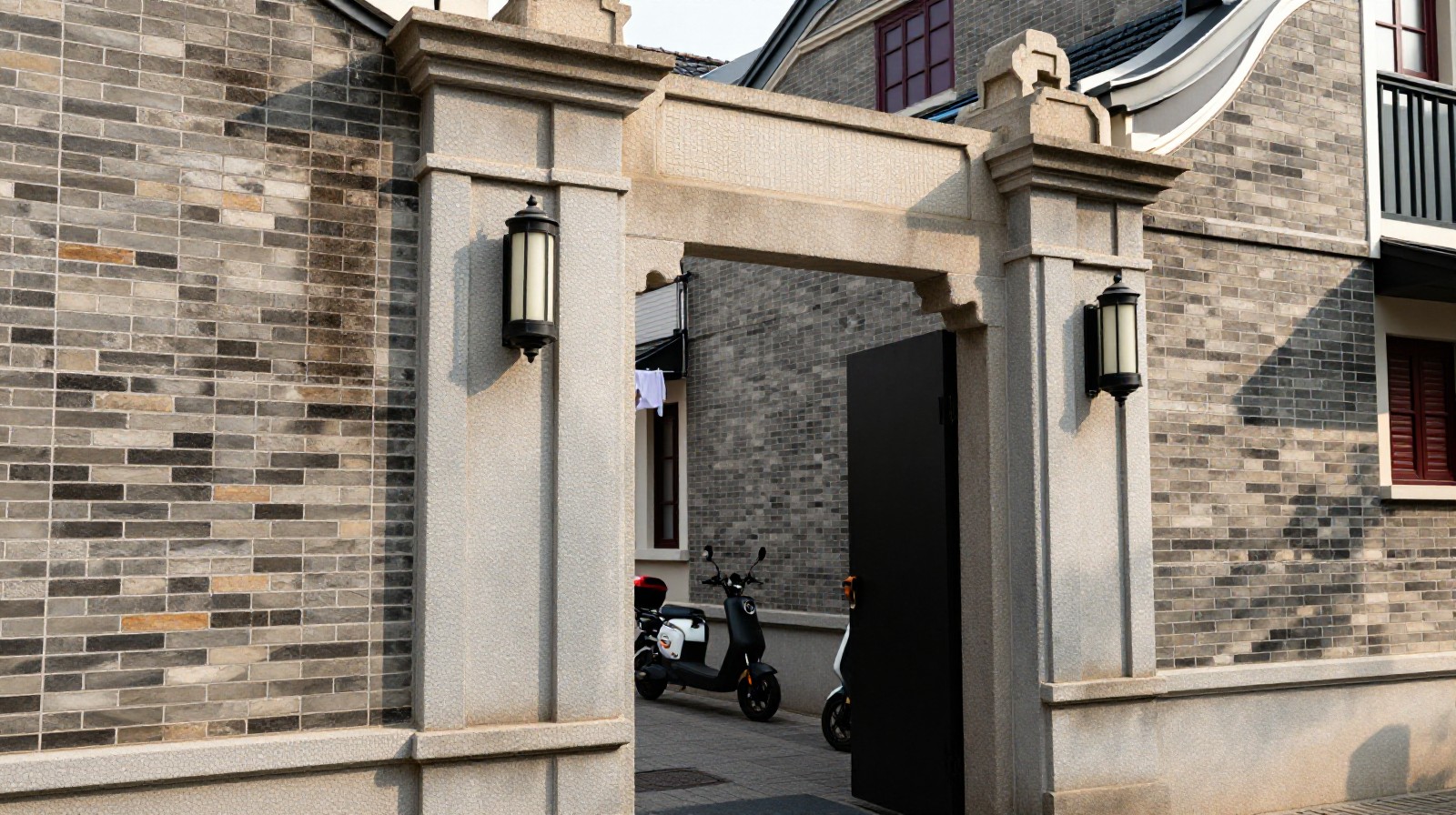
Imagine a grid of narrow streets lined with two- or three-story brick houses. The most famous type is the Shikumen, characterized by large stone gateposts at the entrance. Originally built for middle-class families and later subdivided to accommodate refugees and migrants, these neighborhoods became dense, vertical communities.
Daily Life in the Narrow Lanes
Walk into a lilong on a Tuesday morning, and you are immediately immersed in a rhythm that has nothing to do with tourism. The air smells of scallion pancakes frying in oil and wet concrete after rain.
This is a community built on proximity. In many older lilong, residents share communal kitchens or bathrooms because the original designs didn’t anticipate modern plumbing needs for such high density. Yet, this closeness fosters deep social bonds. You will see elderly neighbors sitting on small plastic stools outside their doors, chatting in the local Shanghainese dialect while folding laundry.
Brightly colored shirts and sheets hang from windows like flags, creating a makeshift canopy over the narrow path below. Children weave through these hanging clothes to play tag, navigating the space with an agility that tourists often lack. It is chaotic, intimate, and undeniably alive.
The Voice of Old Shanghai
Meet Mr. Chen, 78, who has lived in the same lilong for over fifty years. His apartment is small—perhaps twenty square meters—but it is meticulously organized. On his balcony, potted chrysanthemums compete with a vintage radio playing traditional opera.
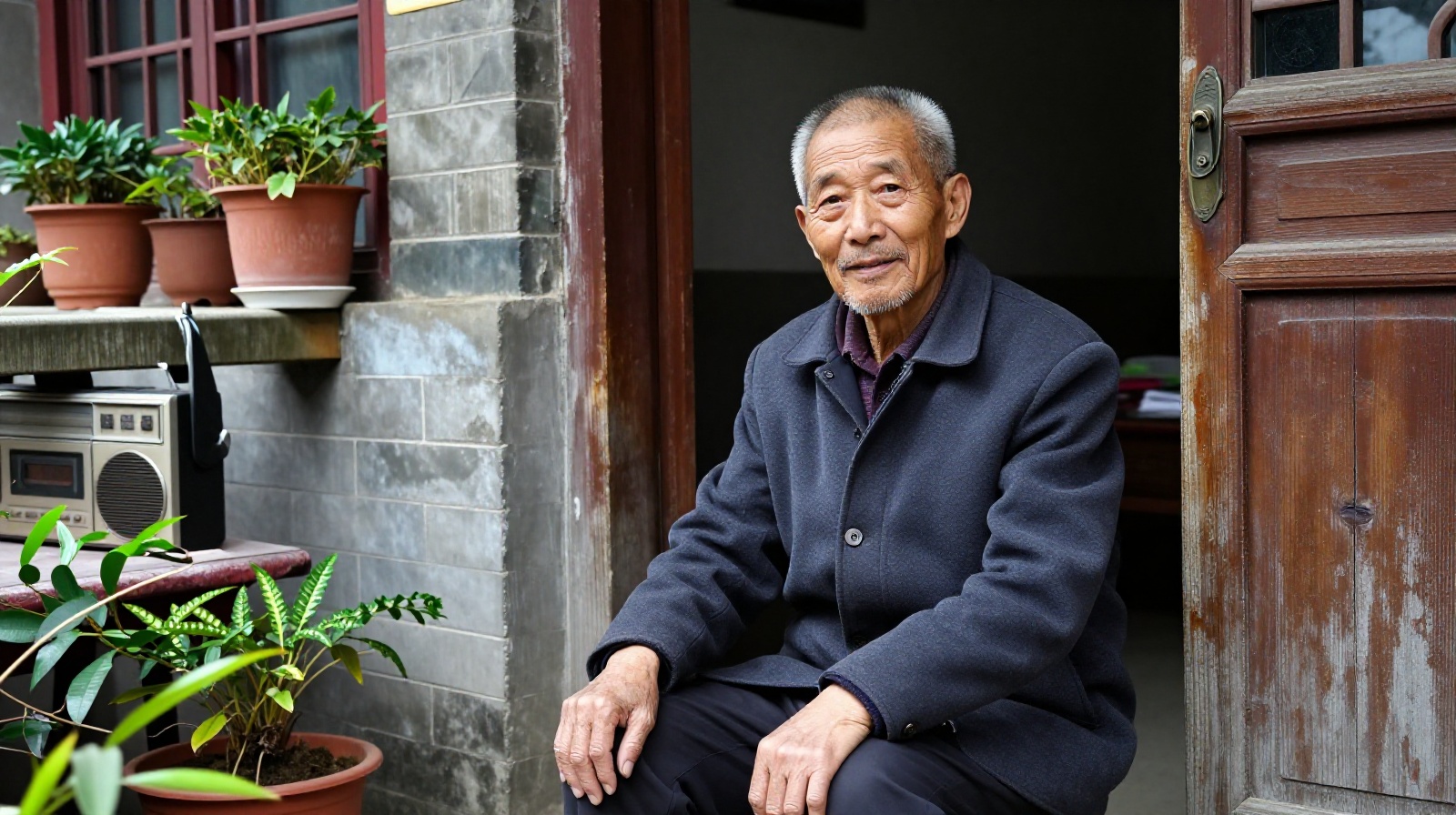
“People think we want to move to big apartments in the new districts,” Mr. Chen says, gesturing to the bustling street below. “But where would I go? My friends are here. The noodle shop owner knows my order before I speak. The park nearby has trees that were saplings when I was a boy.”
For many elderly residents like Mr. Chen, the lilong is not just housing; it is their social security network. It provides the companionship and familiarity that modern high-rise buildings often struggle to replicate.
The Battle for Preservation
This way of life is under pressure. As Shanghai continues its rapid urbanization, land value in these central districts has skyrocketed. For decades, the standard approach was demolition: tearing down old lilong to make way for luxury malls or office towers.
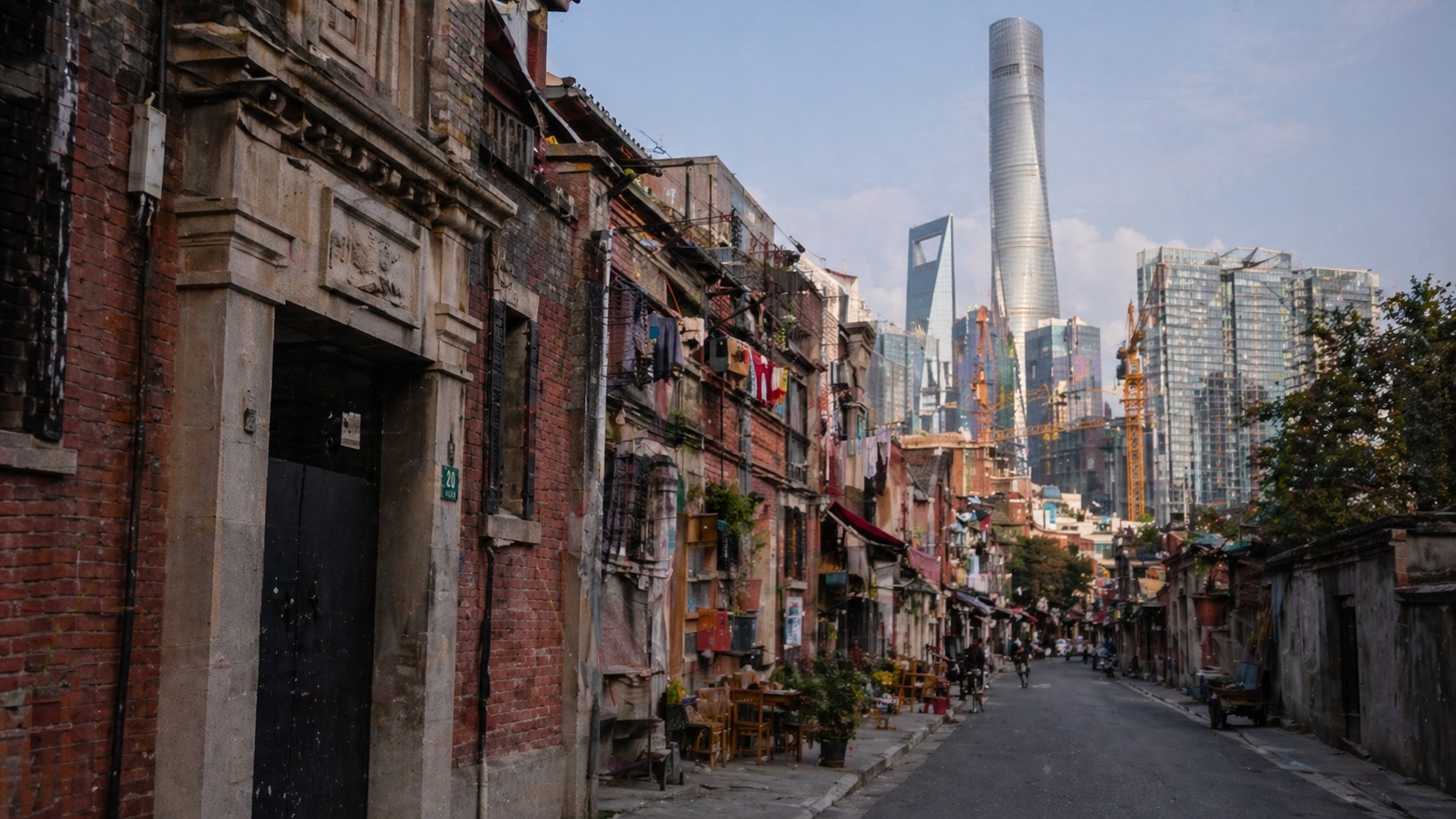
However, a shift is occurring. Urban planners and preservationists are increasingly advocating for “micro-renovation” rather than total replacement. Instead of knocking down entire blocks, projects now focus on upgrading internal facilities—adding modern toilets, improving ventilation, and reinforcing structures—while preserving the exterior character.
This approach allows residents to stay in their neighborhoods while gaining comfort. It also keeps the historical texture of the city intact, preventing Shanghai from becoming a soulless collection of glass skyscrapers.
A Local’s Route: Eat Like a Shanghainese
If you want to experience this side of Shanghai, forget the restaurants in Nanjing Road Pedestrian Street. Instead, head to areas like Xintiandi’s backstreets (the parts not yet turned into high-end boutiques) or dive deeper into Jing’an District’s older residential lanes.
Here is a simple route for one morning:
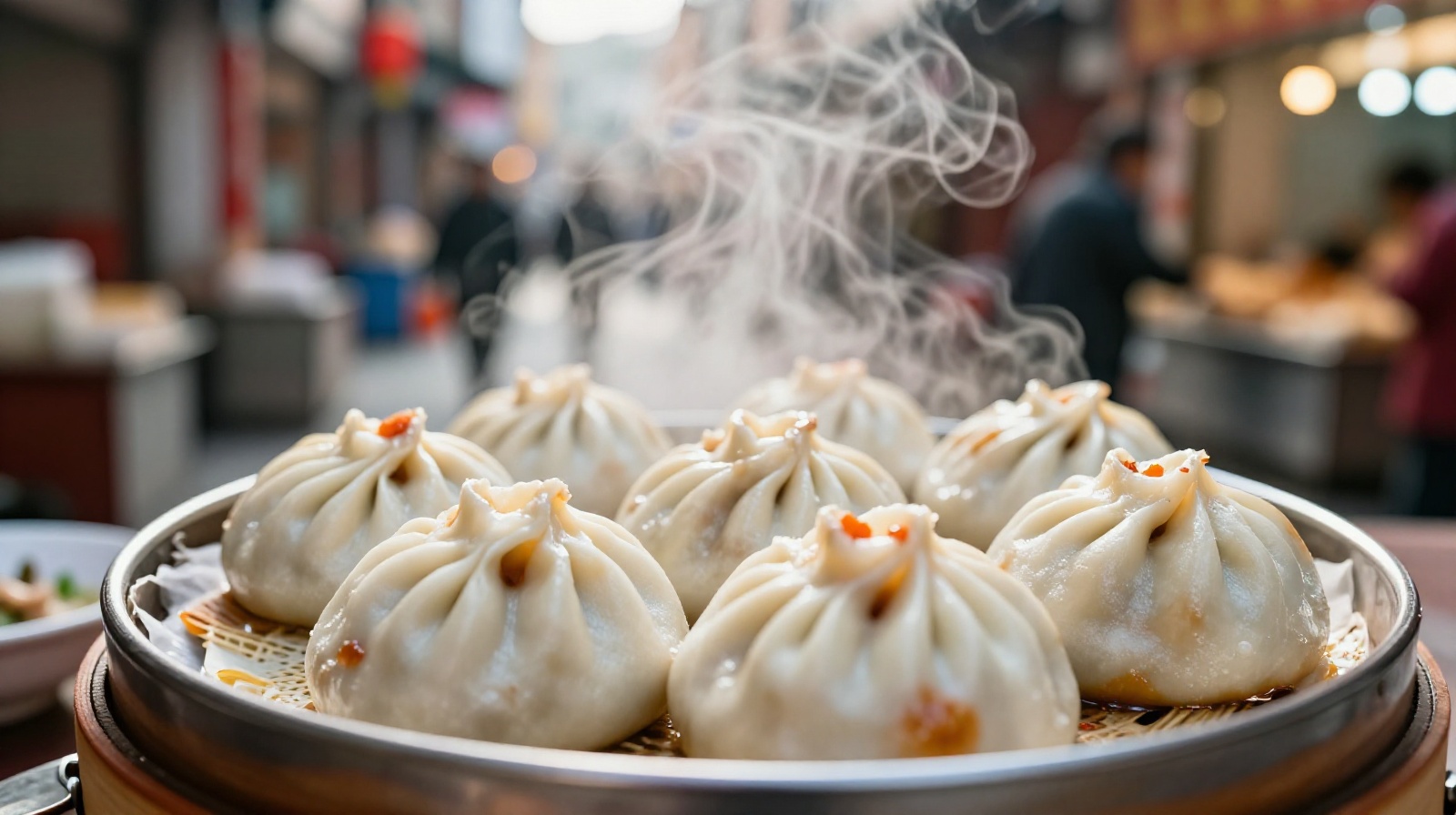
- Start at 6:30 AM. Find a small stall selling shengjian bao (pan-fried pork buns). Look for lines of locals. The bottom should be crispy, the top fluffy, and the inside filled with hot, savory broth.
- Walk through the alleys. Observe the morning rush. Watch neighbors exchange goods—fresh greens from one yard, eggs from another.
- Visit a local tea house. Avoid the tourist traps. Look for a small shop with old men drinking Pu’er tea and playing Chinese chess (xiangqi) on low tables outside.
The Soul of the City
Shanghai is often praised for its modernity, but its true charm lies in this duality. It is a city that has learned to hold onto its past while sprinting toward the future.
The lilong alleys are not relics behind glass; they are breathing, changing, and enduring. They remind us that even in one of the world’s fastest-growing megacities, human connection remains the most valuable resource.
So, next time you visit, take a photo across the river if you must. But then, turn around. Step into the shade of the plane trees. Listen to the local dialect. That is where Shanghai truly lives.