


The Rumor vs. The Reality
It starts with a whisper on travel forums, then explodes on social media: “The police stopped me in Beijing and demanded my phone password.” Or worse: “They arrested a foreigner just for asking questions.” These stories circulate widely, feeding into a narrative of surveillance overreach that many Western travelers fear before booking a trip to China.
But if you actually walk the streets of Shanghai or take the high-speed rail in Chengdu, you will notice something striking: normalcy. The police you see on the street are focused on traffic, crowd control at tourist sites, and routine patrols. They do not roam around grabbing smartphones from unsuspecting tourists.
What a Real Police Check Looks Like
In major Chinese cities, it is common to see police checkpoints near subway stations or government buildings, especially during holidays or large events. This can trigger anxiety for foreigners unfamiliar with the scene. But what actually happens at these stops is highly standardized.
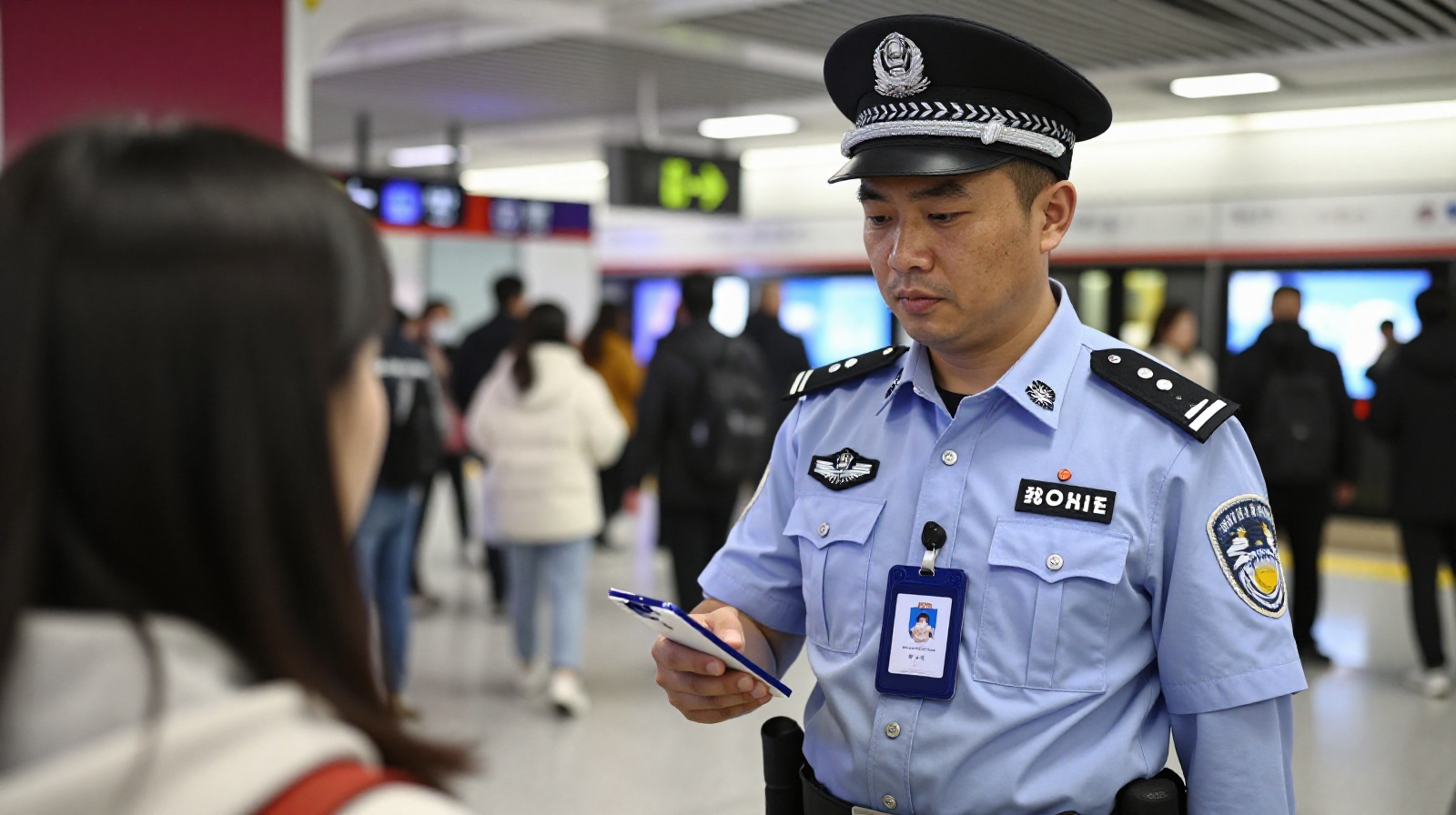
If you are stopped, a police officer will first identify themselves by showing their badge and uniform. In China, this is not optional; it is strictly regulated. They will ask to see your passport or ID card. This is a routine identity verification process, similar to what happens in many European cities during security alerts. The question “Where are you going?” is standard procedure to ensure public safety, not an interrogation.
When and Why Phones Are Checked
This is the core of the rumor: Do they check your phone? The short answer is: almost never, unless there is a specific legal reason. Under Chinese law, police cannot arbitrarily search a citizen’s or foreigner’s electronic devices without cause.
If an officer does ask to look at your phone, it will likely be because you are involved in a minor incident—perhaps a dispute over a taxi fare, a misunderstanding with a shopkeeper, or if you have accidentally entered a restricted military zone. In these cases, the request is usually limited to checking specific evidence relevant to the incident, such as payment records or location data.
They do not scroll through your WeChat history, read your private emails, or inspect your photo gallery. The idea that police casually browse tourists’ personal lives is a misunderstanding of how Chinese digital policing works. Modern surveillance in China is systemic and automated; it does not rely on individual officers manually reading every tourist’s diary.

Legal Rights and Obligations
Foreigners in China have specific rights and obligations. The Exit and Entry Administration Law requires you to carry your passport at all times. Cooperating with a police ID check is not optional; refusing can lead to detention.
However, this cooperation does not mean surrendering your digital privacy. If an officer insists on searching your phone without a clear legal basis or proper procedure, you have the right to remain calm and request a supervisor. In practice, such scenarios are rare. The vast majority of police interactions in public spaces are brief, polite, and focused solely on identification.
Real Stories from the Ground
Last year, I was stopped at a subway checkpoint in Guangzhou during the Spring Festival rush. A young officer asked for my passport. I handed it over. He scanned it with a portable reader, nodded, and returned it within ten seconds. There were no questions about my travel plans, no demands to unlock my phone, and no hostile attitude.
Contrast this with another traveler’s experience shared online: “They took my phone for three hours.” In reality, holding someone’s device without a warrant is illegal. If such an event occurred, it would be a serious procedural violation by specific officers, not a standard policy. It is crucial to distinguish between isolated incidents of misconduct and the everyday reality of law enforcement in China.
Practical Advice for Travelers
If you are traveling in China and encounter police, follow these simple rules:
- Stay Calm: Police in public spaces are mostly there to manage crowds and traffic. They are not looking for trouble.
- Show Your ID: Have your passport ready. If you have lost it, a photocopy or a digital copy on your phone is usually acceptable for basic checks.
- Beware of Scams: The real danger to tourists in China is not the police—it’s often unofficial “guides” or drivers who approach you with fake offers and then threaten you with police. Real police will never ask you to transfer money to a personal account.
The narrative that China is a surveillance nightmare where police randomly invade privacy is largely a myth constructed by misinformation. The reality is bureaucratic, routine, and generally respectful of the law. If you keep your documents handy and behave respectfully, you are likely to find that Chinese police are just doing their job: keeping order in one of the world’s most dynamic countries.
Start the discussion at forum.chinacomes.com