

Spring’s Expensive Ticket
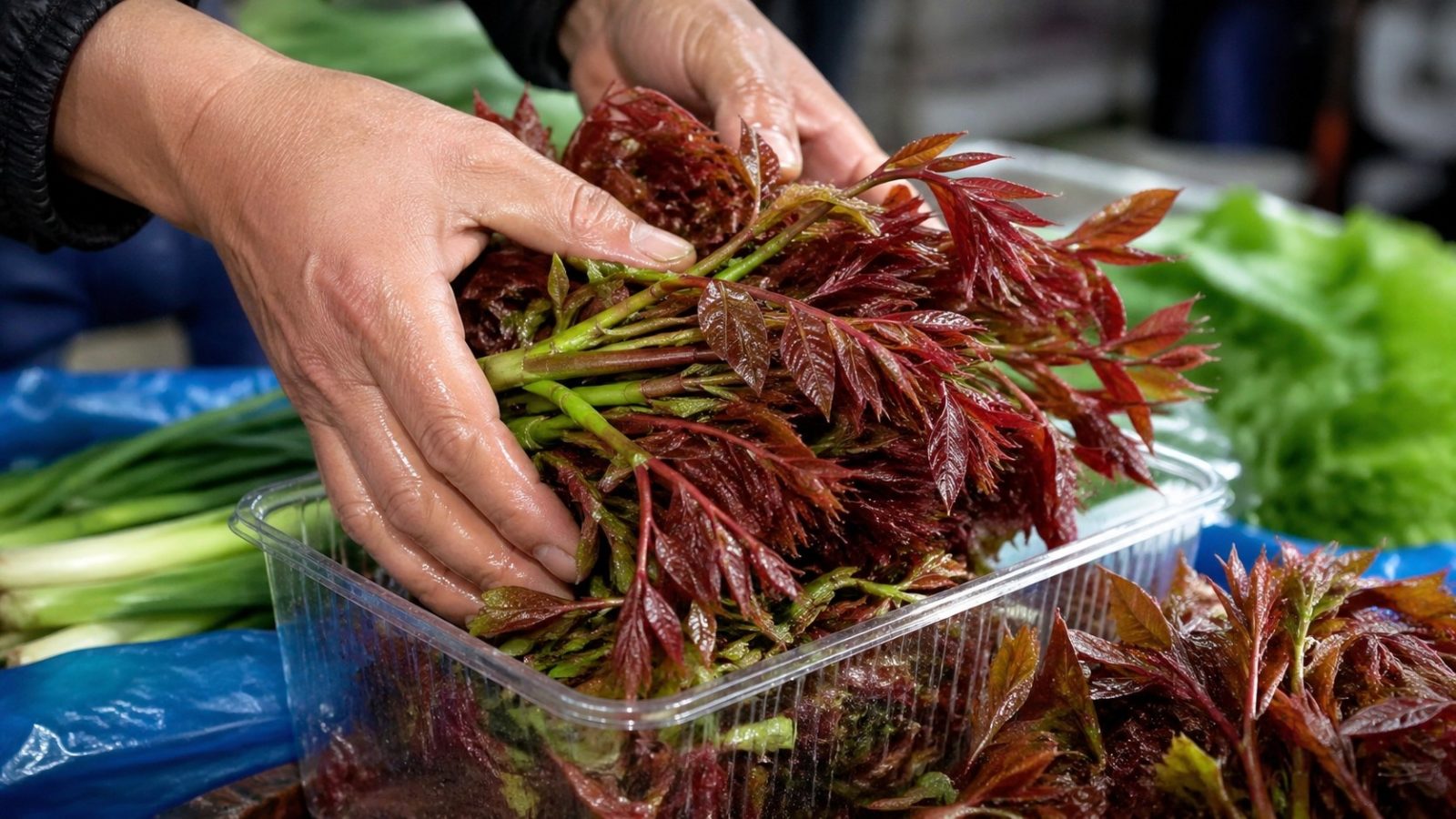
The air in the wet market is thick with the scent of damp earth and green vegetables. It is 6:30 AM on a Tuesday in late March, and Lin, a 28-year-old graphic designer in Hangzhou, is already holding her breath at Stall No. 4. The vendor, an older woman with calloused hands, weighs a small bundle of bright red-green shoots on a digital scale.
“Two hundred and eighty yuan per jin,” the vendor says calmly, not looking up from her phone. “Only ten days left, miss. After this, it’s all bitter stems.”
A ‘jin’ is 500 grams. That works out to roughly $40 for a small bag of leaves that will wilt within 24 hours if not refrigerated. In any other context, this would be absurd. Yet, Lin taps her phone screen to pay via WeChat without hesitation. She has seen the same price tag on Xiaohongshu (Little Red Book), China’s leading lifestyle platform, where hashtags like #ToonaSinensisFreedom are trending among millennials.
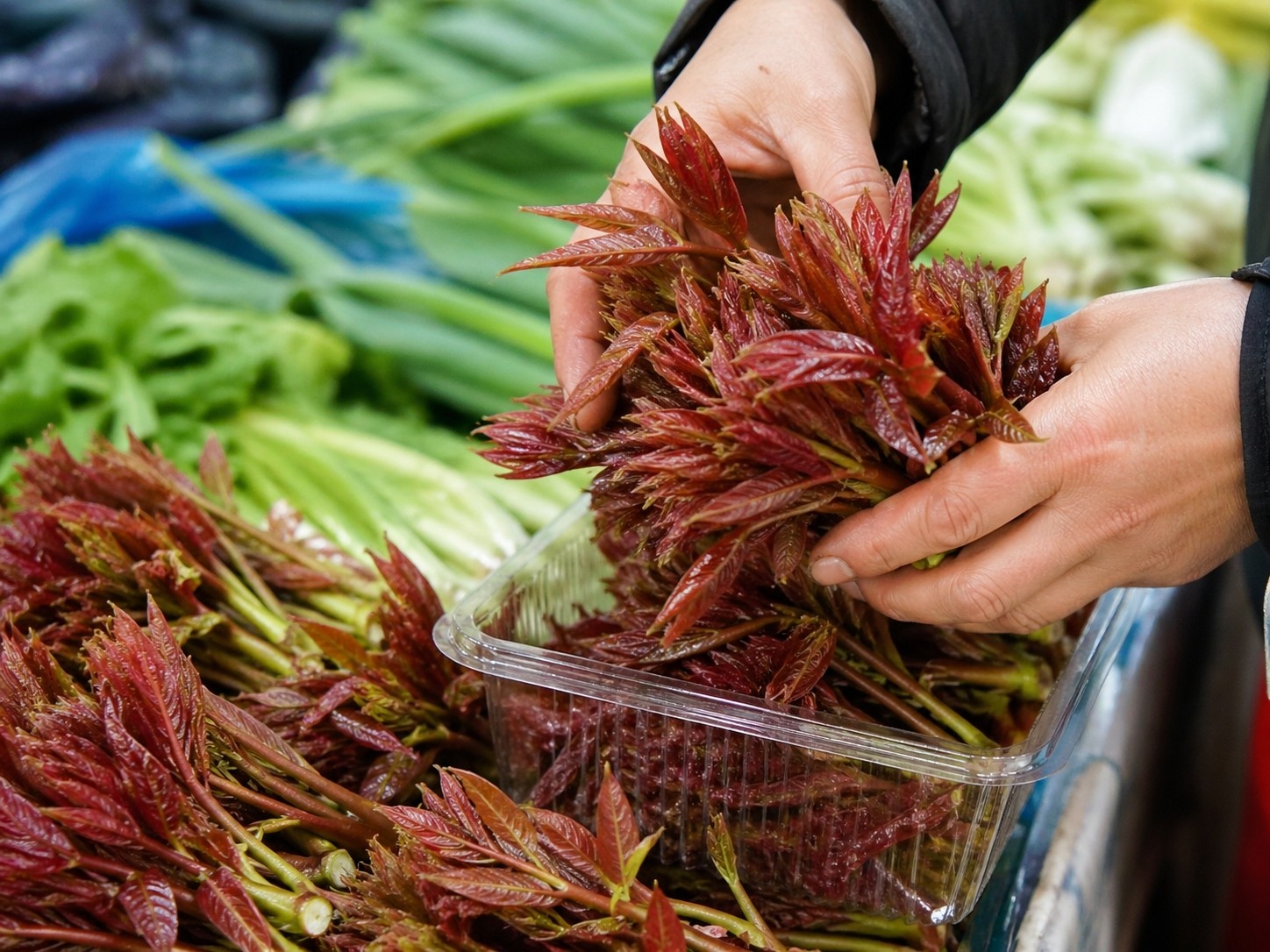
For decades, Toona sinensis—known in English as Chinese mahogany or Chinese cedar—was a humble vegetable enjoyed by farmers and rural families during the brief spring window. Today, it has become a status symbol of sorts, a test of whether one can afford to prioritize fleeting seasonal beauty over practicality.
From Luxury Item to Daily Table: The Invisible Supply Chain Revolution
The high price tag often confuses outsiders. How can a vegetable cost as much as beef? The answer lies not in speculation, but in the invisible infrastructure of modern Chinese agriculture.
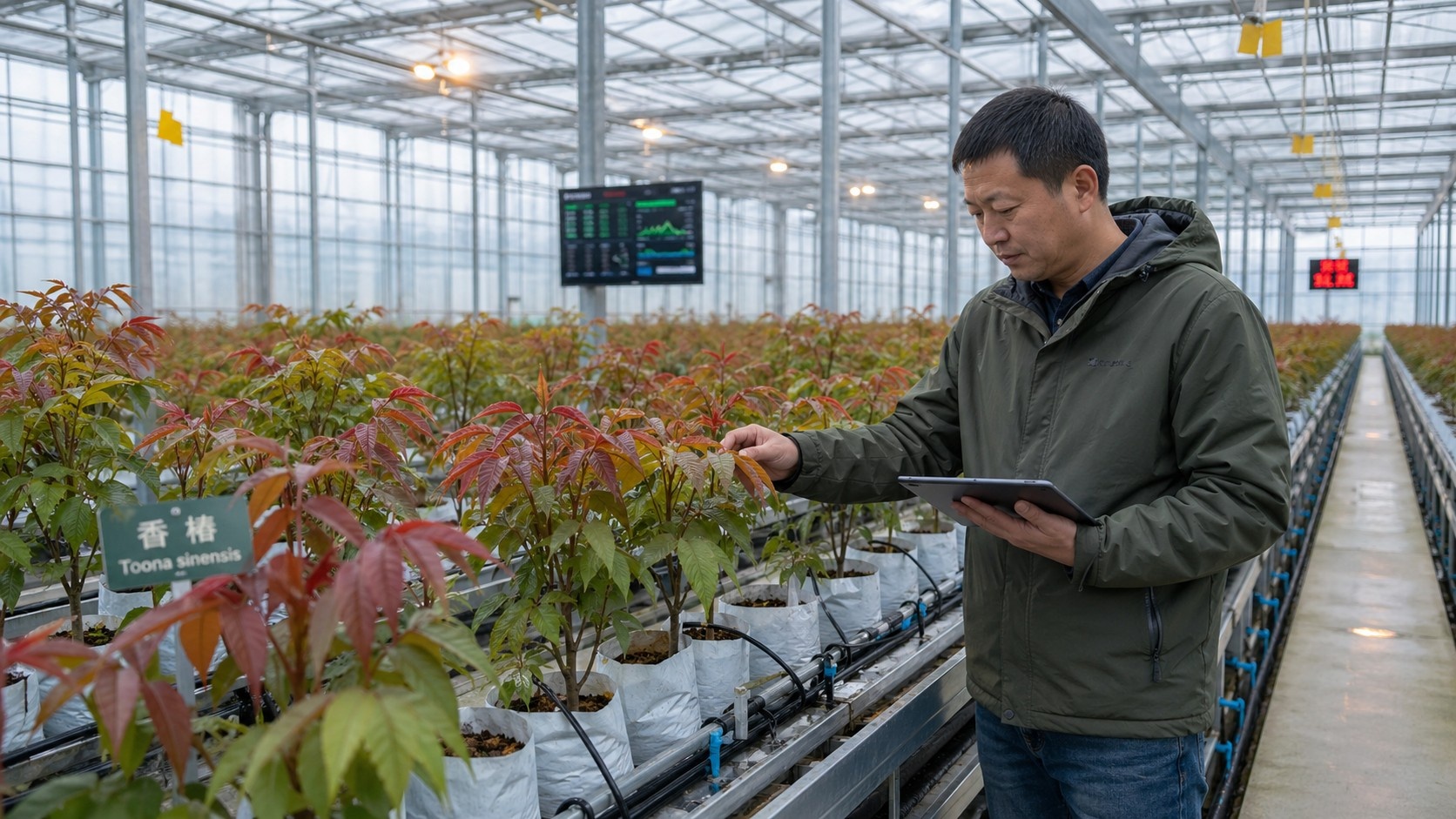
Historically, Toona sinensis grew wild or in small backyard plots, available for only two to three weeks in early spring before the leaves toughened and became inedible. Today, specialized farming techniques have compressed this window into a high-intensity production cycle. Farmers use temperature-controlled greenhouses to force premature budding, allowing them to harvest shoots when they are tender and flavorful.
“The real cost isn’t just growing it; it’s moving it,” explains Wang Lei, a wholesale distributor in Xinyang, Henan province, one of China’s major production hubs. He shows me crates of sprays that have traveled from the farm to his cold-storage facility in less than four hours.
The key is speed. Toona sinensis contains high levels of nitrates and loses its distinct aroma within a day of picking. Therefore, the supply chain must be faster than almost any other agricultural product. This has driven an “invisible revolution” in cold-chain logistics. Specialized packaging with oxygen-absorbing pads and ice packs ensures that shoots picked in rural Henan can appear on shelves in Beijing or Shanghai while still crisp.
Data from the Ministry of Agriculture shows a steady decline in price volatility over the last five years as greenhouse coverage expanded. While early-season prices remain high due to limited volume, mid-spring availability has increased by 40%, making the “luxury” more accessible, though still expensive for those seeking the earliest harvests.
Why Young Consumers Pay for ‘Time’
For Lin and her peers, buying Toona sinensis is less about nutrition and more about a psychological need: connection. In a rapidly urbanizing society where concrete landscapes often obscure the changing seasons, these shoots serve as a tangible reminder of spring.
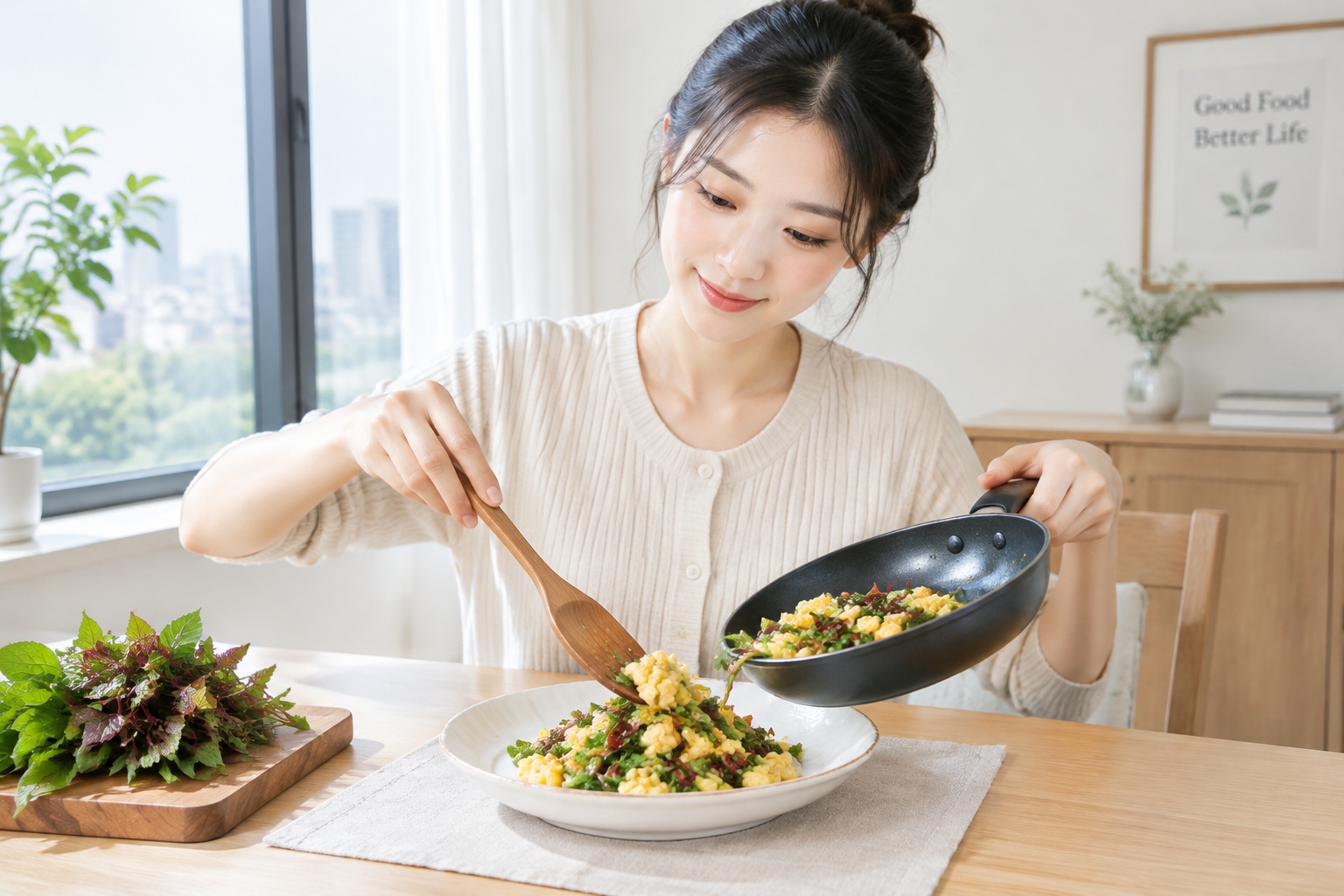
“It’s called ‘shixian’ (seasonal freshness) in Chinese,” Lin explains, preparing her first batch at home that evening. She blanches the leaves briefly and mixes them with scrambled eggs—a classic dish. “In my office, everyone talks about it on Monday. It’s our way of saying, ‘Spring is here.’ If I miss it, I’ll feel like I’ve missed a part of the year.”
This behavior mirrors trends seen in coffee culture or specialty tea drinking: consumers are paying for an experience, not just calories. However, Toona sinensis carries a unique social currency. It is fleeting. Unlike avocado toast or matcha lattes, which are available year-round, this vegetable demands immediate action. Its scarcity creates urgency.
Social media amplifies this dynamic. Photos of vibrant red-green shoots against white porcelain plates are shared with captions like “Captured the taste of March.” For young professionals facing high rents and long work hours, spending 280 yuan on a few leaves is an act of self-care—a small rebellion against the monotony of daily life.
Connecting Global Readers: Understanding ‘China Speed’
To Western readers familiar with Instacart or Amazon Fresh, this story might seem like mere logistical efficiency. But there is a deeper cultural layer here.
In many Western cultures, food seasonality is often associated with rural traditions or farmers’ markets. In China, it has been industrialized and urbanized. The ability to access the “first taste of spring” in a mega-city like Shenzhen or Chengdu reflects a shift from subsistence living to quality-of-life consumption.
This phenomenon highlights a broader trend: Chinese consumers are moving beyond basic needs to seek emotional value in their purchases. They want food that tells a story, connects them to nature, and offers a sense of ritual. The high price is not just for the vegetable; it is for the privilege of participating in a shared cultural moment.
Conclusion: Seasonality on the Tip of the Tongue
By late April, the price of Toona sinensis will drop to less than 10% of its peak. The leaves will turn dark green and fibrous, suitable only for stir-frying with heavy spices to mask bitterness. For Lin, the season is over. She has already ordered her second batch online, knowing she may have to wait another year for this specific texture.
This brief window of luxury is a microcosm of modern China. It showcases advanced agricultural technology, efficient logistics, and a generation that values time, aesthetics, and cultural continuity as much as economic growth. The “shixian” philosophy reminds us that even in the fastest-growing economies, people still pause to savor the passing of seasons.
Do you have a similar expensive, fleeting ingredient in your culture? Something you only eat for a week or two each year? Share your thoughts below.
Start the discussion at forum.chinacomes.com