


The One Color You Should Avoid
If you are new to China, the most dangerous item in your wardrobe might not be a suit or a dress. It could be a green baseball cap.
In Western fashion, a green hat is just an accessory—perhaps a bit bold, maybe trendy if it’s olive or mint. But in China, wearing a green hat on your head carries a heavy historical baggage. It is the ultimate social faux pas. Why? Because in Chinese culture, “wearing a green hat” (戴绿帽子,dài lǜ màozi) is the specific idiom for having an unfaithful spouse. If you see a man wearing one, locals might joke that his wife is cheating on him. It’s not just bad style; it’s a public declaration of personal humiliation.

From Imperial Robes to Family Drama
This taboo didn’t appear out of nowhere. Its roots go back centuries, evolving from professional regulations into domestic metaphors.
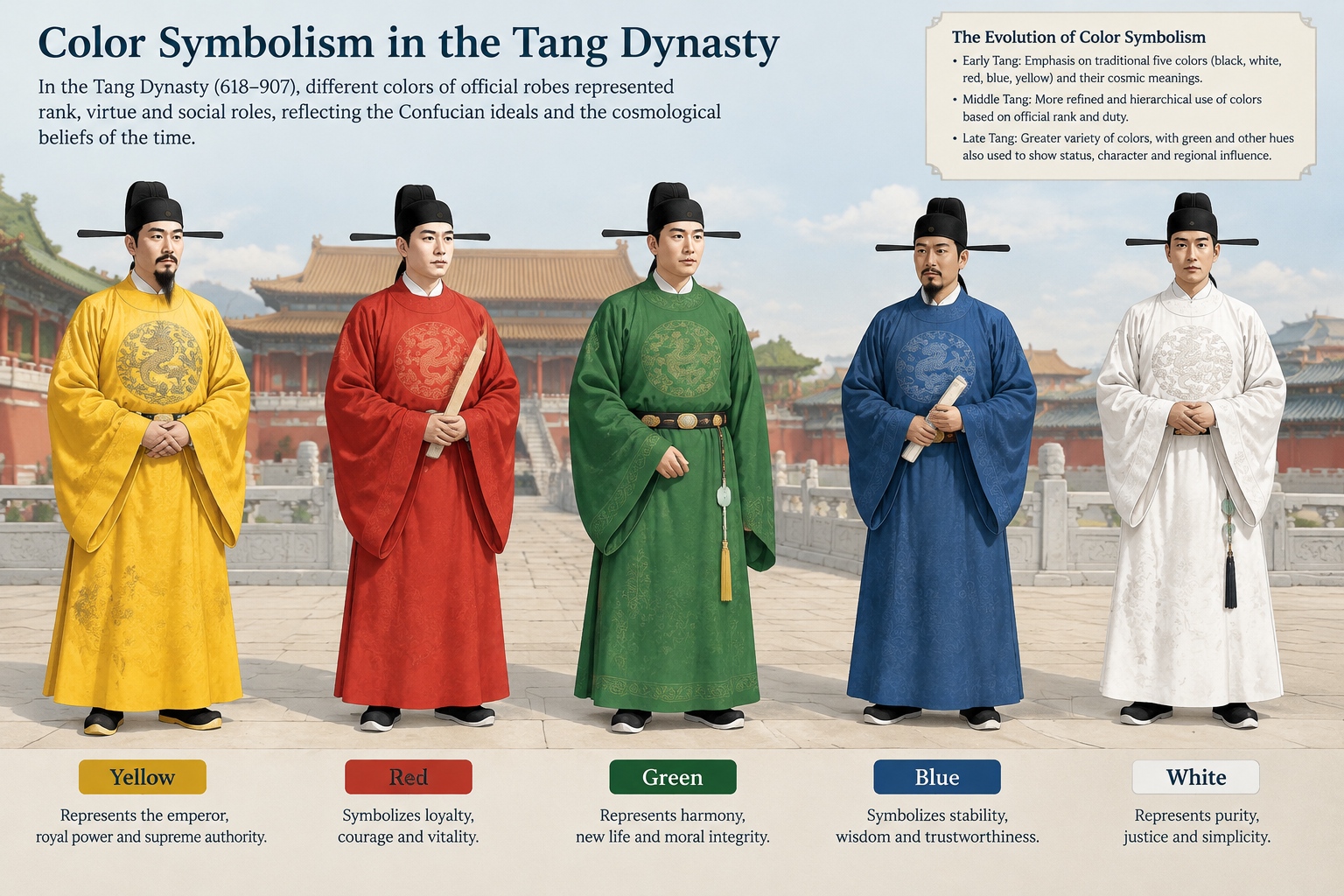
In the Tang Dynasty (618–907 AD), green was actually a respectable color for low-ranking officials and monks. It wasn’t inherently shameful. The shift began in the Song Dynasty, when rules changed to distinguish between “proper” wives and those who weren’t—such as actresses or women from families involved in prostitution.
During the Yuan Dynasty (1271–1368), men whose female relatives worked in sex work were forced to wear a green headscarf. This was a public shaming tactic, marking them as different from respectable citizens. Over time, this association stuck. By the Ming and Qing Dynasties, wearing green became strictly associated with the husbands of prostitutes or women who had affairs.
Modern China: A Generational Divide
So, is it still true today? The answer is complicated, and largely depends on who you are asking.
For the older generation—your parents’ generation or those with traditional values—the taboo is real. You will rarely see a Chinese man wearing a green hat voluntarily. If a foreigner buys one as a souvenir for their father-in-law, they should prepare for a confused silence or an awkward laugh.
However, among young people in Shanghai, Chengdu, or Beijing, the meaning has shifted. Fashion is global. A designer brand might release a neon green beanie that becomes a streetwear hit. Young Chinese don’t necessarily see “infidelity” when they look at a trendy outfit; they see style.
But here’s the catch: context matters. Wearing a bright green cap to a casual coffee shop with friends? Probably fine. Wearing it to a formal business meeting, or giving it as a gift to an elder? That’s asking for trouble. The risk isn’t that people will think you’re crazy; it’s that they might wonder if you understand basic Chinese culture.

Other Color Rules of the Road
If green is the big one, are there others? Yes. Understanding color symbolism can save you from awkward moments at weddings and funerals.
The Red and White Rule
In China, colors are highly contextual. At a wedding, red is lucky, joyous, and essential. Guests often wear red accents to show support for the couple. However, wearing pure white or pure black can be seen as mourning attire. While modern urban weddings sometimes adopt Western styles where brides wear white dresses, guests should still avoid looking like they are attending a funeral.
The White Shirt Nuance
Wearing a white shirt is generally safe for business and daily life. But in very traditional contexts, white can symbolize death or purity in a spiritual sense. Avoid wearing all-white outfits to celebratory events unless you know the host’s specific preferences.
Practical Advice for Travelers
You don’t need to banish green from your closet entirely. Just be smart about it.
- Accessories: Avoid green hats, caps, and headbands in traditional settings or when meeting elders.
- Clothing: A green jacket, shirt, or dress is perfectly acceptable. The taboo is specifically tied to the head.
- Gifts: Never give a green hat as a present. It’s considered one of the most insulting gifts you can offer.
- Humor: If you make a mistake, laugh it off. Chinese people appreciate foreigners who try to understand their culture, even if they stumble over a color.

Conclusion
Fashion is a language, and like any language, it has idioms that don’t translate directly. The “green hat” is perhaps the most famous example of how clothing can carry deep cultural weight. By avoiding this specific item on your head, you show respect for local customs while keeping your style intact. In China, looking good means more than just fitting in with current trends; it means understanding the unspoken rules that keep social harmony running smoothly.
Start the discussion at forum.chinacomes.com