

Neon Lights and Silk Robes
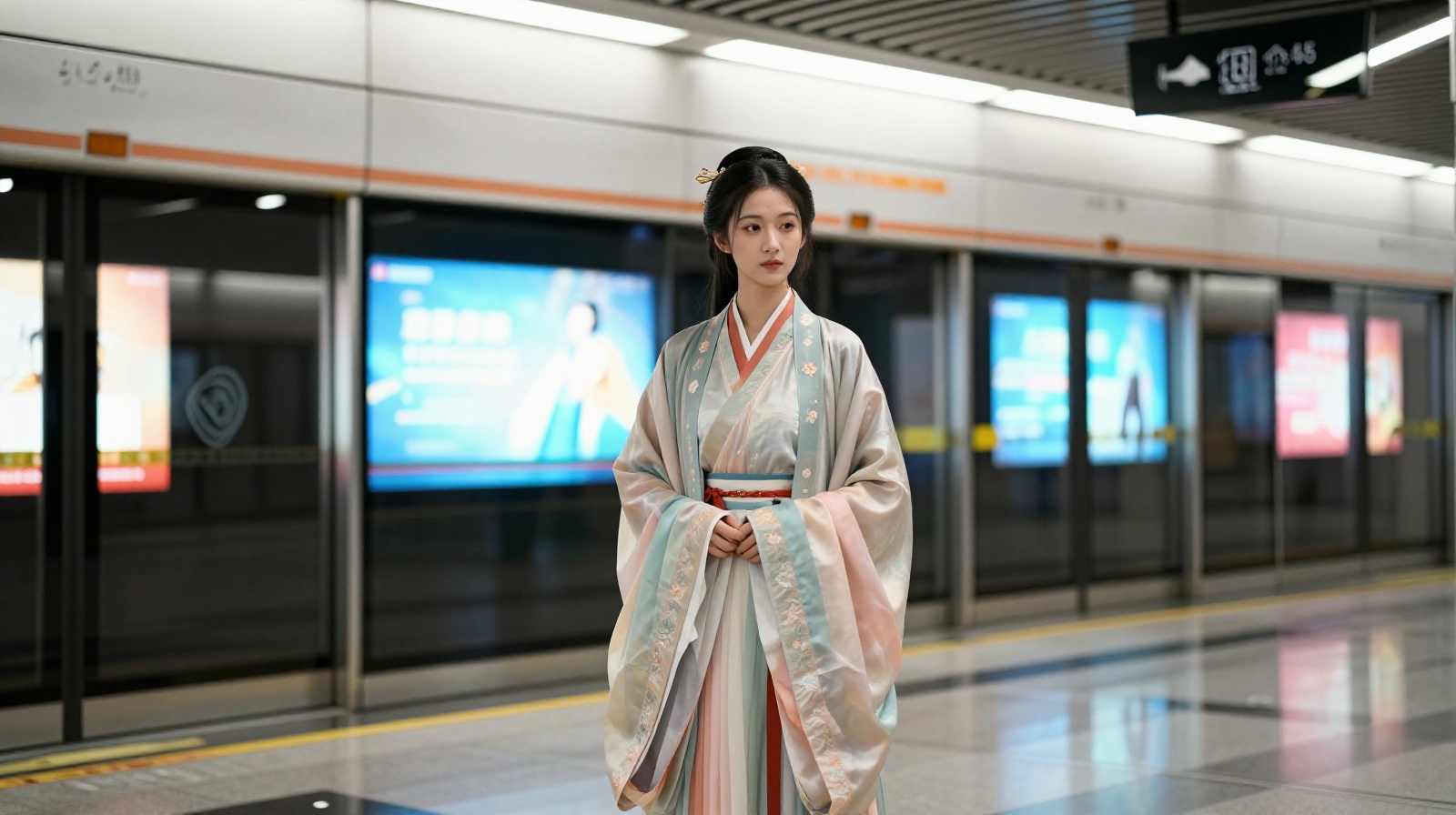
The scene at a subway station in Shanghai is jarring to the untrained eye. One moment, you see commuters in tailored suits or oversized streetwear, rushing toward turnstiles with smartphones in hand. The next, a group of young people glides past, their wide sleeves flowing like water, wearing intricate silk robes that look as if they stepped out of a Ming Dynasty painting.
For many foreign visitors, this visual contrast sparks immediate confusion. Is it a film set? A historical reenactment? Why would Gen Z Chinese dress up in costumes while heading to office jobs or university classes?
The answer lies not in the past, but in how young Chinese people are redefining their relationship with modernity. Hanfu (traditional Han clothing) has transformed from a niche hobby into a mainstream youth movement. It is no longer just about wearing old clothes; it is a statement of identity.
From Cosplay to Cultural Confidence
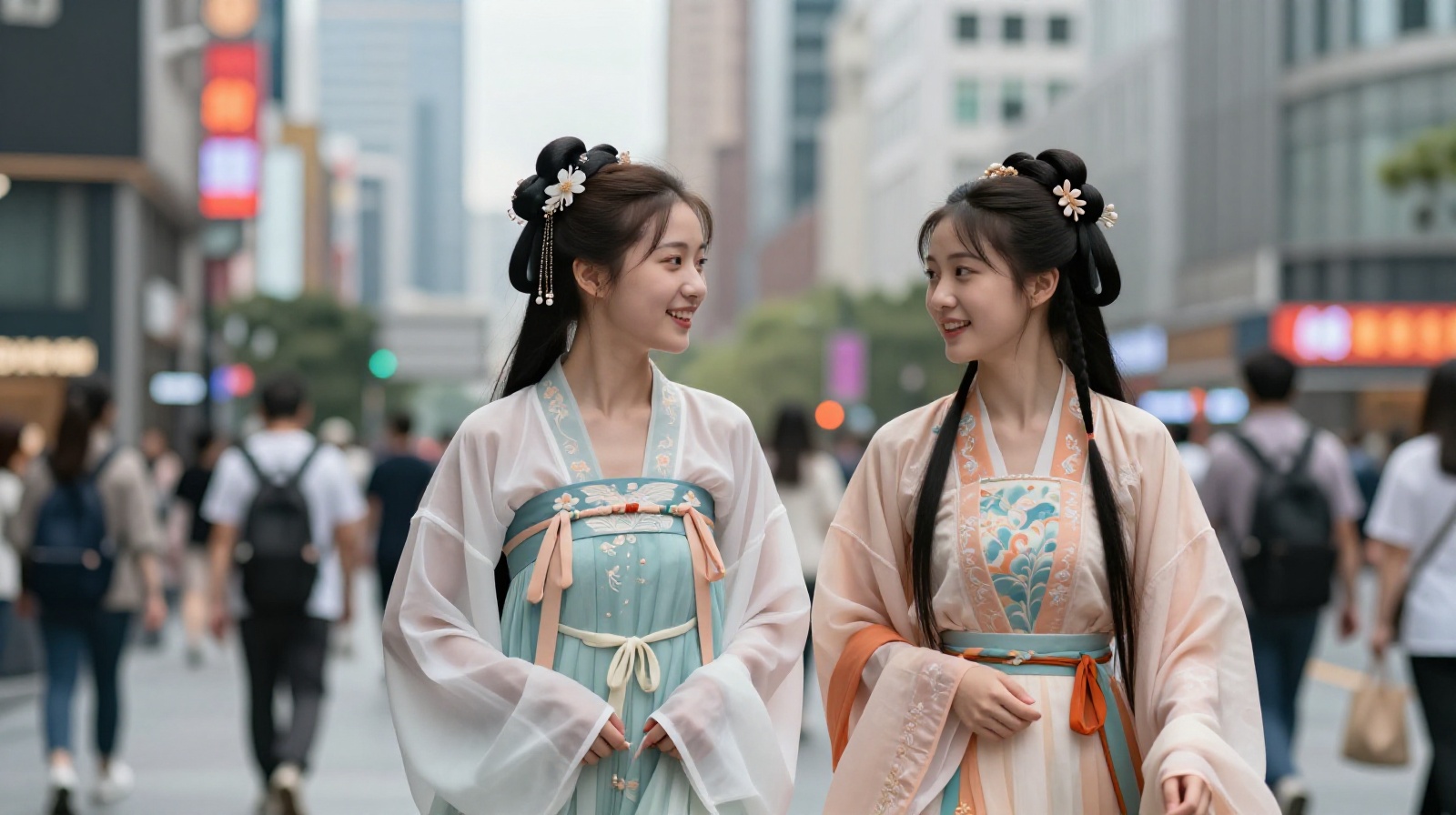
To understand Hanfu, you have to look at the social media feeds of Chinese university students. Ten years ago, wearing Hanfu was often dismissed as cosplay—a playful imitation of characters from video games or TV dramas. Today, it is a serious fashion statement.
Lin Wei, a 26-year-old graphic designer in Hangzhou, wears a modified Hanfu top with modern jeans to work three days a week. “In the beginning, my colleagues thought I was joking,” Lin says. “But now, when I walk into the office, people ask where I bought the fabric. It feels like wearing something unique, something that connects me to history, rather than just buying the same fast-fashion brand as everyone else.”\p>
This shift reflects a broader phenomenon known in China as cultural confidence. For decades, Western beauty standards and fashion trends dominated global culture. Today’s Chinese youth are less interested in emulating Paris or New York. They are turning inward, searching for aesthetic roots that feel authentic.
It is not about rejecting the modern world. Lin still uses an iPhone, orders food via apps, and pays with digital wallets. The Hanfu is simply another layer of her identity—a way to express pride in her heritage without stepping out of contemporary life.
The Tech-Driven Mechanics of Tradition
What makes this movement possible? Technology. It might seem paradoxical that the most traditional clothing trend relies on cutting-edge digital tools, but for Chinese Gen Z, they are inseparable.
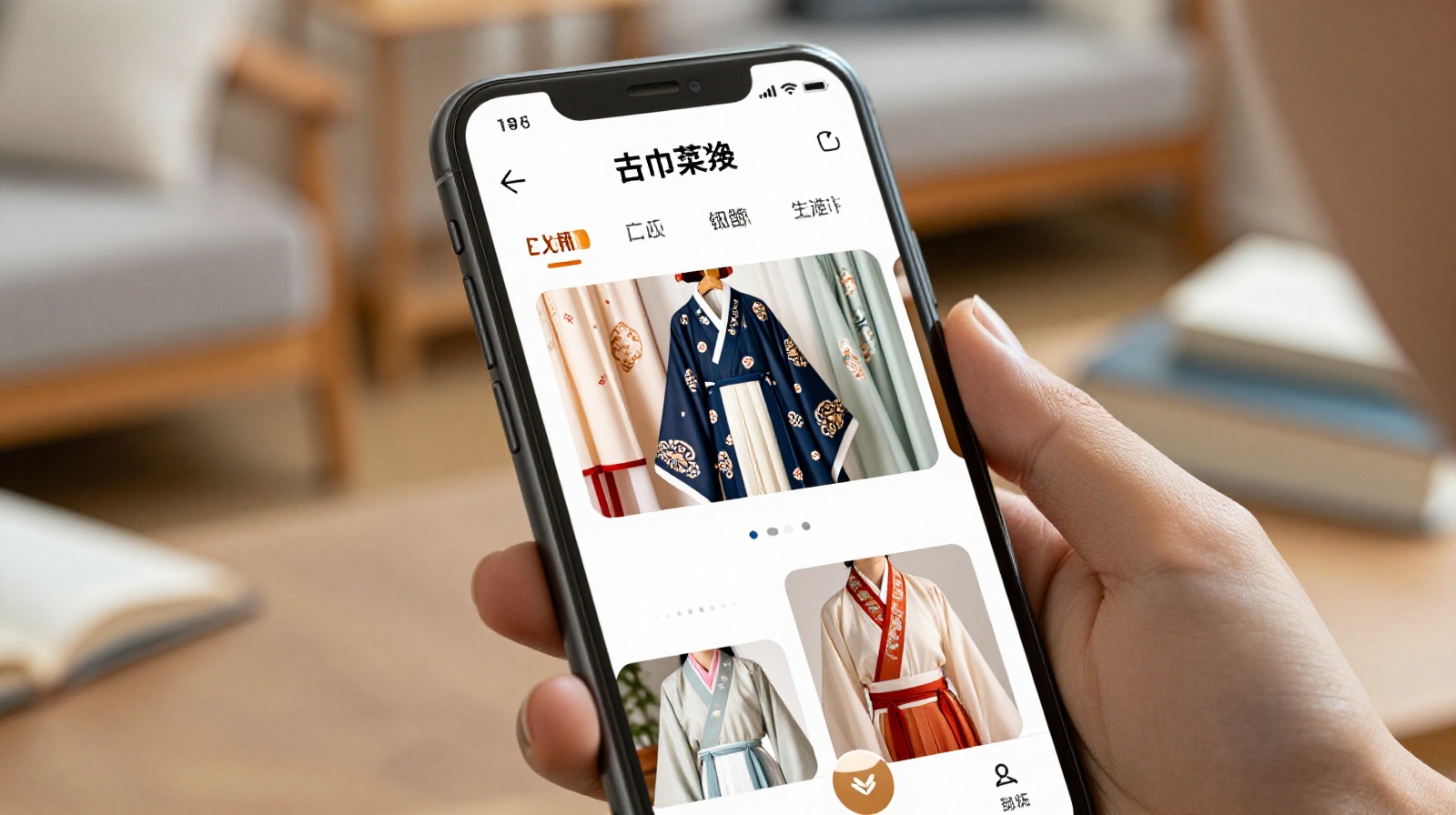
Buying Hanfu is no longer about visiting dusty antique markets. Young people use e-commerce platforms like Taobao and Douyin (TikTok) to find custom-fitted robes. Algorithms suggest styles based on body type and personal taste. Social media filters allow users to visualize how they would look in Song Dynasty attire before spending hundreds of dollars.
This digital integration has created a massive economic engine. “Hanfu Tourism” is booming. Historic sites like the Forbidden City in Beijing or ancient towns in Suzhou now see peaks in visitors during weekends, not because of guided tours, but because young people want to take photos in traditional settings. Local businesses have adapted quickly: tea houses offer Hanfu rentals, and cafes serve desserts named after historical poets.
A Global Context for a Chinese Trend
Is this unique to China? Not entirely. Every culture has moments of revival where youth reclaim their roots through fashion. In Korea, the global explosion of K-Pop has normalized traditional elements like hanbok. In Europe, there is a renewed interest in Celtic or Viking aesthetics among younger generations.
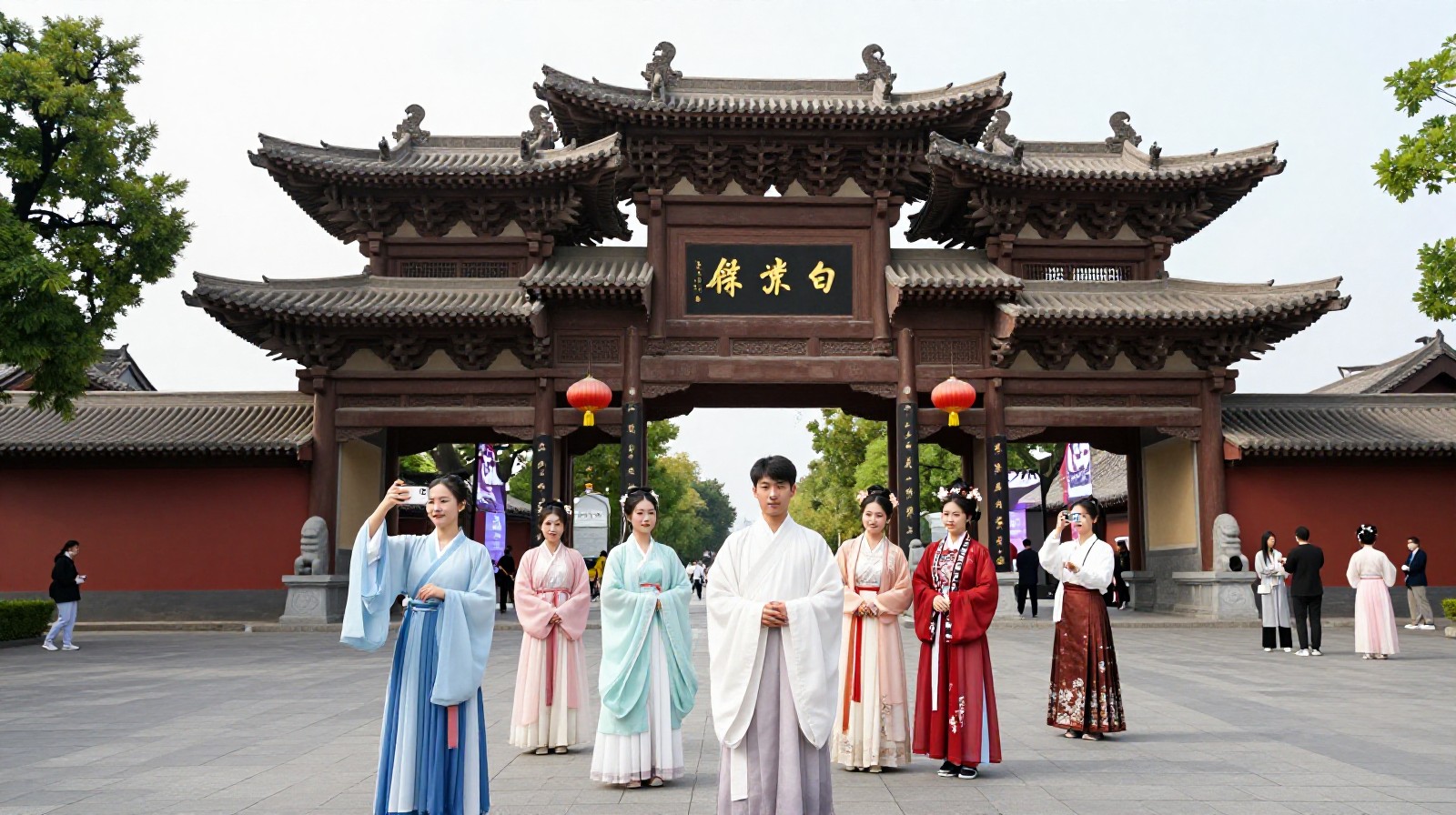
What makes China’s Hanfu movement distinct is its scale and speed. Driven by the internet, it spread from small online communities to millions of users in less than a decade. Unlike some Western subcultures that remain underground, Hanfu has been embraced by mainstream society, including government support for cultural preservation.
However, it is not without tension. Some critics argue that Hanfu can be elitist or overly focused on aesthetics rather than historical accuracy. Others debate how “authentic” a 21st-century interpretation of ancient clothing can really be. But for most wearers, these debates are secondary to the personal joy of wearing something beautiful and meaningful.
The Future of New Chinese Style
As Hanfu continues to evolve, it is blending with daily wear. Designers are creating “Han-element” fashion—garments that use traditional cuts or fabrics but fit into modern wardrobes. This “New Chinese Style” is appearing in high-end boutiques and street markets alike.
For the young people wearing them, Hanfu is more than fabric. It is a bridge between the past and present. In a world that often feels rootless and fast-paced, putting on these robes offers a sense of stability and belonging. Tradition is not static; it lives in how young people wear it today.