
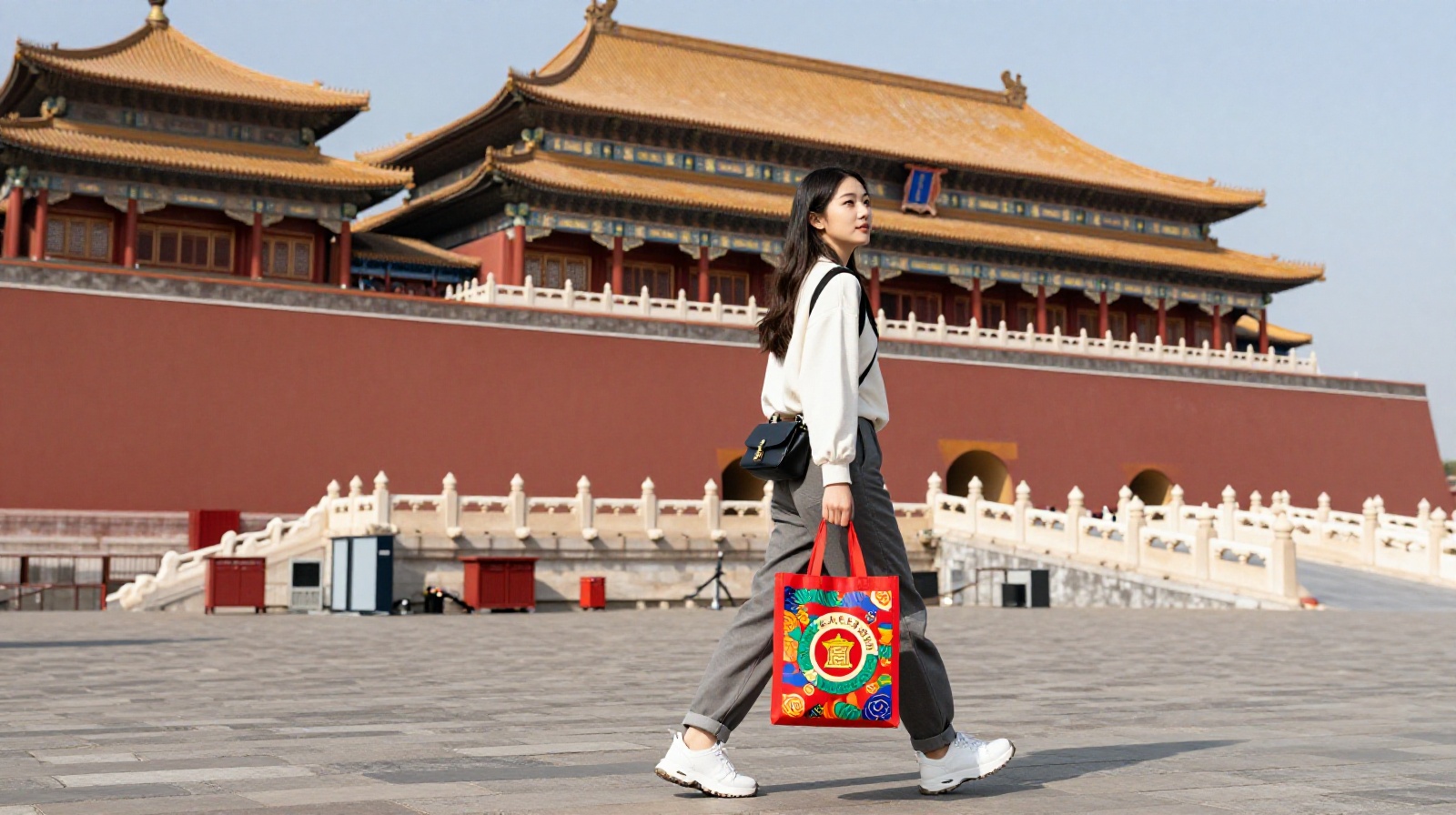

The Shift from ‘Sacred’ to ‘Social’
For centuries, the image of a major museum was defined by silence. You walked on hushed steps, admired artifacts behind glass, and left with a sense of distant reverence. It was an experience rooted in preservation and respect, but often lacking interaction.
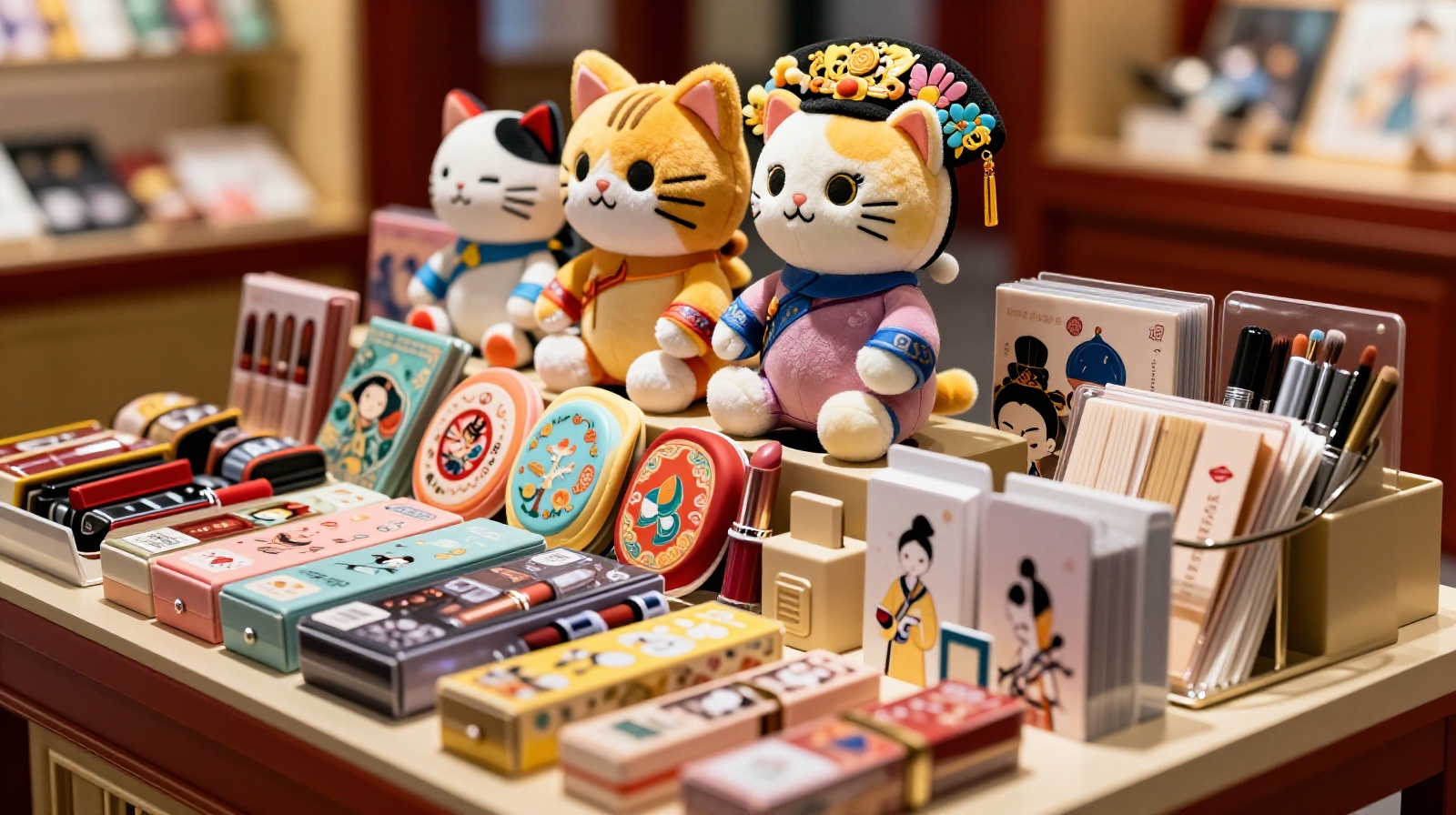
In Beijing today, that script has flipped. Walk through the Palace Museum (The Forbidden City) on a weekend afternoon, and you won’t just see tourists taking photos of ancient walls. You’ll see young people queuing for hours not for tickets to the imperial halls, but for limited-edition merchandise. They are holding plush toys shaped like imperial cats, carrying tote bags with cute historical figures, and wearing traditional-style accessories that blend seamlessly with modern streetwear.
This isn’t just a change in retail strategy; it’s a shift in how the younger generation engages with history. For Chinese Gen Z, heritage is no longer something to be looked at from afar. It is a social currency, a lifestyle choice, and a source of daily joy. The museum has become less of a temple of silence and more of a vibrant cultural hub.
A Case Study: The Forbidden City’s Pop Culture Takeover
The engine behind this transformation is the Palace Museum’s Cultural Products Department. In 2013, they launched an initiative that seemed risky at the time: treating imperial aesthetics with humor and modernity.
Consider the “Imperial Cat” series. The Forbidden City is home to hundreds of resident cats, often referred to as “eunuchs” or “officials” in staff lore. Instead of ignoring them, the museum turned these felines into stars, creating plush toys with titles like “Cat Minister.” It sounds whimsical, but it works because it humanizes a 600-year-old institution.

Then there are the lipsticks. Inspired by historical pigments found in palace paintings and porcelain, these cosmetics come in names derived from classical poetry. A shade might be called “Ministerial Red” or “Royal Purple.” For a young professional in Shanghai or Shenzhen, buying one of these is not just about makeup; it’s about wearing a piece of aesthetic history that fits into their contemporary routine.
Even office supplies have gotten a makeover. Traditional seal script and imperial patterns now adorn sticky notes, tape dispensers, and laptop stickers. The juxtaposition of solemn historical motifs with everyday, often humorous, office life creates a unique appeal. It bridges the gap between the “high culture” of emperors and the grounded reality of modern workers.
The ‘Guochao’ Phenomenon: Why Young Chinese Love Heritage
This trend is part of a broader movement known as Guochao (National Trend). While Western brands often rely on nostalgia for their own industrial past, Guochao taps into a deeper, millennia-old cultural identity.
For young Chinese consumers, buying products with traditional motifs is an act of cultural confidence. It’s not about rejecting globalization; it’s about redefining what cool looks like in a global context. A student in Chengdu might wear a Hanfu-inspired scarf to class, while a tech worker in Shenzhen uses a smart speaker decorated with traditional cloud patterns.
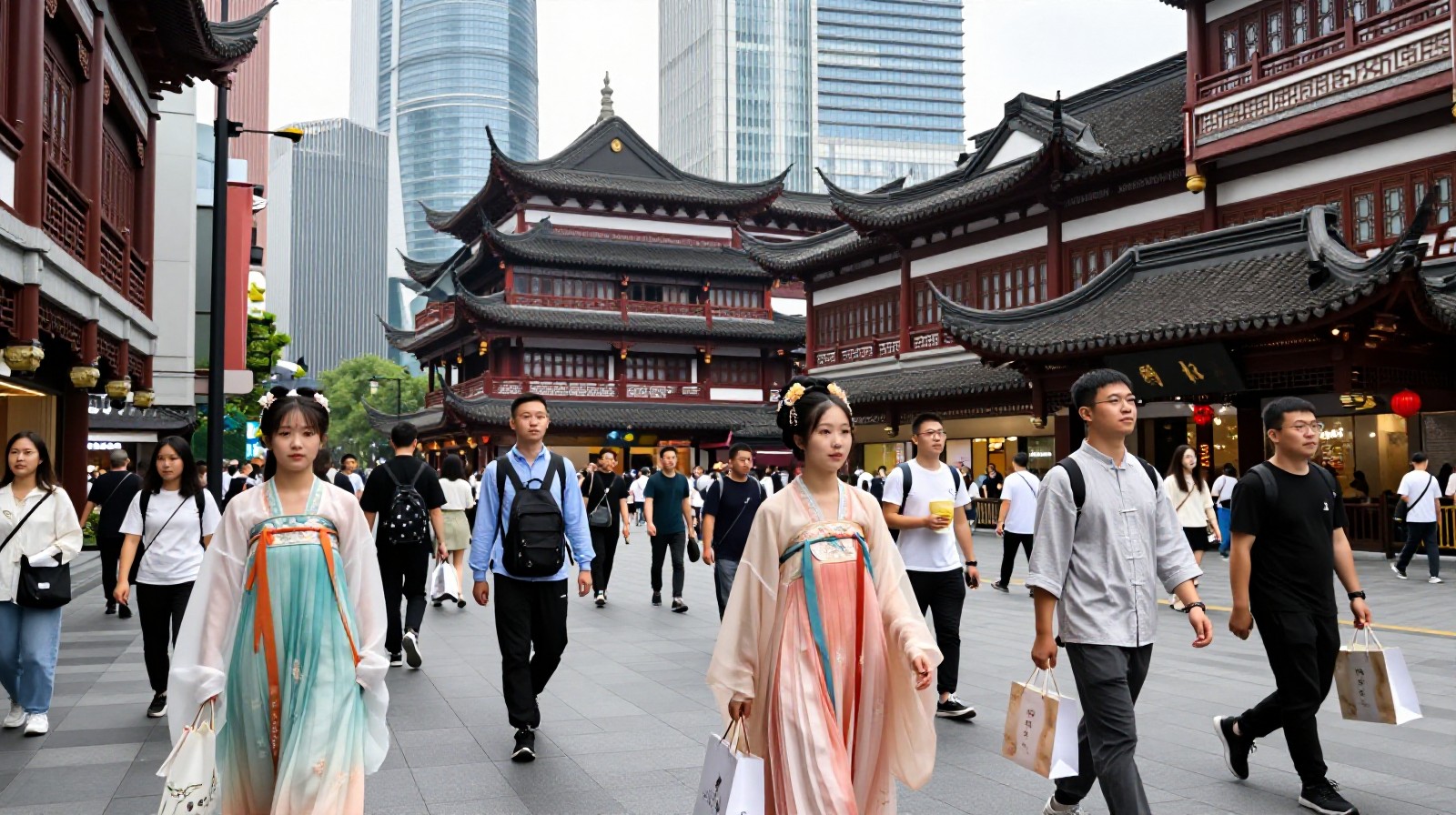
This mirrors global trends toward sustainability and authenticity, but with a distinctly Chinese flavor. It’s a rejection of purely Western-centric luxury brands in favor of products that tell a local story. The Palace Museum has mastered this by making history accessible. They don’t lecture you on the Qing Dynasty; they give you a keychain that makes you smile when you think about it.
Cultural IP in Daily Life: More Than Just Souvenirs
The reach of these cultural IPs extends far beyond gift shops. You can see historical aesthetics integrated into urban design, digital interfaces, and even food packaging. High-end Chinese tea brands now use packaging designs inspired by palace art, making the ritual of drinking tea feel modern and premium.
Mobile apps and games frequently collaborate with museums to create virtual exhibits or character skins based on historical figures. This digital integration means that history is part of the daily commute and workday. It’s not confined to a physical building in Beijing; it’s woven into the fabric of digital life across China.
The Global Resonance: What This Tells Us About Modern China
For Western observers, this shift might seem surprising. Many still associate Chinese state institutions with rigidity and solemnity. But the Palace Museum’s success reveals a different reality: a society that is commercially sophisticated, culturally confident, and creatively open.
The transformation of the Forbidden City from a solemn archive to a trendy IP shows how modern China is reconciling its past with its future. It suggests that tradition doesn’t have to be static to be respected. For the average person, history is no longer a distant memory; it’s a living, breathing part of their identity and daily aesthetic.