

From ‘Optional’ to ‘Mandatory’: The Quiet Rise of Green Standards
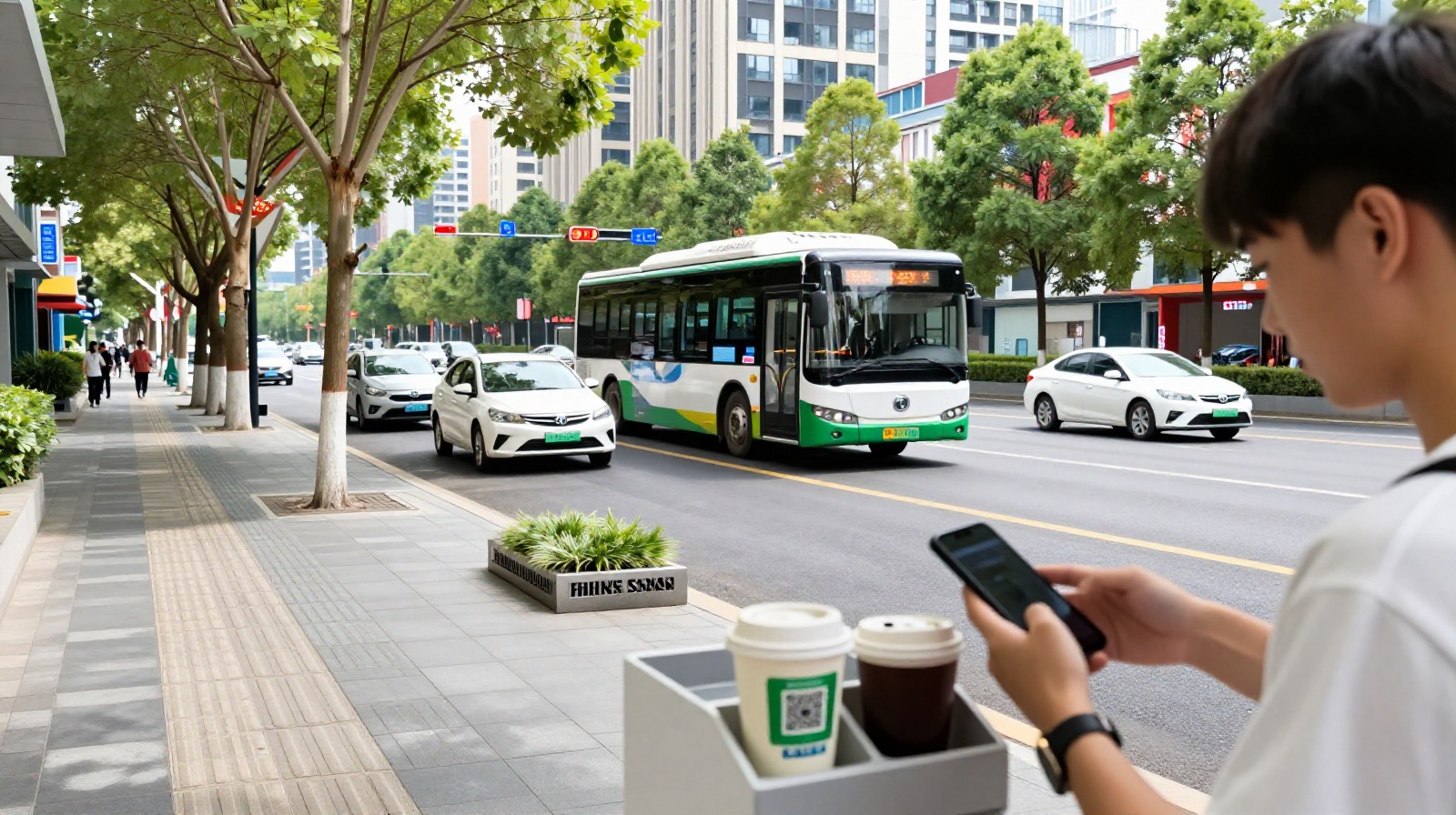
Imagine a young professional in Shanghai, Li Wei, walking into a convenience store. He doesn’t just grab his morning coffee; he brings his own reusable cup to fill with hot water from a smart dispenser. At the checkout, he scans a QR code that shows exactly how many kilograms of plastic he saved this month. For Li, this isn’t a performative act for social media. It is simply how life works now.
Five years ago, buying “green” meant paying extra for niche products or worrying about availability. Today, in China’s rapidly evolving markets, sustainability has quietly become the baseline expectation. It is no longer a luxury add-on; it is the standard operating procedure for millions of consumers across tier-1 cities and beyond.

Policy Push Meets Industrial Upgrade
Why did this shift happen so fast? The answer lies in a unique combination of top-down policy direction and bottom-up industrial innovation.
The Chinese government has set aggressive targets for carbon neutrality by 2060. But unlike abstract promises, these goals are translated into concrete incentives on the ground. Subsidies for electric vehicles (EVs), strict bans on single-use plastics in major cities, and tax breaks for companies adopting circular economy models have created a fertile environment.
More importantly, Chinese manufacturers didn’t just wait for regulations; they raced to meet them. Companies like BYD and CATL have turned the nation into the world’s largest producer of EV batteries and green vehicles. This scale drives costs down. An electric car that was once a premium product is now often cheaper than its gas-powered counterpart in total cost of ownership, thanks to lower maintenance and fuel savings.
Where Change Happens: Cars, Clothes, and Circles
The transformation is visible everywhere you look. In the automotive sector, the streets of Shenzhen are dominated by electric buses and taxis. For ordinary commuters, charging a car at home or using public fast-charging stations is as routine as refueling.
Beyond transportation, a new wave of “sustainable fashion” is emerging. Young consumers in Beijing and Chengdu are gravitating towards brands that use recycled materials or offer repair services. Apps like “Xianyu,” China’s second-hand marketplace, have turned used goods into a mainstream category. It is no longer stigmatized to buy a pre-loved jacket; it is seen as smart, thrifty, and eco-conscious.
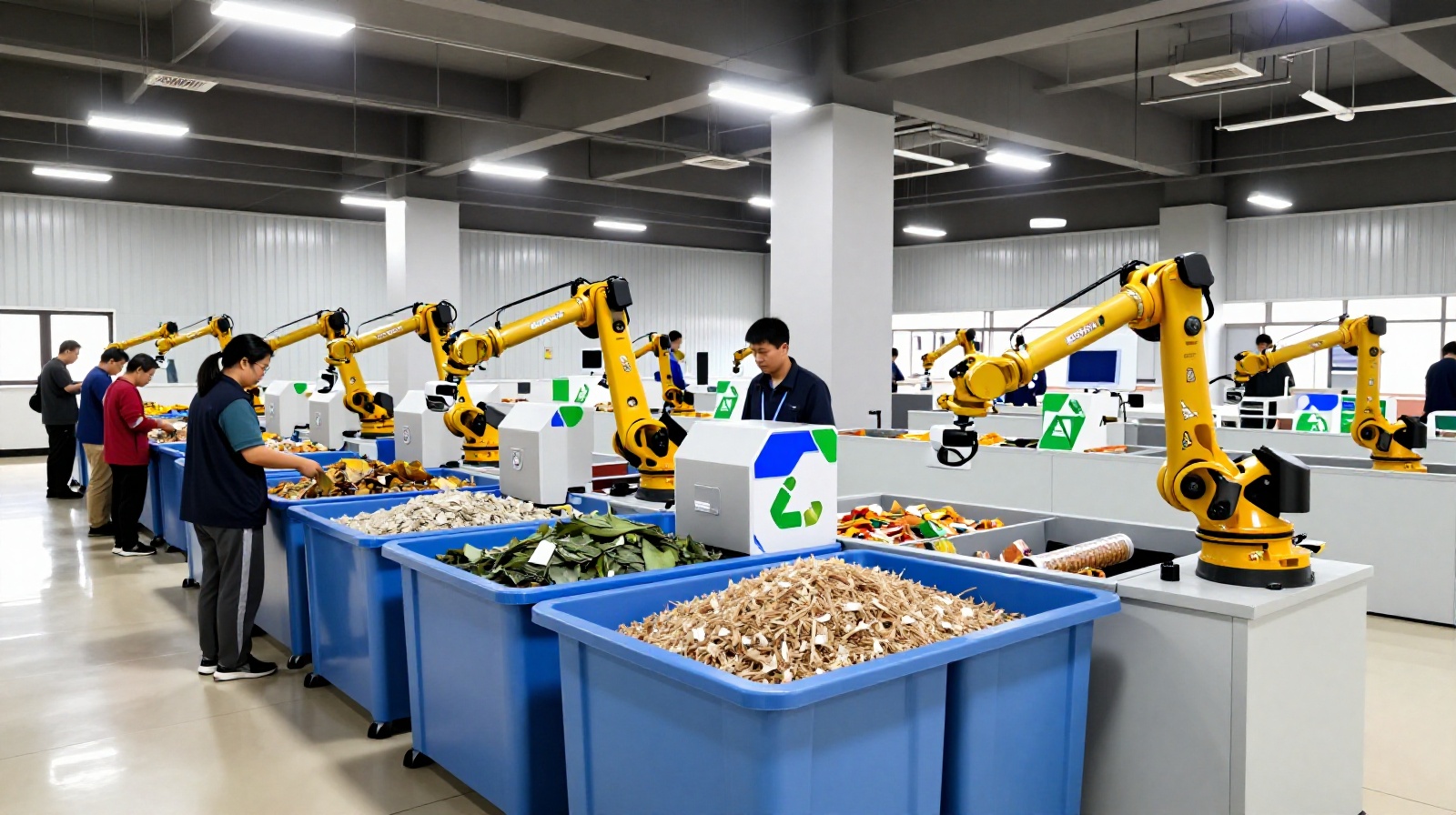
The concept of the circular economy—reuse, repair, recycle—is moving from factory floors to living rooms. Community recycling bins equipped with AI sorting systems are becoming common in apartment complexes, making waste separation effortless for residents.
Consumer Rationality: Values Behind the Choice
What does a typical Chinese consumer think about this? It is not just about idealism. For many, green choices are also rational economic decisions.
Li Wei explains that switching to an EV saved him over 10,000 yuan ($1,400) in fuel and maintenance costs last year. He also notes that the government’s digital tracking system makes it easy to track personal carbon footprints, turning abstract environmental concerns into tangible rewards like points redeemable for transit tickets or supermarket discounts.
This shift reflects a deeper change in values. The younger generation views sustainability not as a sacrifice, but as a marker of modernity and intelligence. They demand transparency. If a brand claims to be green, they expect proof—supply chain data, carbon labels, and third-party certifications—not just marketing slogans.
Looking Ahead: A Closed-Loop Ecosystem
The future points toward an even tighter integration of production and consumption. As technology improves, the line between “green” and “conventional” will blur entirely. We are moving towards a system where every product is designed for its next life from the moment it is created.
China’s experience offers a blueprint for how rapid industrialization and environmental stewardship can coexist. It proves that when policy, technology, and consumer demand align, green living stops being a trend and becomes a new standard for society.