

From Manpower to Algorithms: The Digital Shift
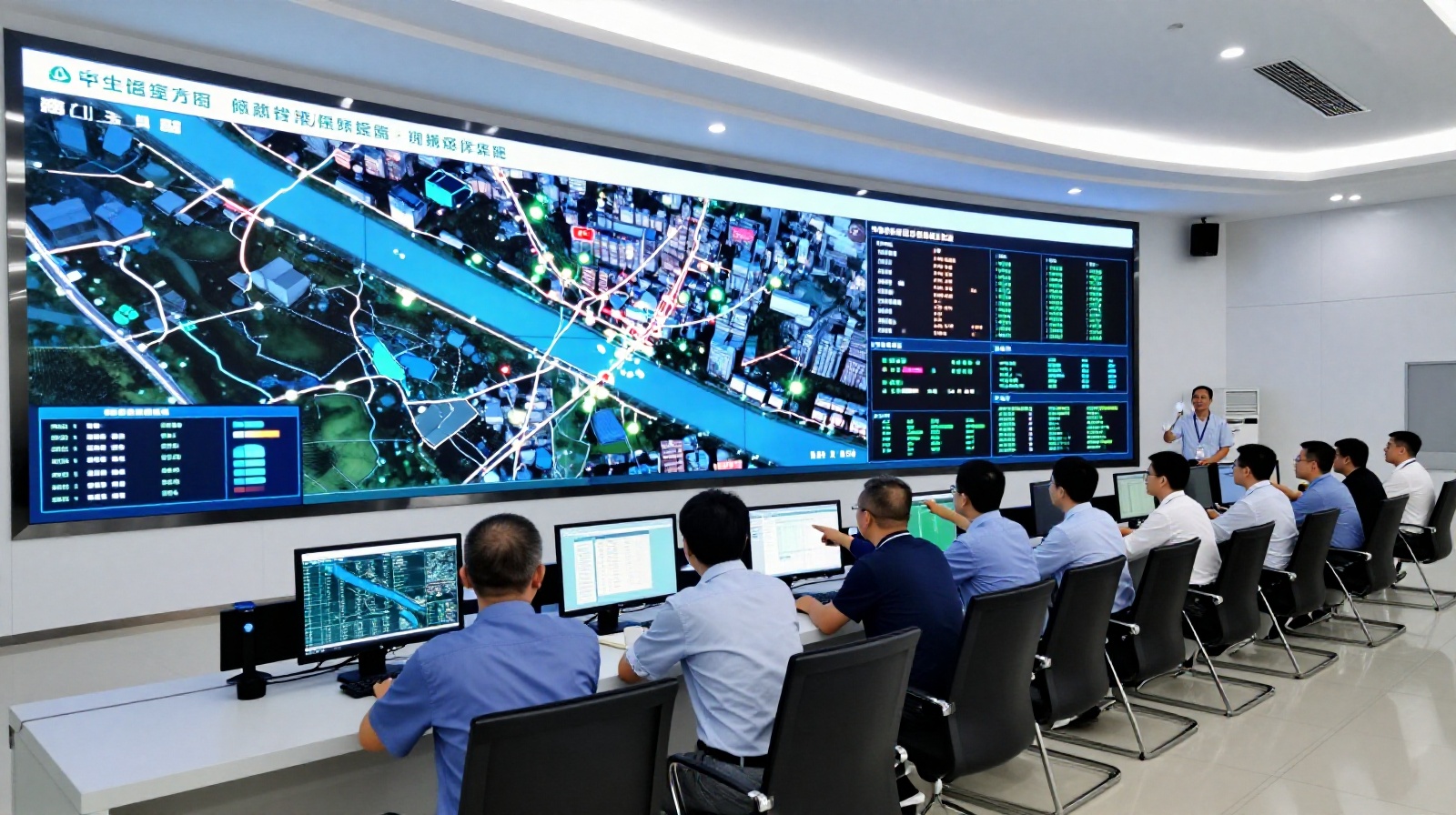
In the quiet town of Hengdian, Zhejiang Province, Li Wei isn’t walking the riverbanks with a notebook anymore. Instead, he sits in a control room filled with glowing screens, watching data streams flow like digital rivers. Three years ago, Li was part of a team that had to physically patrol 20 kilometers of waterways every day to check for illegal dumping. Today, thanks to sensors and AI algorithms, his team monitors the same stretch remotely, receiving instant alerts only when anomalies are detected.
This shift from “human defense” (人防) to “technological defense” (技防) is not happening in a vacuum. It reflects a broader transformation across China’s environmental governance. As the country faces the dual challenges of rapid industrialization and growing public demand for clean air and water, relying solely on manpower has become unsustainable. The solution? A massive digital infrastructure built on Artificial Intelligence (AI) and Big Data.
The Engine Room: AI Algorithms and Data Platforms
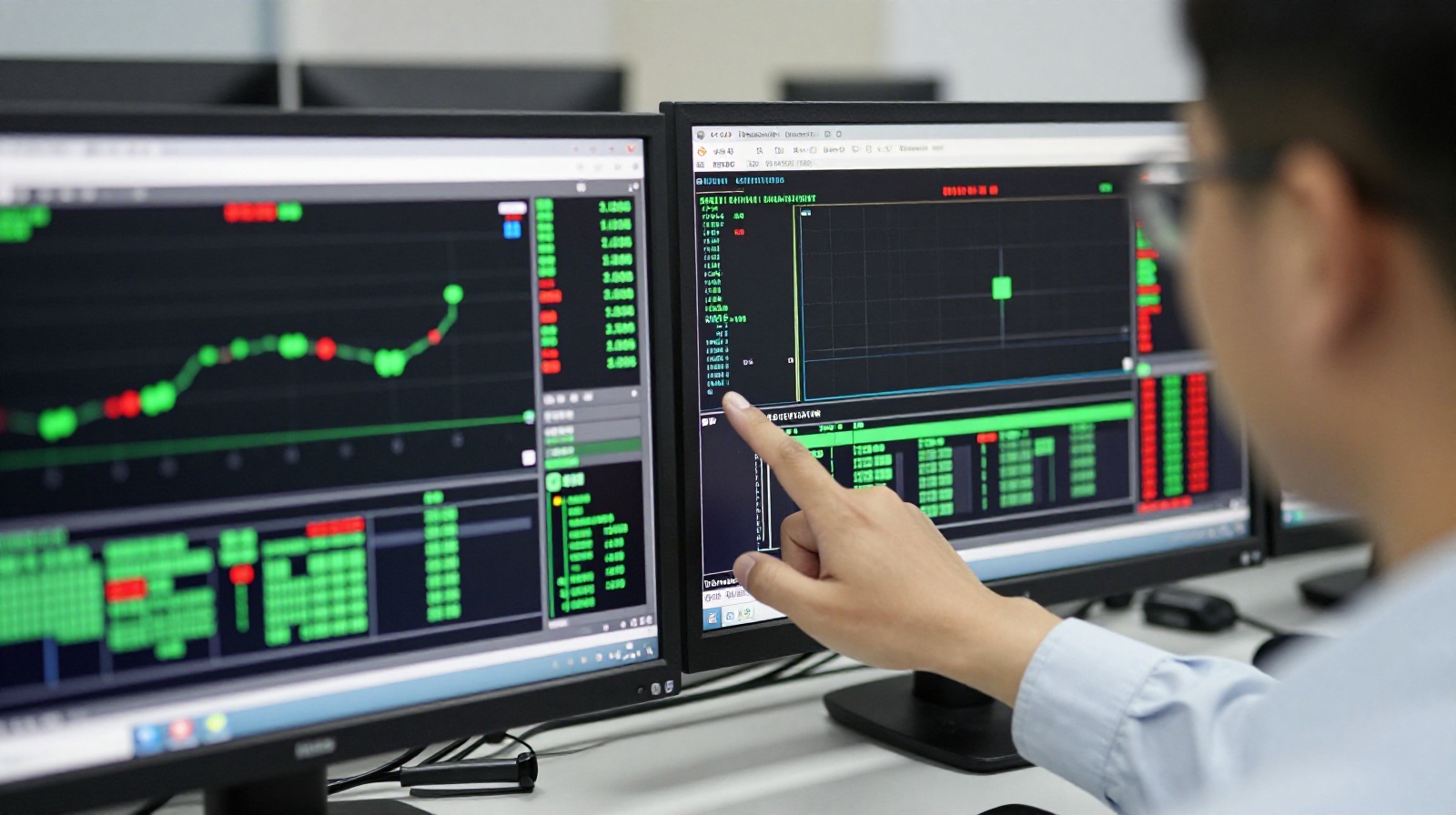
At the heart of this transformation are vast networks of sensors, satellite imagery, and cloud computing platforms. In cities like Beijing and Shanghai, thousands of air quality monitors work in tandem with weather stations. But it’s the AI that makes sense of the noise.
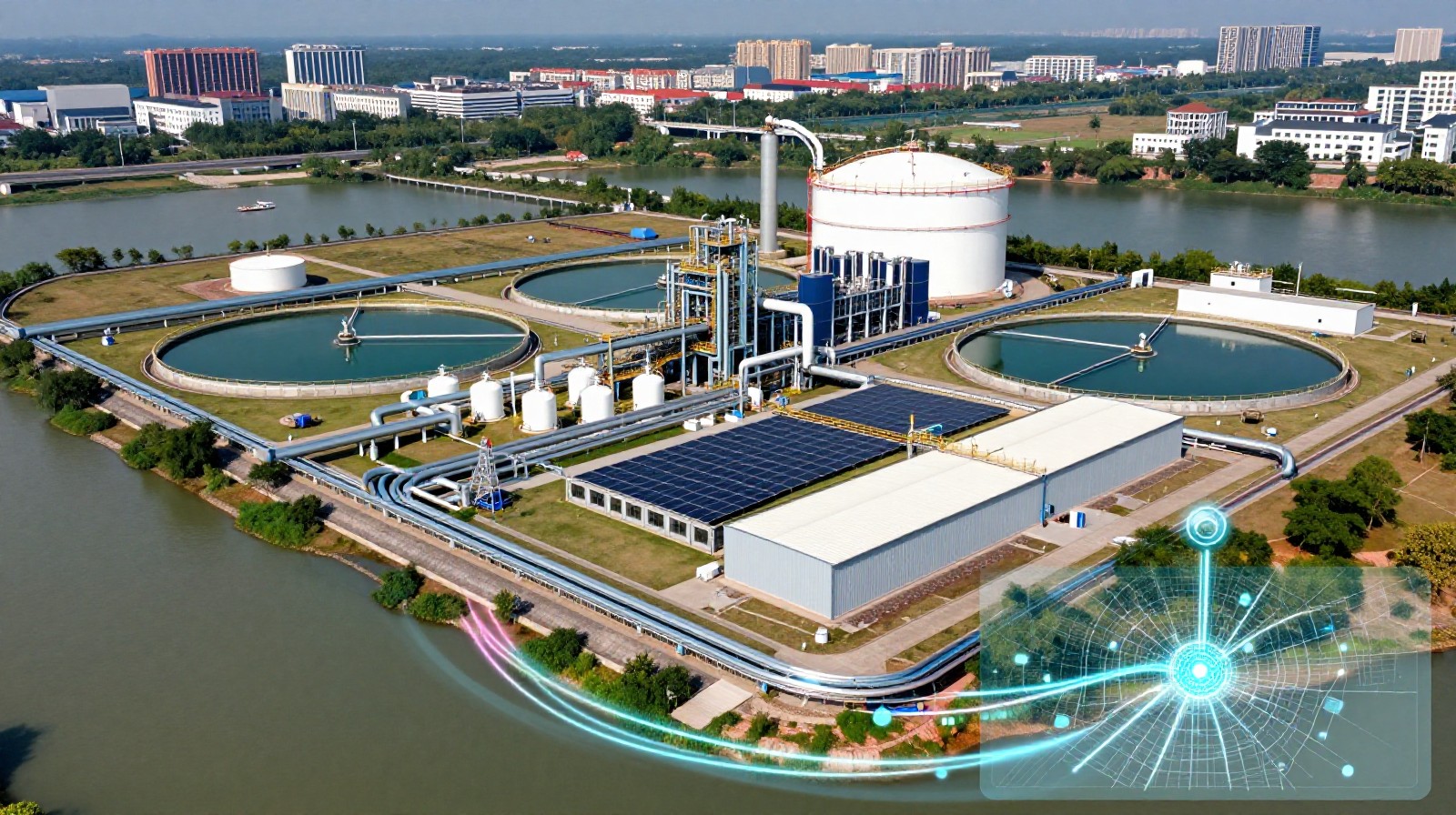
Consider a smart water treatment plant in Wuhan. Here, machine learning models analyze historical data on water flow, chemical composition, and rainfall patterns. Before a heavy storm hits, the system predicts potential overflow risks and automatically adjusts valve settings to prevent sewage from spilling into rivers. This isn’t just automation; it’s predictive intelligence.
The data doesn’t stop at the plant gates. A centralized “Environmental Brain” aggregates information from millions of sources—industrial emissions, traffic flow, even social media reports of foul odors. By cross-referencing this data, authorities can pinpoint pollution sources with surgical precision, distinguishing between natural dust storms and illegal factory discharges.
From Theory to Action: Real-World Impact
The true value of these systems is revealed in emergency response times. In the past, it could take days for a regional bureau to confirm a chemical leak after a citizen complaint. Now, IoT (Internet of Things) sensors detect the chemical signature instantly.
Take the case of the Yangtze River Basin. With over 200,000 environmental monitoring points deployed along its length, AI models now forecast pollution trends weeks in advance. When a factory in an upstream province attempts to bypass regulations, the system flags the anomaly based on energy consumption patterns and water discharge data. Local enforcement teams are dispatched within hours, often stopping violations before they cause significant damage.
Redefining Decision-Making and Compliance
The impact extends beyond catching polluters; it reshapes how policies are made and how businesses operate. For government officials, the shift to data-driven decision-making means ending the era of “guesswork.” Policies on carbon reduction or water conservation can now be tested in digital simulations before being rolled out in the real world.
For companies, the rules have changed too. In provinces like Jiangsu, factories are equipped with smart meters that report emissions directly to the government cloud. While this feels like surveillance to some, many manufacturers view it as a level playing field. A small workshop can no longer undercut larger competitors by secretly dumping waste, because the data proves otherwise. This transparency forces industries to upgrade their technology or face penalties, accelerating the transition to green manufacturing.
The Future: A Greener, Smarter Ecosystem
Looking ahead, the integration of AI and environmental protection is just beginning. Researchers are exploring how drones equipped with hyperspectral cameras can identify microplastics in oceans from above. Others are working on blockchain systems to ensure that carbon credit trading is tamper-proof.
The goal is not just cleaner air or water, but a sustainable ecosystem where technology serves as the guardian of nature. As Li Wei watches his screens in Hengdian, he sees more than just numbers; he sees a river finally healing itself through the power of code and data. This new paradigm suggests that for China, the path to sustainability is not just about stricter laws, but about smarter tools.