
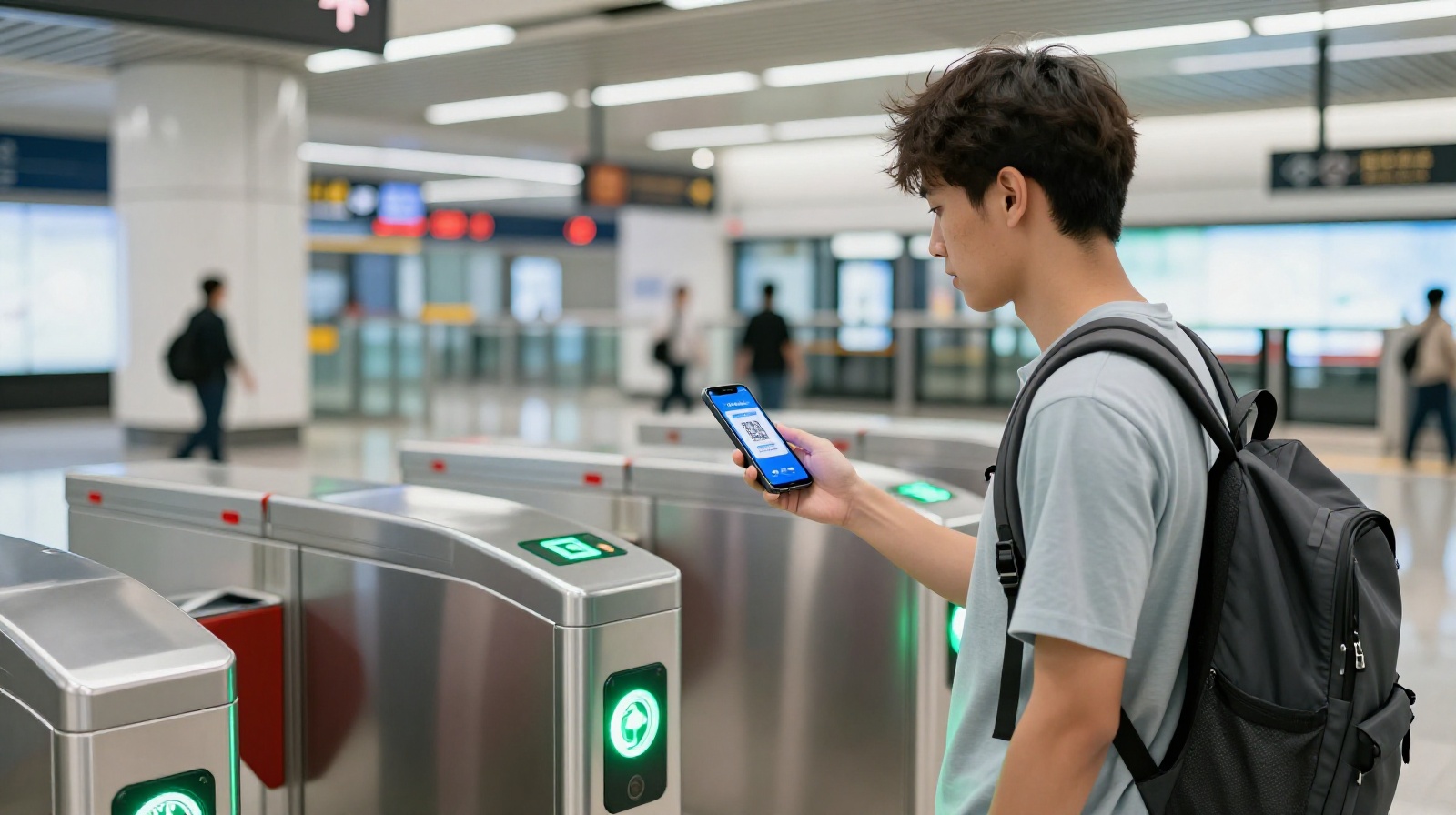

The End of the Ticket Machine
Imagine stepping off a high-speed train in Xi’an. You want to take the subway to your hotel, but you don’t have local cash, and you certainly don’t want to spend twenty minutes navigating a confusing ticket machine interface that only speaks Chinese. In most countries, this is where you’d start looking for a tourist information center or struggle with a vending machine.
In China, that friction has largely disappeared. Instead of buying a card in every new city, millions of people use their smartphones to pay for rides on buses and subways across the country. The key tool isn’t even a dedicated transport app—it’s Alipay.
Why Alipay is Your Best Friend
For travelers, the biggest headache with Chinese digital payments is usually language barriers and fragmentation. You might find that WeChat Pay works everywhere, but for transit specifically, the experience can be clunky if you don’t have a Chinese bank card linked directly.
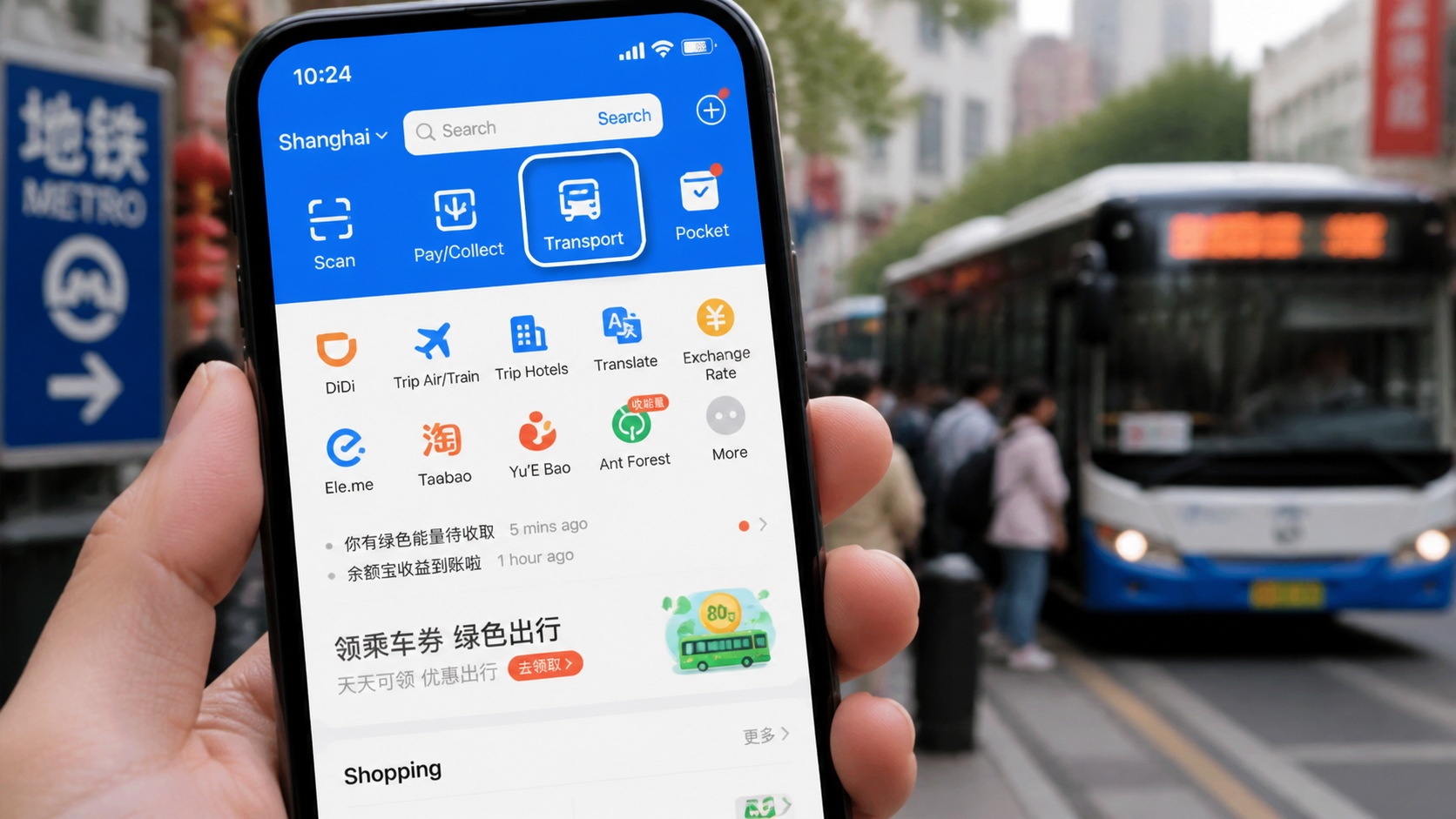
Alipay solves this by creating a “Transit” hub within its main app. Think of it as a digital Swiss Army knife. Whether you are in Shanghai, Beijing, Guangzhou, or even smaller cities like Chengdu or Hangzhou, the same interface works. You don’t need to download local transit apps for each city, which would fill up your phone storage and require multiple logins.
How to Set It Up (Step-by-Step)
The process is surprisingly simple, even if you don’t read Chinese characters. Here is how Li Wei, a frequent business traveler, does it every time he lands in a new city:
- Open Alipay: Launch the main app on your phone.
- Find “Transport” or “Chuxing”: Look for an icon that looks like a bus, train, or subway line. It is usually located at the top of the homepage under a row of colorful icons. If you can’t find it, use the search bar and type “Transit Code” or “Chengche Ma” (乘车码).
- Select Your City: This is the most critical step. The app will automatically detect your location, but sometimes it fails. Tap the city name at the top of the screen to manually select the current city you are in.
- Activate the Code: You may be asked to agree to an “Auto-Deduction” service. This is standard. It allows Alipay to automatically charge your linked international credit card (Visa or Mastercard) after each ride. Click “Agree” or “Enable.”
Scanning and Riding
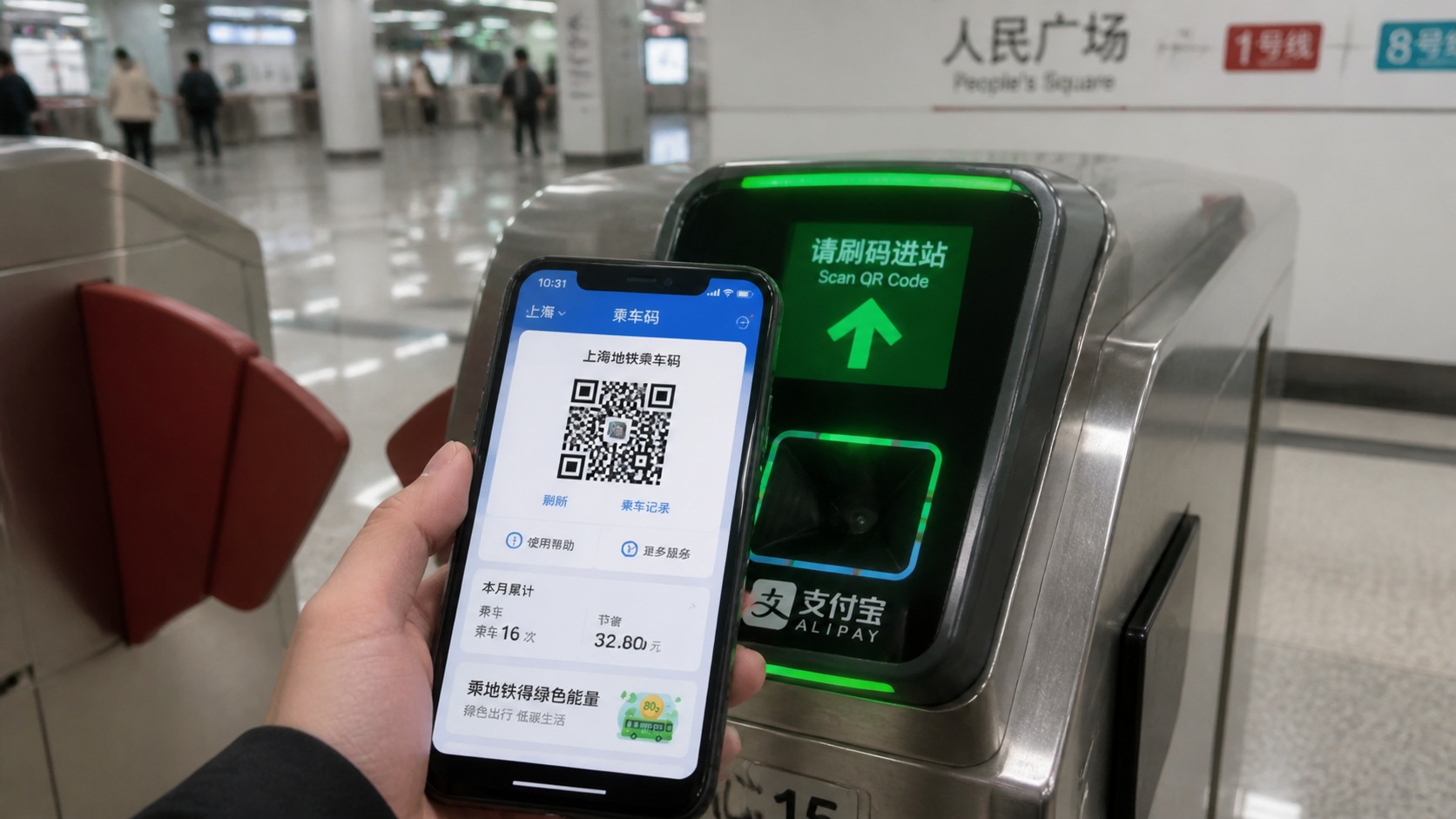
Once set up, you are ready to go. When you arrive at the subway gate or bus entrance, look for the QR code scanner slot. It is usually marked with a green light or a small screen displaying a large QR code.
Open your Alipay app, tap the “Transport” icon again, and ensure the correct city is selected. A unique QR code will appear on your screen. Hold your phone up to the scanner. Beep. The gate opens. Done.
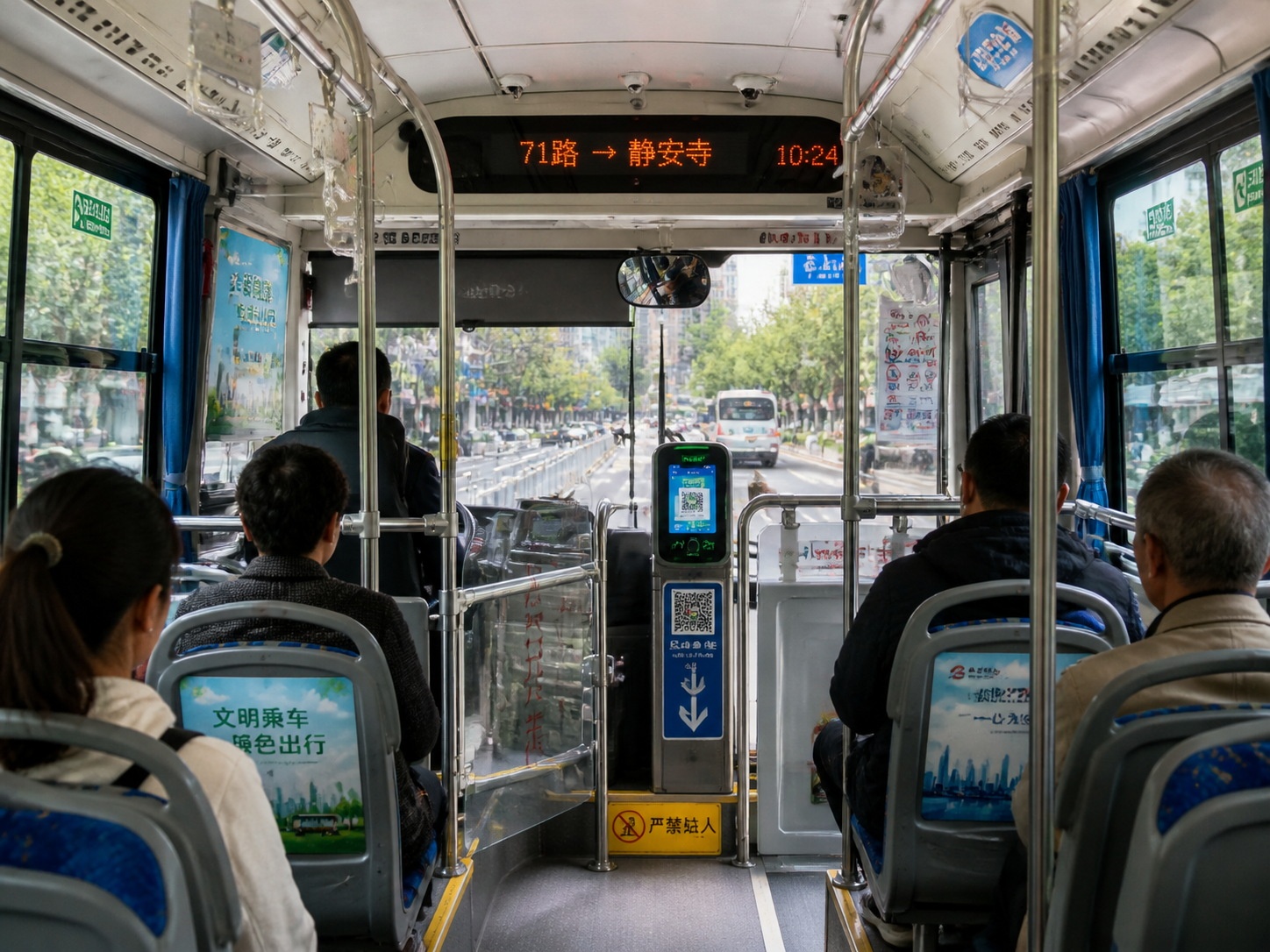
For buses, it’s even easier. Most modern buses in China have scanners mounted near the driver or at both doors. Just scan when you board and again if required by local rules (though most city buses only require one tap). You will hear a voice prompt saying “Payment Successful” in Chinese.
Coverage: How Far Does It Reach?
You might wonder if this works everywhere. The answer is: almost everywhere you are likely to visit as a traveler. Alipay’s transit code system covers over 300 cities across China, including all tier-1 and tier-2 metropolises like Beijing, Shanghai, Shenzhen, Chengdu, Wuhan, and Xi’an.
It also extends to many county-level cities and rural areas with public bus networks. If a city has a modernized transit system, there is a 95% chance Alipay works there. The only exceptions are extremely remote villages or legacy routes that still rely on paper tickets or cash-only drivers.
Advantages Over Physical Cards
Why use Alipay instead of buying a physical transport card? First, convenience. You don’t need to carry change. Second, cost. Many cities offer small discounts (usually 5-10%) for using digital codes compared to cash fares. Third, security. If you lose your phone, your money is safe in the cloud. If you lose a physical card, that’s it—gone forever.
Troubleshooting and Tips
While the system is robust, two things can go wrong:
- No Internet Connection: QR codes need to refresh. If you are in a subway tunnel with no signal, your code might freeze. Solution: Before entering the station, pull down on your screen to force an update of the QR code while you still have 4G/5G coverage.
- Older Buses: In rare cases, a bus driver’s scanner might be old and only accept specific local codes. If Alipay doesn’t work, simply show your phone with cash ready to pay the exact fare. It is not ideal, but it happens infrequently in major cities.
The Bottom Line
Using Alipay for transit transforms travel in China from a logistical puzzle into a smooth experience. It removes the anxiety of “how do I pay?” and lets you focus on seeing the city. By setting up your transit code once, you unlock access to one of the world’s most extensive public transportation networks with just a tap.