

From Words on a Wall to Life on the Street
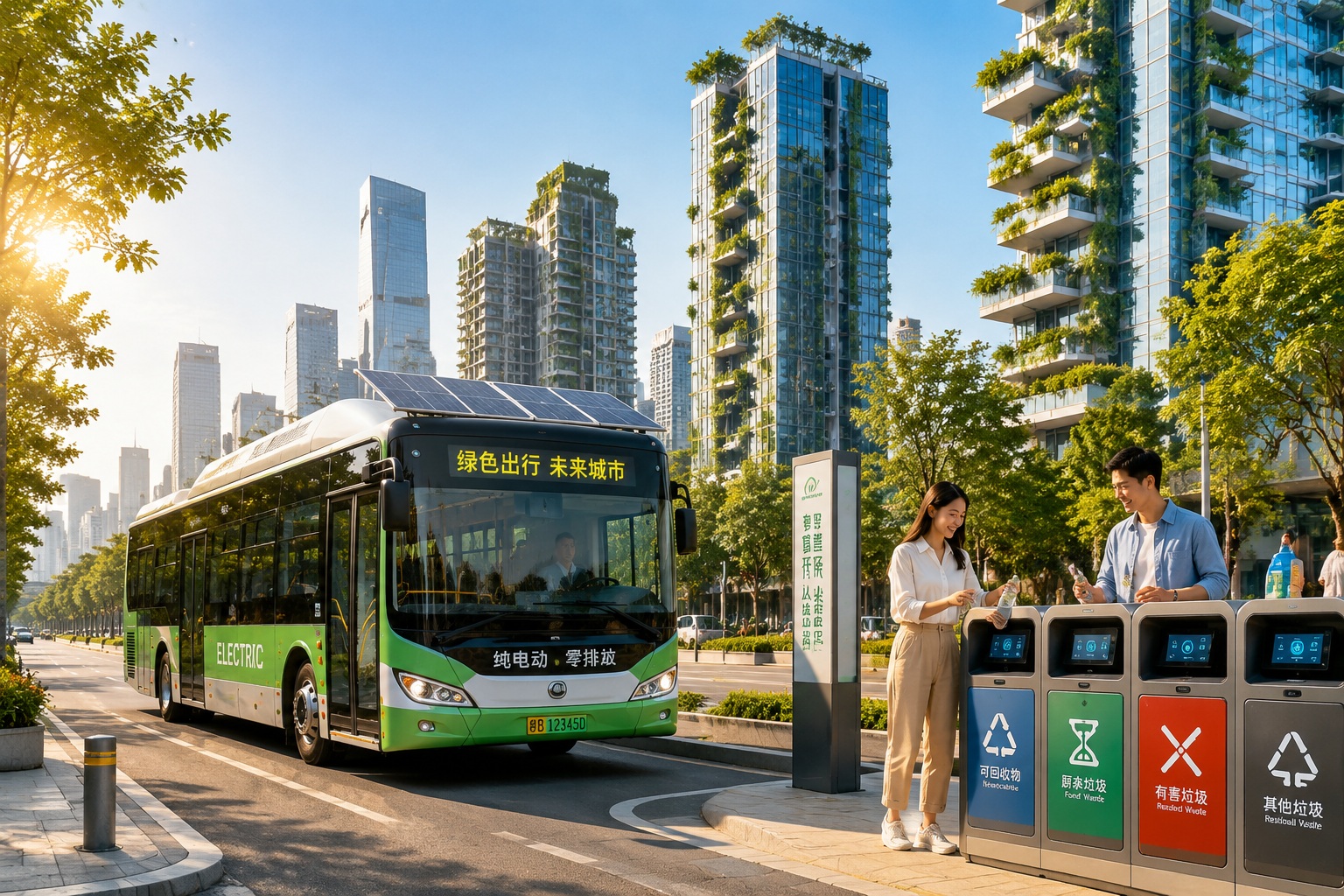
In 2019, Li Wei, a commuter in Chengdu, often complained about the gray haze that blanketed his city during winter. Today, he rides an electric bus through streets lined with solar-powered streetlights and breathes air that is measurably clearer. The change didn’t happen because of a poster on a government building; it happened because of a silent revolution in technology moving through his daily commute.
For decades, environmental protection was often treated as a slogan or a distant policy goal. But if you walk through Chinese cities today, the narrative has shifted. We are no longer just talking about “saving the planet” in abstract terms. We are seeing solar panels integrated into apartment balconies, electric vehicles replacing diesel trucks on highways, and AI-driven systems sorting trash before it even hits a landfill.
The Global Crisis Meets Local Solutions
China faces environmental challenges similar to the rest of the world: rapid urbanization, rising energy demand, and the urgent need to reduce carbon emissions. However, the scale is unique. With over 1.4 billion people and a massive manufacturing base, the impact of every ton of carbon saved or every drop of water recycled is multiplied exponentially.
Unlike previous decades where green policies were often slow to implement due to cost concerns, the last five years have seen a dramatic shift. The cost of solar energy has plummeted globally, making it cheaper than coal in many parts of China. This economic reality has driven rapid adoption, turning environmental goals into profitable business opportunities.
Technology That Actually Works
The transformation is happening across three key areas where technology is moving from the lab to the street.
Clean Energy at Scale
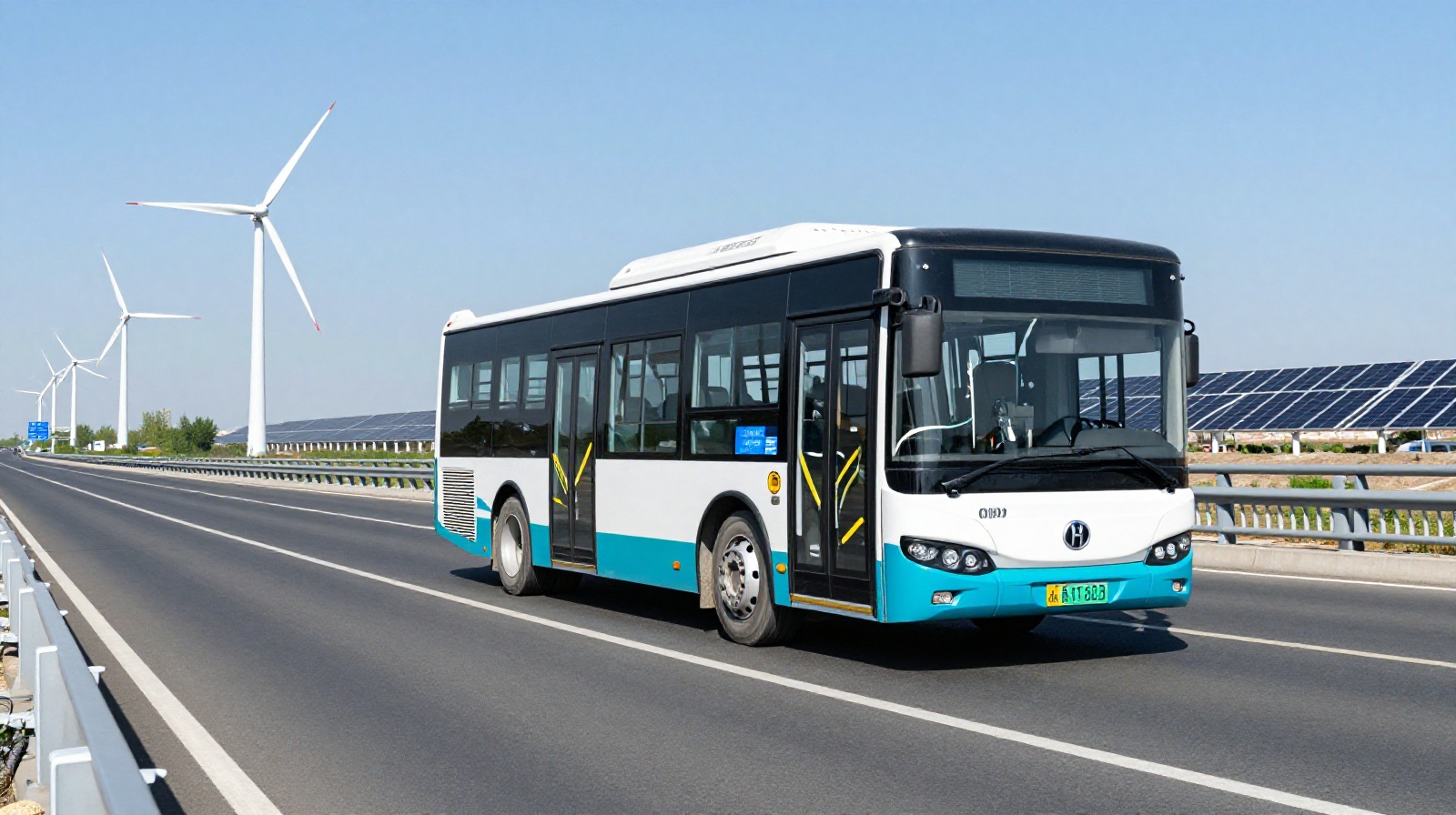
It’s not just about massive solar farms in the desert anymore. You can now find photovoltaic glass on skyscrapers in Shanghai and micro-grids powering remote villages in Yunnan. Hydrogen fuel cell buses are quietly rolling through Beijing’s streets, emitting only water vapor. The technology is no longer experimental; it is the backbone of daily transport.
Carbon Capture: Turning Waste into Resource
In industrial zones around Tangshan, steel plants are installing carbon capture units that suck CO2 from smokestacks. Instead of releasing it into the atmosphere, the gas is compressed and injected underground or converted into useful chemicals for agriculture. This isn’t science fiction; it’s a standard operational procedure in many heavy industries now.
Smart Waste Management
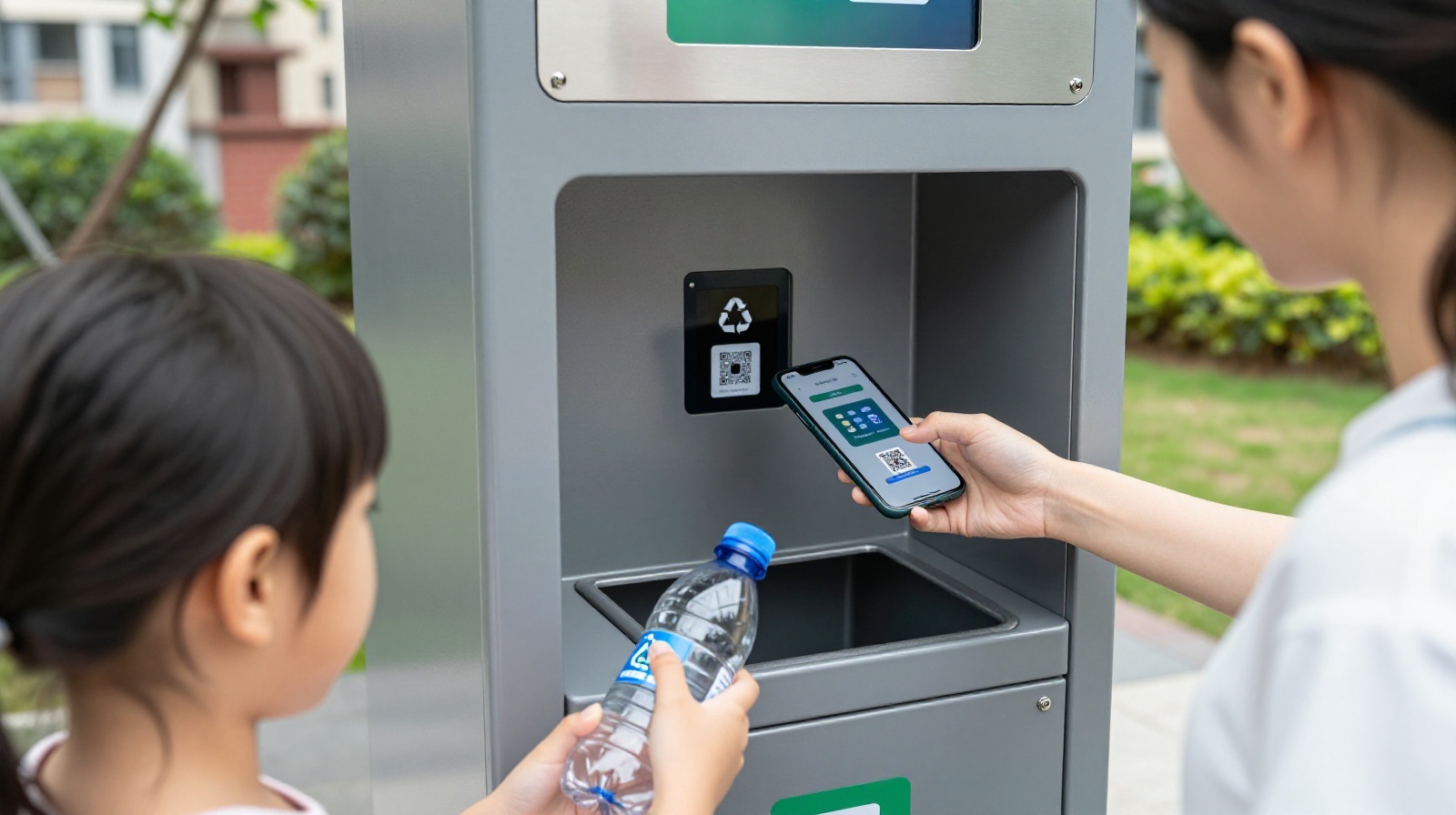
In residential communities across Hangzhou and Shenzhen, smart bins are becoming common. Residents scan their phones to dispose of waste, earning digital points that can be exchanged for daily goods like rice or detergent. AI cameras inside these bins automatically sort recyclables from non-recyclables with high accuracy, reducing the need for manual sorting and increasing recycling rates significantly.
Real Stories of Change
Taking a closer look at a typical neighborhood in Hangzhou reveals the depth of this shift. In 2021, the local community installed a smart waste station. Within six months, the amount of recyclables collected doubled. Residents who previously just tossed everything into one bag now have to separate their plastic, paper, and glass.
“It took some getting used to,” says Zhang Min, a mother of two living in the area. “But seeing the app show our family’s contribution to reducing waste makes me feel part of something bigger. Plus, my kids are learning about recycling at school.” The integration of technology with community behavior has created a feedback loop that reinforces good habits.
Everyone Has a Role to Play
The most impressive aspect of China’s green transition is its inclusivity. It isn’t just for scientists or policymakers. Through mobile apps, ordinary citizens can track their carbon footprint, report pollution incidents, and even participate in local tree-planting projects.
Young entrepreneurs are launching startups focused on sustainable fashion, plant-based meats, and circular economy models. Consumers are increasingly voting with their wallets, choosing products made from recycled materials or those with lower carbon footprints. The market is driving the change as much as the government mandates it.
A Shared Future
The journey toward a sustainable future is not without challenges. There are still disparities between coastal cities and inland regions, and the transition requires constant investment and innovation. However, the momentum is undeniable.
By combining policy support with cutting-edge technology and public participation, China is proving that environmental protection can be practical, profitable, and deeply integrated into daily life. For the rest of the world, this offers a valuable lesson: when technology meets human needs, real change follows.
Start the discussion at forum.chinacomes.com