


The Safety Paradox in Modern China
If you’ve been to China recently, the first thing that probably confused you wasn’t the language barrier or the sheer volume of people. It was likely this: Why does everyone feel so… unbothered?
I remember my first late-night walk in Shanghai. It was 2 AM. The streets were clean, lit by bright LED lights, and bustling with runners, street vendors packing up their scallion pancakes, and groups of friends laughing outside hotpot restaurants. I was clutching my phone like a shield, expecting some kind of thriller movie plot to unfold. Instead, an elderly couple asked me for directions to the nearest subway station with polite curiosity.
This is the “safety paradox” many foreigners face. Western media often paints China as a place of strict surveillance and potential danger for outsiders. But living here reveals a different reality: one where safety is so normalized it becomes invisible. It’s not magic; it’s infrastructure, social norms, and digital integration working together.
Myth 1: ‘It’s Too Dangerous to Walk Alone at Night’
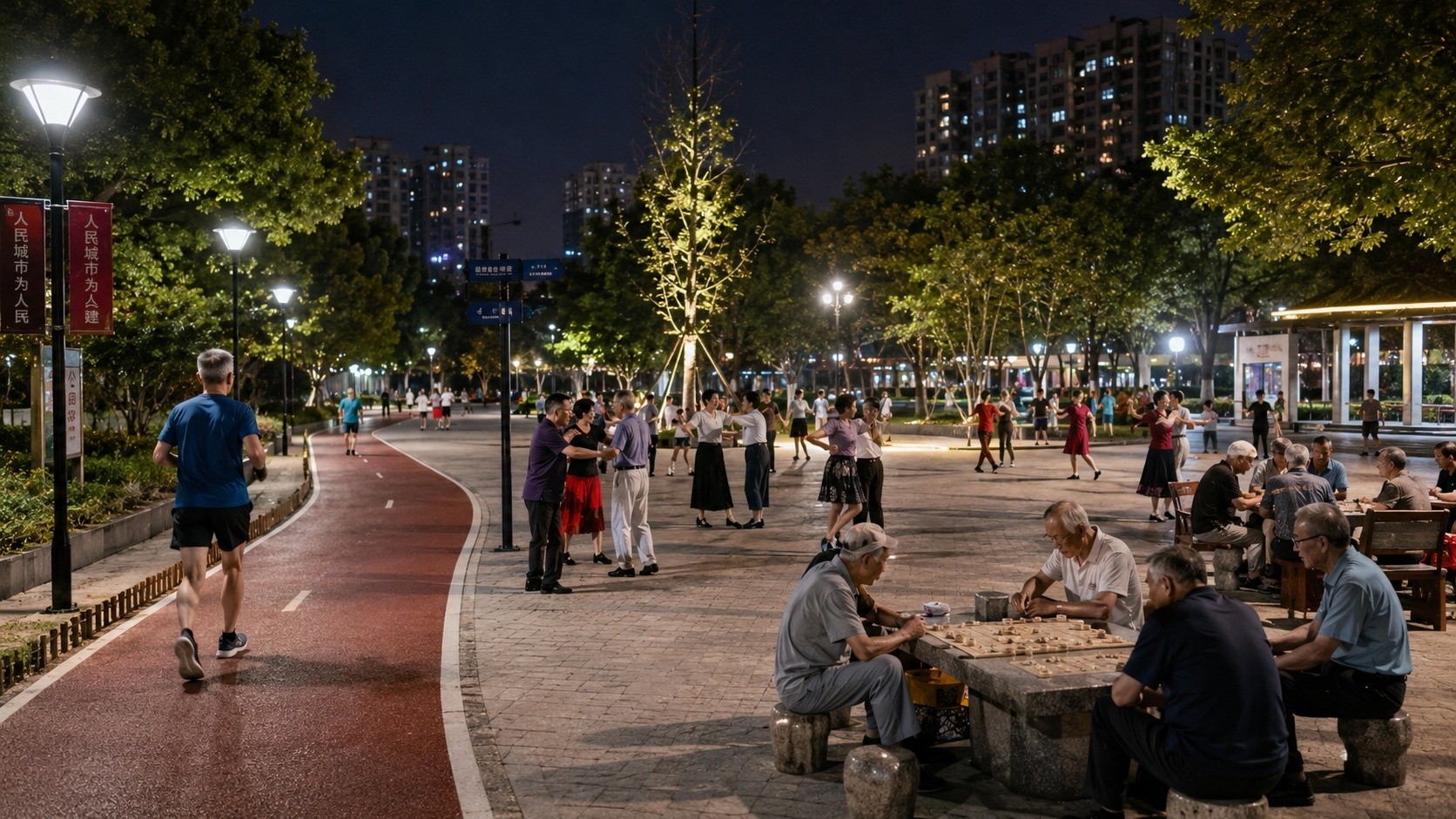
The biggest shock for new expats is the ability to walk alone at any hour. In many major Western cities, certain neighborhoods become no-go zones after dark. In Chinese cities like Beijing, Shanghai, or Chengdu, night life doesn’t stop; it just changes form.
This isn’t because crime has disappeared, but because the cost of committing it in public spaces is incredibly high. China has one of the highest densities of surveillance cameras per capita in the world. These aren’t just for catching criminals; they act as a powerful deterrent. If you drop your wallet on a busy street in Guangzhou, someone will likely pick it up and hand it to the nearest police booth or store owner, knowing that facial recognition and CCTV can trace where it went next.
Safety here is a byproduct of high social order. You see people playing chess in parks at 3 AM. You see solo female travelers hiking trails without fear. The streetlights are bright, the foot traffic is constant, and the presence of community policing is real but often low-key. It creates an environment where “solo travel” isn’t a risk assessment; it’s just Tuesday.
Myth 2: ‘You Will Be Scammed or Robbed Constantly’
The fear of petty theft—pickpockets, bag snatching—is deeply ingrained in the travel psyche. Yet, in China, physical cash is becoming a relic. Thanks to the dominance of Alipay and WeChat Pay, most people carry nothing but their phones.
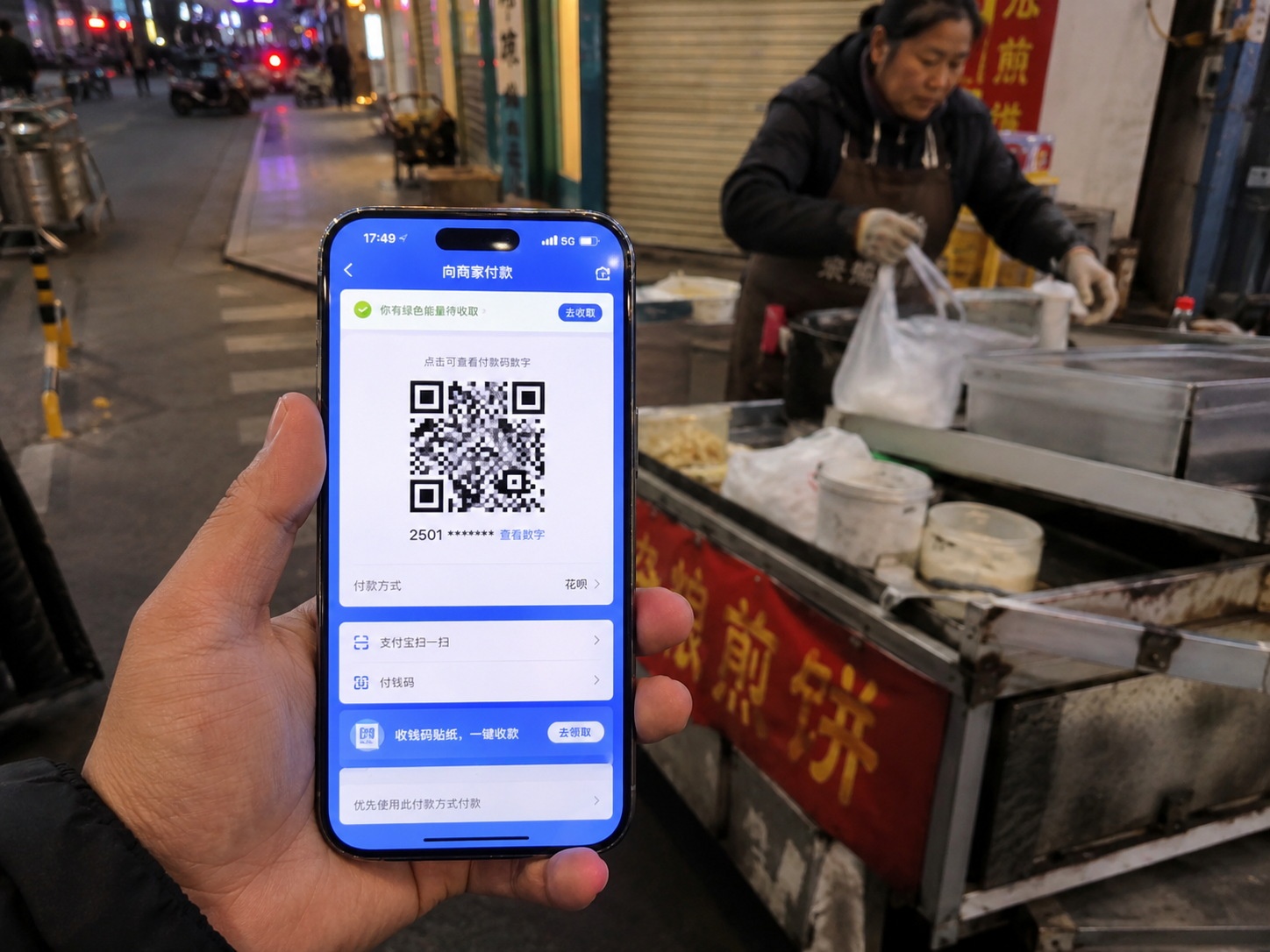
This digital shift has drastically reduced street crime. You can’t steal what isn’t there. If you lose your phone, that’s a disaster, but if you drop a 10-yuan note on the sidewalk (which happens rarely), it’s more likely to be picked up by someone who will try to return it or hand it to the police. The social reward for honesty is high because everyone is connected digitally; anonymity, which often fuels anonymous crimes, is shrinking.
Of course, scams exist—but they’ve moved online. Be careful with phishing links and fake customer service calls. But walking down a street in Shenzhen? You are statistically safer from a mugger here than in many parts of Europe or North America. The threat has simply migrated from the physical to the digital realm.
Myth 3: ‘Public Transport is Chaotic or Unsafe’
If you imagine chaotic buses and dangerous subways, think again. China’s urban transit systems are engineering marvels of efficiency and safety.
Tier-1 cities like Shanghai have the world’s largest subway networks. They are clean, air-conditioned, and incredibly punctual. Security checks are rigorous—think airport-style screenings for bags—but they ensure that nothing dangerous enters the system. Platform screen doors prevent falls onto tracks, a feature not all Western metros boast.
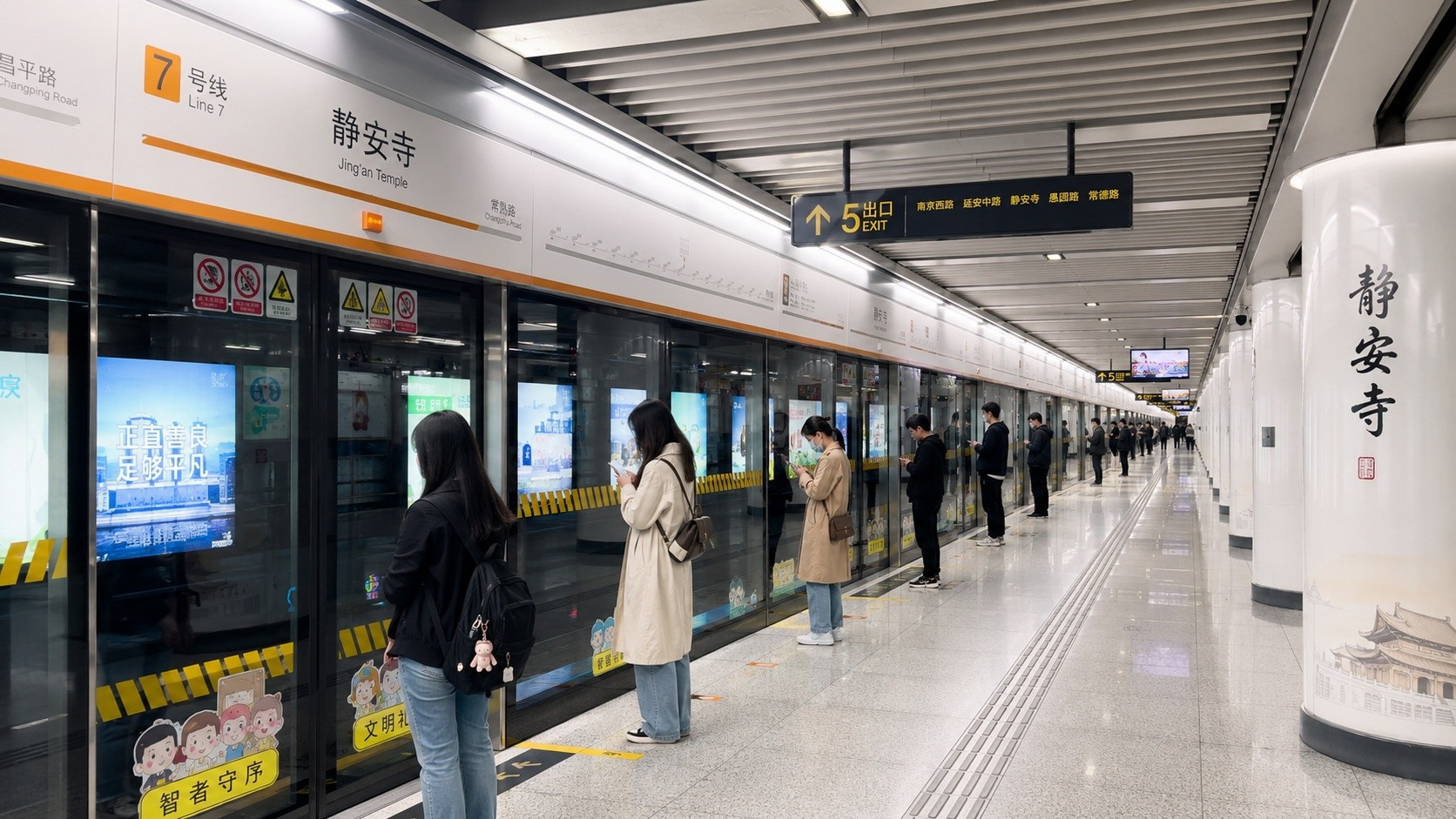
There’s also a cultural nuance: during morning and evening rush hours, some stations designate “female-only” carriages. This isn’t about segregation; it’s a practical response to harassment concerns in crowded spaces. It shows how public safety is managed through both technology and social policy.
Buses are clean and safe, though traffic can be dense. Pedestrians generally follow rules more strictly than in many Western countries, which adds to the overall sense of order. You don’t need to look over your shoulder; you just need to know how to scan a QR code.
Myth 4: ‘You Can’t Order Food or Deliver Packages Safely’
The delivery economy in China is on another level. Apps like Meituan and Ele.me allow you to order anything from street food to electronics, delivered to your door in minutes.
Newcomers often worry about the safety of this system: Are these riders reliable? Is my data safe? The answer is yes, for both. Delivery riders are integrated into a highly rated digital ecosystem. A rider’s livelihood depends on their rating score. If they steal your package or damage your food, they lose income instantly. This creates a self-regulating market where reliability is paramount.
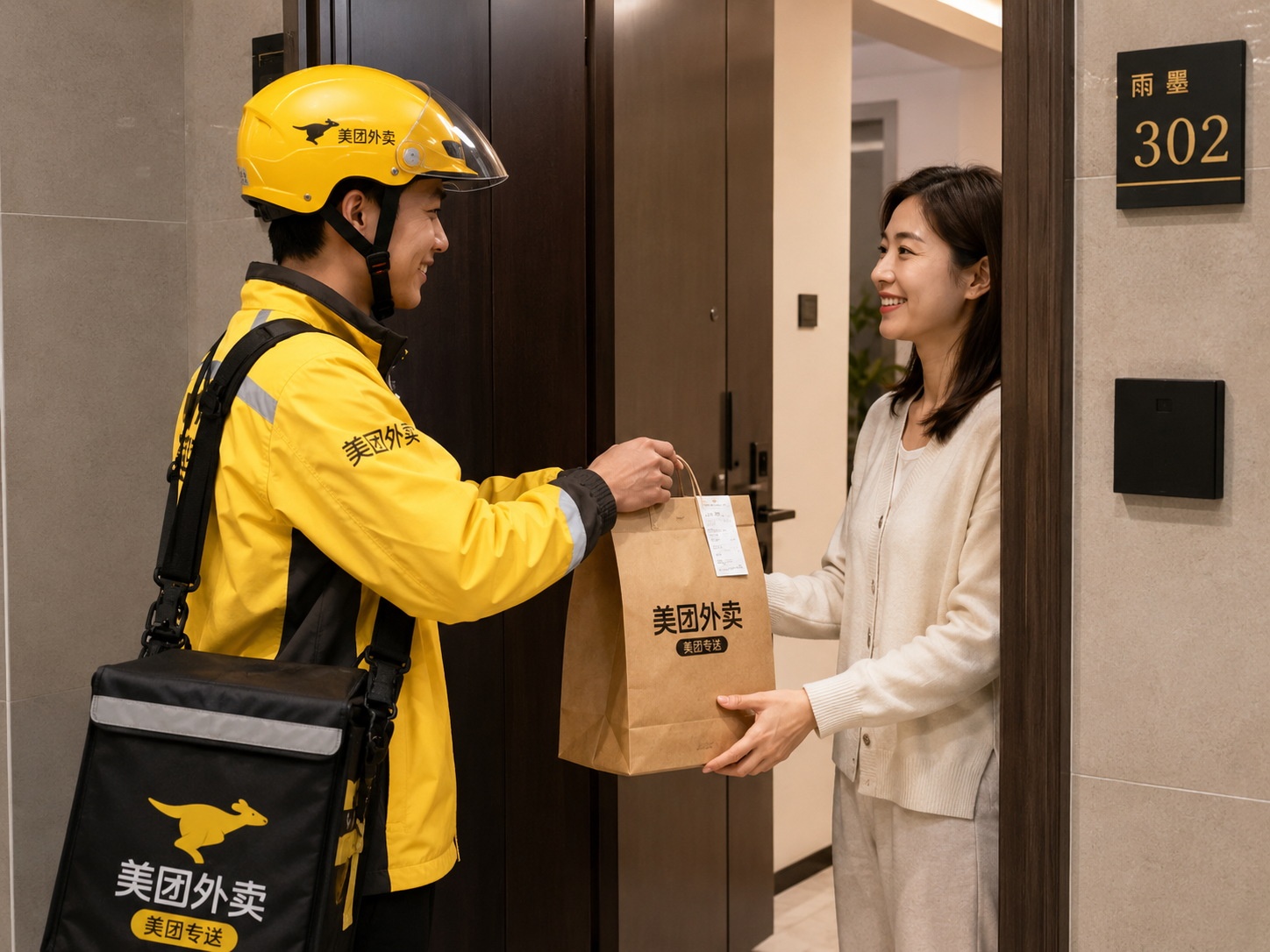
Moreover, the “contactless delivery” option has become standard. You can leave instructions like “leave at the front desk” or “hang on the door handle,” and the rider will comply. This reduces face-to-face interactions to a minimum, which many people prefer for privacy and convenience. It’s not just convenient; it’s a safe, predictable transaction loop.
Myth 5: ‘It’s Hard for Foreigners to Integrate or Feel Safe in Rural Areas’
The fear of being an outsider in less cosmopolitan areas is real. Language barriers exist, and you won’t find English menus in a village in Yunnan. But hostility? Rarely.
In smaller towns and rural villages, foreigners are often treated with genuine curiosity and hospitality. People might ask to take photos with you or invite you for tea. It’s less about “safety” in the police sense and more about community warmth. While you should always respect local customs and be aware of your surroundings, the idea that rural China is dangerous for outsiders is largely a myth.

Safety as a Silent Foundation of Daily Life
Safety in China isn’t just about police presence; it’s embedded in the code of our apps, the design of our subways, and the habits of our streets. It’s a silent foundation that allows life to flow smoothly.
For foreigners, adjusting to this level of safety can be strange at first. You might feel “too” safe, or worry that something is missing because you aren’t hyper-vigilant. But over time, it becomes normal. The key is to look beyond the headlines and experience the quiet confidence of daily life here.
So, are you planning a trip? Or living here? Don’t let outdated myths keep you from experiencing one of the most dynamic places on Earth. And if you’re still nervous about walking alone at night? Just remember: in China, you’re probably safer than you are in your own backyard.