

The New TV Shopping
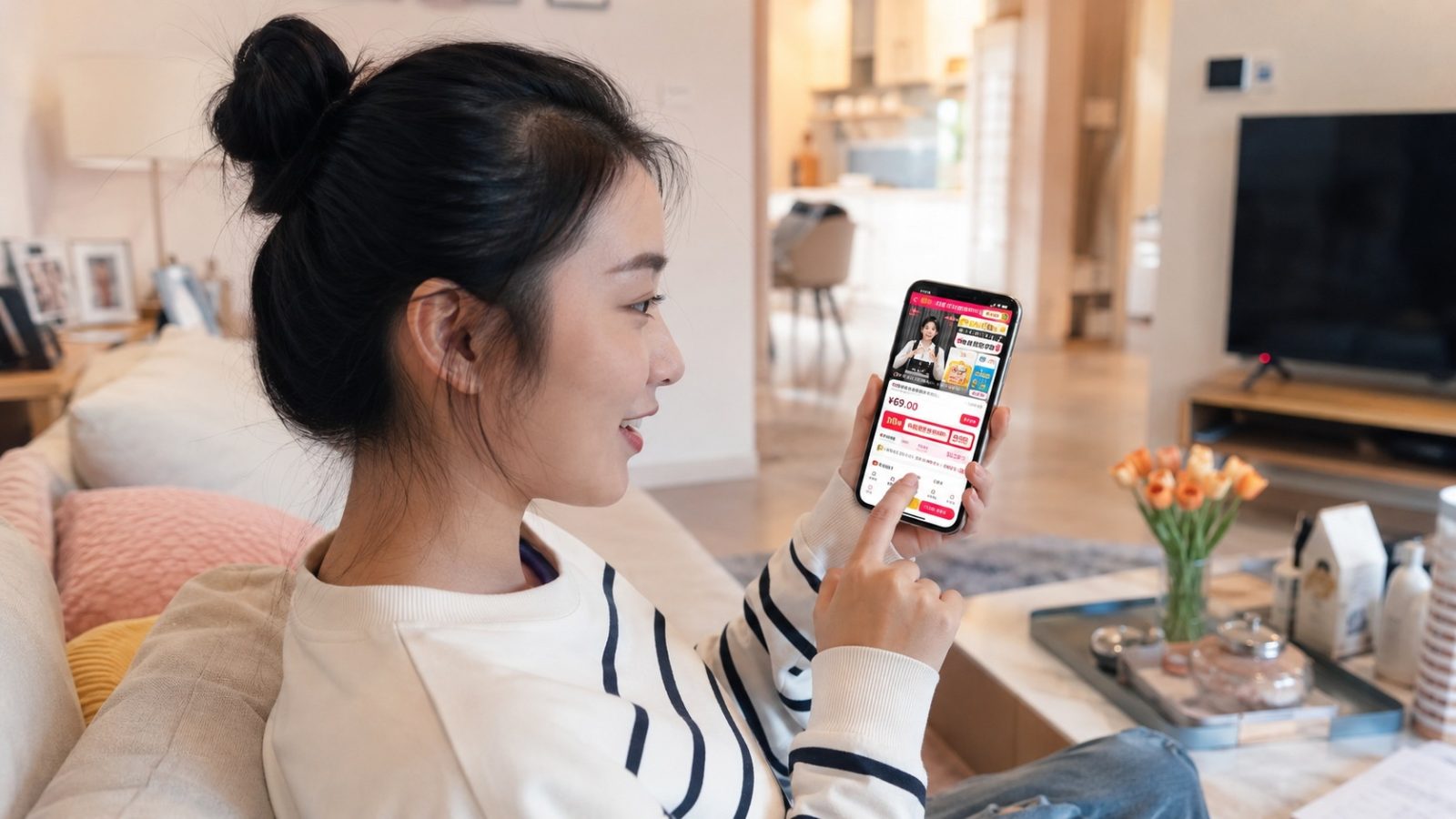
Imagine watching your favorite variety show, and suddenly the host doesn’t just talk about a product—they open a warehouse door, grab a shirt off a rack, and shout, “Five hundred units left!” You tap one button on your phone, and it’s yours. This is Douyin livestream shopping.
For Western audiences used to scrolling through static images on Amazon or Instagram, this can feel overwhelming. It’s loud, fast, and incredibly immersive. But it’s not magic; it’s a highly engineered sales funnel that has become the default way millions of Chinese people buy everything from cheap socks to luxury cars.
Unlike traditional e-commerce where you search for what you need, Douyin pushes products to you based on what keeps you watching. It turns consumption into entertainment.
Inside the Livestream Room
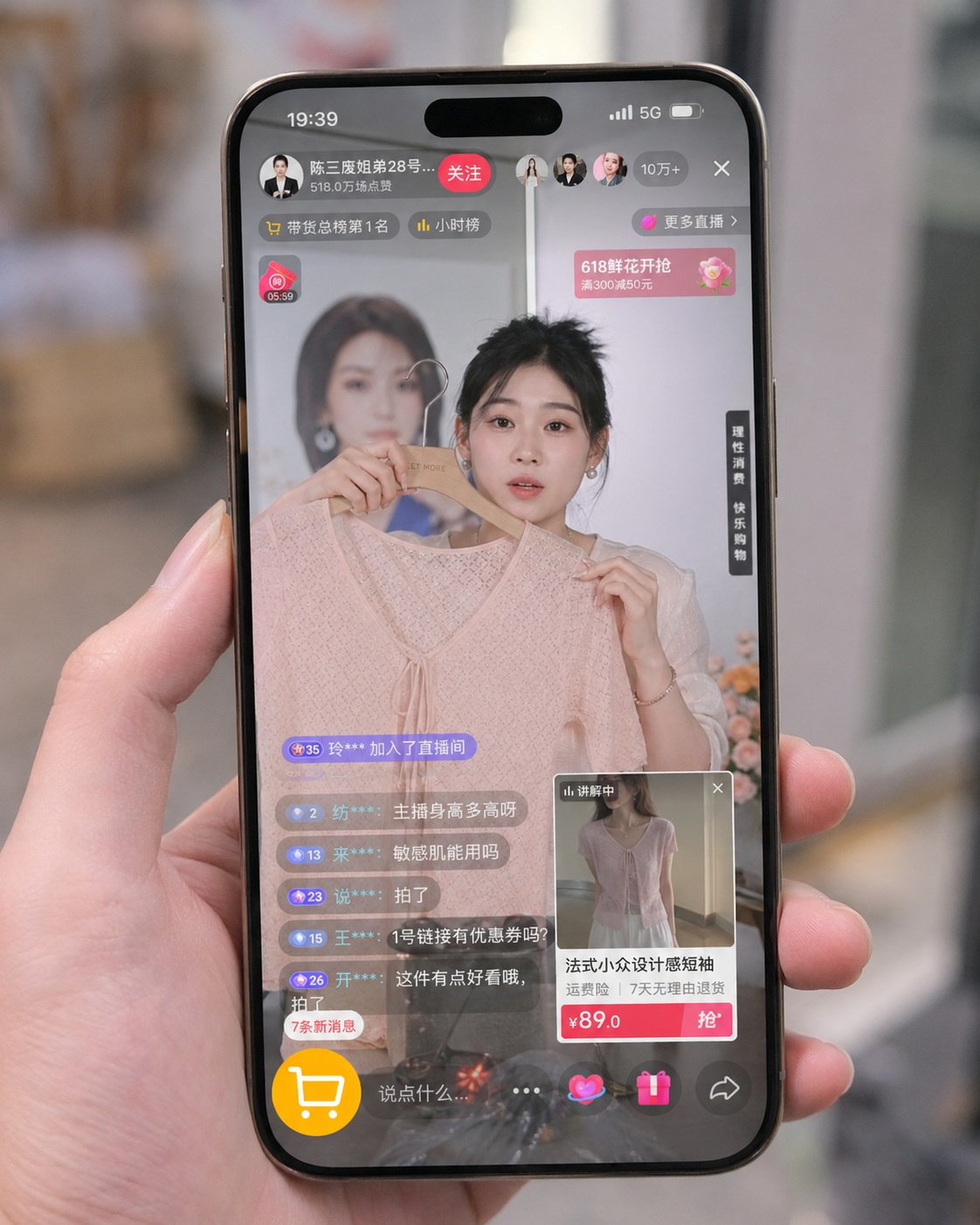
A typical livestream is a chaotic mix of theater and retail. The host (often called an “influencer” or KOL) speaks at high speed, demonstrating products in real-time.
- The Urgency Script: You’ll hear phrases like “3-2-1, link is up!” or “Only 50 spots left at this price.” This creates a Fear Of Missing Out (FOMO) that drives impulse buys.
- The Price Drop: Hosts often negotiate with brands on air. You might see the price drop from ¥200 to ¥99 in real-time, validated by live customer counts.
- Community Interaction: Viewers type comments like “I want it!” or “Is this suitable for oily skin?” The host reads these aloud and answers instantly, creating a sense of direct connection.
This isn’t just about selling; it’s about building trust. Regular viewers feel they know the host personally, making them more likely to buy products the host endorses, even if they weren’t planning to.
How to Actually Buy Something
If you’re using a Chinese smartphone in China, here is the step-by-step process of converting a video viewer into a buyer.

- Find the Stream: Open the Douyin app (the Chinese version of TikTok). The algorithm will likely suggest a livestream on your “For You” page if you’ve shown interest in shopping.
- Locate the Shopping Cart: Look at the bottom left of the screen. There is always a yellow or orange icon resembling a shopping cart or basket.
- Select Options: Click the cart. A menu pops up with different product variants (size, color, bundle deals). Pick what you want.
- Checkout: The app usually has your default shipping address and payment method (WeChat Pay or Alipay) pre-filled. You often just need to verify a fingerprint or face ID to complete the purchase in seconds.
The entire process from seeing the product to paying takes less than 10 seconds. This frictionless experience is why impulse buying is so common.
Navigating the Hype: A Buyer’s Guide
While convenient, livestream shopping can be tricky for newcomers. Here are a few tips to protect yourself.
- Check Return Policies: Most items on Douyin support “7-day no-reason returns,” meaning you can return almost anything within a week without giving a reason (as long as the item is unused). Always check the specific store’s policy before buying.
- Beware of “Live-Only” Deals: Sometimes prices are inflated just before a sale to make the discount look bigger. Compare prices on Taobao or JD.com if you’re unsure.
- Watch for Authenticity: For high-value items like electronics or cosmetics, stick to official brand flagship stores within the app rather than random influencers. Official stores verify their products much more strictly.
The Future of Shopping
Livestream shopping in China is no longer a novelty; it’s infrastructure. It has changed how brands launch products, how celebrities earn money, and how ordinary people spend their evenings.
For foreigners, trying it out offers more than just a new way to shop—it provides a window into the digital social fabric of modern China. It’s noisy, aggressive, and surprisingly effective. But if you learn the rhythm, it can also be quite fun.