

Introduction
At a community pharmacy in Hangzhou, seventy-two-year-old Chen waits patiently as the cashier scans his items. A bright QR code sits on the counter, but Chen does not panic. He pulls out exact change from a worn leather wallet while simultaneously listening to a voice message from his daughter explaining how to open her Alipay app. His routine is neither a tragic tale of being left behind nor a seamless triumph over technology. It is a pragmatic blend that defines the lived reality for hundreds of millions of Chinese seniors navigating rapid digitalization.
The narrative around aging in China has long focused on exclusion. Yet beneath the headlines about cashless stores and automated kiosks, a quieter transformation is underway. For many older adults, smartphones are no longer foreign devices but essential extensions of daily life. They do not just struggle with them; they adapt, borrow skills from younger relatives, and carve out stable routines in an increasingly screen-driven society.
The Quiet Integration of Daily Life
Technology has seeped into the rhythms of senior living through channels that prioritize connection over complexity. WeChat family groups have become digital hearths where grandparents share photos of meals, grandchildren send voice notes from university dorms, and distant relatives coordinate care without a single phone call. In urban neighborhoods and rural villages alike, these chat rooms replace isolation with constant, low-stakes contact.
WeChat, Mini-Programs, and Short Videos
Short video platforms like Douyin and Kuaishou fill afternoon gaps that once belonged to television or radio. According to recent internet usage reports, over 140 million users aged sixty and above spend significant time scrolling through recipe tutorials, gardening tips, and local opera clips. The content is often algorithmically generated, but the engagement feels deeply personal. For retirees managing chronic conditions or adjusting to empty nests, these feeds offer entertainment and a sense of cultural continuity.
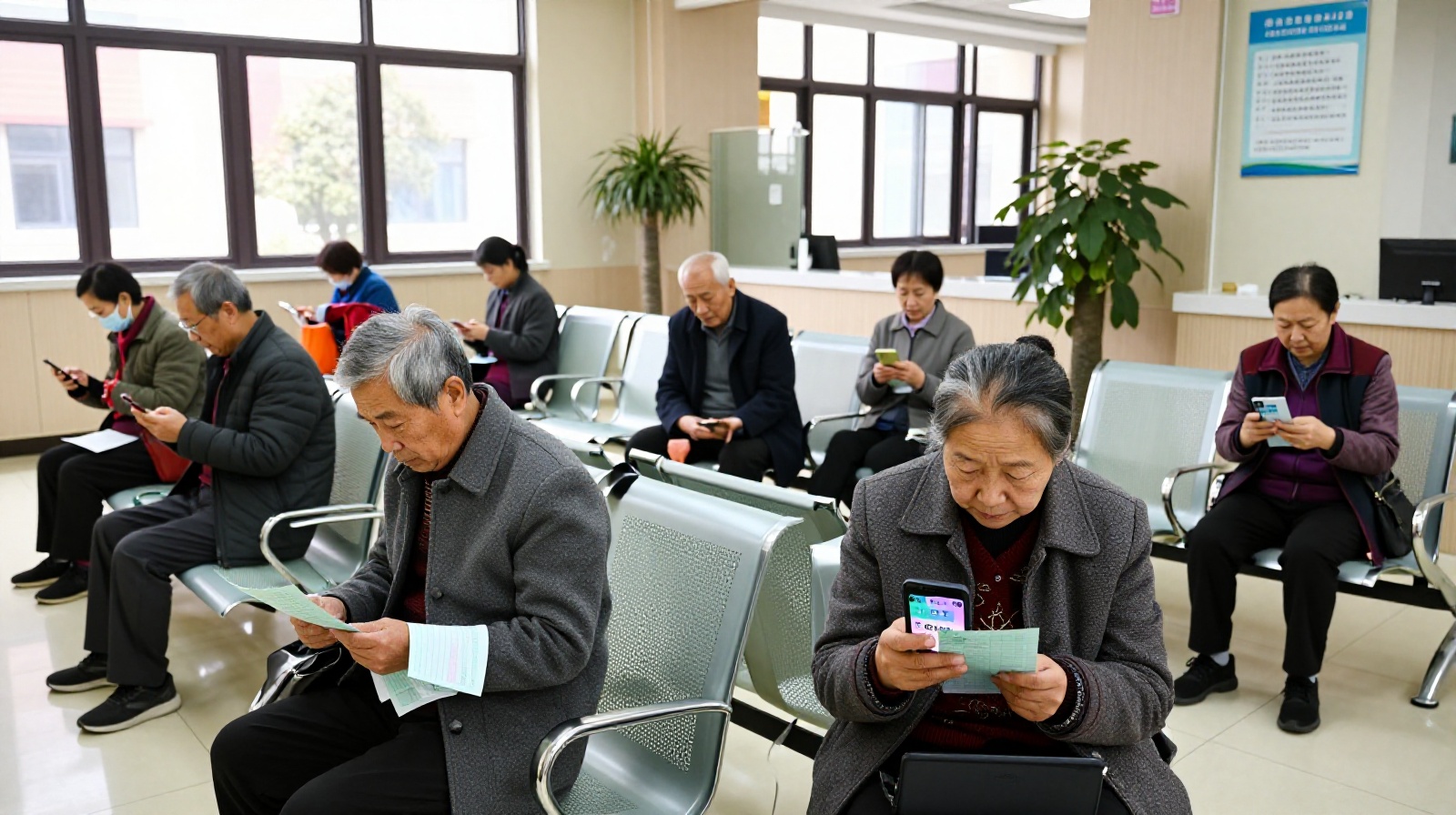
Even government services have migrated online through mini-programs embedded in messaging apps. Hospital appointment booking, utility bill payments, and social security inquiries now happen inside familiar interfaces rather than on clunky standalone websites. A seventy-five-year-old retiree in Shanghai can book an ophthalmology visit with three taps, skipping the long queues that defined previous decades. This convenience is real, but it arrives alongside a steep learning curve that demands patience from both users and their families.
When Algorithms Meet White Hair
The friction becomes apparent when digital systems assume uniform physicality and digital literacy. Interfaces designed for twenty-something thumbs often misread shaky hands or blurred vision. Mandatory QR code scans at street food stalls, taxi stands, and even public parks create sudden bottlenecks for those who prefer cash or bank cards. A missed tap means standing outside in the rain while waiting for help.
Beyond usability, security remains a pressing concern. Seniors face targeted phishing scams disguised as health alerts, fake investment apps promising guaranteed returns, and AI-generated voice clones mimicking distressed grandchildren. The psychological toll is measurable: many older adults develop hesitation before clicking anything unfamiliar, sometimes avoiding essential services altogether to prevent irreversible mistakes. Developers who prioritize daily active users over accessibility inadvertently design exclusion into everyday transactions.

Friction in a Scan-First World
The digital divide is no longer about access to hardware; it is about cognitive load and interface transparency. Ride-hailing apps that require rapid facial recognition or precise pin-drop navigation leave many elderly commuters stranded at curb-side stalls. When customer service bots cannot parse regional dialects or when form fields refuse entries without strict character limits, the system punishes rather than assists. These design choices reflect a broader industry bias toward speed metrics over human variability.
Navigating the Middle Ground
Rather than surrendering to digital pressure, Chinese seniors have developed a hybrid survival model that blends old habits with new tools. Cash is not disappearing; it is being strategically reserved for moments when reliability matters more than speed. Physical insurance cards, library passes, and community center member keys remain in drawers alongside smartphones. This hybrid payment approach reduces anxiety by providing tangible fallback options when networks lag or screens freeze.
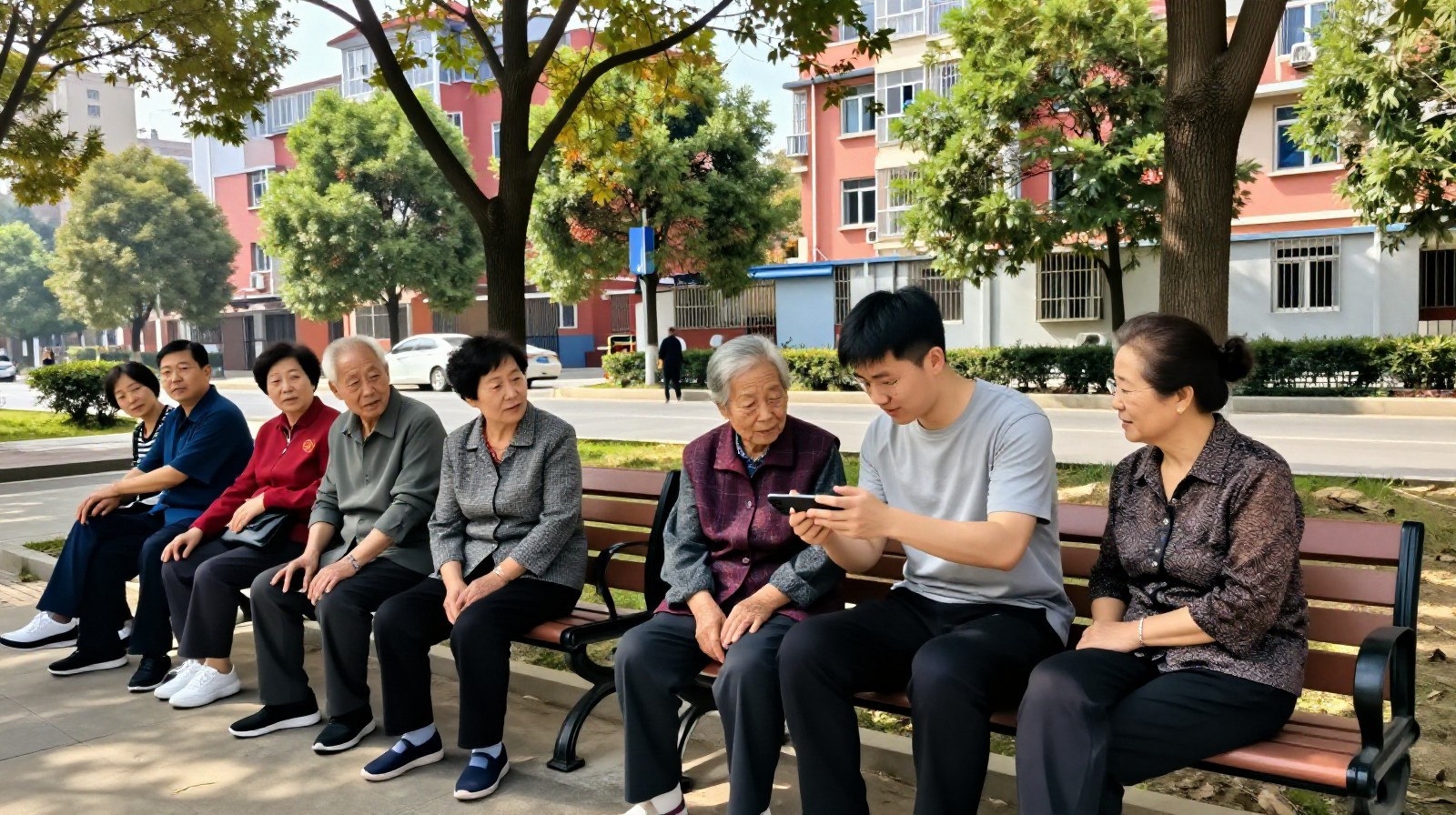
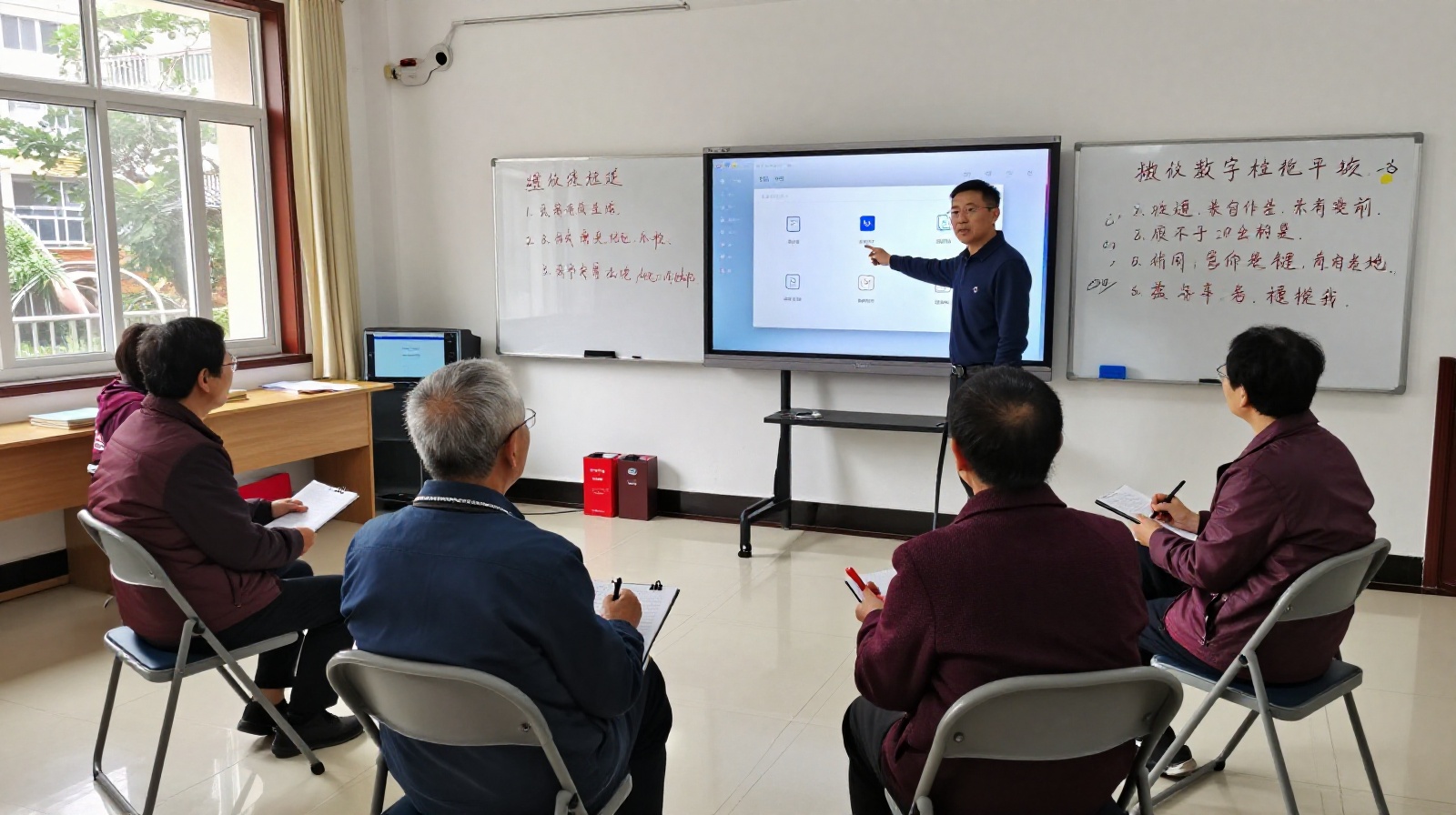
Family networks act as informal tech support. Children use screen-sharing features to guide parents through banking updates or ride-hailing apps. Community volunteers host weekly smartphone workshops in neighborhood centers, teaching how to adjust font sizes, block spam calls, and verify official government accounts. Public hospitals and post offices maintain manual service windows for cash transactions, though their numbers fluctuate based on local funding and foot traffic. The ecosystem thrives on intergenerational cooperation rather than solo digital mastery.
From Efficiency to Inclusive Design
Recognizing these bottlenecks, policymakers and tech companies are shifting from pure operational efficiency toward inclusive design principles. National accessibility standards for mobile applications now require larger default fonts, simplified navigation trees, voice-assisted controls, and clearly labeled exit buttons for ads. Major platforms have rolled out Elder Modes that strip away promotional banners, reduce auto-play videos, and prioritize essential functions like health codes or emergency contacts.
The rollout is uneven but accelerating. Tier-one cities integrate accessibility testing into app release cycles, while smaller counties rely on local digital literacy campaigns to bridge gaps. Urban planning initiatives now mandate tactile guidance paths in transit hubs and bilingual signage with high-contrast text. These adjustments do not stop innovation; they redirect it toward sustainable adoption that respects varying cognitive and physical baselines.
The Real Test of a Digital Society
A nation’s technological ambition is rarely judged by how fast its newest gadgets launch, but by how smoothly those tools integrate into the lives of its most vulnerable residents. The digital divide in China is not a binary wall but a gradient that requires continuous calibration. Silver economy innovations will only scale if they solve real friction rather than creating new convenience traps.
How older adults navigate this transition reflects broader governance capacity and social resilience. When public services retain human touchpoints, when apps prioritize clarity over engagement metrics, and when communities organize peer-to-peer tech circles, digitalization stops being a filter and becomes an amplifier of existing lifelines. The future does not belong exclusively to those who adapt instantly; it belongs to societies that build ramps alongside the stairs.
Chinese seniors’ digital life is no longer a marginal story. It is a live experiment in how rapid technological change can coexist with demographic aging. The metrics that will matter most are not download counts or transaction volumes, but the quiet reliability of systems that work when hands tremble and eyes strain.