

The Reunion Dinner That Never Ends
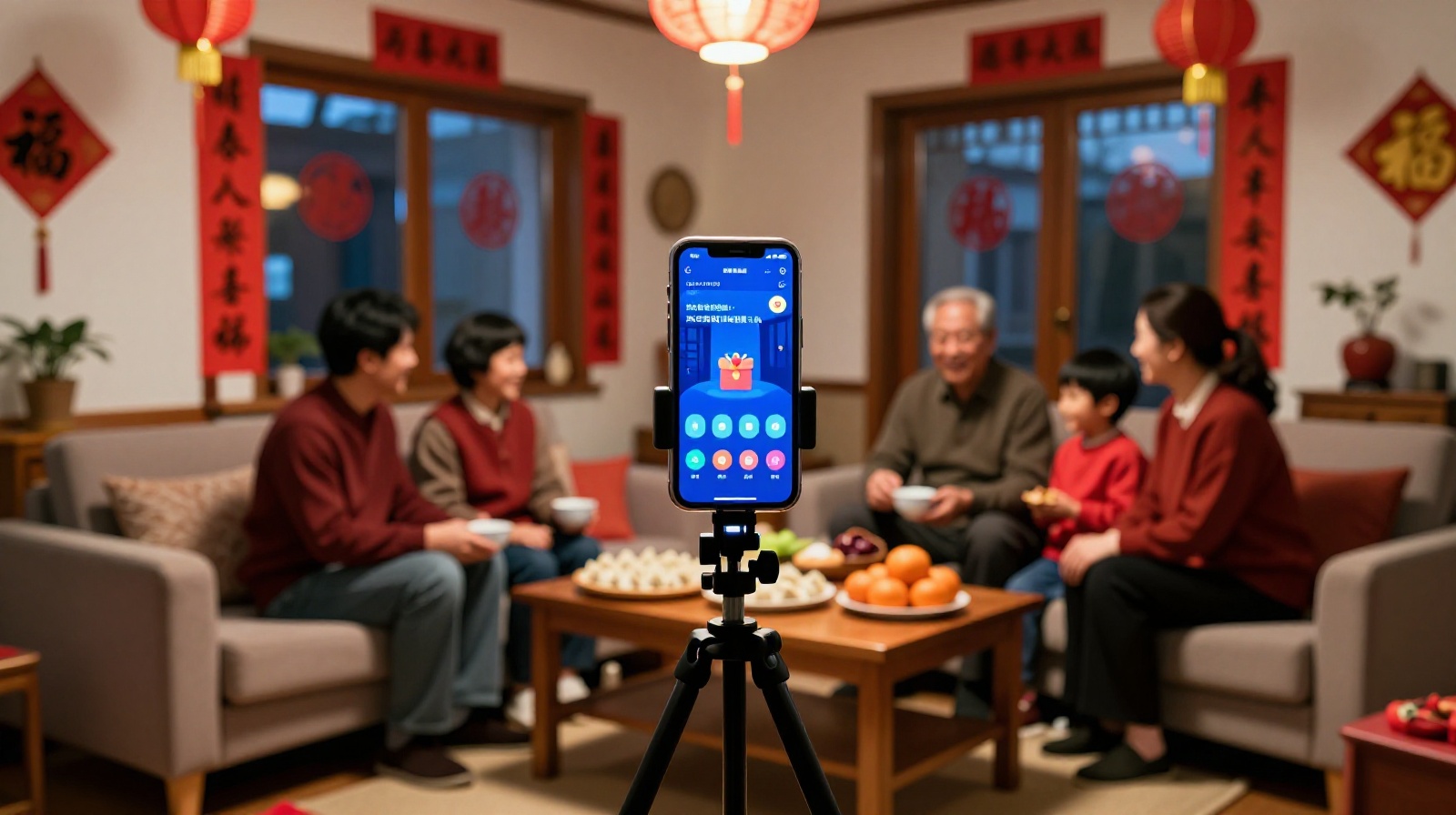
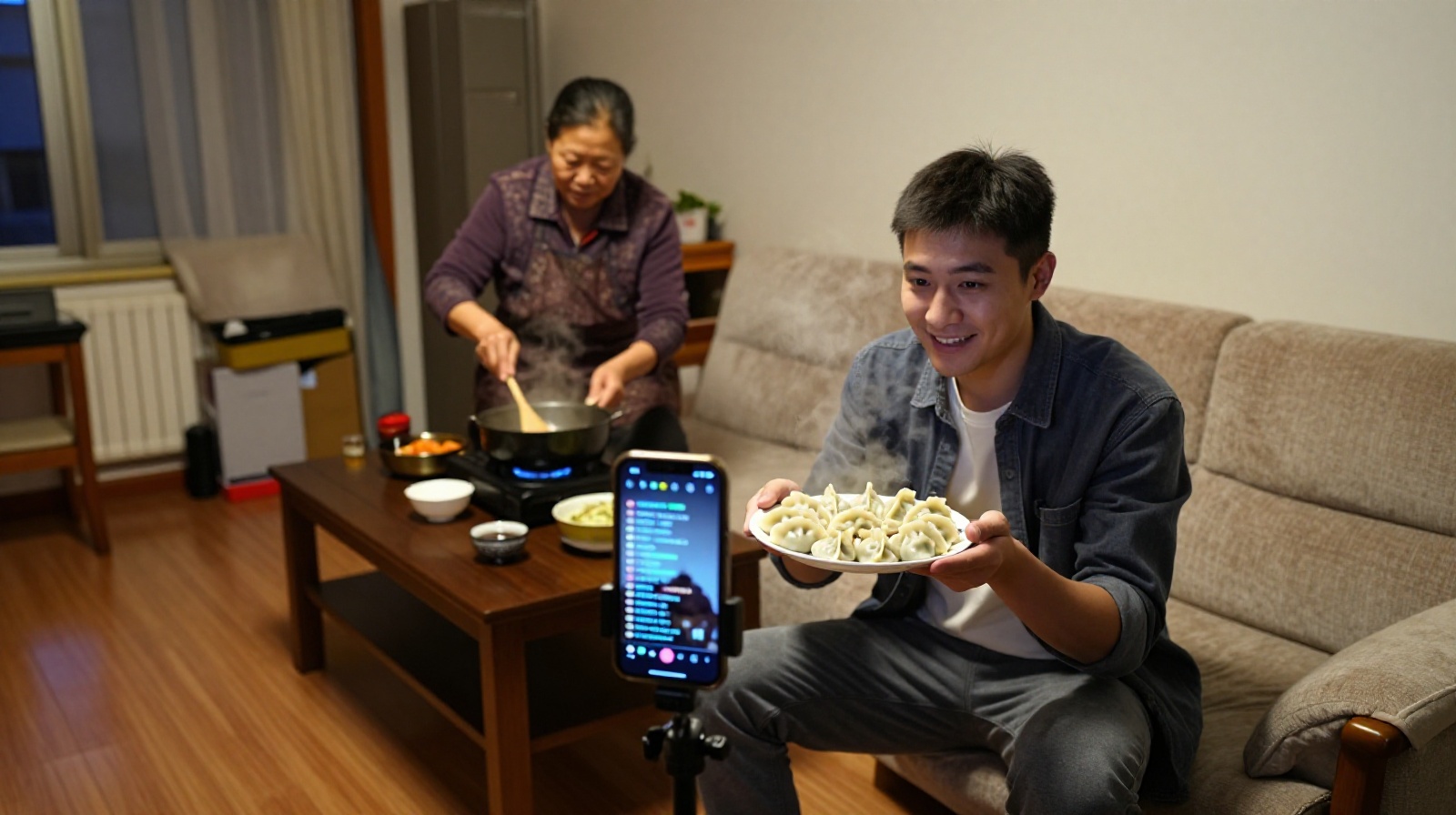
Lin sits cross-legged on a worn sofa, a smartphone balanced on a cheap plastic tripod. Behind him, his mother flips dumplings in a sizzling pan while his uncle argues good-naturedly about football scores. On the screen, 4,300 viewers watch quietly. He is not reviewing tech gadgets or dancing to viral trends. He is broadcasting his family’s New Year Eve dinner. Every time someone drops a virtual gift, a synthetic voice chimes in: “Happy Spring Festival!” generated by an AI tool that mimics the cadence of his late grandfather. To outsiders, it sounds like a scene from a futuristic film. To Lin, it is just how the festival works now.

AI Greetings and Digital Red Envelopes
The Chinese Spring Festival has always been about movement. Hundreds of millions travel home for one meal each year. In recent years, that physical rush has met digital infrastructure. Physical red envelopes stuffed with cash have largely become pixels in WeChat and Alipay. But platform engineers did not stop at simple transfers. They added countdown timers, interactive mini-games, and live-stream drops. During peak hours on New Year’s Eve, millions tap screens simultaneously to grab limited virtual packets. The experience is loud, chaotic, and deeply social. It replaces the old custom of hiding cash under pillows with a shared digital frenzy that spans time zones.
AI has slipped into the greeting ritual in ways that feel both practical and slightly surreal. Busy professionals, university students, and migrant workers use voice filters and avatar generators to send personalized messages to distant relatives. Some families program simple bots to answer repetitive questions from aging grandparents who struggle with complex menus. The technology does not erase human contact; it stretches it. China has over 300 million internal migrant workers who often cannot return home for the holiday due to travel caps or workplace demands. AI greetings fill the silence, offering a way to maintain presence without physical proximity.
Live-Streaming the Festival Table
If red envelopes digitized money, live streaming digitized atmosphere. Young hosts turn modest living rooms into stages. They explain regional customs to overseas viewers, taste-test local snacks, and occasionally attach shopping links for regional specialties like Sichuan pepper or Hangzhou longjing tea. What looks like casual entertainment is actually a new form of community building. For diaspora Chinese who miss the noise of home, these streams offer comfort. For locals in smaller cities, they turn private moments into public events, creating micro-economies that keep traditional crafts and local food accessible year-round.
Why the Tech Feels So Familiar
The “cyberpunk” label usually conjures rain-slicked neon streets and corporate dystopias. Here, it simply describes how algorithms meet ancestral rituals without friction. Platforms in China are built for scale, speed, and social sharing. Features that seem gimmicky abroad—like interactive red envelope games or AI voice cloning—are embraced because they solve real problems: long distances, fragmented family schedules, and the desire to share joy with wider networks. The technology adapts to human needs rather than forcing humans into machine logic.
There is also a quiet democratization at play. High-end video editing tools and AI avatars that once required professional studios are now available through free or low-cost apps on basic smartphones. A college student in Chengdu can produce a greeting video with the same visual polish as a brand campaign. This accessibility lowers the barrier to participation, allowing ordinary people to shape festival culture rather than just consume it.
The Human Thread Beneath the Screen
Not everyone adapts smoothly. Some elders feel overwhelmed by constant notifications and digital noise. Younger users occasionally complain that screens interrupt quiet moments meant for family conversation. There is a growing awareness of “festival fatigue,” where the pressure to perform gratitude online competes with the desire for offline stillness. Many families now set explicit boundaries: phones are put away during meals, live streams end by midnight, and AI greetings are used only when travel is impossible.
Yet even with these adjustments, the core ritual remains unchanged. People still bow to elders, eat dumplings shaped like ancient ingots, and light fireworks where local regulations allow. The difference is that those traditions now live on servers too. They are archived, shared, and revisited long after the holiday ends. What looks like a collision of old and new is actually an extension. Technology does not replace tradition; it gives it longer legs.
Conclusion
The modern Chinese Spring Festival is not being rewritten by code. It is breathing through it. For overseas readers, the mix of AI avatars, live-streamed meals, and digital red envelopes might seem like a departure from authenticity. In reality, it is a pragmatic response to distance, pace, and connectivity. The future of tradition in China is not about preserving customs in glass cases. It is about letting them adapt, migrate, and find new audiences—even if those audiences are watching through a phone screen at 2 a.m.