

Introduction
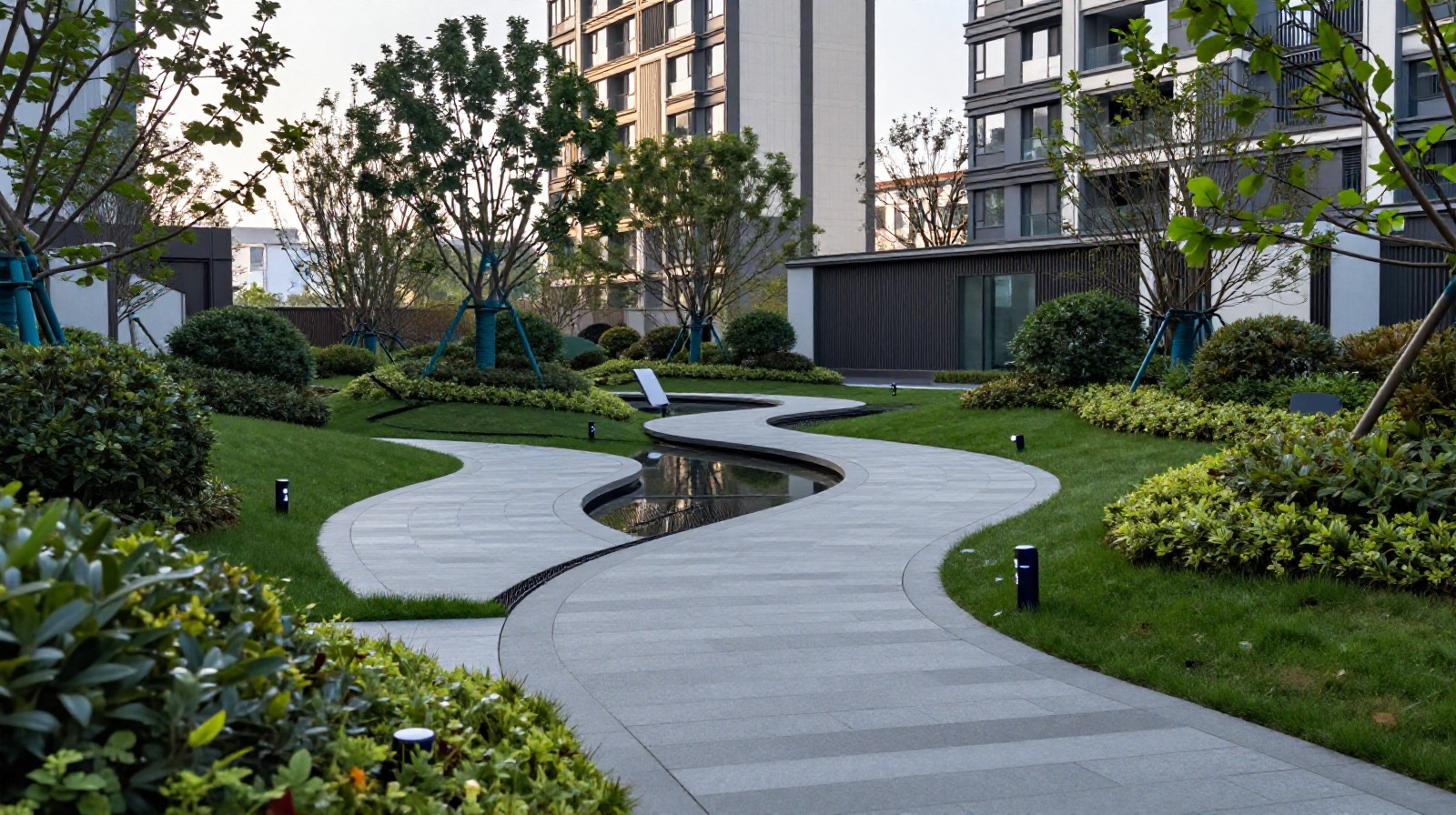
Linna, a software developer who lives near West Lake, doesn’t think about urban planning when she walks to work. But the route she takes—a shaded path lined with permeable stone and shallow retention basins—was deliberately engineered using principles that date back a millennium. Hangzhou’s approach to modern city design doesn’t start with steel or glass. It starts with water, wind, and shade. Over the past decade, municipal planners have stopped treating greenery as decorative add-ons and began integrating it into the city’s structural framework. The result is an urban environment that manages rainfall, regulates temperature, and improves air quality without relying on energy-intensive machinery.
The Ancient Blueprint for Modern Water Management
Traditional Chinese gardens were never purely aesthetic. They were hydraulic systems disguised as art. Every pond, channel, and stepping stone was placed to catch rain, filter runoff, and cool the surrounding air. Today, Hangzhou applies this logic at a city scale through its sponge city initiative. The term sounds technical, but in practice, it simply means letting the ground absorb water instead of forcing it into concrete drainage tunnels.
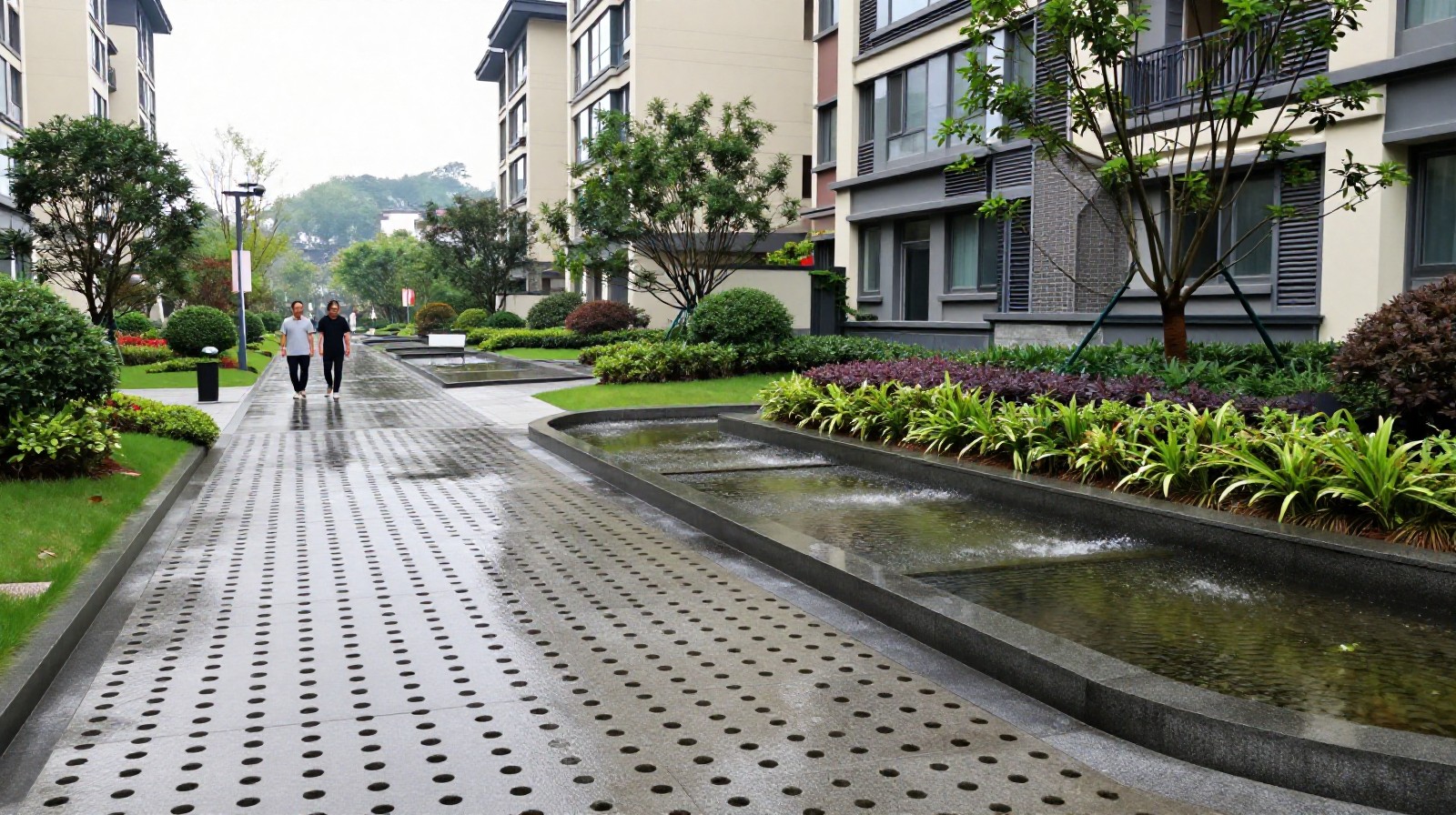
In residential zones like Wensan Road and Binjiang District, engineers replaced impermeable asphalt with porous pavement and converted underused lots into rain gardens. During summer downpours, which have become more frequent across eastern China, streets no longer flood. Excess water pools temporarily in landscaped depressions, filters through layered soil, and recharges local groundwater. Local maintenance reports indicate a roughly 40 percent reduction in stormwater overflow compared to the early 2010s. Commuters notice cleaner intersections. Property managers see fewer basement leaks. The system works quietly, requiring minimal intervention once installed.
Cooling the City Without Cranking Up the AC
Urban heat islands are a global problem. Concrete and glass trap solar radiation, pushing ambient temperatures higher and driving up electricity demand. Hangzhou’s planners turned to an old remedy: spatial arrangement. Traditional gardens used winding paths, strategic tree placement, and water features to create natural ventilation corridors. Modern Hangzhou scales this up with continuous green belts that cut through dense commercial districts.
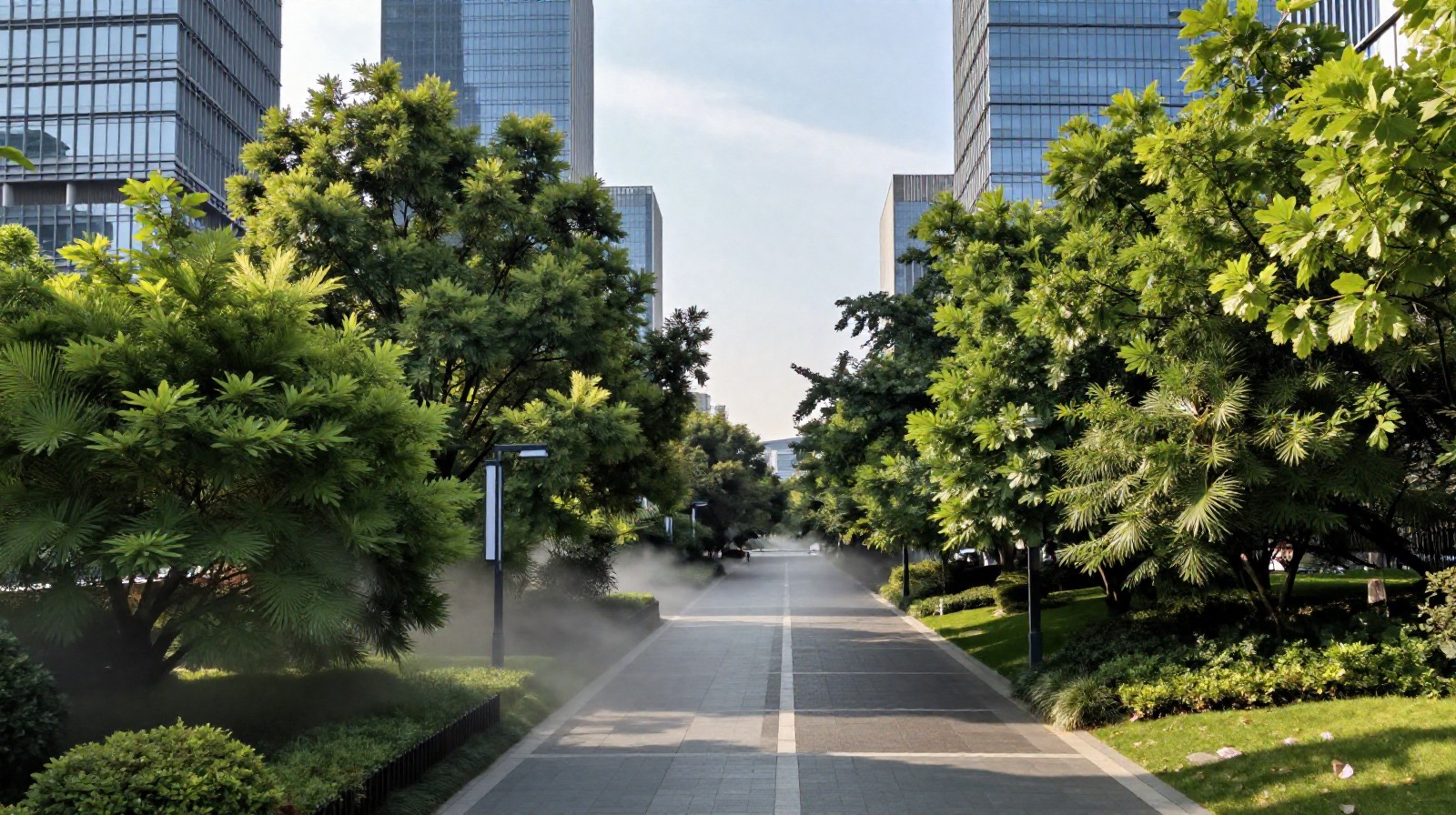
Walk through the Qianjiang New Area on a July afternoon, and the difference is immediate. Temperature sensors embedded in public parks record ground-level heat reductions of up to 3 degrees Celsius compared to nearby glass towers. The cooling isn’t accidental. It’s the product of overlapping green corridors, reflective building facades, and automated misting systems that activate only when humidity drops below a set threshold. Residents don’t notice the engineering behind it. They simply notice that evening walks feel cooler, neighborhood cafes can keep outdoor seating, and local clinics report fewer heat-related emergencies during peak summer weeks.
When Sensors Meet Stone Pavement
The revival of traditional design in Hangzhou isn’t a nostalgic restoration project. It’s a data-driven one. Municipal planners use satellite imagery, soil moisture probes, and pedestrian traffic cameras to adjust how green spaces are maintained. Irrigation schedules adapt to real-time weather forecasts. Air quality monitors placed near tree lines trigger maintenance alerts when particulate matter rises. This isn’t experimental technology; it’s routine municipal management.
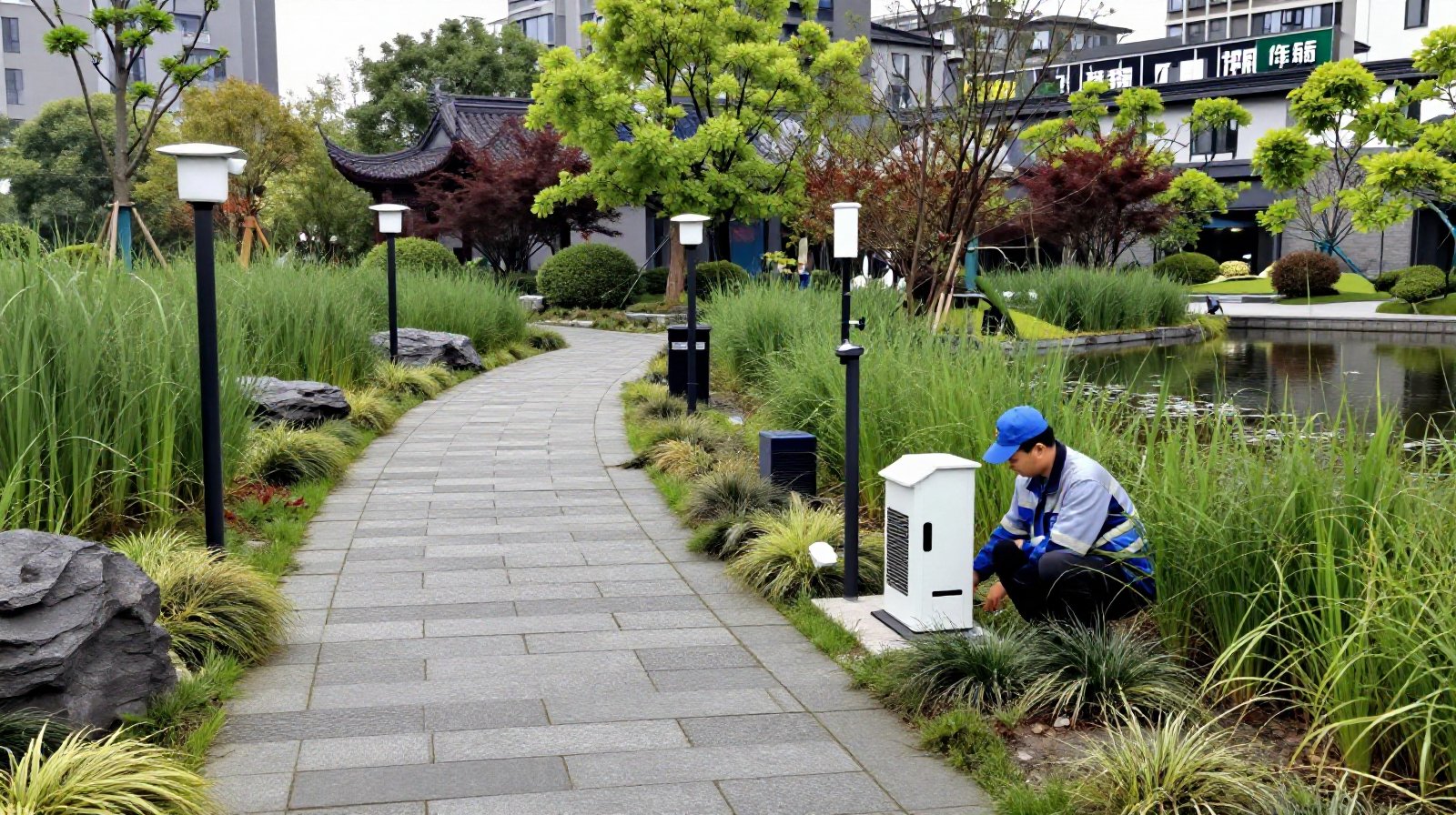
The integration of digital tools with ecological design has made climate-responsive infrastructure accessible rather than exclusive. In the past, passive cooling and natural drainage were reserved for wealthy estates or historical sites. Today, community-level planning applies the same principles to public housing complexes, schoolyards, and transit hubs. A recent renovation of the Xixi Wetland perimeter didn’t just restore native vegetation. It added permeable walkways, low-glare bird-friendly lighting, and decentralized waste sorting stations. The project attracted over two million visitors last year, proving that ecological sensitivity and high foot traffic can coexist without degrading the landscape.
Why This Matters Beyond Hangzhou
Cities worldwide are racing to adapt to climate volatility. Many still treat greenery as a cosmetic layer rather than structural infrastructure. Hangzhou’s model suggests otherwise. By treating water management, temperature regulation, and biodiversity as interconnected systems, the city reduces long-term maintenance costs while improving public health outcomes. The approach also sidesteps the high energy footprint of traditional cooling networks and mechanical drainage pumps.
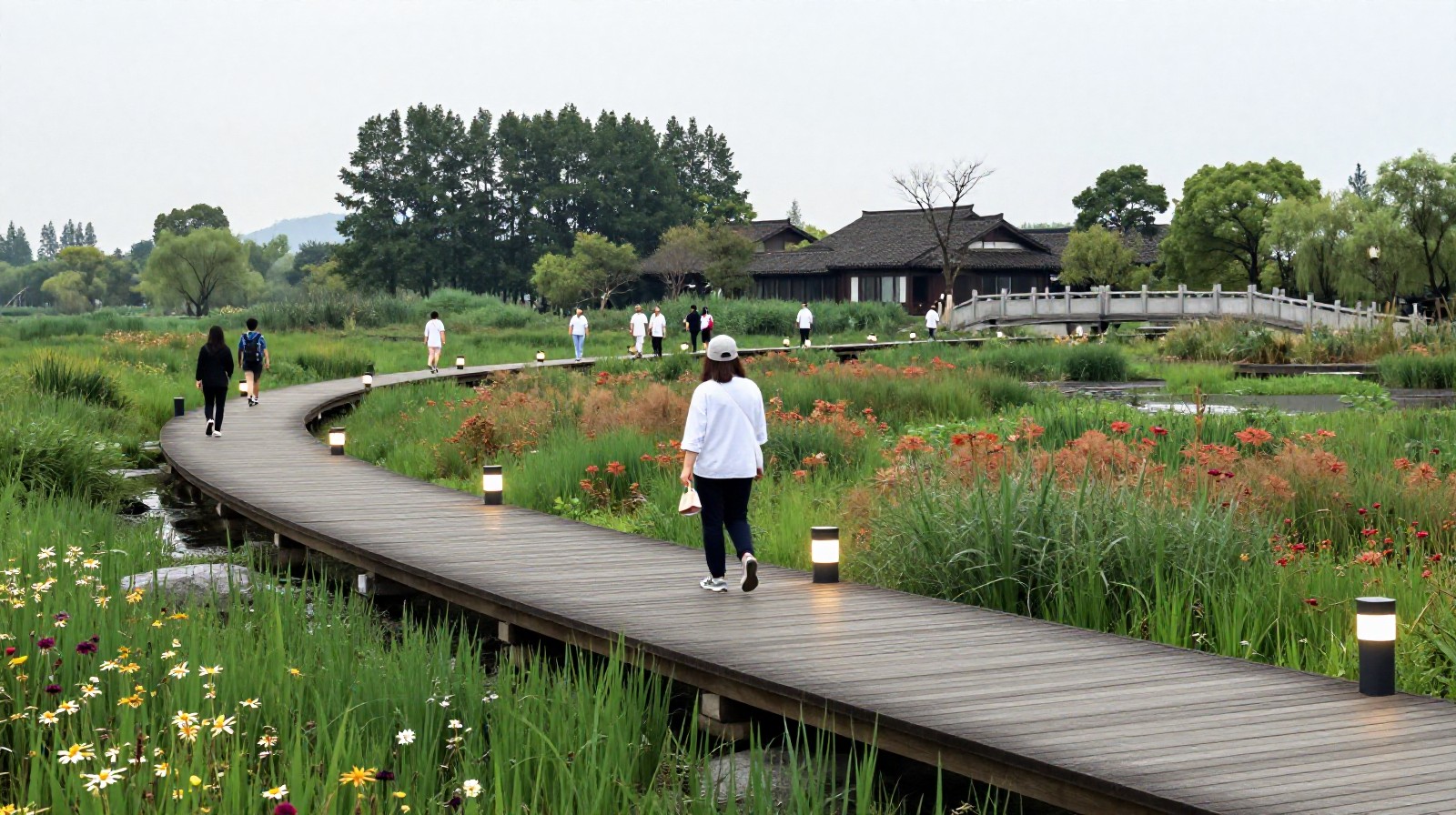
Urban researchers in Singapore, Berlin, and Mexico City have studied Hangzhou’s sponge city frameworks. The export isn’t about copying rock formations or pavilion roofs. It’s about adopting a design philosophy that prioritizes absorption over resistance, circulation over containment, and long-term resilience over quick fixes. As construction materials and weather patterns shift, the question is no longer how to build faster or taller. It’s how to build spaces that can adjust to changing conditions without constant human intervention.
Conclusion
Hangzhou’s urban planning doesn’t look backward. It looks at what worked before and asks how it can work now. The gardens that breathe aren’t just scenic spots for tourists. They are living infrastructure, quietly managing water, temperature, and air quality while residents go about their days. If other cities want to see how traditional wisdom can meet modern challenges, they don’t need to reinvent the wheel. They just need to look at how Hangzhou lets the ground do the heavy lifting.