

Three Days, One Prototype
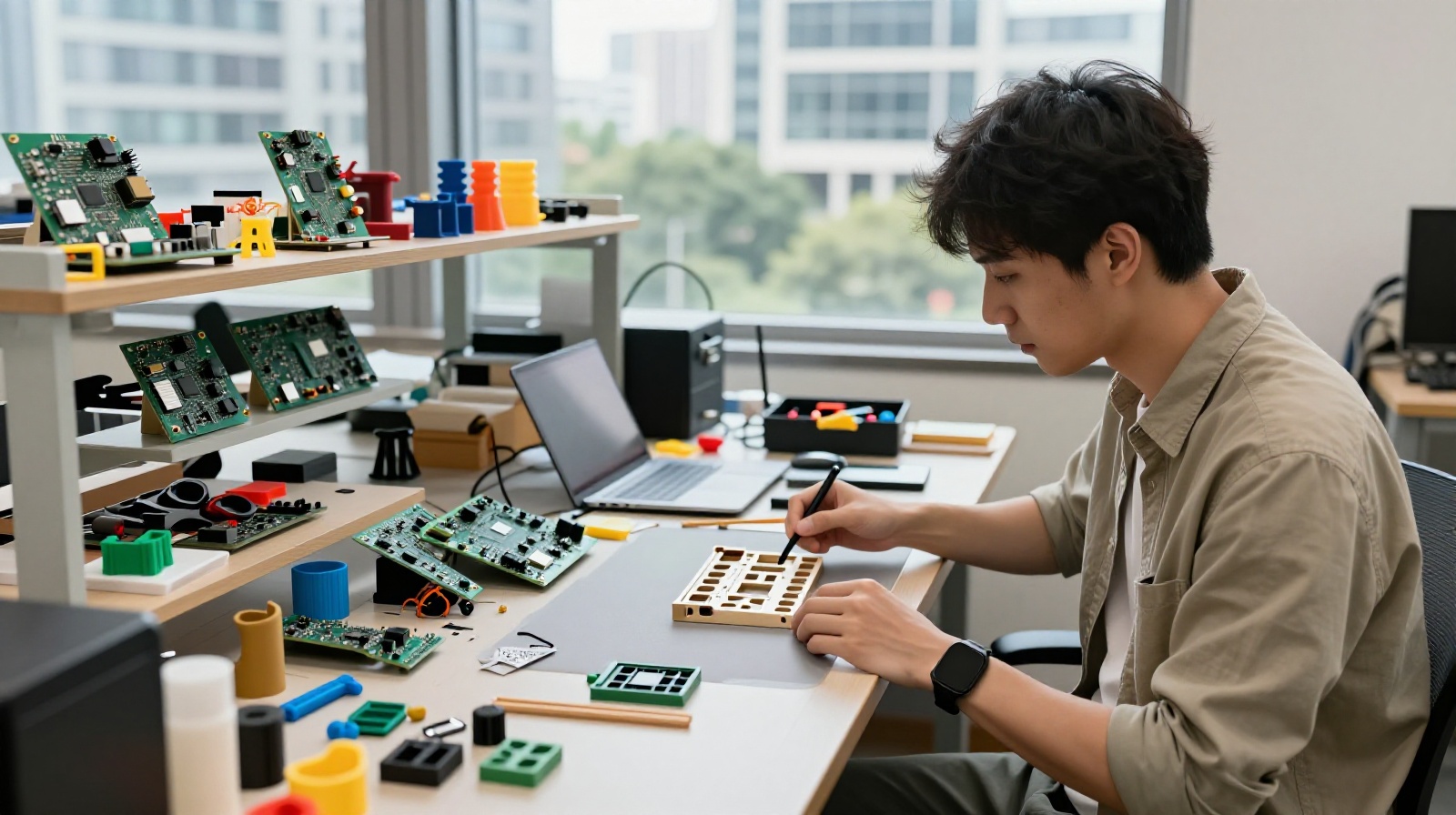
I still remember the first time a Shenzhen factory manager asked me to submit a CAD file at 4 p.m. and expect a physical sample by Friday morning. I was skeptical. Back in California, sourcing materials, wiring electronics, and machining casings took six weeks and three separate vendor calls. Here, I watched a small team in a Nanshan workshop 3D-print a housing, CNC-mill the mounting brackets, solder the circuit board, and run a stress test within seventy-two hours. By Friday, they handed me a working smart water bottle that looked exactly like my renderings.
This is not a glitch in the system or a temporary hustle culture. It is the baseline of shenzhen daily life for hardware creators. The speed comes from geography, supply chain density, and a workflow that treats iteration as a daily habit rather than a milestone.
The Geography of Speed
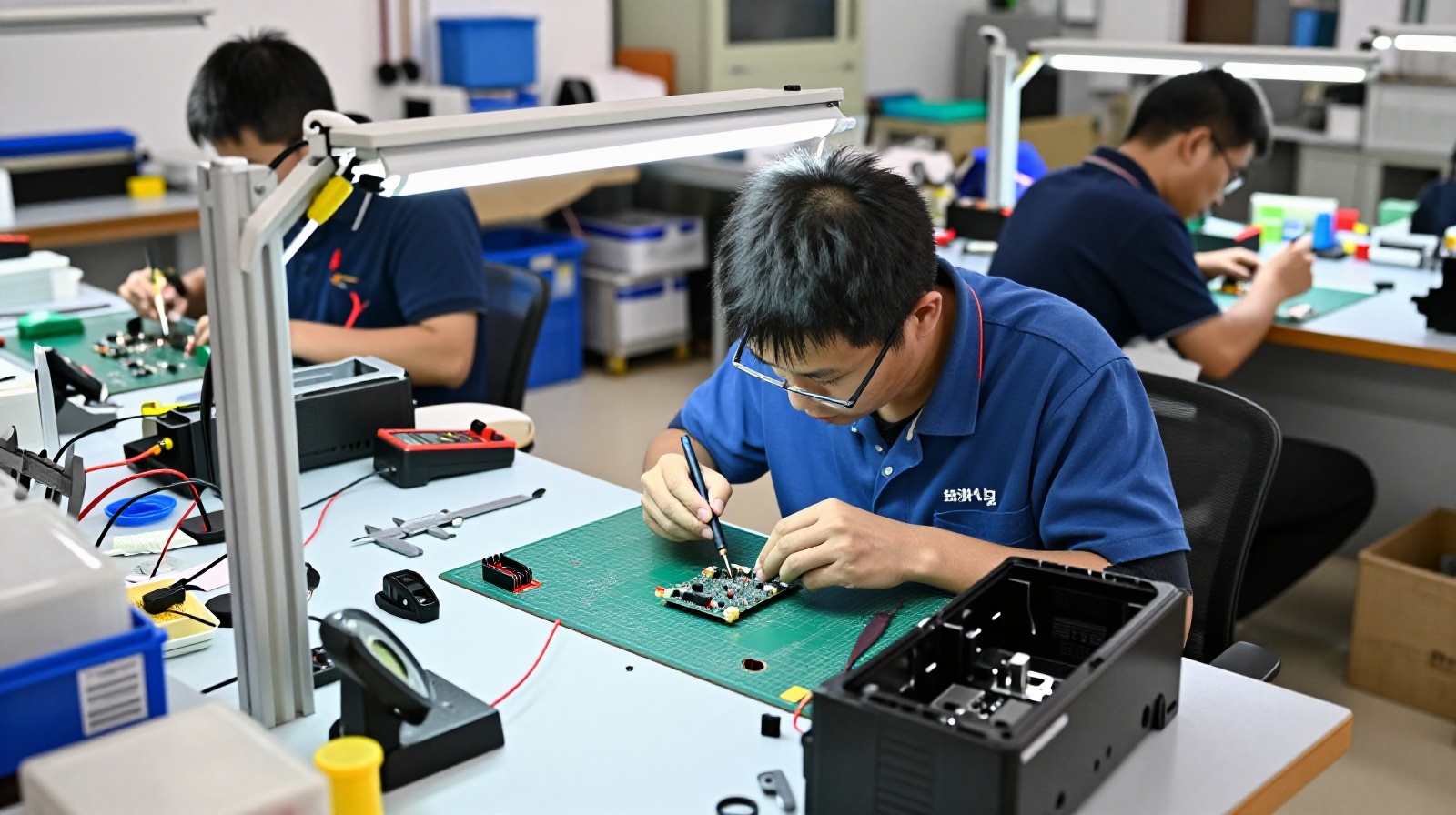
Shenzhen sits inside a 200-kilometer radius that contains roughly 90 percent of the components needed for consumer electronics. You can walk from a component distributor to a mold maker, then to an assembly line, without leaving a single district. In traditional manufacturing hubs, those steps might require flights across time zones. Here, they happen on the same bus route.
More Than Just Assembly
The industrial implementation efficiency people discuss online is often misunderstood as relentless pressure or neijuan. In practice, it is a mature ecosystem where engineers share solutions openly. Local hardware forums and maker spaces operate like distributed R&D labs. When a thermal management issue arises, the fix is usually documented within hours. That open culture compresses trial-and-error cycles that would normally drag on for months.
The Rhythm Behind the Machine
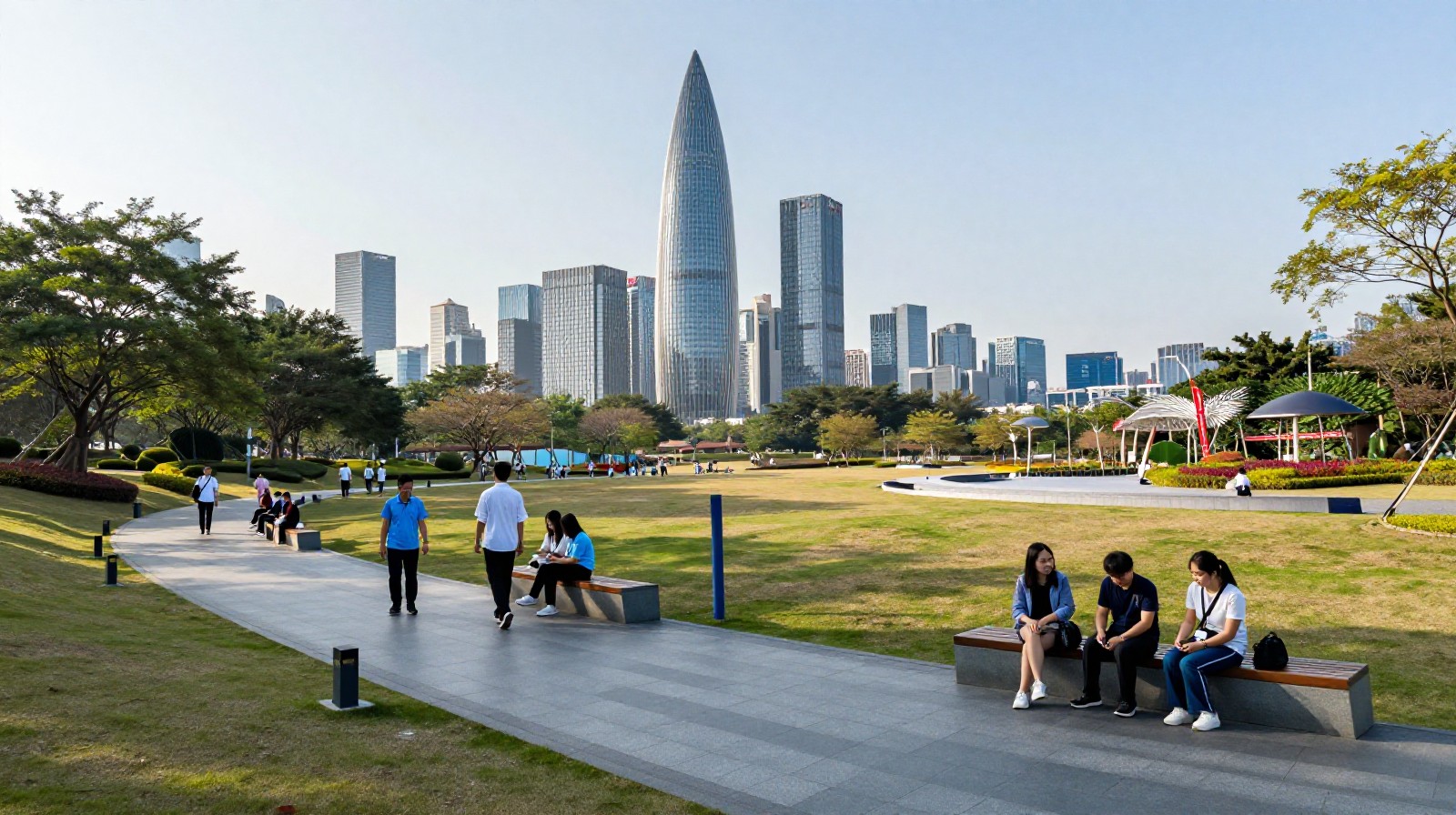
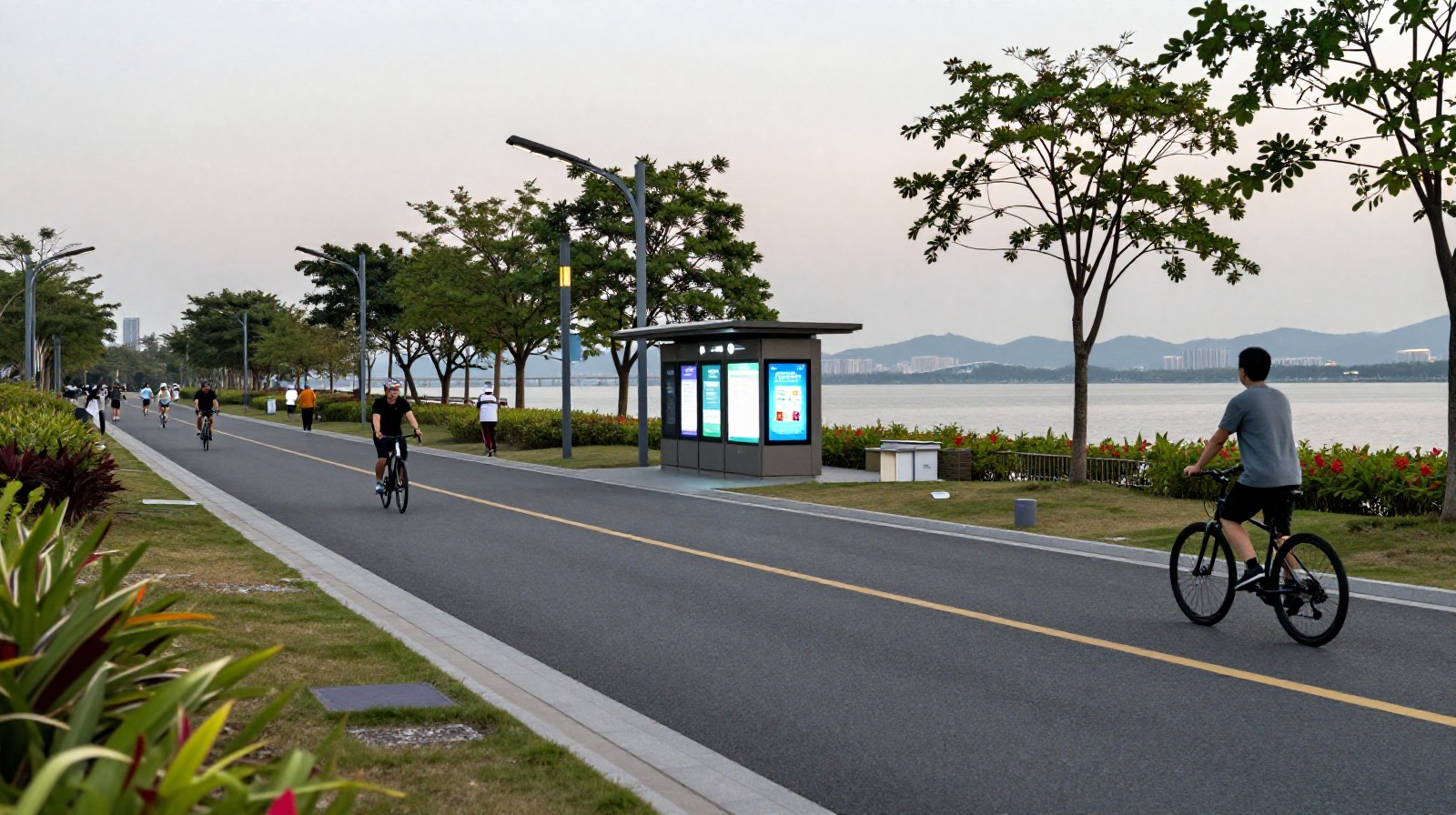
Efficiency does not erase human scale. If you step away from the assembly floor, the city reveals a different pace. The metro system moves commuters through glass-and-steel innovation corridors, but it also drops riders into shaded tree lines and waterfront trails. Lianhuashan Park offers a quiet overlook of the skyline, while Shenzhen Bay Park stretches for over twenty kilometers of cycling paths and open lawns.
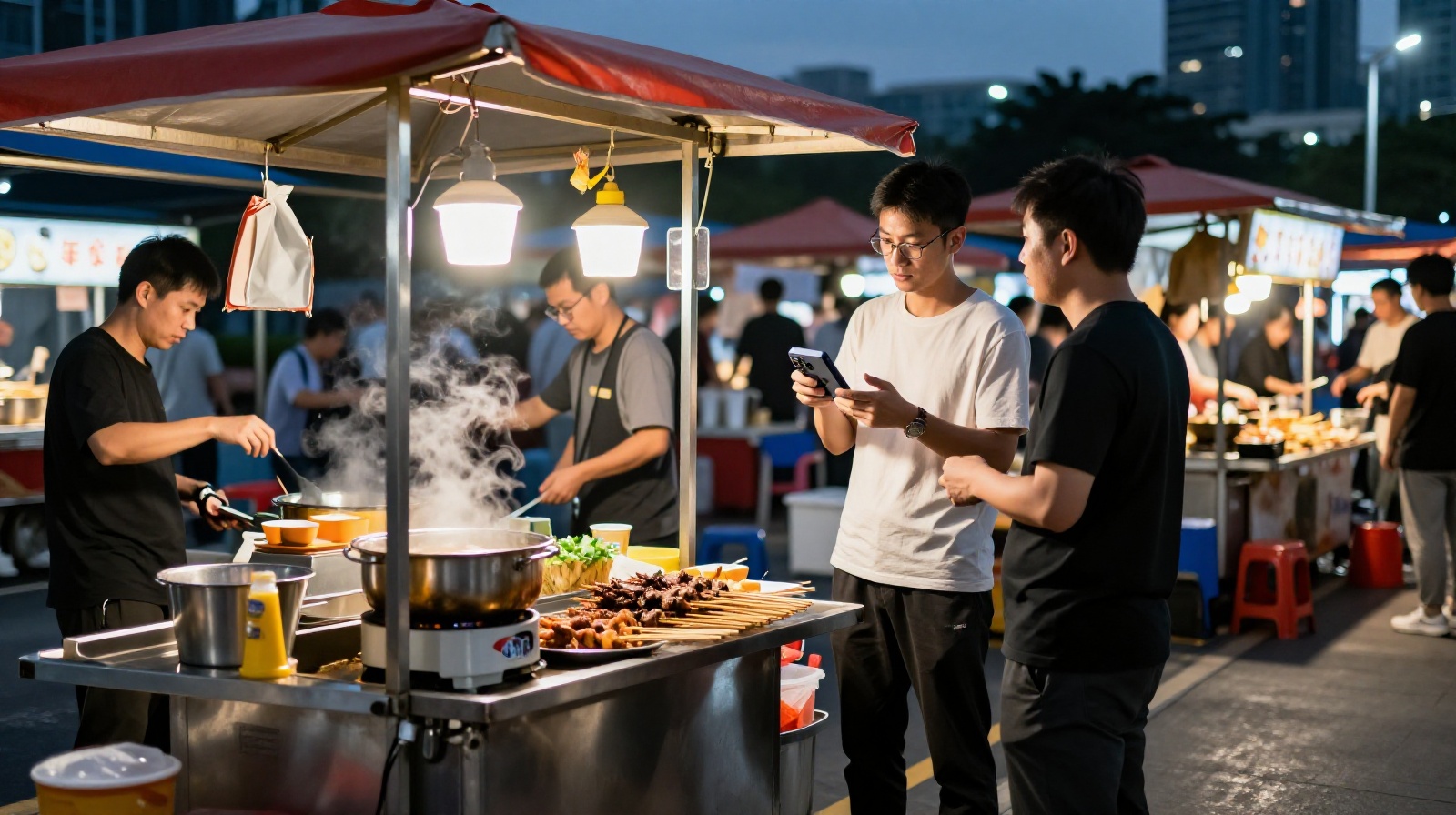
These urban public space designs are not afterthoughts. They are part of how the city manages density without sacrificing rest. After a long day in a FabLab or a client meeting, you will find street vendors selling grilled skewers, bubble tea, and hot pot near transit hubs. The yesanqi (night market) culture is not just about food; it is where informal feedback happens, where designers talk to end-users, and where the boundary between work and neighborhood blurs.
Hardware That Actually Lands
The real test of any tech ecosystem is not how fast you can build a prototype, but whether it solves everyday problems. Shenzhen has moved past the hype phase into practical deployment. Smart home devices that once cost hundreds of dollars now run on modular platforms priced under fifty. Electric vehicle charging infrastructure has expanded to residential compounds and rural townships alike, supported by standardized power protocols.
I recently visited a local startup prototyping AI-powered water quality sensors for agricultural use. The hardware was built using off-the-shelf microcontrollers, and the detection algorithm ran on a lightweight edge model trained on open datasets. The team shipped the first batch to a cooperative in Guangdong within four weeks. That is the overseas creator perspective I rarely see reported: technology that does not wait for perfect conditions to be useful.
From Blueprints to Benchtops
For foreign designers, the barrier to entry has dropped dramatically. You no longer need a corporate budget to test a physical idea. Public maker spaces rent CNC routers by the hour. Online marketplaces deliver custom PCBs in days. Local engineers treat rapid validation as a standard practice rather than a risk. The workflow shifts from design-then-manufacture to build-test-refine within the same week.
This does not mean quality is compromised. It means trade-offs are made transparently. A casing might use recycled polycarbonate instead of aluminum to meet a price target. A battery management system might skip over-engineered safety layers if the use case stays within controlled indoor ranges. The Chinese design ecosystem prioritizes functional fit over aesthetic purity, and that pragmatism accelerates market feedback loops.
Beyond the Filter
Shenzhen is not a utopia. High rent, intense competition, and the pressure to ship quickly are real constraints. But those frictions also filter out ideas that cannot survive real-world testing. What remains is a city that treats manufacturing as a language rather than a backdrop.
For overseas readers used to separating design studios from factories, this model feels unfamiliar. Yet it offers a clear lesson: when prototyping cycles shrink, ambition stops being theoretical. The next wave of green tech, AI hardware, and community infrastructure will not be announced in press releases first. It will be assembled on workbenches, tested in subway stations, and refined over breakfast stalls. That is the actual future arriving in Shenzhen.